On This Page· 6
You can buy loose leaves and sip them in a bustling cafe, but the skill of actually making the tea is rarely part of the standard tourist itinerary. Most visitors to Ho Chi Minh City treat tea as a passive experience—a flavor to sample, a souvenir to carry home. A hands-on Vietnamese tea workshop flips that dynamic. Instead of receiving a cup, you learn to prepare it yourself, mastering the specific water temperatures, steeping times, and vessel choices that define the character of Vietnamese green and oolong teas.
This guide focuses on where to find those specific sessions in the city that facilitate the transition from guest to brewer. We skip the passive tastings and zoom in on the practical sessions where you handle the teaware, manage the infusion, and serve the cup. It is about taking the technique home, not just the memory of the taste.
The Difference Between Tasting and Learning a Tea Ceremony
There is a distinct gap between sitting back to sample different flavors and standing up to execute the steps that create them. A passive tea tasting focuses on profiling the taste of various leaves, allowing you to enjoy the final result without touching the process. In contrast, a Vietnamese tea workshop shifts your role from observer to participant, where the goal is to understand the mechanics of water, temperature, and time. This shift in focus is why many travelers seek out these sessions in Ho Chi Minh City, wanting to master the craft rather than just consume the product.
Why the Skill Matters More Than the Memory
Tasting creates a pleasant recollection, but learning to prepare Vietnamese tea builds a capability you can use long after you have left the country. When you understand the logic behind the preparation, you are not relying on a specific shop or a pre-packaged service to enjoy your favorite brew at home. Instead, you gain the confidence to replicate the experience using simple teaware, ensuring the quality remains consistent regardless of your location. This practical value is a significant upgrade from a standard souvenir, turning a fleeting moment into a lasting routine.
The Guest-to-Brewer Arc
The core of this learning experience follows a natural progression often called the guest-to-brewer arc. You begin in the guest phase, where you observe the instructor and receive the first cups to absorb the rhythm and etiquette of the session. As the session moves forward, you transition into the brewer phase, taking over the tasks of warming the vessels and pouring the water. This structure ensures that the complexity of the ritual is broken down into manageable steps, making it easier for beginners to learn tea ceremony techniques without feeling overwhelmed by the technical details.
What You Learn in a Ho Chi Minh City Tea Preparation Session
A hands-on Ho Chi Minh City tea class focuses on building muscle memory for the key steps of tea preparation. The session begins with the foundational setup, where you learn to arrange your workspace and warm the teaware. Warming vessels is critical because it stabilizes the water temperature, ensuring the leaves open slowly and release their full character without scorching.
Once the equipment is ready, the instructor guides you through the hands-on phase. You are not just watching a demonstration; you are holding the pot. The guide corrects your grip, adjusts your pour speed, and helps you find the right rhythm for your first cup.
Vessel Selection and Infusion Timing
Handling different tea types requires specific tools. For Vietnamese green teas, a smaller vessel like a gaiwan often allows for more precise control over the short infusion times. Oolong teas, which are more robust, may be better suited to a teapot that retains heat better for multiple steepings. The instructor explains why one vessel works better than another for the specific leaves in front of you.
Core Micro-Skills
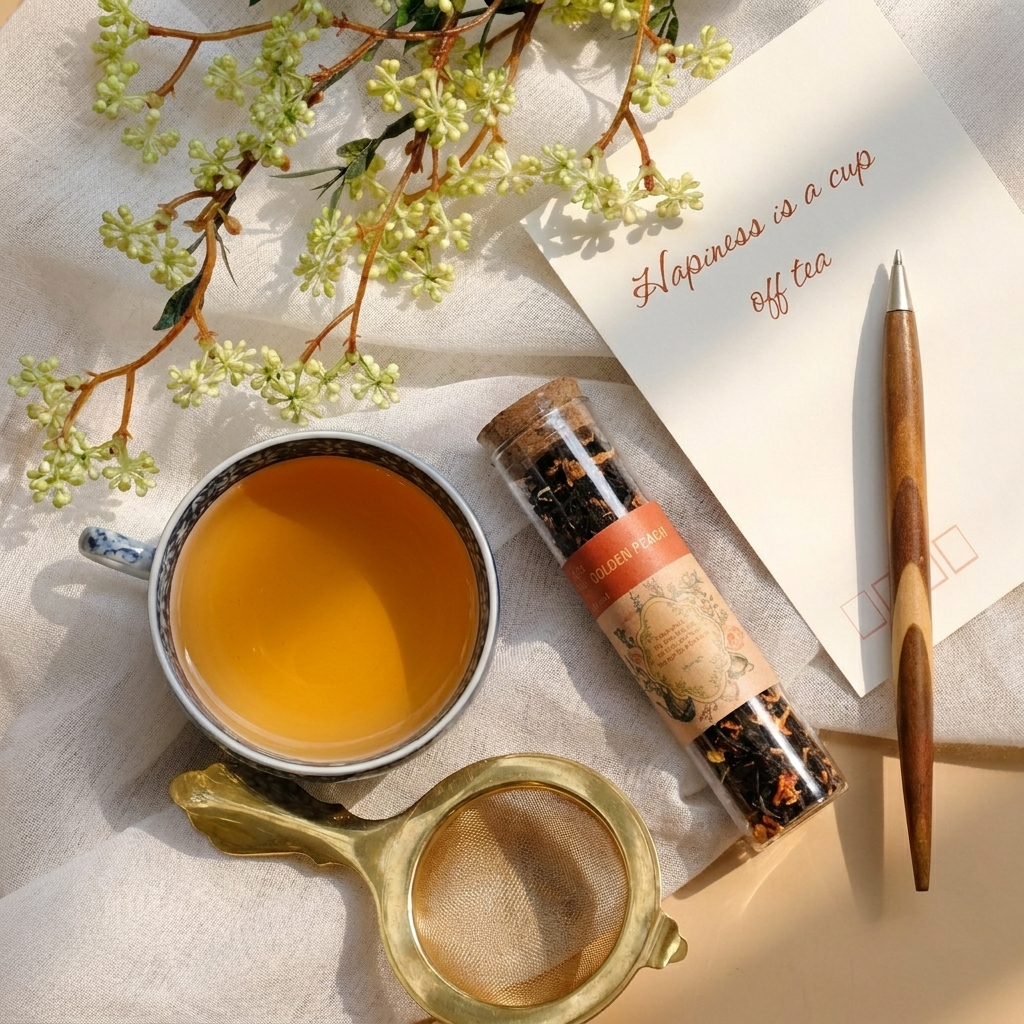
Beyond the main brewing steps, the workshop covers several specific techniques that elevate your skill from novice to competent. These micro-skills ensure consistency and respect in serving.
- Decanting with a faircup: You learn to pour from the main vessel into a faircup first. This mixes the flavors so every cup tastes the same, avoiding the common mistake of serving one strong cup and one weak one.
- Serving etiquette: The session highlights the proper way to pass a cup to a guest. In Vietnamese culture, this gesture is a sign of care, and the angle and height of the pour carry social meaning.
- Water temperature management: You practice judging the heat of the kettle, a skill that is hard to learn from a book but easy to grasp with a thermometer and guidance.
By the end of the session, you have moved from a passive guest to an active brewer, equipped with the practical knowledge to prepare your own tea at home.
Setting the Stage: The Ritual of the Vietnamese Tea Table
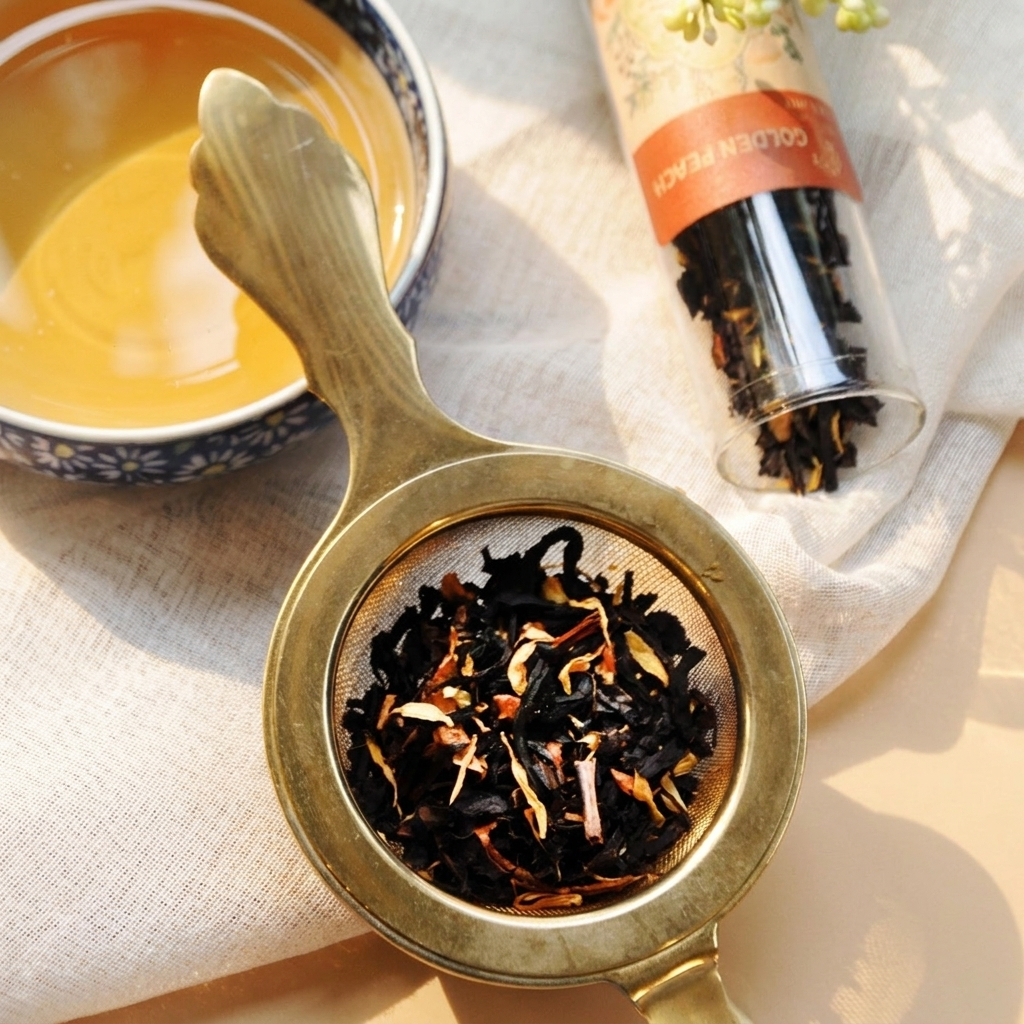
In a typical Ho Chi Minh City tea preparation experience, the room itself becomes part of the lesson. The atmosphere is quiet and mindful, stripping away the performance aspects often associated with formal ceremonies to focus instead on genuine connection. This environment invites participants to slow down, listening to the soft rush of water hitting porcelain and inhaling the distinct, grassy scent of fresh leaves. The visual rhythm of the room, defined by the precise placement of small vessels, sets the tone for a session that values presence over speed.
The Importance of the Tea Stage
Organizing the workspace is the first practical step in learning how to prepare Vietnamese tea. The tea stage is the small, dedicated table setup where all tools are arranged within easy reach. By placing the teapot, cups, and water pitcher in a specific order, you create a logical flow that prevents rushing during the brewing process. This arrangement is not arbitrary; it reflects a clear intent to maintain control and calm while handling hot water and delicate leaves. A well-organized stage allows the brewer to move smoothly between tasks, ensuring that the focus remains on the interaction with the tea rather than on searching for tools.
Tea as a Gesture of Care
In Vietnamese culture, serving tea is a physical expression of hospitality and care. The act of pouring and offering a cup is a way to bridge social gaps and show respect to a guest. When you learn tea ceremony techniques in a workshop, you are not just memorizing steps; you are understanding the social weight behind each motion. The precision of the pour ensures that every guest receives the same strength and flavor, symbolizing equality and shared experience. This cultural context transforms a simple beverage into a meaningful exchange, where the physical actions of the brewer directly reflect the value of the relationship being built.
From Guest to Brewer: The Practical Skill Set
A typical Vietnamese tea workshop follows a clear three-part arc: an introduction, a guided ceremony, and step-by-step practice. You start as a guest, receiving and observing, before shifting into the role of the brewer. This structure helps beginners manage the learning curve by separating observation from action.
The Guest Phase: Feeling the Flow
Before touching a kettle, you watch. The instructor performs a complete tea ceremony, allowing you to feel the rhythm and sequence of movements. This guided phase is crucial for reducing anxiety. By seeing the entire process unfold, you understand how the pieces connect. You absorb the pace, the timing, and the attention to detail required. For many participants, this first observation turns a complex ritual into a manageable series of steps.
The Brewer Phase: Hands-On Guidance
Once you move to the practice stage, the instructor acts as a guide. They help correct your grip on the brewing vessel and adjust your water temperature in real-time. Key lessons focus on the timing of infusions. The first steep is often shorter to avoid bitterness, while subsequent infusions may require longer contact times. The instructor points out when to decant, ensuring each cup has a consistent strength. This hands-on feedback loop helps you build muscle memory.
Understanding the Logic, Not Just the Steps
The goal of this tea preparation experience is not to memorize a rigid performance. Instead, you learn the logic behind each action. Why does the vessel need warming? Why is the water at this specific temperature? When you understand the ‘why,’ you can adapt the technique at home. A simple gaiwan or teapot in your kitchen can achieve similar results if you grasp the core principles. This adaptability is what makes the skill valuable long after the workshop ends.
| Phase | Focus | Instructor Role |
|---|---|---|
| Introduction | Context & Teaware | Explains basics |
| Guided Ceremony | Observation | Demonstrates flow |
| Hands-On Practice | Execution | Corrects technique |
Vietnamese Tea Workshop FAQ
Do I need experience to join a tea preparation class in Ho Chi Minh City?
No. Most sessions are designed for complete beginners. Instructors assume no prior knowledge of tea or traditional brewing methods. The environment is meant to be welcoming, so you can learn the basics of how to prepare Vietnamese tea without feeling out of your depth.
What is the difference between a tasting and a workshop?
A tea tasting focuses on flavor profiling. You sample different types of tea to understand their aroma and taste. A hands-on workshop, however, teaches you the actual technique. You learn to heat the water, measure the leaves, and manage the infusion time yourself. The goal shifts from enjoying the drink to mastering the skill of serving it.
Can I use these skills at home?
Yes. The sessions are practical rather than theoretical. You leave with a clear understanding of how to set up a simple tea station in your own kitchen. The techniques taught are adaptable, meaning you can use standard household items like a kettle and a basic teapot to recreate the experience. You do not need specialized equipment to start brewing at home.
How long do these sessions last?
Most classes run between 90 minutes and two hours. This timeframe allows enough time for the instructor to demonstrate the ritual, followed by a dedicated hands-on practice segment. You have sufficient time to make mistakes, receive feedback, and feel confident in the process before the session ends.
Final Thoughts
The true value of a tea preparation experience lies not in the cup you taste, but in the skill you carry home. When you move from simply receiving a drink to actively learning the ceremony, the ritual transforms into a personal connection with Vietnamese hospitality. Finding a Vietnamese tea workshop in Ho Chi Minh City offers more than a momentary pleasure; it provides a durable, practical way to engage with the city’s culture on a deeper level. Instead of a fleeting souvenir, you leave with a set of refined techniques that allow you to share that warmth with your own family and friends long after your trip ends.
Next time you plan your itinerary, try searching for hands-on sessions or a Ho Chi Minh City tea class specifically. This small adjustment turns a standard tourist stop into a memorable, personal journey. You will find that the quiet rhythm of pouring water and the careful attention to detail create a lasting travel memory that no photo can quite capture.