On This Page· 6
Your shoes still hold the heat of the pavement. You step out of the motorbike queue and into a room where the only sound is the quiet clink of a glass. This is a Vietnamese tea tasting in Ho Chi Minh City session, but not as a spectator event. You are not just drinking; you are being guided through a four-part sensory method that transforms a simple cup into a structured analysis.
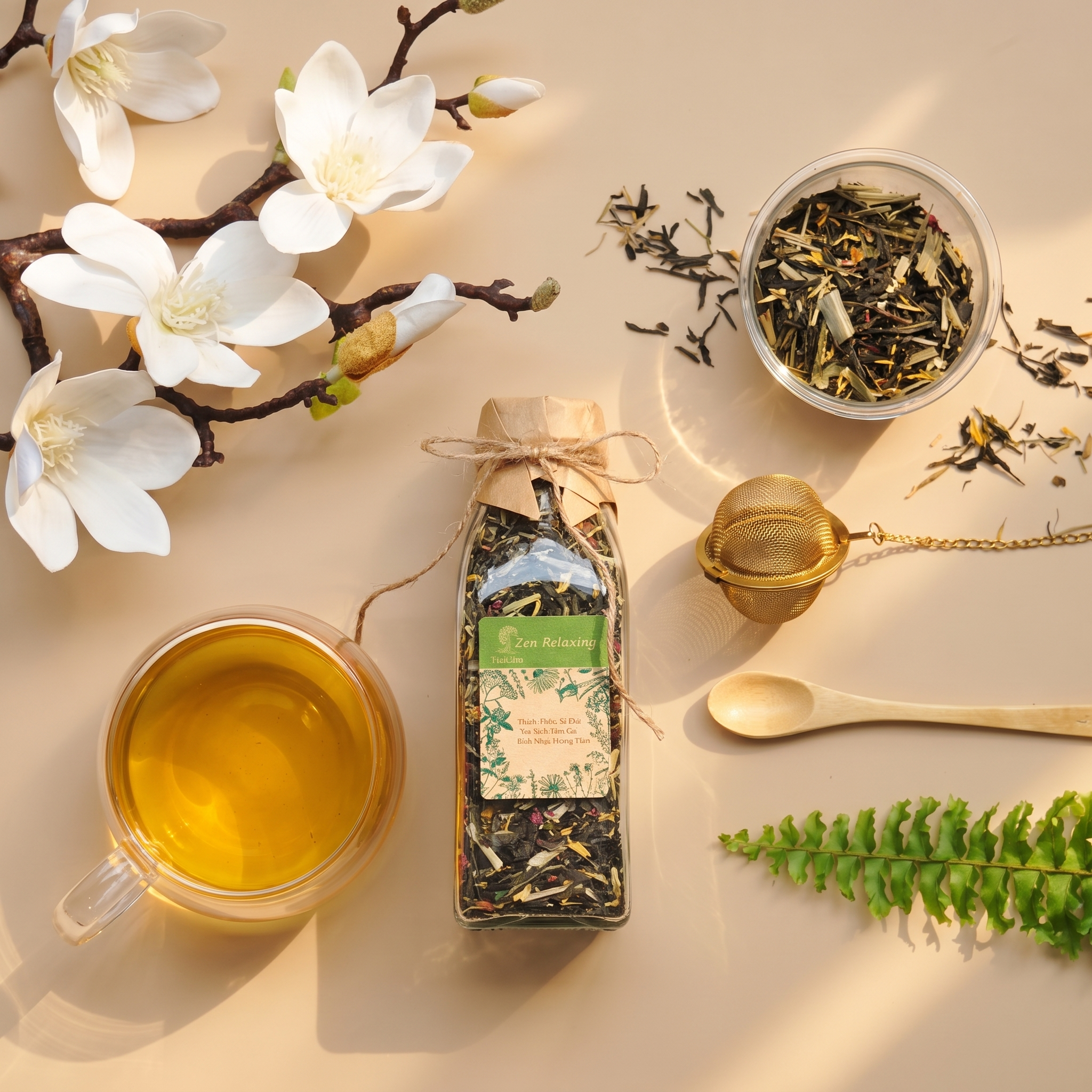
Think of this as your pre-visit briefing. The experience is designed specifically for tea tasting for two HCMC travelers, making it an intimate, conversational moment rather than a large-group workshop. You and your partner will move through the process together, building a shared vocabulary for quality. This guided tea experience focuses on seeing, smelling, sipping, and feeling the tea, ensuring that when you leave, you understand exactly what makes a particular leaf special.
The first thing you see: reading the leaf and the cup
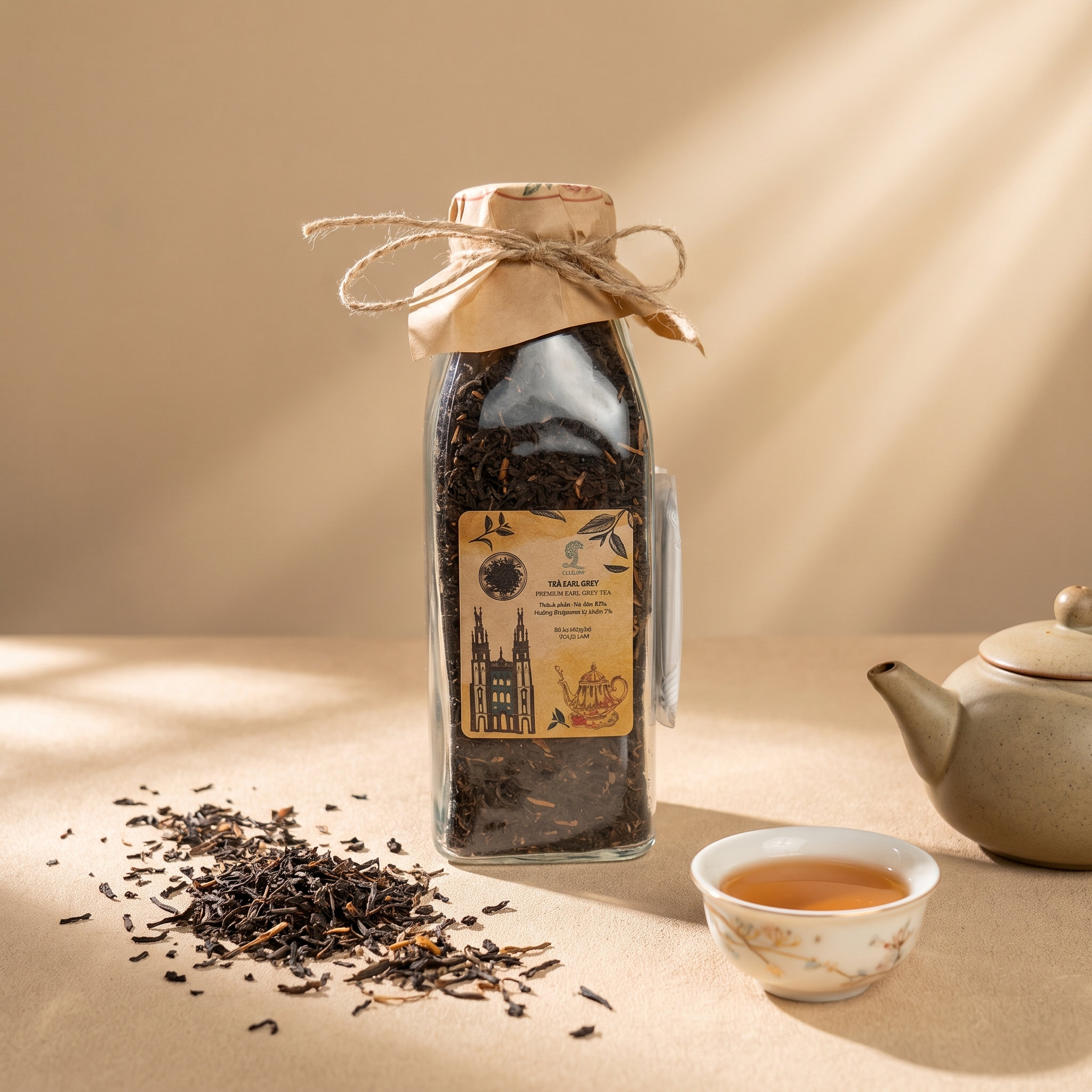
Before you take a single sip, the guided tea experience begins with your eyes. In this session, you are not just drinking; you are being taught to evaluate. The host starts by showing you the dry leaf, the unsteeped tea, to build your visual vocabulary. This is the first checkpoint of the four-part sensory method that defines a professional tasting.
Inspecting the dry leaf
When the host holds the unsteeped leaves up to the light, they are looking for uniformity and specific markers of quality. You will be pointed toward the buds, the tiny, soft tips of the plant. Buds are a hallmark of high-grade tea, often turning golden in black varieties or silver in white teas. Conversely, a high number of woody stems is a common sign that the tea was not sorted carefully, often indicating a lower grade. By identifying these features now, you gain the ability to distinguish quality when you are selecting leaves for purchase later in your trip.
Checking the wet leaf and the cup
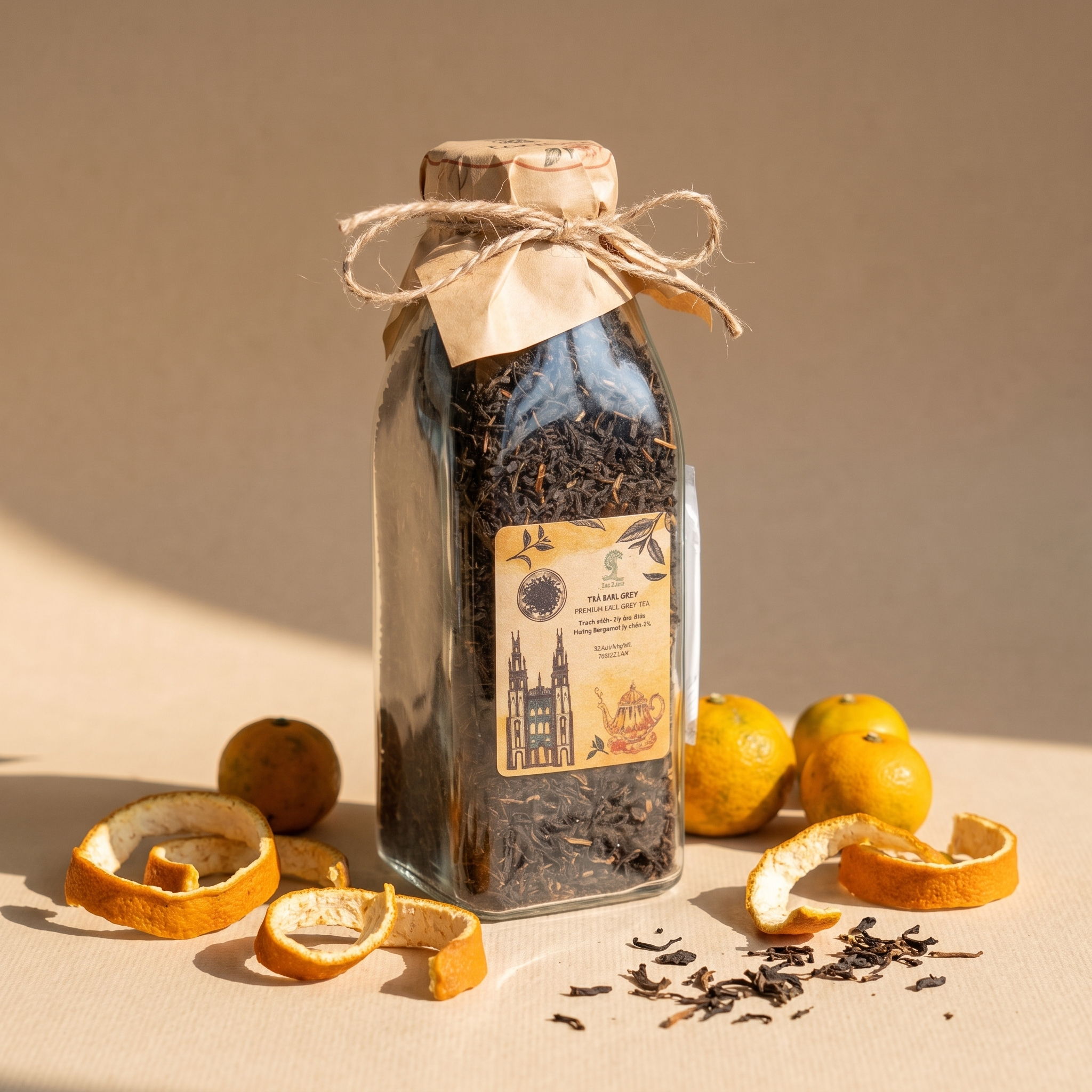
Once the water is poured, the visual check continues. You examine the unfurled leaves at the bottom of the pot. The way they expand can reveal clues about the processing method used by the farmer. Then, you look at the liquid itself. A clear, bright color suggests a well-made tea, while a murky appearance might point to potential defects or over-extraction. This stage helps you gauge the strength and purity of the brew before it even reaches your nose.
Building a shared vocabulary
Since you are here as a pair, this is a moment for collaboration. The host encourages you and your partner to observe the leaf and the cup individually, then compare your impressions. One of you might notice the brightness of the liquid, while the other spots the uniformity of the buds. This exchange creates a shared language for quality. By the time you start tasting, you are no longer just guessing; you are analyzing a beverage you have already evaluated visually. This shared observation is a key part of the tea tasting for two dynamic, ensuring that both of you are aligned before the aroma and flavor work begins.
The two-breath method: separating aroma from flavor
In a guided tea experience, the second step moves your attention from the eye to the nose. This is where the two-breath method comes into play, a technique designed to help you distinguish between what you smell and what you actually taste. For a tea tasting for two in HCMC, this phase is often where the conversation between partners deepens, as each person catches different nuances in the steam.
The first breath: reading the steeped leaf
The initial inhalation is not directed at the cup, but at the open pot containing the steeped leaves. You are looking to capture the fragrance of the wet leaf, which reveals subtle notes often masked in the liquid. While the tea in your cup offers a complex blend of flavors, the aroma of the steeped leaf is often the easiest place to tell subtle differences between teas with similar profiles. For instance, delicate hints of rosewater or honey might be hidden by the heavier body of the drink, yet they pop immediately in the steam from the pot. This breath gives you a clean, unfiltered sense of the tea’s character before any liquid touches your tongue.
The second breath: capturing the volatile steam
The second breath is taken from the cup itself. Here, you are inhaling the lightest water-soluble compounds that float on the surface steam. This is a different sensory input than the first; it is lighter and more immediate. Understanding this difference is key to a sophisticated evaluation. What you smell from the cup is the “top note” of the tea, while what you taste will be the full body. By separating these two inputs, you build a more accurate mental map of the beverage. The host will guide you to note how these scents change as the tea cools, a process that reveals the depth of the blend.
Mastering the technique
The physical act of breathing matters as much as the source of the scent. Breathe in through the nose with the mouth closed to ensure all air passes over your olfactory receptors. When you exhale, slow the process down; this allows the full aroma to register rather than rushing past your senses. This is a skill that improves with practice, and the host will coach you on the timing and depth of each breath in real time. If you feel you are missing notes, take a moment to reset, focusing on the rhythm of the air. This mindful approach turns a simple sip into a detailed analysis, helping you identify exactly why you prefer one Vietnamese tea tasting experience over another.
Slurping to aerate: how to taste the flavor
Many guests arrive with the polite reflex to sip quietly, fearing that making noise is impolite. The host will quickly correct this. In a guided tea experience, you are encouraged to slurp loud and proud. This technique is borrowed directly from wine tasting, where the physical act of introducing air is as important as the liquid itself. For two people sharing a table, this shared, slightly chaotic sound creates a comfortable break in the formality of the session.
The mechanical action of slurping
The goal is not just to drink, but to aerate. When you take a quick, sharp intake of liquid through your mouth, you pump oxygen into the tea. This action breaks the surface tension of the liquid and releases volatile compounds that were trapped. Without this aeration, the flavor profile remains muted. The air helps the tea interact with the entire surface of your tongue simultaneously, rather than just the front. In this Vietnamese tea tasting in Ho Chi Minh City, you will learn to make this action look effortless, even if your first attempt sounds less than graceful.
Guiding the liquid across the palate
Once the tea is in your mouth, do not let it sit in one spot. Perform what is often called a “tongue tour.” Move the liquid from east to west, then north to south, ensuring it touches the tip, the sides, and the back of your tongue. Each area of the palate detects different aspects of taste and texture. The sides detect saltiness and bitterness, while the front registers sweetness. By actively moving the liquid, you engage all parts of the palate at once. This method ensures you do not miss the subtle nuances that a casual sip might hide.
Articulating your impressions
Describing what you taste can feel difficult for beginners. The host will help bridge this gap using a tasting wheel or specific examples. For instance, a lightly rolled Darjeeling First Flush has been described as tasting like banana peel and bubble gum. These concrete analogies help you find your own words. You might taste a note of citrus, a hint of wood, or a floral finish. Using these shared descriptors, you and your partner can compare notes immediately. This builds a common language that makes the entire session more interactive and memorable. If you are unsure, the host will offer prompts to help you identify the specific character of the leaf.
Mouthfeel and the lingering finish
The final two elements of the tasting method move beyond aroma and basic flavor to assess the physical presence of the tea. While many casual drinkers stop at identifying notes like citrus or floral, a professional guided session asks you to evaluate how the liquid feels in the mouth and how it leaves behind an impression after swallowing. These two criteria distinguish a flat cup from a high-quality brew.
The texture of the liquid
Mouthfeel refers to the weight, texture, and body of the tea as it rests on your tongue. It ranges from light and crisp, like a dry green, to thick and luscious, resembling the viscosity of a creamy silver needle white tea. In this session, the host will ask you to pay attention to the density of the liquid. Is it watery and thin, or does it have a substantial, creamy presence? This physical quality is just as important as the flavor notes you identified earlier. A well-made tea should feel rounded and complete, coating the palate with a smooth, viscous layer that adds depth to the drinking experience.
To understand why this matters, consider the “empty box” analogy often used in professional circles. A tea can have strong, distinct flavors, but if it lacks body, it feels hollow, like loud wrapping paper covering an empty box. The sound is there, but the substance is missing. In contrast, a high-quality leaf, such as a refined white or black tea, provides a creamy, viscous body that supports the flavor, making the cup feel full and satisfying. As you taste the samples in this guided tea experience, focus on that sense of fullness. You are looking for a liquid that feels substantial rather than thin.
The closure of the story
The finish is the echo that remains after you have swallowed. It is the final checkpoint in the evaluation process, marking the end of the current tea before you move to the next one. To assess it properly, you should close your eyes for a moment and wait. Do not rush to the next step. Instead, observe what lingers on your palate. Is there a sweet aftertaste, a subtle glow of freshness, or a gentle warmth? This lingering sensation is the tea’s way of saying goodbye, and its quality tells you a great deal about the leaf’s integrity.
A good finish is gentle and lasting. It should fade slowly, leaving a pleasant memory in the mouth. Conversely, a poor finish is abrupt, cutting off sharply or leaving a bitter, astringent note that lingers unpleasantly. The host will guide you to notice this transition, helping you distinguish between a sharp end and a smooth, graceful closure. In this tea tasting for two HCMC, you and your partner will be encouraged to note these final impressions individually. Because the finish is the last element you taste, it carries significant weight in determining whether you would enjoy that tea again at home. If the echo is sweet and long, it is a sign of a well-processed, high-quality leaf that is worth remembering.
This evaluation is the final step before the host introduces the next variety. By learning to identify a rich mouthfeel and a lingering, positive finish, you develop the skills to appreciate the full complexity of Vietnamese tea, making your future choices more informed and your enjoyment more profound.
Practical tips for your Saturday booking
A well-prepared palate makes all the difference in a Vietnamese tea tasting in Ho Chi Minh City. You don’t need to be an expert, but a few small adjustments to your morning routine will help you hear the tea more clearly. Think of this as tuning an instrument before you play the first note.
Prepare your palate the right way
Schedule your session for the morning. Your senses are sharpest before the day’s noise and food have dulled them. Avoid strong flavors for breakfast—ginger, heavy spices, or even overly sweet pastries can leave a lingering taste that masks the subtle notes of the tea. Stick to something light and neutral so your tongue is clean and ready to receive new signals.
Bring the right snacks
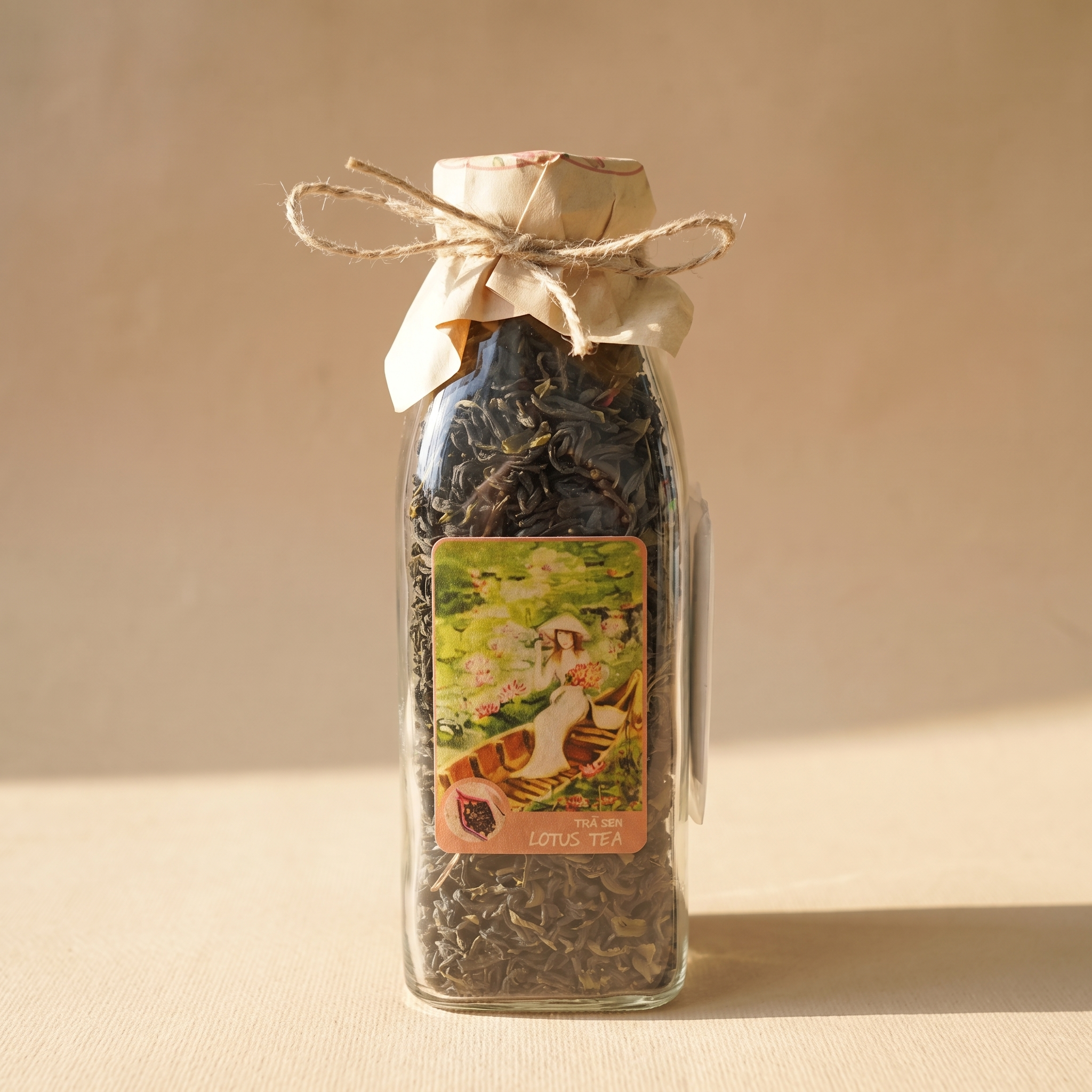
Between each cup, a small refresh can reset your perception. Keep a few unsalted nuts or simple crackers on hand. These neutral items cleanse the palate without introducing competing flavors. Avoid sweets, herbs, or anything strongly flavored, as they will cloud your ability to distinguish the delicate nuances of the next tea.
Make it a shared practice
For a tea tasting for two HCMC experience, the best insights often come from comparing notes. Try not to discuss a specific tea until you have both finished your initial sip. This keeps your impressions unbiased and fresh. Once you’ve both tasted it, share what you noticed. Did you detect a similar note of fruit or wood? Comparing your observations helps deepen your understanding of the drink’s structure.
Keep it light and fun
Remember, the goal is to enjoy a simple drink, not to pass an exam. If the atmosphere feels too serious, take a breath, adjust your posture, and relax. A guided tea experience should feel like a conversation, not a lecture. When you enjoy the moment, the details reveal themselves naturally, making the entire process more memorable and less stressful for you and your partner.
Frequently asked questions about tea tasting in HCMC
Do you need to be a tea expert?
No. The session is designed for travelers, not professionals. A common worry is that you need years of experience to follow along, but the host provides a clear framework covering visual appearance, aroma, flavor, mouthfeel, and finish. You simply follow the steps in real time. This guided format turns a complex skill into an accessible, conversational experience for two people.
How long does the session take?
A typical tea tasting for two in HCMC spans 1 to 1.5 hours. This duration allows enough time to steep multiple varieties, discuss the sensory notes, and ask questions. The exact length can vary slightly depending on the number of teas featured, but it is structured to feel unhurried rather than rushed.
Can you bring your own tea?
Yes, with a small caveat. While the session focuses on the curated selection provided by the host, you are welcome to bring a small sample of your own tea for a brief comparative note. Just ensure it does not overpower the ambient aroma of the tasting room. A quick side-by-side comparison can be a fun way to see how your everyday tea stacks up against the local varieties.
Do you have to buy tea?
The session is educational, so there is no pressure to purchase. However, the teas you taste are often available for purchase on the spot. If a specific leaf resonates with you, it is easy to take it home as a Vietnamese gift. This makes it a practical way to find a meaningful souvenir that you have already vetted for quality and flavor.
You have just walked through the full sensory journey, from inspecting the dry leaf to savoring the final, lingering finish. Understanding this narrative transforms a simple cup of tea into a story you can share with confidence. This depth of appreciation is what makes a Vietnamese tea gift genuinely meaningful; it is no longer just a product, but a shared experience rooted in the land’s unique character. When you are ready to choose a tea that carries this story, our team is here to help you find the right match for your recipient, with refined packaging that makes it easy to choose and suitable for gifting.
