On This Page· 6
Step into a souvenir shop in the Old Quarter, pick up a plastic dragon keychain, and the moment feels hollow. It looks like it belongs in a hotel lobby, not on your home shelf. This is the “keychain problem” many travelers face in Hanoi: spending hours wandering only to end up with mass-produced items that lack a real connection to the place. The solution is not to buy less, but to know exactly where to look. This guide helps you find Vietnamese gifts that carry genuine cultural weight, allowing you to walk away with a story rather than just a trinket. The 48-hour constraint actually works in your favor, sharpening your focus on high-value stops where you can engage with local artisans and understand the craft behind your purchases. You do not need to visit every market to find authentic items; you only need to know which few locations matter.
Why the Old Quarter is the only place to shop with intent
Most Hanoi markets sell identical keychains and plastic magnets. These items move well, but they rarely tell a story. The Old Quarter offers a different experience. It concentrates artisanal and locally loved brands within a walkable radius, allowing you to shop with intent rather than impulse. This is where real cultural souvenirs live, distinct from the generic tourist trinkets found elsewhere in the city.
The 48-hour advantage
Having only two days sounds tight, but it is actually an advantage. Instead of trying to cover every street, narrow your search to three or four key stops. This time-boxed approach prevents exhaustion and creates space for genuine conversation with shop staff. You might spend twenty minutes watching a stamp engraver at work or discussing the notes of a specific tea blend. This depth of interaction is impossible in a rushed, all-day market crawl.
The power of cultural storytelling
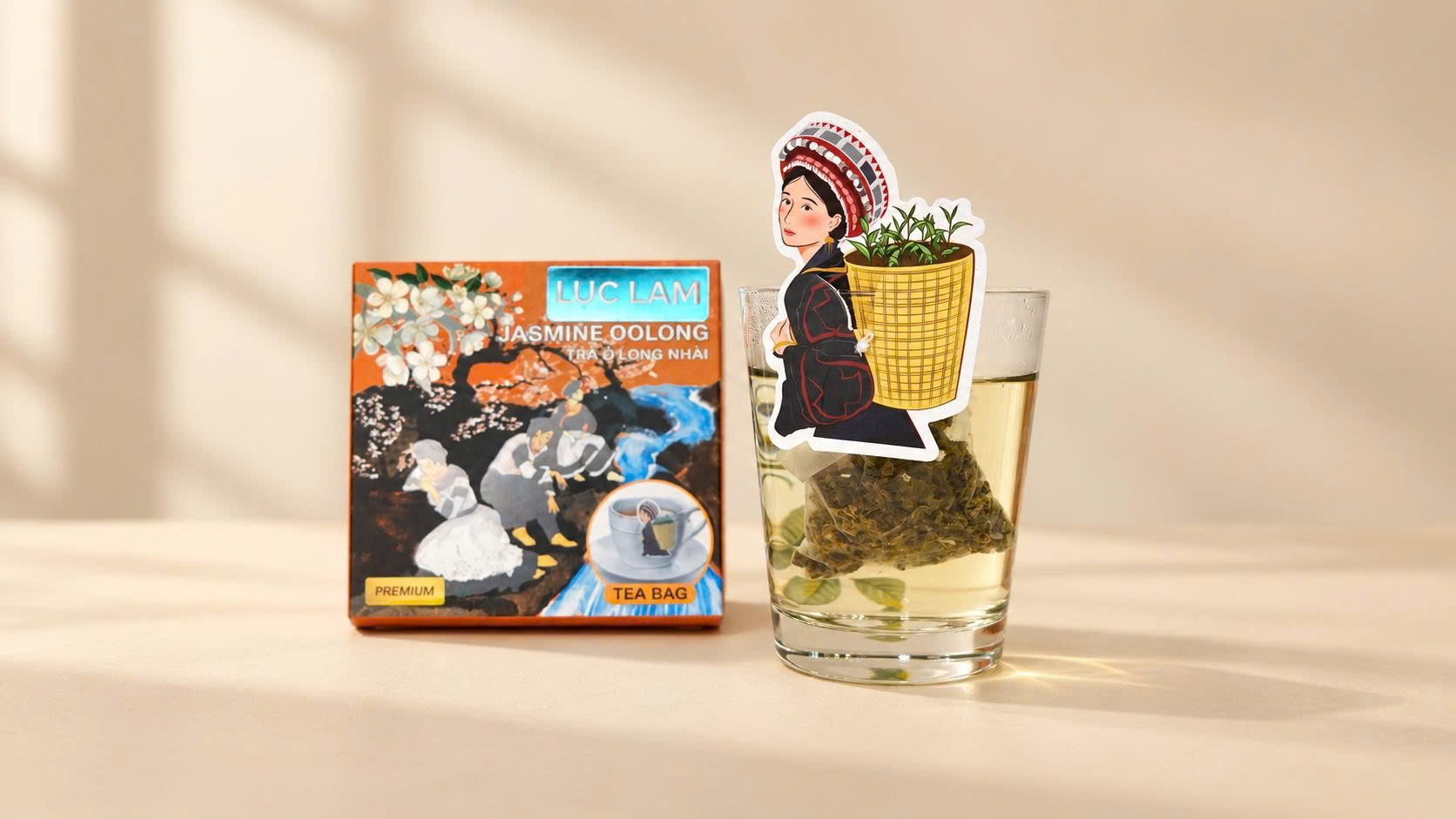
The true value of a Vietnamese gift lies in the narrative you can share with the recipient. Cultural storytelling is the practice of explaining the origin and craft behind an item. When you hand someone a box of hand-picked jasmine tea or a custom-engraved seal, you are not just giving a product; you are sharing a slice of authentic Vietnam. This narrative connection transforms a simple object into a memorable keepsake. Focus on items with a clear artisan origin story, and you will avoid the cliché of generic souvenirs. The goal is to walk away with a piece of history, not just a piece of plastic.
Where to find handmade Vietnamese gifts that locals actually use
Many cultural souvenirs in the Old Quarter suffer from a fatal flaw: they are made for export, not for local life. If you want a gift that carries genuine weight, skip the keychain shops and head to Phuc Loi Stamps, a small studio tucked near the historic core of the district. Here, you can create a seal with your own name or a personal symbol, turning a traditional Vietnamese practice into a deeply personal keepsake.
The craft behind the gift
Walking into the shop offers a rare form of cultural immersion. Instead of just picking up a pre-boxed item, you can watch the engraving process up close. The artisan carefully cuts the design into the seal’s surface, a skill that has been part of Vietnamese correspondence for centuries. It transforms the purchase from a transaction into an observation of living heritage. This kind of handmade gifts experience is difficult to replicate elsewhere; you are not just buying an object, but the story of how it was made.
Why this beats the generic option
Generic souvenirs often feel disposable, like plastic items that belong in a hotel lobby rather than on a bookshelf. A customized stamp avoids this cliché entirely. It serves as a personalized memento that your recipient can actually use. Whether they use it to seal letters, decorate journals, or simply display it, the object has a function and a history. It signals that you took the time to engage with authentic Vietnam beyond the surface level.
Budgeting for the experience
Cost is a common concern for travelers, but this option fits comfortably within a reasonable travel budget. Ready-made stamps, which feature traditional designs or generic patterns, start around 70,000 VND. This makes it an accessible entry point for those who want to support local craftsmanship without a large financial commitment. The price reflects the labor involved in creating a one-of-a-kind item, ensuring that the Vietnamese gifts you bring home are distinct from the mass-produced trinkets sold in every tourist market.
Choosing authentic Hanoi tea and coffee for home gifting
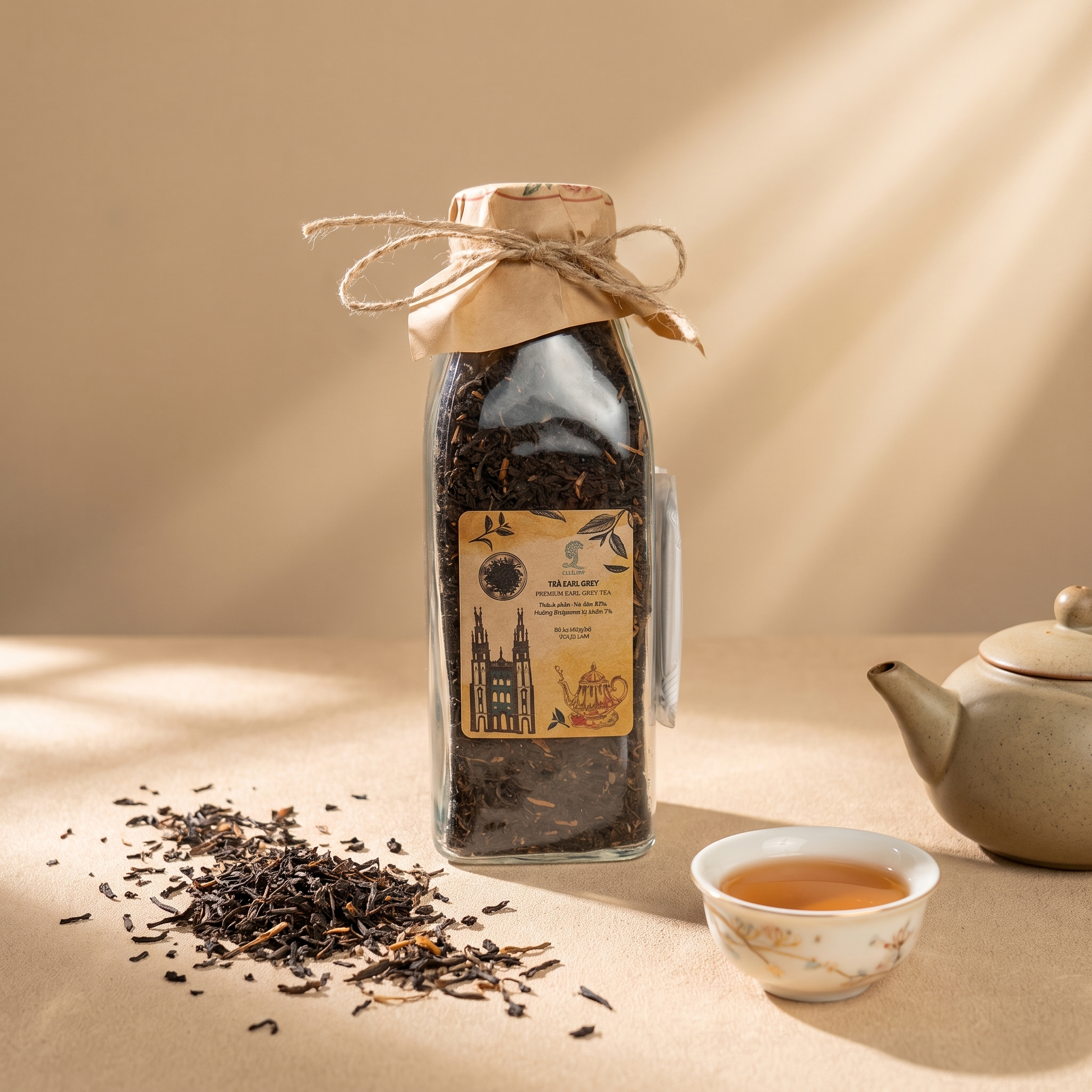
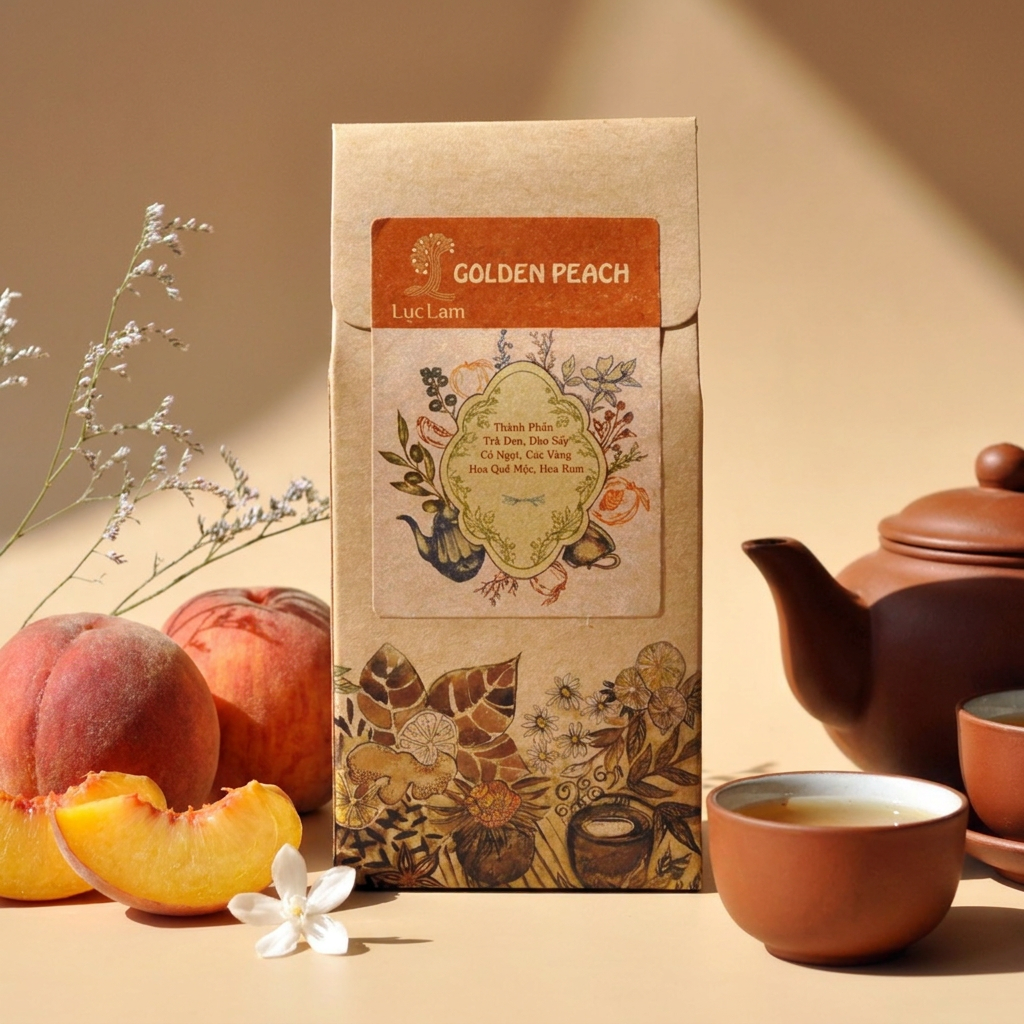
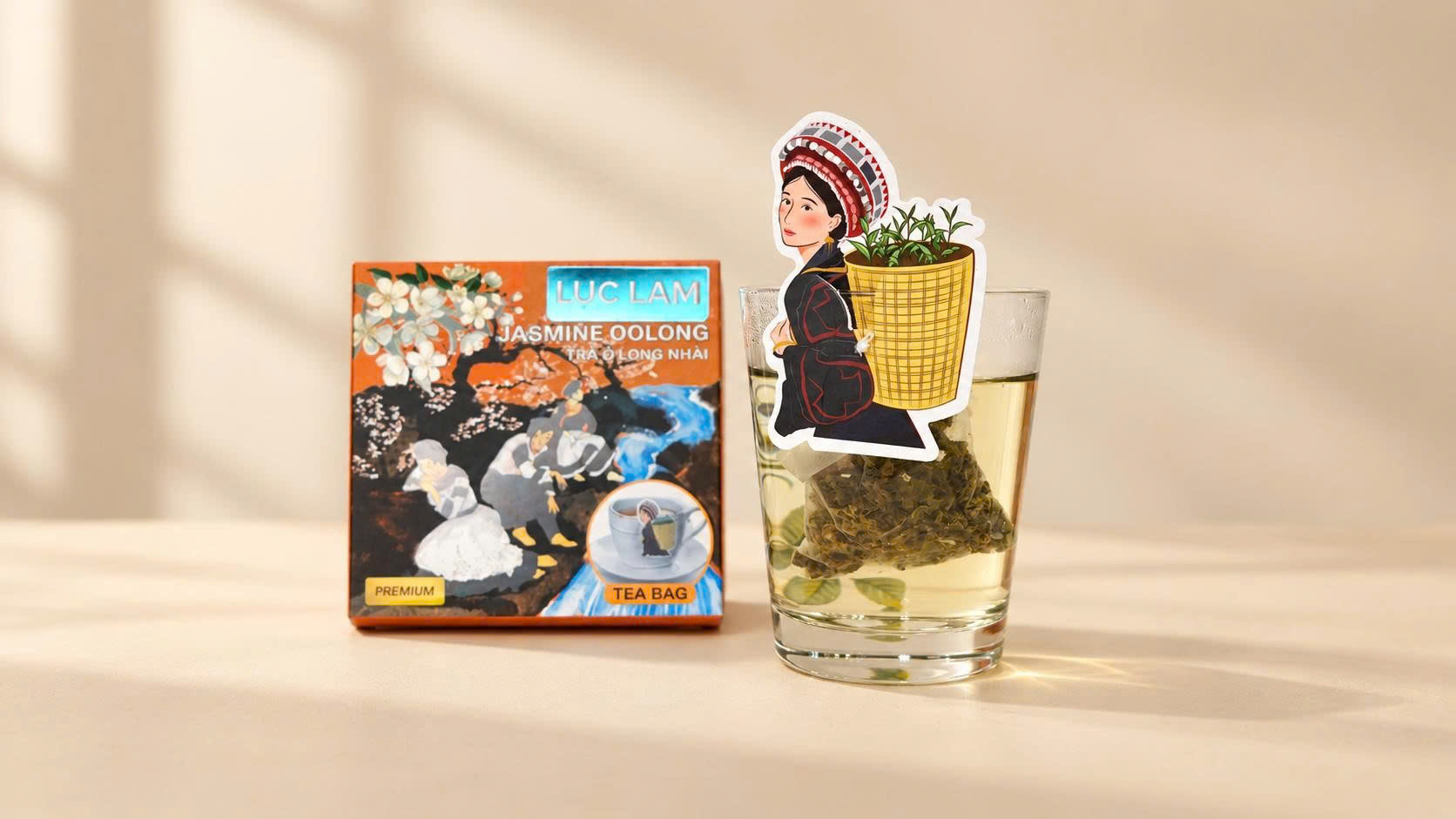
When selecting Vietnamese gifts for family or colleagues, tea and coffee offer a refined alternative to typical souvenirs. Among local brands, Phuc Long Tea stands out for its popularity among residents, particularly for its jasmine and herbal varieties. These boxes are accessible at 37,000 VND, making them an easy choice for travelers seeking authentic flavors without a high price tag. The packaging is clean and traditional, often featuring artistic depictions of Vietnamese culture, which adds a layer of storytelling to the gift.
Modern twists for the coffee lover
For recipients who prefer a contemporary profile, Cong Coffee is a strong contender. This brand is known for its high-mountain jasmine milk tea and roasted coffee beans, which capture a modern interpretation of Vietnamese beverage culture. A box of Cong Coffee typically costs around 70,000 VND, offering a slightly more premium feel while maintaining the same local authenticity. Unlike generic tourist products, these items reflect current trends in Hanoi’s café scene, providing a taste that feels fresh and connected to the city’s daily rhythm.
Packaging that impresses
The distinction between a casual snack and a suitable gift often lies in the presentation. Both Phuc Long and Cong focus on refined packaging that elevates the product beyond simple street food. This attention to detail makes them appropriate for gifting to bosses or business partners, as they convey care and consideration. By choosing these locally loved brands, you move away from mass-produced trinkets toward items that carry a genuine cultural origin story, ensuring your Vietnamese gifts feel personal and meaningful.
Snacks and chocolates: the practical side of Hanoi shopping
For many travelers, edible items represent the most accessible form of Vietnamese gifts because they are easy to transport and universally enjoyed. Unlike fragile ceramics or bulky textiles, snacks and chocolates come in compact, durable formats that survive airport security checks and layovers without incident. This category is particularly strong for office gifting, where you want to provide a treat that colleagues can share without the formality of a full meal set.
The convenience of individually packed treats
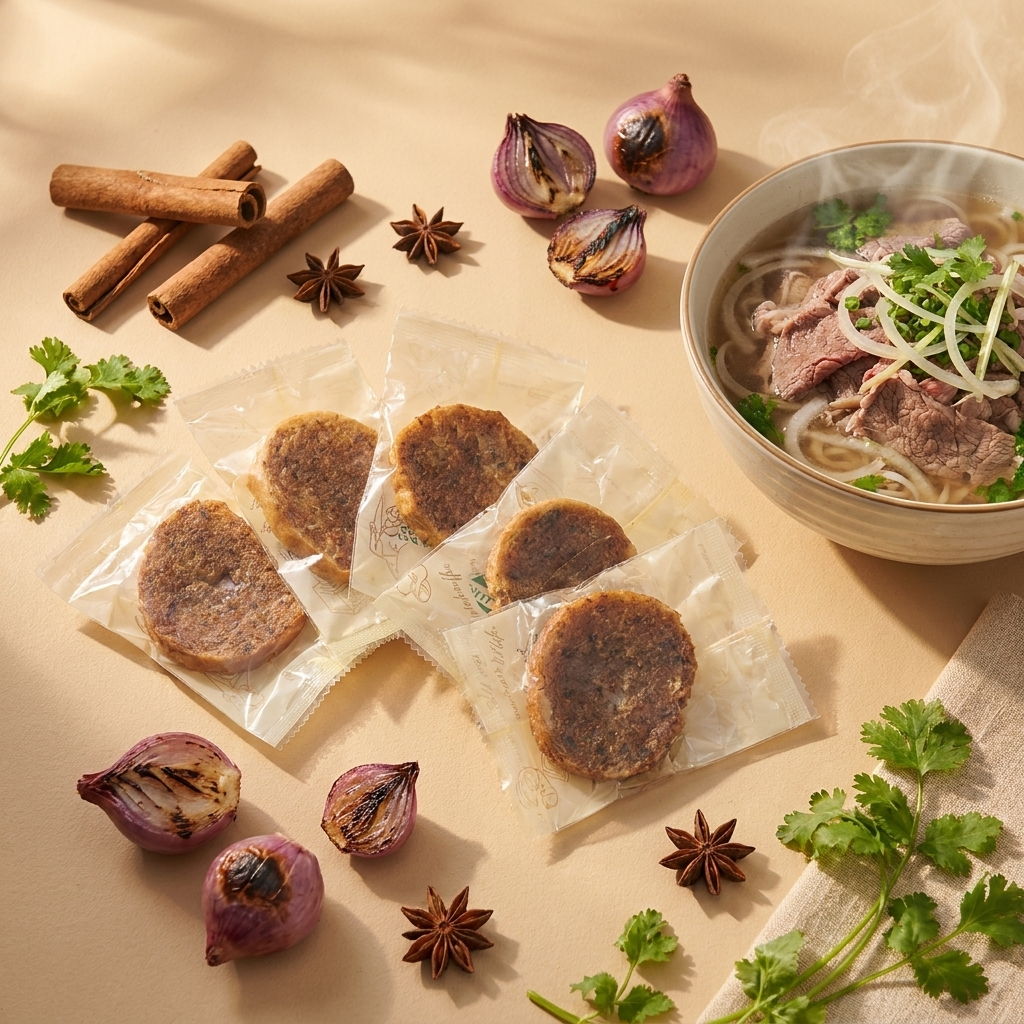
Many Vietnamese snacks are sold in individual packaging, which makes them ideal for handing out to coworkers or family members. This format solves two common problems: portion control and hygiene. When you buy a bulk bag of cookies or crackers, you risk spilling or sharing from the same wrapper. Individual packs allow each person to take what they want, when they want it.
Two brands stand out for this practical approach. A Rice Cracker is a brand exclusive to Vietnam that offers a range of local flavors not found in international markets. The seaweed rice cracker variety, for instance, comes in a pack with over 20 individual servings for around 15,000 VND. Goute is another option, known for snacks that are described as unique and tasting healthy. These items are not just fillers; they are curated cultural souvenirs that offer a taste of local ingredients in a format that is easy to choose and suitable for gifting to a wide range of recipients.
The story behind Alluvia chocolate
If you are looking for something with a deeper origin story, Alluvia Chocolate is a compelling choice. Located within the Old Quarter in Hanoi, the store offers more than just candy. Their 100% dark chocolate is made from pure cocoa from the Mekong Delta, a region known for its agricultural heritage. This connection to authentic Vietnam gives the chocolate a narrative weight that mass-produced confections lack. You can tell your recipient that this is not just chocolate, but a product of a specific Vietnamese terroir.
The budget anchor here is clear and accessible. A small white box of Alluvia Dark Chocolate 100% costs 70,000 VND. If you are buying for a group or want a more substantial handmade gifts option, a box of 10 pieces is available for 120,000 VND. This price point makes it one of the most cost-effective ways to bring home a quality product that reflects the craftsmanship of Hanoi’s artisanal food scene.
Bargaining as culture: how to navigate Hanoi shopping etiquette
Hanoi shopping etiquette treats price negotiation less as a financial transaction and more as a social ritual. For many locals, haggling is a friendly exchange that builds rapport, so approaching it with a smile and a bit of patience yields better results than aggressive tactics. This interaction is a core part of the authentic Vietnam experience, particularly when sourcing cultural souvenirs that reflect genuine local life rather than mass-produced imports.
Shifting the conversation
A practical way to improve your finds is to change your question. Instead of asking a shopkeeper for “tourist favorites,” which often leads to generic, overpriced items, ask for “locally loved bestsellers.” This simple shift signals that you are looking for quality products that have real daily use, often uncovering handmade gifts with higher craftsmanship and better value. Staff members are typically happy to guide you toward items they trust for their own families, steering you away from the clutter of low-quality trinkets.
The cash reality
While digital payments are spreading, most small shops in the Old Quarter remain cash-only. To keep transactions smooth, carry a variety of small bills rather than relying on large notes. Vendors may lack change for big denominations, leading to awkward delays or missed sales. Having exact amounts or small bills ready shows respect for the seller’s time and ensures the moment of exchange remains pleasant. This small detail often makes the difference between a seamless purchase and a frustrating one when hunting for your final Vietnamese gifts.
Frequently asked questions about buying cultural souvenirs in Hanoi
Can I find these same items in Ho Chi Minh City?
You will likely encounter similar brands in Ho Chi Minh City, but the experience differs significantly. Hanoi’s Old Quarter provides a historical backdrop that adds weight to the shopping process. The streets are filled with unique local artisans whose craft you can observe directly, creating a more curated environment. For travelers seeking authentic Vietnam, this atmosphere makes the hunt for cultural souvenirs feel less like a transaction and more like a discovery. The tactile interaction with the space enhances the value of any handmade gifts you purchase.
Is 48 hours enough time to shop properly?
Two days is perfectly sufficient if you limit your scope. Try to focus on three or four key stops rather than attempting to visit every market in the city. A focused itinerary allows you to savor the process, whether that is tasting jasmine tea or watching a stamp engraver at work. This pace ensures you leave with high-quality Vietnamese gifts without feeling rushed. Quality over quantity is the only way to get the most from your time.
What items should I strictly avoid buying?
Steer clear of mass-produced keychains and generic magnets that lack any origin story. These items often appear in every souvenir shop globally and rarely hold sentimental value. Instead, look for products with individual packaging or a clear narrative behind their creation. A tea box from a local roaster or a chocolate bar made from specific Mekong Delta cocoa tells a story that a plastic trinket never could. This distinction is what separates a meaningful memory from a forgotten trinket.
The difference between a mass-produced keychain and a story is what your recipient holds onto long after the trip ends. A genuine Vietnamese gift carries the memory of where you found it, the conversation with the shopkeeper, and the craft behind the item itself. That narrative is far more valuable than the object alone. If you are organizing a larger gifting trip for business partners, reaching out to a specialist can help ensure consistency in presentation and refine the selection process.