On This Page· 5
A bag of dark, intense coffee sits on one side of the wooden counter; a translucent box of golden coconut candy rests on the other. Both are classic Vietnamese gifts, but which one feels more “local” to the person receiving it? The answer is not always obvious. In a busy Ho Chi Minh City shop, it is easy to assume that any souvenir from Vietnam is interchangeable, yet the choice often carries subtle regional signals that the giver may not even notice.
What Vietnamese locals actually buy as food gifts depends heavily on where both the giver and the recipient are from. This regional divide shapes everything from flavor profiles to the social role of the item. A gift that feels personal to a recipient from the north might seem overly sweet to someone from the south, and vice versa. The core question is not simply “what is a good souvenir?” but “which specific local specialty matches this person’s background and taste preferences?”
Vietnam is a long, diverse country where culinary traditions vary significantly from region to region. Understanding this context helps you select a Vietnam food gift that feels thoughtful rather than generic. The goal is to move beyond buying any available item and instead match the product to the recipient’s daily habits and regional identity. By focusing on these distinctions, you ensure the gift extends the experience of your trip rather than just occupying space in a suitcase. This approach turns a simple purchase into a meaningful connection.
Southern Vietnamese food gifts: the sweet Mekong Delta signature
Southern Vietnamese food gifts center on sweet, tropical flavors that reflect the abundant harvests of the Mekong Delta. Unlike the robust, savory profile of the north, the south favors ingredients like coconut, mung bean, and durian, creating a distinct regional signature. When selecting local specialties for friends or family, these sweet treats serve as a clear marker of southern identity, offering a specific taste of the region rather than a generic snack.
The Sweet Mekong Delta Signature
Coconut candy, known locally as kẹo dừa, is the quintessential southern treat. Closely associated with the Mekong Delta, this confection is widely available in Ho Chi Minh City and stands out as a reliable choice for Vietnam souvenirs. Its simple yet satisfying sweetness makes it a staple gift for relatives who appreciate traditional flavors. Because it is dry and shelf-stable, it travels well, though you should still ensure the packaging is sealed to prevent moisture from altering the texture during your journey.
Bánh Pía: A Layered Flavor Experience
If you want to offer a more complex culinary experience, bánh pía is a distinctive southern pastry that deserves consideration. This layered treat typically combines sweet mung bean paste, a rich salted egg yolk, and often durian. The durian variant, in particular, creates a powerful aroma and a unique flavor profile that is unmistakably southern. For those unfamiliar with durian, the non-durian versions with mung bean and egg yolk are a safer yet still authentic introduction to this regional classic. Choosing these items ensures your recipients receive a gift that reflects a specific geographic and cultural heritage.
Practical Buying and Packing Tips
Timing your purchase of bánh pía and other perishable items close to your departure day is crucial. Always check the expiry date on the packaging to ensure the pastry remains fresh during transit. If you opt for the durian version, inspect the seal carefully; the strong odor can permeate luggage if the packaging is not airtight, which may also trigger questions from airport staff regarding transport restrictions. By prioritizing well-sealed, commercially produced items, you manage the challenge of odor and compliance, ensuring the gift arrives in perfect condition. These sweet flavors of southern Vietnam offer a memorable and specific connection to the country, distinct from the more utilitarian gifts found in the north.
Northern Vietnamese food gifts: robust coffee and savory traditions
While the Mekong Delta offers sweet coconut candy, northern Vietnamese gift-giving leans toward stronger, more robust flavors. Coffee is the defining local specialty in this region, reflecting a preference for bold, daily-use staples over delicate sweets. When selecting Vietnamese gifts for someone from the north, the focus shifts from taste indulgence to practical, high-quality daily necessities.
The strength of Robusta vs. the smoothness of Arabica
Vietnamese coffee is a classic choice, available in whole beans, ground form, or drip bags. Understanding the blend is key to choosing the right profile. Robusta-forward blends, which are common in the south but appreciated nationally, are usually stronger and darker. In contrast, Arabica or mixed blends offer a smoother, more nuanced experience. For a recipient who prefers a strong start to the day, a Robusta-heavy pack is the standard. For those with a more sensitive palate, a mixed blend serves as a gentler introduction to Vietnamese coffee culture.
The classic gift: coffee and the phin filter
Coffee plays a central role in northern daily life, making it a timeless and culturally resonant gift. A bag of premium beans or ground coffee is a staple, but pairing it with a small metal phin filter elevates the experience. This simple addition allows the recipient to prepare the coffee in the traditional Vietnamese method, turning a simple souvenir into a ritual. It is an authentic Vietnam gift that offers more than just flavor; it offers a way of living.
| Coffee Type | Flavor Profile | Best For |
|---|---|---|
| Robusta-forward | Strong, dark, high caffeine | Daily drivers, strong coffee lovers |
| Arabica/Mixed | Smooth, balanced, aromatic | Those new to coffee, office settings |
Savory staples: crackers and bánh tráng
Beyond coffee, savory items like rice crackers and packaged bánh tráng are popular northern staples. These are light, practical snacks that fit easily into a suitcase. However, a critical distinction exists between these items: some are ready-to-eat snacks, while others are sheets meant for rolling fresh summer rolls. Since the packaging can look similar, readers must read the labels carefully to ensure they are gifting an edible snack rather than a raw ingredient. This attention to detail ensures the recipient gets a treat they can enjoy immediately.
Practicality over sweetness
The core difference between northern and southern food gifts is their purpose. Southern items are often sweet treats, while northern choices serve a practical, daily-use function. A bag of coffee or a box of rice crackers is something the recipient will use or eat regularly, not just once. This makes them ideal for colleagues or family members who appreciate useful local specialties over occasional sweets. By choosing these robust, daily-use items, you provide a gift that becomes part of their routine, extending the memory of your trip long after you have left.
Where to buy regional Vietnamese food gifts in Ho Chi Minh City
Finding the right venue matters as much as choosing the right item. Ho Chi Minh City offers three distinct shopping environments, each serving a different purpose when sourcing Vietnam souvenirs. Supermarkets provide clear pricing and standardized labels, making them ideal for travelers who want certainty and consistency. Traditional markets like Ben Thanh offer atmosphere and variety, while specialty shops focus on product origin and refined presentation. Understanding these differences helps you match your confidence level and specific item to the right location.
Market vs. Store: Matching the Item to the Venue
Ben Thanh Market is the heart of traditional trading in the city. It is an excellent place to find a wide range of local specialties, from bulk nuts to diverse coffee types. However, the environment requires a careful approach. You must compare prices across multiple stalls and inspect seals meticulously. This is not the place for impulse buys from the first vendor you encounter. If you are purchasing fragile items like bánh pía or fresh pastries, the lack of standardized handling in a busy market can pose risks. A supermarket, by contrast, offers a controlled environment where every item has a printed expiry date and a clear ingredient list, reducing the guesswork for cautious travelers.
The Value of Specialty Shops and Refined Packaging
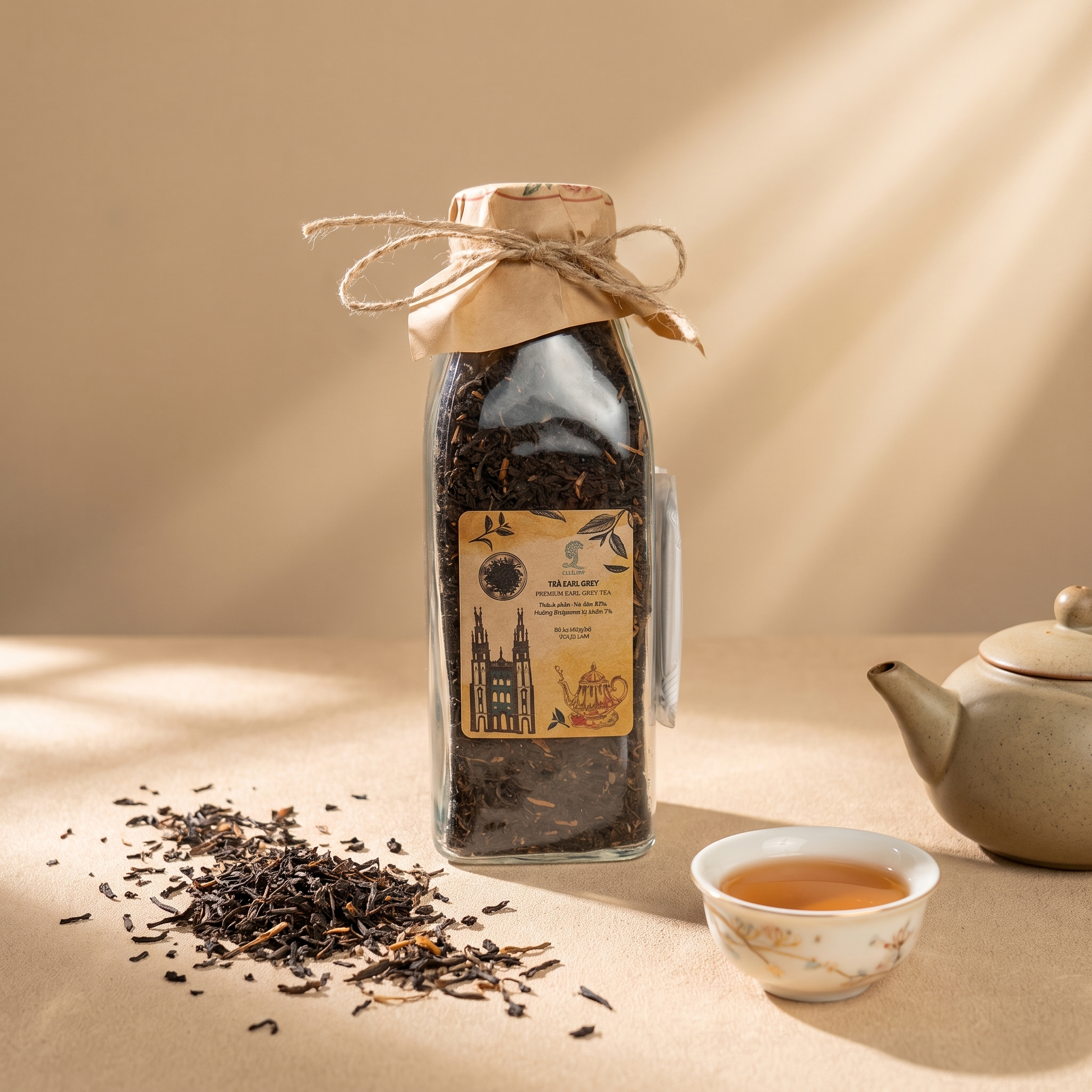
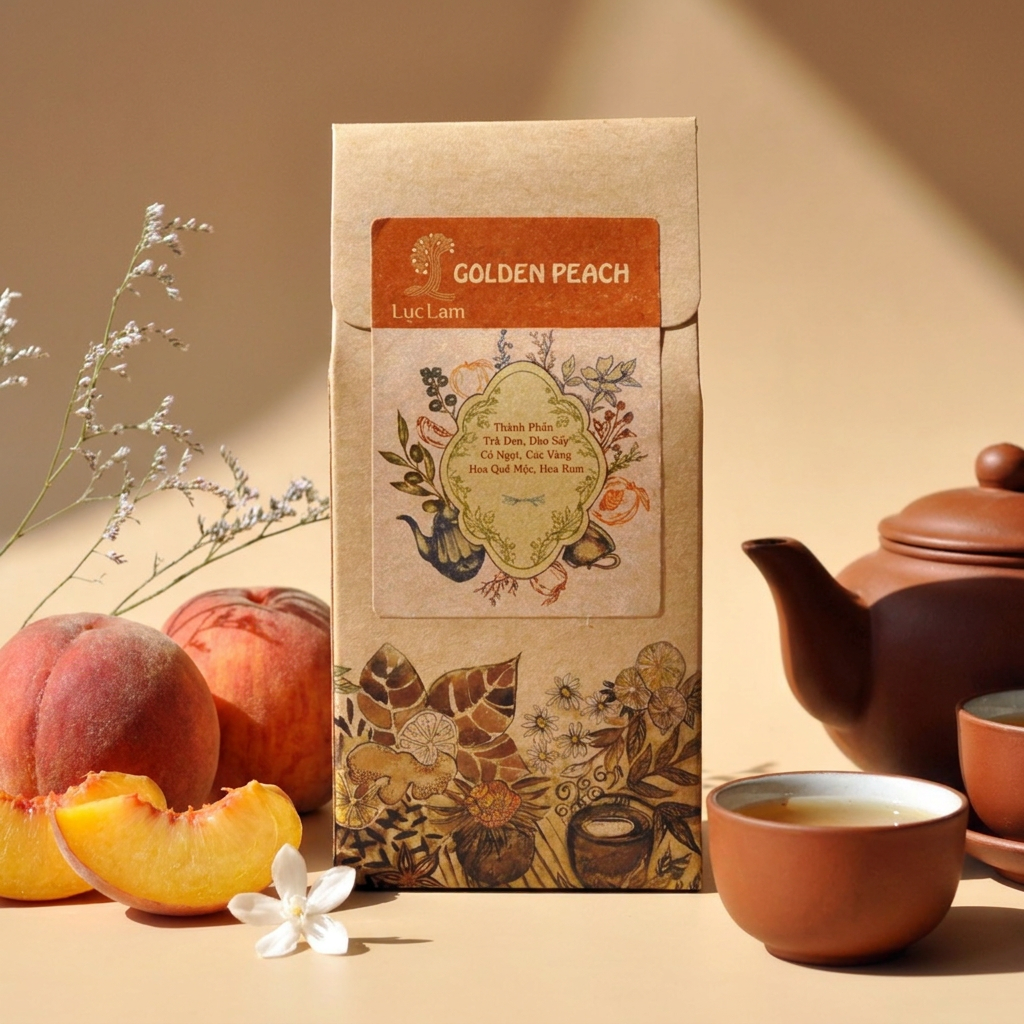
When the origin of the product and the quality of the gift presentation matter more than the lowest possible price, specialty coffee and tea shops are often the better choice. These stores curate their selections, ensuring that the beans or leaves are from reputable regions. The packaging is typically designed for gifting, aligning with the idea of refined packaging that makes a gift feel thoughtful and polished. For a business partner or a boss, a beautifully presented tin of tea or a boxed set of coffee from a dedicated shop often carries more weight than a plain bag from a market stall. It signals that you took the time to choose a premium, authentic option rather than a generic souvenir.
Practical Timing and Venue Comparison
A simple tip can save you headaches: do this shopping in the final one or two days of your stay. You will know exactly how much luggage space remains, preventing you from overpacking with heavy items you cannot bring home. This timing also ensures you are buying items with fresh expiry dates. The table below summarizes when to use each venue based on your needs and the type of item you are purchasing.
| Shopping Venue | Best For | Key Consideration |
|---|---|---|
| Supermarkets | Clear prices, sealed dry goods, safety | Less atmospheric, standard packaging only |
| Ben Thanh Market | Variety, tradition, bulk items | Requires stall comparison and seal checks |
| Specialty Shops | Gift presentation, origin details, premium items | Higher price point, focused selection |
Packing and customs: getting regional specialties home
Bringing Vietnamese food gifts home is a straightforward process if you follow a few structural rules. The goal is to keep the flavors intact and the customs agents on your side. Start by keeping every item in its original factory-sealed packaging. This not only preserves freshness but also provides a clear ingredient list for border control.
Protect the fragile, isolate the liquid
When packing your suitcase, place fragile boxes, such as bánh pía or cookie tins, in the center of your bag, surrounded by clothing. This prevents crushing during transit. Use resealable bags for any loose items to stop crumbs from spreading. Be especially cautious with liquids and pastes. Fish sauce, chili oil, and liquid condiments are subject to stricter airline baggage rules than dry foods. Unlike a bag of coffee or roasted nuts, a heavy glass bottle of fish sauce can leak under pressure or temperature changes. If you are carrying these, ensure the cap is sealed with tape and the bottle is wrapped in clothing. Dry goods like tea, coffee, and nuts are far safer and lighter options for international travel.
Customs and biosecurity: the critical check
The most important step is verifying the customs and biosecurity rules of your destination country. Many nations strictly restrict the import of fresh fruit, meat, dairy, and certain seeds, even if these items were purchased legally in Vietnam. Always check the specific regulations of your home country before you buy. For international flights, it is best to avoid homemade food without labels or any fresh produce. Stick to commercially sealed, dry foods with clear ingredient lists. This approach simplifies the inspection process and reduces the risk of your items being seized at the border.
A checklist for safe travel
To ensure your regional specialties survive the journey and clear customs, use this practical checklist:
| Do | Don’t |
|---|---|
| Keep items in original, sealed packaging | Carry fresh fruit, meat, or unsealed produce |
| Place fragile boxes in the suitcase center | Place heavy glass bottles of sauce near the outer walls |
| Verify your destination’s biosecurity rules | Assume all food items are legal to import |
| Choose dry, labeled goods (coffee, tea, nuts) | Buy homemade snacks without ingredient labels |
A thoughtful food souvenir should extend the experience of Vietnam in your home kitchen. Proper packing protects the integrity of these regional flavors, ensuring the coffee stays fresh and the pastry doesn’t crumble. By preparing your gifts correctly, you bring home not just a product, but a lasting memory of your trip.
Frequently asked questions about Vietnamese regional gifts
What is the difference between northern and southern food gifts?
The distinction comes down to flavor profile and cultural context. Southern Vietnamese gifts tend to be sweet and tropical, featuring items like coconut candy and bánh pía that reflect the Mekong Delta’s agricultural abundance. Northern gifts, by contrast, often focus on robust staples. Strong coffee and savory snacks dominate this category, serving practical daily needs rather than just acting as a sweet treat.
Is bánh pía suitable for a long international flight?
Yes, provided you follow specific packaging guidelines. The pastry’s rich filling, especially the durian variant, carries a powerful aroma that requires well-sealed, airtight packaging to contain the scent during transit. Always check the expiry date before purchasing. Buying bánh pía closer to your departure date ensures the pastry remains fresh and prevents potential texture changes during the journey. If you choose the durian version, verify that the seal is intact to avoid odor complaints from fellow passengers or security issues at the destination.
Can you bring Vietnamese coffee on an international plane?
Packaged coffee is one of the most convenient Vietnam souvenirs to travel with. Keep the beans or grounds in their original, factory-sealed packaging to comply with airline safety standards. Retain the label, which often lists ingredients and origin, as this can help during customs inspections. Before flying, verify your destination country’s customs requirements for agricultural products. While roasted beans are generally accepted, some strict biosecurity laws may have specific rules for plant-derived products. When in doubt, check with the airline and destination authority beforehand.
Where should you buy authentic local specialties in Ho Chi Minh City?
The right location depends on your priorities. Ben Thanh Market offers variety and a traditional atmosphere, ideal for browsing a wide range of options. However, you must compare stalls carefully and inspect seals, as quality can vary. For refined presentation and detailed origin information, specialty shops are the better choice. Supermarkets remain the most practical option if you value clear pricing, consistent labeling, and the assurance of commercially sealed products. Each venue serves a different purpose in your gift-hunting strategy.
How do you know if a gift is suitable for a business partner?
Formality matters when gifting to a boss or colleague. Look for refined packaging and clear, professional branding. A loose market snack, no matter how delicious, may feel too casual for a corporate relationship. Specialty coffee or tea sets often serve this purpose better. They convey thoughtfulness and respect without the informality of street-market treats. Ensure the item is individually packed or presented in a neat box. This small detail signals that the gift was chosen with specific intent for a professional context.
Choosing the right Vietnamese gifts often comes down to understanding the recipient’s background. If they love strong, bold flavors, a bag of robust coffee or savory snacks from the north fits perfectly. For those who prefer something lighter and sweeter, local specialties like Mekong Delta coconut candy or bánh pía offer a more delicate experience. The key is matching the item to their personal taste and the occasion, ensuring the gift feels personal rather than generic.
Remember that practicality matters just as much as flavor. Prioritize items in sealed, durable packaging to keep your souvenirs intact during international travel. This simple step protects the quality of the food and eases the stress of packing. By aligning the gift with the recipient’s preferences and ensuring it survives the journey, you create a lasting memory of your time in Vietnam.
If you are in Ho Chi Minh City and want to simplify this process, consider exploring curated collections designed for travelers. These sets handle the selection and refined packaging for you, making it easy to choose suitable gifts for family, colleagues, or business partners. It is a helpful way to ensure you arrive home with the perfect gift, ready to share a slice of Vietnamese culture.
If you need guidance on selecting the right gift for a specific recipient or occasion, feel free to reach out for more personalized suggestions.