On This Page· 5
You stand in the boardroom, holding a glossy box that costs more than the tea inside. The moment you slide it across the desk to your CEO, you worry: do they see the weight of the craftsmanship, or just another mass-produced holiday decoration? This anxiety defines many corporate gifting decisions. The real question isn’t how much you spent on the packaging, but whether the set communicates genuine respect for Vietnamese tea quality and the person receiving it.
Premium status comes from the composition of the set and the provenance of the ingredients, not the price tag on a single tin. Flashy boxes create a superficial impression. Real sophistication relies on natural materials and an artisanal story. A high-end gift feels personal because it connects the recipient to a specific craft, a specific mountain, and a specific maker. This distinction between “fake luxury” and authentic value is the key to making executive tea sets memorable rather than forgettable.
Why ‘Luxurious in Quality’ Beats Beautiful Packaging
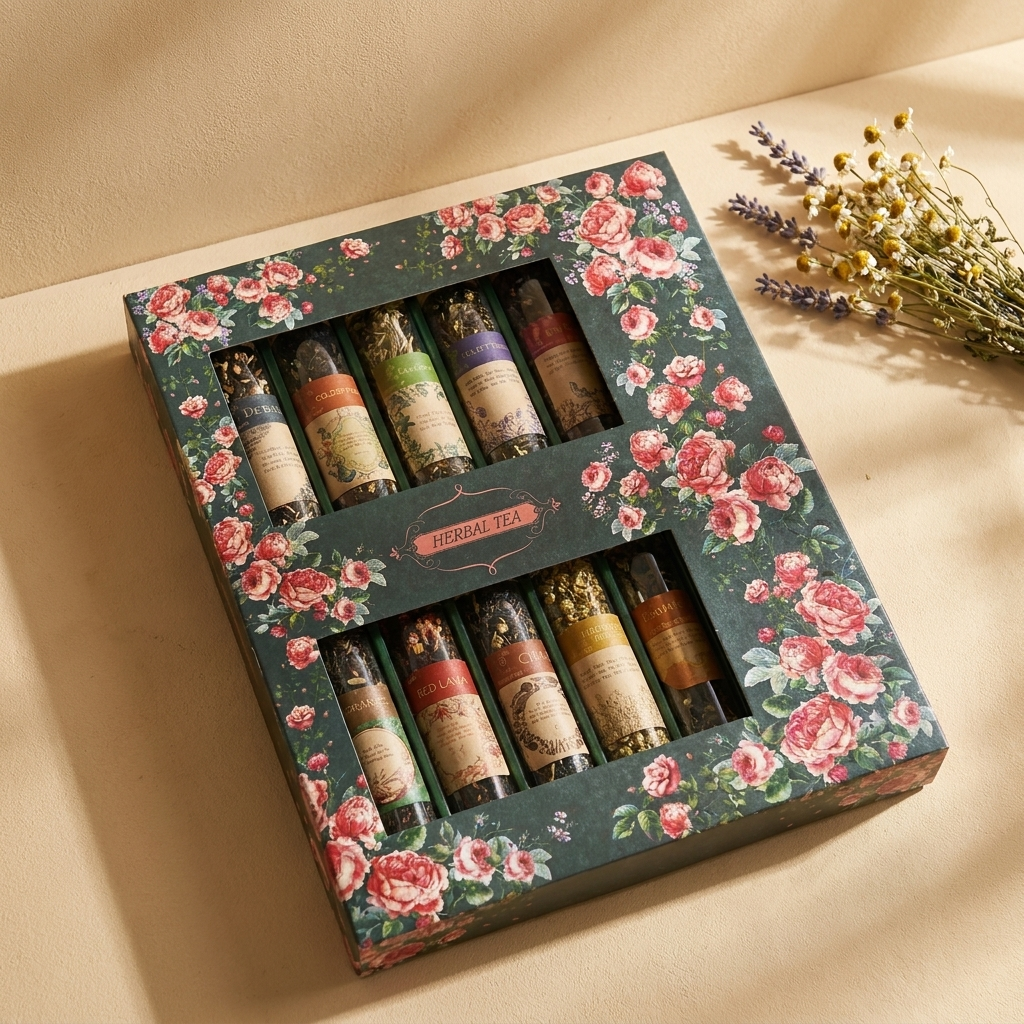
There is a common trap in corporate gifting that often goes unnoticed: the “fake luxury” phenomenon. Many industrial tea boxes feature elaborate, high-gloss printed packaging where the majority of the cost is absorbed by the shell rather than the product inside. When the recipient finally opens the box, the tea often lacks depth, offering a mass-produced experience that contradicts the premium appearance of the container. This mismatch can quickly erode the intended respect and care behind the gesture.
The Standard of Vietnamese Tea Quality
True premium status in Vietnamese culture is not derived from visual flash, but from Vietnamese tea quality defined by natural flavor, purity, and transparency. A high-value set tells a story of origin—identifying the high mountain source, the specific craft village, and the meticulous process of the artisan. This transparency connects the recipient to the product’s authenticity. Unlike generic e-commerce items, curated sources prioritize clear provenance, ensuring that the taste profile is as distinct as its history.
The Shift Toward Authentic and Personalized Gifts
The current trend in gifting is moving away from mass-produced uniformity toward “green” and personalized experiences. Organic and handcrafted items create a much stronger lasting impression because they feel unique and thoughtful. Personalization options, such as mixing specific items or adding handwritten notes, transform a standard package into a meaningful gift. For executive tea sets, this level of care signals that the giver values the recipient’s individuality over a simple transaction.
Value in the Experience: A Case Study
Consider a specific example: a premium set priced at 1,337,040 VND, featuring Bat Trang ceramics paired with Shan Tuyet tea. The value here is not in the box itself, but in the combined experience of artisanal ceramic ware and high-mountain tea. This composition offers a tangible, sensory journey that a standard, flashy box simply cannot provide. It demonstrates that real sophistication lies in the quality of the materials and the depth of the tea, not just the price tag.
Anatomy of a Premium Executive Tea Set
A high-quality executive tea set is defined by three core components: high-provenance tea, artisan ceramic or porcelain ware, and complementary items. The foundation is the leaf itself, which must display clear origin and meticulous craftsmanship. Many buyers focus on the vessel, but the tea dictates the experience. Look for ancient, organic, or early-harvest varieties that offer a specific flavor profile rather than a generic taste. The ceramic or porcelain component should be from a recognized craft village, such as Bat Trang, ensuring the durability and aesthetic value of the ware.
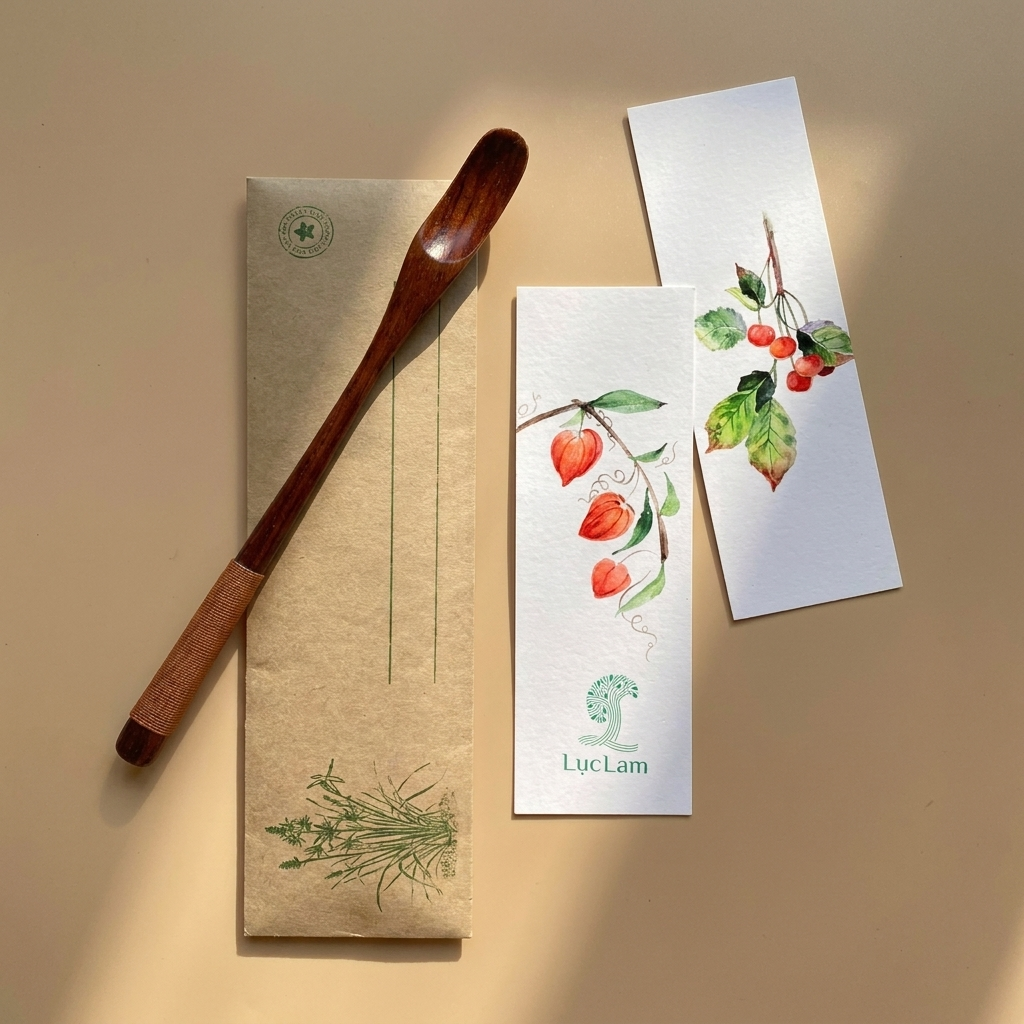
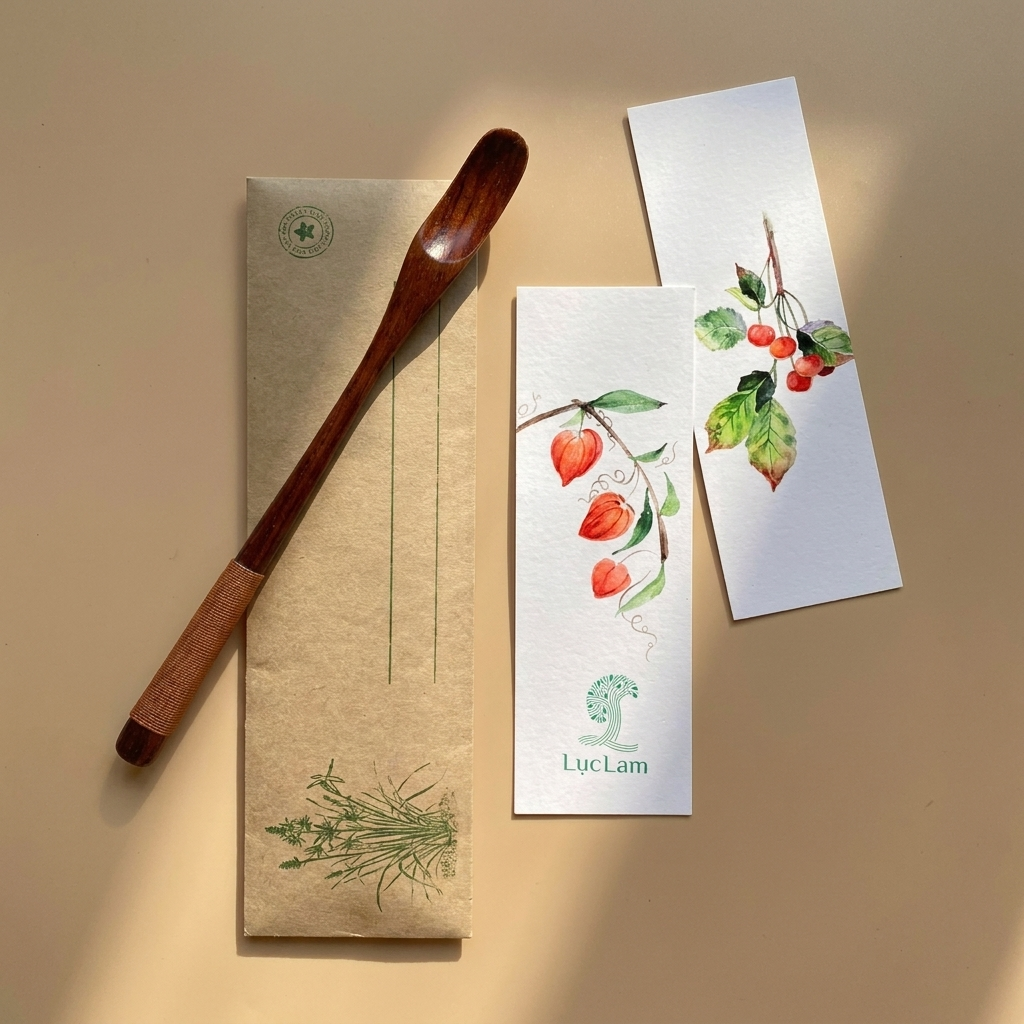
The unboxing experience is elevated through natural, sustainable materials. Instead of glossy, industrial packaging, premium sets utilize bamboo, lacquer, or Do paper printed with traditional Dong Ho art. These textures and visuals convey a sense of authenticity and respect for heritage. This attention to detail signals to the recipient that the gift was curated with care, not mass-produced. The tactile quality of the box often creates a stronger first impression than the price tag.
Completeness of the Curated Experience
Pre-mixed sets create a complete “one-stop” experience by including complementary items like ginger jam or lotus seeds. These additions transform a simple tea box into a lifestyle package, offering the recipient multiple ways to enjoy the product. For corporate gifting, this reduces the need for the receiver to source additional ingredients, making the gift more practical and thoughtful. The curation process ensures that each element, from the tea to the accompaniment, complements the others in flavor and aesthetic.
| Channel | Product Characteristics | Quality Focus | Sophistication Level |
|---|---|---|---|
| E-commerce | Mass-produced, standardized | Price and volume | Low to moderate |
| Chain Brands | Consistent, branded items | Brand recognition | Moderate |
| Curated Marketplaces | Handcrafted, unique, artisanal | Origin and craftsmanship | High |
By understanding these components, you can distinguish between a flashy box and a truly sophisticated gift. The combination of authentic materials and curated contents is what separates standard corporate gifts from those that make a lasting impression.
Matching the Tea to the Executive Recipient
Selecting the right leaf is often the deciding factor in whether a corporate gift feels personal or merely transactional. When curating executive tea sets, the goal is to align the flavor profile with the recipient’s personal taste and regional background. A mismatch here can make even a beautifully packaged set feel impersonal. A well-matched selection demonstrates a level of consideration that transcends the item itself.
The Formal Choice: Ancient Shan Tuyet
For recipients who are elders or senior leaders where formality is paramount, Ancient Shan Tuyet is the standard. This tea is distinct for its large buds covered in white downy hair, which infuse the water with a deep golden hue. The taste profile is defined by mild astringency that quickly transitions into a lingering sweet aftertaste. In Vietnamese gifting culture, this specific profile symbolizes health and longevity. Offering this tea communicates a sincere wish for the recipient’s well-being and sustained success, making it a powerful choice for high-stakes corporate gifting scenarios where respect must be conveyed without saying a word.
The Cultural Choice: Natural Lotus-scented Green
When the recipient values tradition and subtlety, Natural Lotus-scented Green tea serves as a deeply cultural signal. Unlike heavily perfumed teas, this variety uses fresh lotus rice to impart a pure, gentle scent through a labor-intensive process of manual scenting and drying repeated five to seven times. The result is an aroma that is present but never harsh, reflecting the delicate balance prized in traditional Vietnamese aesthetics. This tea is ideal for bosses or clients who appreciate Vietnamese tea quality that honors heritage and offers a serene, non-overwhelming drinking experience. It signals that the giver understands the nuance of the craft.
The Versatile Choice: Premium Oolong
For broader corporate audiences or clients from diverse regional backgrounds, Premium Oolong offers a safe and sophisticated middle ground. Characterized by round pellets, a natural floral fragrance, and a light sweet taste, it avoids the strong astringency of some black teas or the intense cultural weight of ancient trees. Its modern appeal and ease of personalization in packaging make it a practical choice for wider distribution. It is particularly effective when you need a gift that feels premium yet accessible to a younger demographic or those less accustomed to strong local flavors.
Navigating Regional Tastes
Understanding where your recipient is from can significantly enhance the impact of your premium tea gifts. People in Northern Vietnam often prefer teas with a strong first taste and a sweet aftertaste, such as Tan Cuong or Shan Tuyet. In contrast, those from Southern Vietnam usually gravitate toward lighter, smoother profiles with floral aromas, like Oolong, Jasmine, or Lotus tea. By mapping the tea to the recipient’s origin, you move beyond generic gifting to a gesture that feels genuinely tailored and thoughtful.
Premium Tea Gifts: Real Value vs. Price Tags
A common misconception in corporate gifting is that a high price tag equals a high-quality gift. In reality, a sophisticated handcrafted gift does not require a six-figure budget. Within a range of 300,000–800,000 VND, you can select a set that features natural materials like bamboo or lacquer and a high-provenance tea. This approach shifts the focus from the cost of the shell to the quality of the contents, ensuring the gift feels authentic rather than mass-produced.
Storytelling and Uniqueness
The value of an executive tea set often lies in its narrative rather than its price. A tea with a clear origin—such as high mountains or a specific craft village—connects the recipient to the artisan and the region. This transparency adds a layer of authenticity that a high-priced but generic item simply cannot match. When a gift carries a story, it creates a lasting impression that extends beyond the moment of unboxing, reinforcing the respect and care behind the gesture.
Identifying Vietnamese Tea Quality
Understanding how to distinguish a “natural clean tea” from a flavored one is essential for making informed decisions. True premium Vietnamese tea quality is identified by three specific characteristics: a light, gentle aroma, a clear and bright tea water, and a sweet, lingering aftertaste. Conversely, heavily flavored teas often present with harsh chemical scents and a murky liquor. By focusing on these sensory cues, you can avoid the trap of industrial packaging that prioritizes visuals over the actual taste and health benefits of the tea.
The Meaning Behind the Gift
Ultimately, the most meaningful gifts are those that reflect a deep understanding of tea culture. When a set is chosen to symbolize health, longevity, or traditional values, it communicates respect in a way that no price tag can. This sincerity is what truly scores points with senior executives, turning a standard transaction into a relationship-building moment.
The goal is not to spend more, but to choose better. By prioritizing provenance and craftsmanship over flash, we ensure that our corporate gifting strategy remains both effective and culturally resonant.
FAQs for Corporate Gifting Decisions
How do I tell if a tea is genuinely premium or just flavored?
Distinguishing between a natural, high-quality leaf and a mass-produced, artificially scented product requires a simple sensory check. A genuinely premium tea, particularly in the context of Vietnamese green varieties, should present a light, gentle aroma rather than an overpowering one. If the scent hits you with a harsh, chemical sharpness, it is likely an artificial flavoring meant to mask lower-quality leaves. The true test occurs in the mouth: a high-grade leaf leaves a sweet aftertaste and a clean, clear finish. If the brew feels astringent or leaves a flat, chemical taste, it lacks the depth of a naturally processed leaf. Always prioritize clarity of flavor over intensity of scent when evaluating the quality of your selection.
Which tea is best for a CFO or senior executive?
When addressing a senior leader, the gift must signal respect for their status and a deep understanding of cultural nuance. Ancient Shan Tuyet tea is a strong choice for this tier. It features large, white-hairy buds and a golden infusion that symbolizes longevity and health. For a recipient who values tradition, Natural Lotus-scented Green tea offers a more intimate connection. This tea undergoes 5–7 cycles of manual scenting with fresh lotus rice, resulting in a pure, non-harsh fragrance. Both options demonstrate that the giver has chosen a specific, culturally significant item rather than a generic commodity.
What is a realistic budget for a luxury tea gift?
You do not need to overspend to achieve a sophisticated impression. A budget of 300,000 to 800,000 VND is often sufficient to secure a high-value executive tea set. This range allows you to purchase handcrafted containers made from natural materials like bamboo or lacquer, paired with a single origin, high-quality tea. The perceived value shifts when the packaging reflects artisanal craftsmanship—such as lacquer or sustainable bamboo—rather than industrial printing. This price point respects the recipient’s time and taste while maintaining a professional, curated aesthetic.
Why is origin transparency important for a premium gift?
Corporate gifting in the tea sector is moving away from anonymous bulk products toward items with a traceable story. When a gift includes clear information about the artisan and the specific region of production, it adds a layer of authenticity that mass-produced items lack. It transforms the object from a simple commodity into a representation of a specific craft and place. This transparency connects the recipient to the source, making the gesture feel more personal and significant. It signals that the gift is a result of a thoughtful selection process, not just a random purchase from a shelf.
A gift does not need a high price tag to carry weight. It needs weight of meaning. When an executive accepts a tea set, they are not just receiving leaves and ceramic; they are accepting a connection to a craft, a place, and a standard of care that few others took the time to secure.
The true premium value in corporate gifting often lies in the silence between the conversation and the gift. It is found in the artisan’s hand that shaped the ceramic, the specific mountain where the Shan Tuyet buds grew, and the integrity of the sourcing process. These details signal that you looked beyond the surface, choosing quality over flash. That level of attentiveness is what separates a forgettable token from a relationship-building gesture.
We invite you to consider how these elements fit into your upcoming gifting plans.