On This Page· 5
The first thing a recipient does with a corporate tea gift is rarely open the box; they look at it. In many professional gifting scenarios, the initial reaction is visual, not gustatory. The packaging becomes the first impression, acting as the silent ambassador for your brand before a single sip is taken. This creates a strategic tension: while the quality of the tea inside is intrinsic, the perception of value is often extrinsic, shaped entirely by the container.
For a purchasing manager, this raises a critical question about budget allocation. If the recipient’s judgment is formed in the first three seconds of the unboxing experience, does the investment in premium packaging outweigh the cost of the artisanal ingredients? We often assume the best product sells itself, but in the context of low-involvement gifts, the story is different. Packaging design acts as the primary driver of brand experience, influencing purchase intention and perceived worth. It is not just a container; it is a strategic asset. Understanding this dynamic allows you to balance visual impact with the long-term substance of your gifting strategy.
The point-of-sale decision: why 85% of the battle is won before the taste
In the world of corporate gifting, recipients rarely pause to verify the quality of the tea before reacting to the box. For low-involvement products, the unboxing moment is not merely a packaging detail; it is the primary touchpoint that shapes the initial brand experience. Most recipients do not research the origin of the leaves or the specific blends before they decide whether the gift feels valuable. Instead, their judgment is formed in seconds, driven by visual cues rather than gustatory proof. This behavioral pattern shifts the strategic weight of a corporate tea gift away from the product’s intrinsic qualities and toward its immediate presentation.
Research supports this visual-first reality. Studies indicate that 73 to 85 percent of consumer purchase decisions are made at the point of sale or during the first contact with the item. In the context of gifting, this translates to the moment the recipient opens the hamper. If the visual presentation fails to signal quality, the internal product may never receive a fair evaluation. The box acts as the gatekeeper of perception, determining whether the recipient perceives the gesture as thoughtful and professional or as a standard, low-effort obligation. For decision-makers allocating budgets, this makes packaging design the critical differentiator in a crowded market where many brands offer similar tea profiles.
The box as a strategic asset
Consumer behavior data reinforces the power of the visual container. An Ipsos survey revealed that 72 percent of consumers believe product packaging design plays a key role in how they perceive a product. This statistic confirms that the container is not just a vessel; it is a strategic asset that communicates brand value before the tea is even poured. When a corporate gifting strategy relies on premium Vietnamese tea gift sets, the packaging must work harder than a standard commercial container. It needs to convey heritage, care, and quality through its material, structure, and visual identity.
Why visual perception leads taste
The concept of brand experience is central to understanding this dynamic. In many cases, the recipient’s initial emotional response is triggered by the visual harmony of the package, not the flavor notes of the tea. This aligns with the finding that the majority of decisions are made at first contact. The visual elements—color, layout, and graphics—create an expectation that the product inside must meet. If the packaging is perceived as premium, the recipient is more likely to attribute that quality to the tea itself. Conversely, if the packaging looks generic, even a high-quality tea may be viewed with skepticism. This creates a feedback loop where packaging design directly influences the perceived value of the gift, making it a high-impact investment for any business looking to strengthen client relationships.
The 490-consumer study: which 4 visual elements create a premium corporate gift
To understand how specific design choices drive purchase intention, we can look to a recent study by Chang Liu and colleagues (2025). This research provides a grounded framework for corporate gifting, specifically within the tea bag category, which mirrors the dynamics of premium Vietnamese tea gift sets. The study used an orthogonal experimental design to create 14 distinct packaging prototypes. These prototypes manipulated five core visual elements: colour, graphics, logo, typography, and layout.
The data comes from 490 valid respondents aged 20 to 29 who had previous tea purchasing experience. The survey was conducted in Shijiazhuang City, Hebei Province, China, a region selected for its high density of tea bag users. Using a structural equation model, the researchers tested how each visual element influences the final decision to buy. The results highlight that not every design choice carries equal weight.
The four elements that build brand experience
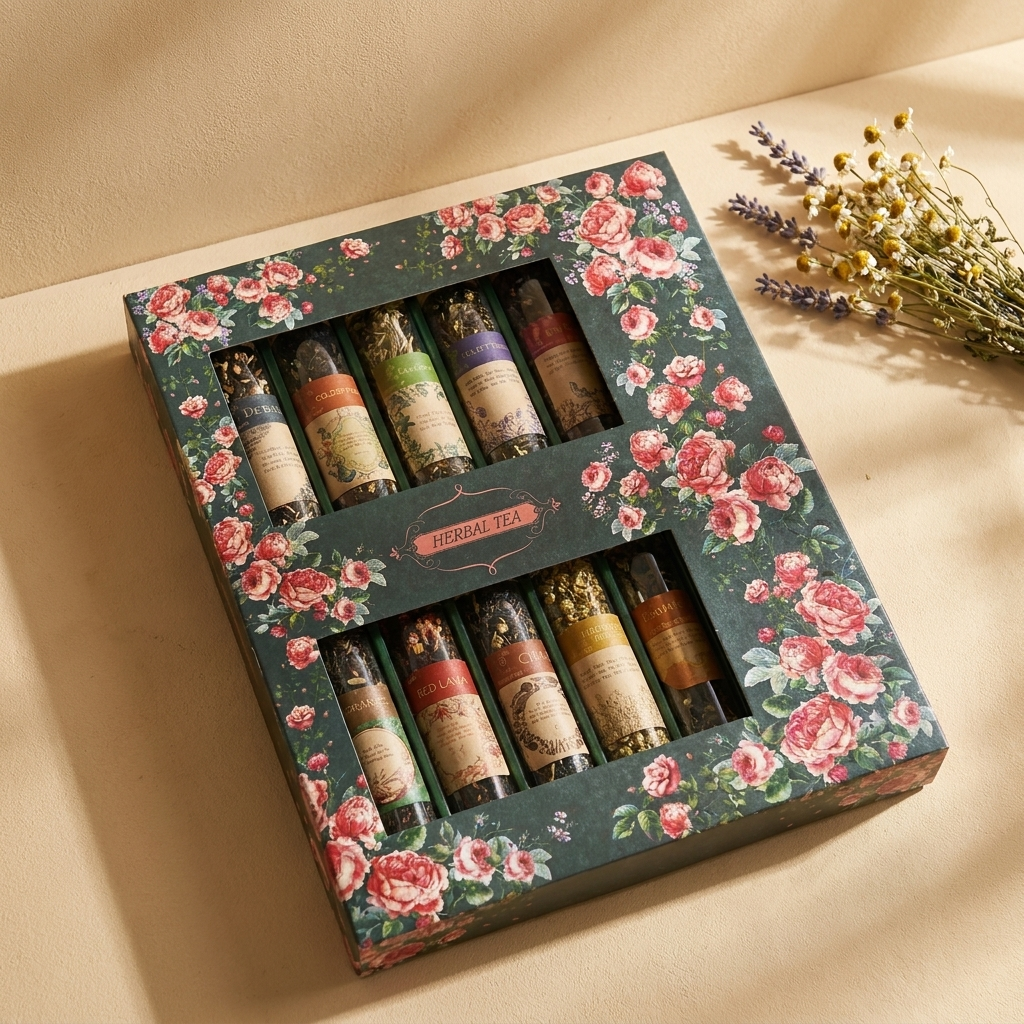
The study identified four visual components that significantly drive premium perception by strengthening brand experience. First, colour harmony matters. Monochromatic and analogous colour schemes showed a significant positive effect on purchase intention, while high-contrast palettes actually reduced it. Second, graphics play a crucial role; figurative imagery boosted intent, whereas abstract styles had a negative impact. Third, layout is more than organization. Bilateral symmetry was a positive driver, while grid and centralised layouts reduced appeal. Finally, while specific logo types did not show a direct statistical effect, the logo element still contributed to the overall brand experience that mediates the relationship with the consumer.
These elements work together to create a cohesive brand experience. For corporate gifting, this means that a harmonious colour palette and a symmetrical layout are not just aesthetic choices; they are strategic tools that signal quality and reliability to the recipient.
The typography outlier: a budget-saving insight
One of the most surprising findings was the role of typography. In this specific study, font choice did not have a significant direct impact on purchase intention, nor did it mediate through brand experience in the same way the other elements did. While calligraphy typefaces showed a small positive effect, other typographic choices were statistically neutral. For many corporate gifting programs, this is a critical insight. It suggests that you do not need to over-invest in complex custom font design if you are already nailing colour and layout. This frees up budget to focus on the four high-impact areas mentioned above.
Visual element impact summary
| Visual Element | Effect on Purchase Intention | Mediation via Brand Experience |
|---|---|---|
| Colour | Significant (Monochromatic/Analogous positive) | Partial |
| Graphics | Significant (Figurative positive) | Full |
| Logo | Not significant (direct) | Partial |
| Typography | Not significant | None |
| Layout | Significant (Bilateral symmetry positive) | Partial |
Premium packaging vs. premium tea: how to split your budget for long-term relationships
The data above makes a compelling case for visual impact, but there is a critical limit to what a box can do. A stunning packaging design can win the unboxing moment, yet it cannot sustain a business relationship over months or years. If the tea inside tastes inconsistent or mediocre, the initial enthusiasm fades quickly. For a corporate tea gift to build loyalty, the intrinsic quality of the artisanal ingredients must match the visual promise of the hampers.
The low-involvement caveat
This dynamic is especially tricky in the gifting context. Because corporate gifts are often low-involvement purchases for the recipient, clients rarely research the specific origin or processing of the tea before drinking it. They judge it in the moment. If the taste underdelivers on the premium promise set by the box, the result is not just a wasted cup of tea; it is a small breach of trust. The recipient may conclude that the company values appearance over substance, which can subtly erode brand equity over time.
A qualitative budget framework
Rather than viewing this as a zero-sum game, consider a tiered approach to your budget allocation:
- Baseline Visual Investment: Allocate enough to ensure the packaging meets the premium standards outlined in the research (strong color harmony, clear layout). This secures the first impression.
- Quality Threshold: Ensure the tea quality meets a strict “no-regret” standard. It doesn’t need to be the most expensive leaf in Vietnam, but it must be consistently excellent. This protects the relationship after the box is opened.
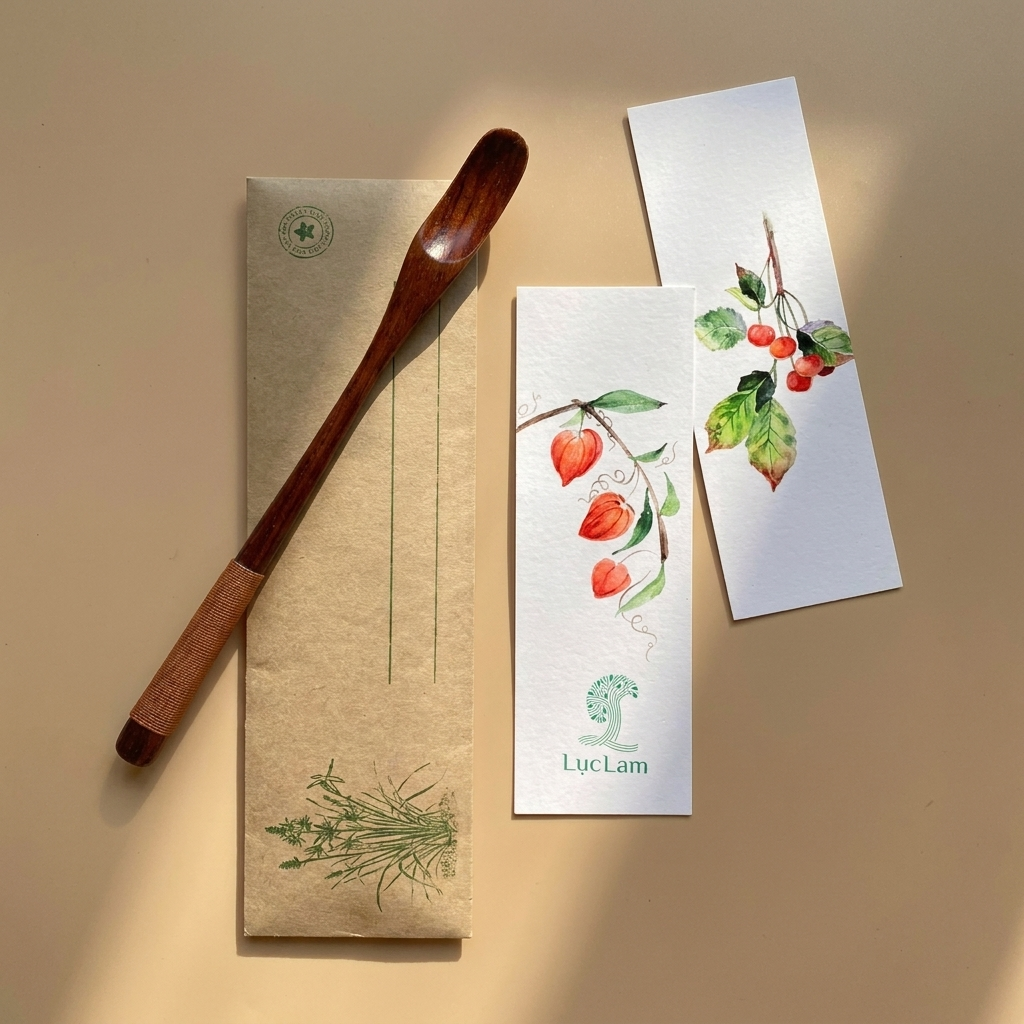
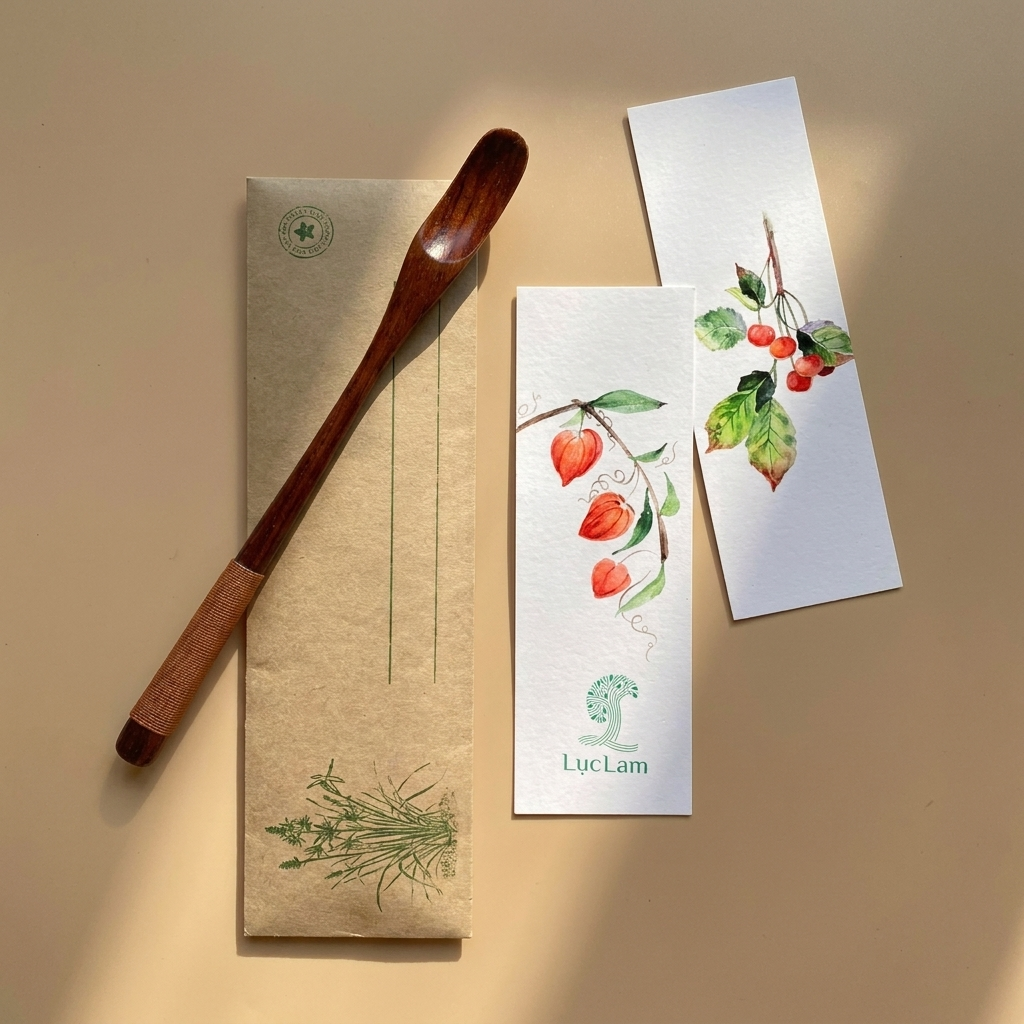
- Experience Layer: Use the remaining budget to enhance the brand experience through thoughtful touches—such as a card explaining the story of the Vietnamese tea or brewing instructions. This turns a product into a memorable interaction.
By balancing these three layers, you ensure that the corporate gifting strategy delivers both immediate impact and long-term respect.
Frequently asked questions about premium Vietnamese tea gift sets for corporate clients
Does the box really matter more than the tea?
For the initial impact of a low-involvement gift, yes. Recipients often form their first judgment based on visual presentation rather than tasting notes. However, for long-term brand loyalty, the quality must follow the presentation. A beautiful box that hides a mediocre product erodes trust quickly. The packaging creates the expectation, but the tea delivers the promise. If the product inside does not match the premium aesthetic of the packaging, the brand experience turns negative. We recommend treating the box and the tea as a single unit of value. The visual layer attracts attention, while the artisanal quality retains it. In this sense, neither element is truly “more important”; they are different halves of the same strategic asset.
Which visual elements should I prioritize in my corporate tea gifting?
Focus on colour harmony and layout. Consumer research highlights that these two aspects have the strongest direct impact on brand experience and purchase intention. Specifically, monochromatic or analogous colour schemes tend to signal quality and calm, while bilateral symmetry in layout conveys balance and professionalism. Other elements, such as graphics or logos, play a supporting role. They help with recognition, but they do not drive the initial positive perception as strongly as colour and structure. When designing or selecting your corporate tea gift, start with a cohesive colour palette and a clean, symmetrical layout. This approach reduces visual noise and allows the brand identity to breathe, creating a more sophisticated unboxing moment for your clients.
Is it worth paying extra for a branded box?
If the box creates a significant positive perception shift, the investment in packaging design is often a higher return on investment than a marginal increase in tea tier. Studies indicate that 72 percent of consumers believe packaging design is a key factor in how they perceive a product. This means the container is not just a container; it is a communication tool. A well-designed, branded box reinforces your brand identity every time the recipient sees it, not just when they open it. The cost of premium packaging is often justified by the lasting impression it leaves. It transforms a transactional item into a memorable brand experience. Therefore, allocate your budget to ensure the visual design of your premium Vietnamese tea gift sets reflects the high standard of the tea inside.
Designing a gifting strategy that respects your client’s judgment
A transaction ends when the invoice is paid; a relationship begins when the recipient feels understood. The most effective corporate tea gift is not the one with the highest price tag, but the one that makes the client feel the brand genuinely “got it” without resorting to overt sales tactics. This subtle shift turns a standard package into a gesture of respect.
Consider the unboxing moment as a critical brand experience touchpoint. This interaction lingers for days, long after the last cup is finished. A well-crafted premium Vietnamese tea gift set continues to work in the background, reinforcing your identity every time the box is seen or referenced. If the presentation feels thoughtful rather than promotional, the brand experience extends well beyond the initial delivery.
Ask yourself a simple question: is your current gifting strategy viewed as a cost center or an investment in brand equity? If you treat the box as just a container, you miss the chance to build lasting trust. When you respect the client’s judgment by balancing substance with visual clarity, you create a strategic asset that outlasts the season.
The final test of any corporate gifting strategy is not the unboxing moment, but the silence that follows it. When the recipient has finished the tea and kept the box, you have succeeded. If they discarded both, the transaction ended without building any equity.
The balance between perception and substance is not a zero-sum game. The visual design of a premium Vietnamese tea gift set secures the initial acceptance, but the quality of the artisanal blend determines whether the relationship extends beyond the first meeting. A strategic gifting budget should therefore treat packaging as the entry ticket and the product as the retention mechanism.
As you review your next round of client interactions, consider how the visual elements of your gifts reflect the substance of your brand. Does the presentation promise something the product can actually deliver? The most effective corporate gifts do not just impress; they align. That alignment is where brand trust begins.