On This Page· 6
It is Tuesday morning, 10:15 AM. Your calendar shows a critical client event on Friday, and the gift selection is still blank. You need 100 custom-branded tea hampers, but you haven’t even requested a corporate gift quote yet. The pressure is real: production, proofing, and logistics all compete for the same 72 hours.
This scenario is more common than many procurement managers admit. It is not a failure of planning; it is the reality of seasonal peaks and last-minute client changes. The difference between a chaotic scramble and a smooth delivery lies in one variable: process. Relying on speed alone rarely works at scale. Instead, success depends on a strict, five-step workflow that treats the timeline as a fixed constraint and works backward from the deadline.
By breaking down the process from initial quotation to final delivery, you can see exactly where delays happen and how to prevent them. This approach removes the guesswork from bulk ordering, allowing you to manage 100 units of custom tea gifts with the same confidence as a single order. The goal is not just to meet the deadline, but to ensure every hamper arrives in perfect condition, ready to represent your brand. Let’s map out the path from Tuesday to Friday.
The 100-Unit Threshold: Why Bulk Tea Hampers Unlock Value
When you move from a single gift to a hundred, the economics of corporate gifting change significantly. This isn’t just about volume; it is about how production costs are distributed. In tiered pricing models, the per-unit cost of manufacturing, materials, and branding drops sharply once you cross certain quantity thresholds. For bulk tea hampers, reaching the 100-unit mark often triggers a price tier that makes the investment viable for mid-sized events where sending one-off gifts would strain the budget without delivering the same impact.
The Power of Visual Consistency
A single custom tea gift is a nice gesture, but 100 identical, branded items create a cohesive visual statement. When a team or client base receives uniform branded tea hampers, it reinforces your brand identity consistently across a wider audience. This repetition builds recognition and signals professionalism. The uniformity ensures that every recipient sees the exact same quality and design, which strengthens the perception of your brand as standardized and reliable, rather than ad-hoc or inconsistent.
Design Once, Print More
One of the most overlooked benefits of ordering in this quantity is the longevity of your design file. Once you finalize the artwork for 100 units, that file becomes a reusable asset. If you need to order again for the next holiday or quarterly campaign, you don’t have to pay for a new design or wait for a new proof. You can simply reorder the existing design, ensuring that your branding remains exactly the same as the previous batch. This “design once” approach saves both time and money on future corporate gift quotes, allowing you to focus on logistics rather than creative work.
The Mid-Sized Event Sweet Spot
For many organizations, 100 units is the practical sweet spot for mid-sized corporate events, client appreciation days, or holiday distributions. It is large enough to leverage the cost efficiencies of bulk ordering but small enough to fit within most departmental budgets without requiring executive approval for a major expenditure. It provides sufficient distribution to make a noticeable impact without the logistical complexity of handling hundreds of packages. This balance makes 100 custom tea gifts an efficient choice for teams looking to enhance their customer experience without overextending their resources.
Step 1: Locking the Corporate Gift Quote
A corporate gift quote is not just a price tag; it is the blueprint for your production schedule. When you request a quote for 100 branded tea hampers, the level of detail you provide directly determines the accuracy of the lead time. If the quote is vague, the timeline becomes a guessing game. If the quote is specific, the path to Friday becomes predictable.
Specificity Eliminates Guesswork
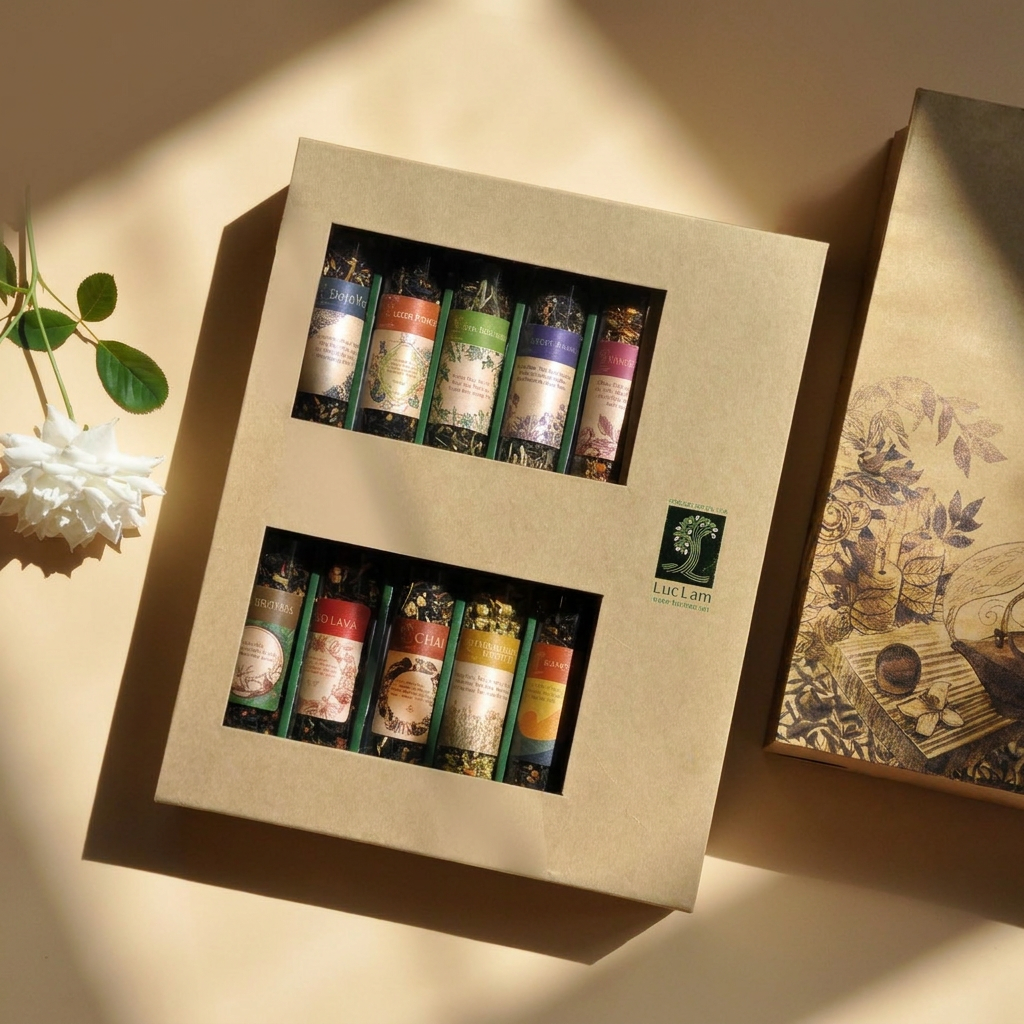
To ensure the quote is actionable, you must specify the physical components of the gift. This includes the exact tea varieties (for example, distinct oolong and green blends) and the dimensions of the hamper box. The packaging material matters just as much as the content; specifying a rigid kraft box versus a soft pouch changes the assembly time and shipping weight. Equally important is the logo placement. You must define where the branding appears: on the lid, the side, or an insert card. Each placement requires a different preparation stage in the print workflow.
When you provide these specifics, you eliminate the need for clarifying emails. Every round of communication consumes time. In a three-day window, each hour spent answering questions about box size is an hour not spent on production. The goal is to get a “yes” on the first pass.
The Vector File Requirement
A common pitfall in tight-deadline projects is submitting a low-resolution raster image, such as a JPEG or PNG, for the logo. Printers require vector formats, specifically SVG or AI files, to scale the logo without pixelation. If you provide a blurry logo at the quote stage, the vendor must ask for a new file, halting the process. We recommend having the vector file ready before you even request the quote. This small step prevents a resolution issue from becoming a critical delay.
Calculating Backward from Friday
The final element of the quote is the production lead time. This is the number of days required to print, assemble, and pack the hampers. When you have this number, you can calculate backward from your Friday deadline.
If the quote states a three-day production window, you must finalize the quote by Tuesday morning to allow for express shipping. If the lead time is five days, you are already at risk unless you find a vendor who offers rapid turnaround. By locking the lead time into the quote, you create a fixed anchor point. This allows you to manage the subsequent steps—proofing, production, and logistics—with confidence, knowing exactly how much time remains before the hampers must be in transit.
Step 2: Design Proofing for Custom Tea Gifts
Digital Mockups vs. Physical Proofs
The transition from screen to print is where many custom tea gifts fail. A digital mockup is a simulation; it uses light to display color. A physical proof uses ink, which interacts with the specific fibers of your packaging. For artisanal tea branding, this distinction is critical. Digital files rarely account for how pigments absorb into textured paper or kraft materials. If your logo relies on a specific shade of green or earthy brown, the screen may look vibrant while the printed result appears muted or shifted.
We recommend requesting a physical proof whenever color accuracy is a brand priority. This extra step prevents the costly error of printing 100 units with a color mismatch. It is the single most effective safeguard for brand integrity in bulk orders.
Managing the Approval Timeline
Time is your most constrained resource when working toward a Friday deadline. A standard proofing cycle takes 24 to 48 hours. This window is not negotiable if you want to stay on schedule. Any delay in approving the proof pushes the entire production line backward, including printing, assembly, and quality control.
To mitigate this risk, we suggest assigning a single decision-maker for the proof review. This avoids the internal back-and-forth that often stalls approval. Once the file is submitted, the clock starts immediately. Waiting for a consensus from a committee is the fastest way to miss your delivery window. Treat the proof approval as a hard deadline with no exceptions.
Strategic Logo Placement
Your logo is only as effective as its visibility. In the context of tea hampers, the recipient’s first interaction is opening the box. Ensure your logo placement accounts for this moment. If the logo is hidden behind the tea jar or obscured by the hamper’s opening mechanism, you lose the brand impact at the exact moment of unboxing.
Consider the geometry of the packaging. Does the logo sit on a lid that remains on the table, or is it on a side panel that gets tucked away? For custom tea gifts, the branding should be visible whether the hamper is open or closed. Review the mockup with the box in its final, closed state, and again with the contents exposed. This dual-check ensures your brand remains visible throughout the recipient’s experience, not just in the initial glance.
Step 3: Production and Quality Assurance at Scale
The moment the design proof is approved, the project moves from digital to physical. For a batch of 100 units, this is where the pressure is highest. However, a reputable vendor’s production line is a system, not a scramble. The process begins with the unboxing of raw materials: premium loose-leaf tea or tea bags, branded packaging inserts, and the finished printed hamper boxes. Each component is verified against the approved specifications before assembly begins.
Maintaining Premium Standards in Bulk
There is a common misconception that “at scale” implies a drop in quality. In the world of artisanal tea gifting, this is false. Standardized workflows are designed precisely to protect the integrity of premium tea products during high-volume runs. When a vendor handles hundreds of units, they use checklists and automated checks to ensure that the 100th hamper looks and feels exactly like the first one. This consistency is what distinguishes a professional corporate gift quote fulfillment from a rushed, error-prone assembly.
The Detail Check: Leaves, Seals, and Print
Quality assurance for premium tea is granular. It goes beyond just checking if the box is closed. Inspectors look for specific flaws that can ruin the recipient’s experience:
- Leaf Integrity: Ensuring no damaged or broken leaves are visible through the packaging, which signals freshness and care.
- Secure Seals: Verifying that the hamper is closed firmly but not crushed, preventing tea from shifting during transit.
- Print Clarity: Confirming that the logo and branding are crisp, with no smudging or misalignment, especially on textured or kraft paper materials.
This level of scrutiny ensures that every custom tea gifts package maintains the aesthetic standard expected by your clients. A single blurred logo or a crumpled leaf can undermine the entire brand message. By enforcing strict QC protocols, vendors guarantee that the visual impact of the 100-unit order remains cohesive and high-end, from the first unboxing to the last.
Logistical Reliability
Finally, the assembled hampers are staged for shipping. Reputable suppliers manage the logistics of 100 identical units with precision, reducing the risk of errors like missing items or mispackaged orders. For the buyer, this means you can trust that the production phase will not introduce new variables into your tight timeline. The hampers are ready, quality-verified, and prepared for the final step: express delivery.
Step 4: Express Delivery and Logistics
With production complete, the final hurdle is getting the goods to the recipient’s door before the event. When working with a Friday deadline that began mid-week, express delivery is not an optional upgrade; it is a requirement. Standard shipping typically offers 3–5 business days of transit, which leaves no room for unexpected delays like traffic or carrier backlogs. Express service compresses this window to 1–2 days, ensuring the bulk tea hampers arrive with enough buffer to handle any final unpacking or distribution tasks. Choosing standard shipping at this stage risks arriving on Monday, rendering the gift useless for its intended purpose.
Before finalizing the order, you must have a fully validated and insured delivery address ready. A last-minute change to the address can trigger a re-routing process that adds days to the timeline. Ensure the name, street address, and contact number are double-checked against the corporate gift quote documentation. If the package is being sent to a client or a third-party office, confirm they are expecting the shipment to avoid it being rejected or lost at the local depot.
If your recipients are scattered across multiple locations, consider splitting the order into separate shipments. While this allows for localized distribution, it complicates tracking and often requires paying individual express fees for each parcel. Weigh the convenience of centralized delivery against the cost and administrative burden of managing multiple tracking numbers. For most single-site events, consolidating all 100 units into one shipment is the most efficient approach.
Monitoring the Final Mile
The tracking number is your control point in the final 24–48 hours. Request the tracking information immediately upon dispatch. Do not wait for an automated email; proactively checking the status allows you to intervene if a package is stuck at a sorting facility. This level of oversight ensures that your custom tea gifts arrive not just on time, but in perfect condition, allowing you to focus on the event rather than the logistics.
FAQ: Ordering Branded Tea Hampers on a Tight Deadline
The pressure of a Friday deadline often leads to last-minute questions that can make or break the order. Here are the critical issues we encounter most frequently when clients need 100 custom tea hampers in under a week.
How many days before the event should I order?
For a five-step process involving design, production, quality control, and shipping, 5–7 business days is the safe minimum. If it is already Tuesday, you must choose express shipping and, if your vendor allows it, opt for digital approval instead of physical proofs. Skipping the physical sample step saves 48 hours, which is often the difference between arriving on Friday morning or being delayed until the following week. Keep in mind that “business days” exclude weekends and public holidays, so a Tuesday start effectively gives you three working days before the weekend.
Can I change the tea variety after the quote is approved?
Changing the product mix after approval usually incurs extra fees and significant delays. The production line is batch-ordered based on the initial specification; switching from oolong to green tea mid-process requires sourcing new inventory and recalculating logistics. It is best to finalize the product mix during the initial request. Consistency is key for a 100-unit batch; mixing varieties at this stage creates packaging and inventory complications that a supplier may not be able to resolve within your tight window.
What if the hampers arrive with a damaged item?
Reputable suppliers offer replacement guarantees for transit damage. If you spot a crushed box or broken jar, take clear photos immediately upon receipt. This documentation is essential for processing a claim. Since you are ordering in bulk, a buffer of 2–3 extra units (if your budget allows) is a smart risk management strategy. These spares can be distributed to your top-tier clients as a gesture of goodwill or used to replace any damaged items, ensuring no guest receives a compromised gift.
Is a “corporate gift quote” the same as a final invoice?
No, they serve different purposes. A corporate gift quote is a fixed price estimate based on your specific requirements. It locks in the per-unit cost and total budget before production begins. The final invoice is generated after production is complete and the order is shipped. Your budget should align with the quoted amount, but remember that the quote is a contractual commitment to price, not a bill for services not yet rendered. Ensure the quote explicitly lists all inclusions, such as branding, packaging, and shipping, to avoid surprise line items later.
The Friday deadline is not a race against time; it is a test of process integrity. You cannot simply hurry through the five steps. Each phase, from the initial corporate gift quote to the final physical proof, acts as a gatekeeper for quality. If the specifications are vague at the start, errors compound through design and production. The bulk tea hampers arrive only when the recipient’s experience is preserved, not just the count of 100 units.
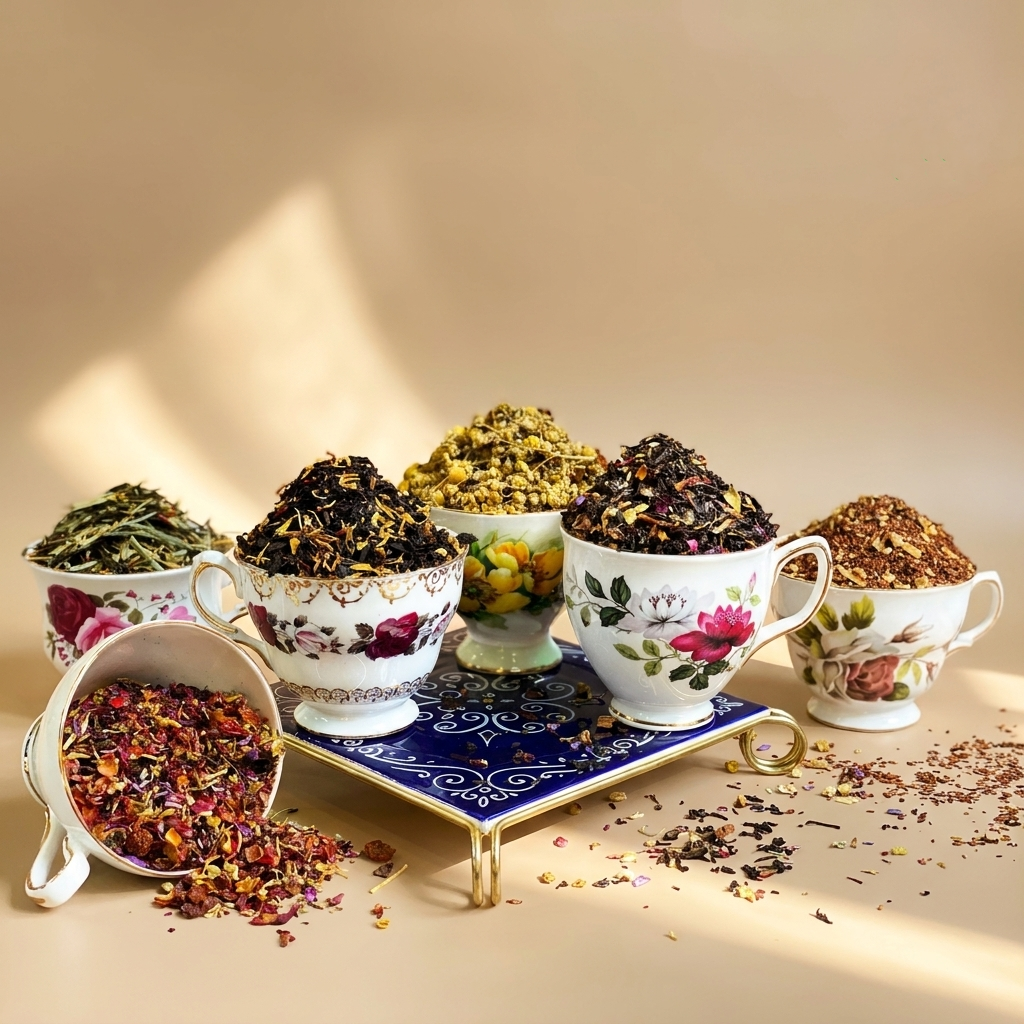
Think of the delivery not as a logistics problem, but as the beginning of the brand story. The moment the recipient lifts the lid of their custom tea gifts, the journey begins. The crispness of the print, the aroma of the organic leaves, and the weight of the packaging all speak to your brand’s values. A rushed process compromises this sensory connection. A respectful workflow ensures that the first sip feels as intentional as the last mile of delivery.
Next time you face a tight deadline, remember that the process is the product. Get the quote right, and the rest follows.