On This Page· 4
The first sip delivers a surprising, refreshing sweetness that lingers long after the heat fades. This distinct profile separates a genuine local herbal tea from the sugary, mass-produced versions found on every main tourist strip in Vietnam. While visitors often seek the familiar sights of ancient towns, the true essence of this beverage lives in the quiet corners of residential neighborhoods. In Hoi An, a shop that began as a traditional apothecary still prepares this drink for daily commuters, not just sightseers. That same heritage now shapes the culinary landscape of Nha Trang. Instead of following the crowds, you will find these authentic tea shops hidden off the beaten path. They serve a seven-ingredient formula that has cooled travelers and locals alike for generations.
The 7-Ingredient Signature of Traditional Vietnamese Tea
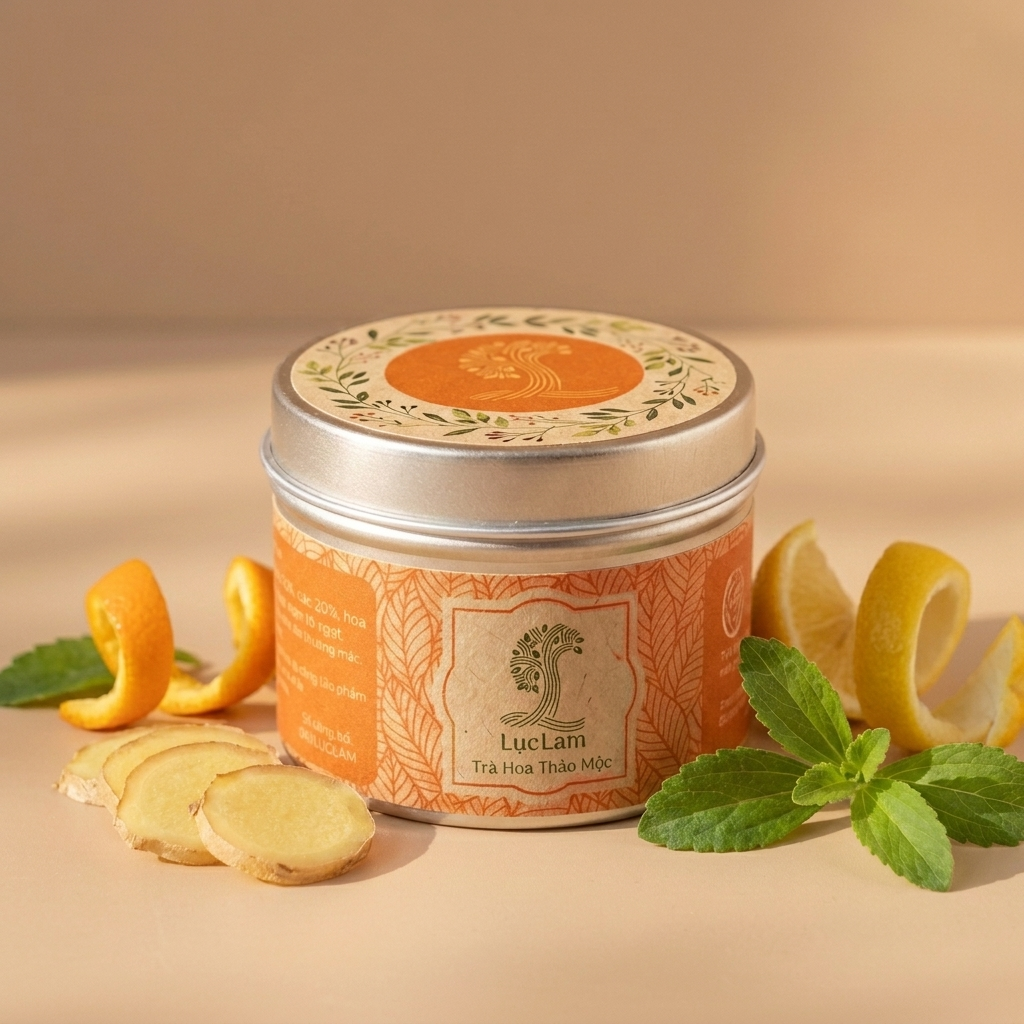
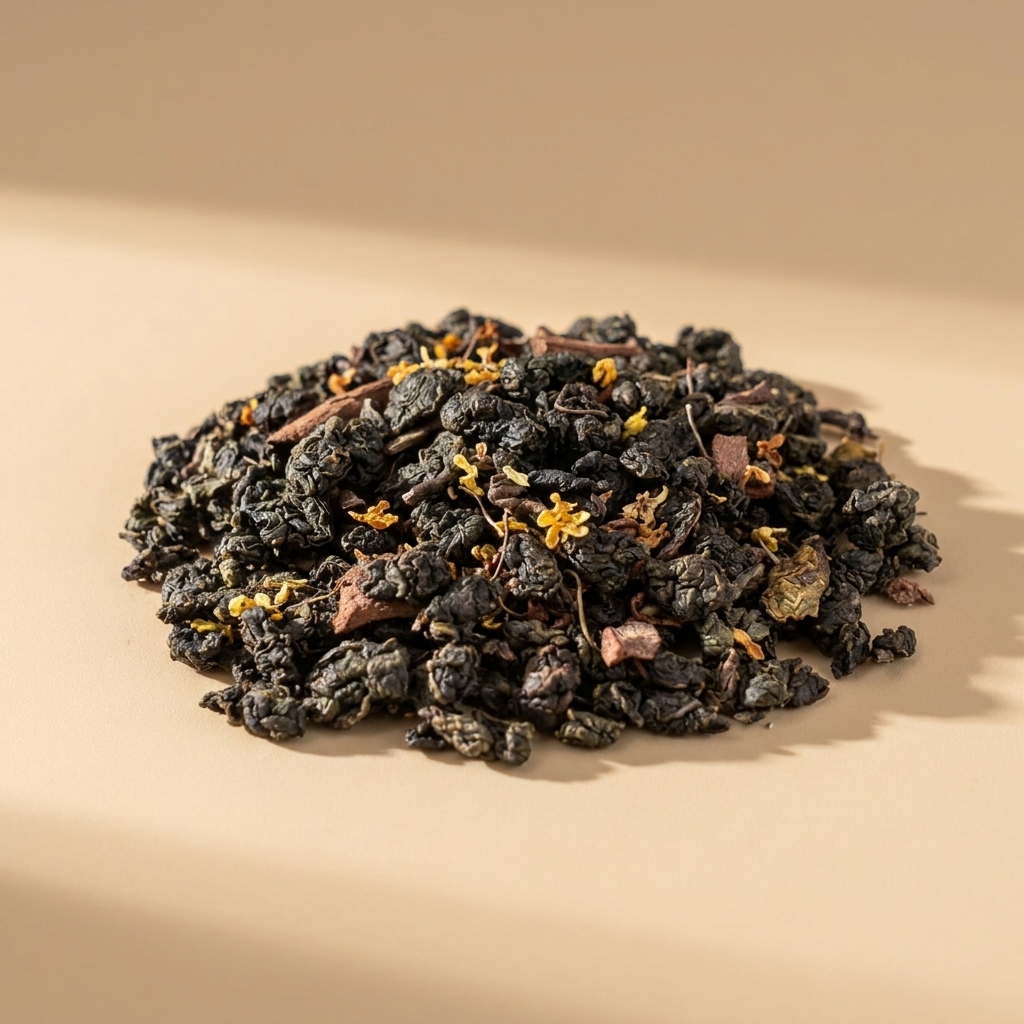
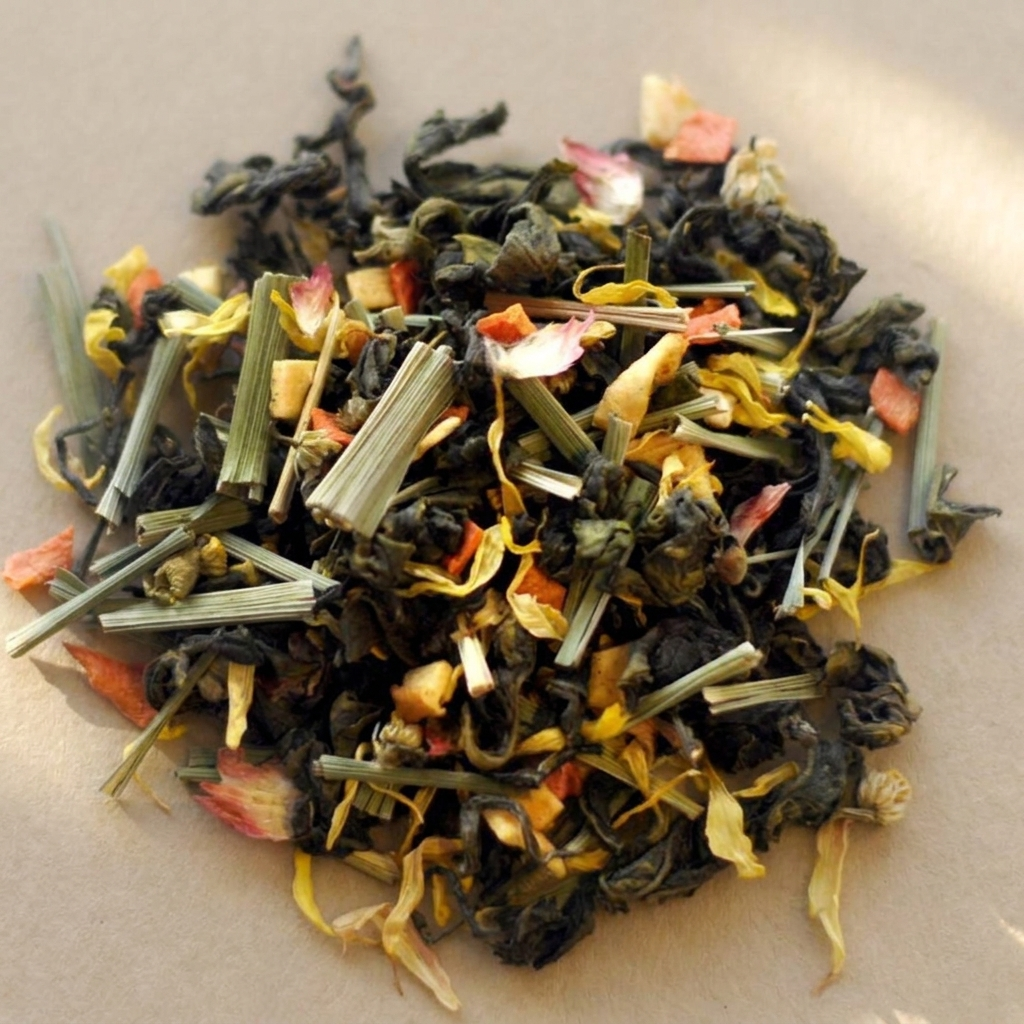
The distinction between a generic fruit-infused drink and a genuine local herbal tea lies in a precise botanical formula. Documented at a traditional Hoi An shop, this recipe relies on seven specific components: lemongrass, lotus leaves, cinnamon, licorice, ginger, tea leaves, and lemon. This combination is not arbitrary. It creates a layered profile that is distinctly refreshingly sweet, a taste that mass-produced tourist strips rarely replicate.
Balancing Heat and Floral Depth
Each ingredient serves a specific function in the infusion. Ginger and cinnamon provide a gentle, warming heat that cuts through humidity. This warmth is immediately countered by the cool, citrusy notes of lemongrass and the sharp acidity of fresh lemon. Lotus leaves and licorice act as the bridge between these extremes, adding a smooth, floral depth that prevents the drink from tasting like simple hot water with herbs. The base tea leaves provide structure, while the floral garnish on top offers a final aromatic cue.
More Than a Tourist Novelty
For many regulars, this traditional Vietnamese tea is less of a culinary experiment and more of a daily necessity. One local guide described the experience as essential for cooling off during long days of wandering. It is not a once-in-a-lifetime tourist photo op, but a practical tool for relieving afternoon fatigue. When you see a shop using this seven-ingredient formula, you are looking at a community staple, not a commercial gimmick. This consistency in flavor and purpose is what separates authentic tea shops from the flashy, sugar-heavy alternatives found on main roads.
The Apothecary Roots
The small counters selling local herbal tea in residential areas did not spring from a modern trend. They grew out of a long tradition of herbal medicine stores, where practitioners blended dried leaves and roots to treat daily ailments. Over time, the focus shifted from clinical remedies to refreshment, turning the apothecary into a community cafe. This heritage survives in backstreets rather than commercial zones because the practice is rooted in neighborhood relationships. Shop owners know their regulars by name, and the quiet, residential setting preserves the original purpose of the counter: to serve the immediate community, not passing tourists.
Markers of Authenticity
You can identify these authentic tea shops by two distinct physical details. First, look for paper straws. Unlike the plastic straws common in high-traffic tourist areas, paper straws signal a low-waste ethic and a traditional approach to service. Second, notice the absence of English menus. The menu is often a simple list in Vietnamese, or the owner simply describes the blend by pointing to the ingredients. This lack of translation is a strong indicator that the shop prioritizes local regulars over international visitors, keeping the experience intimate and unperformed.
The Price Heuristic
In Hoi An, a reference point for this tradition, a glass of this specific blend costs 16,000 VND. This figure serves as a useful heuristic for value. When you find similar counters in the hidden gems of Nha Trang, you can expect to see similar local pricing in these residential pockets. In contrast, main tourist strips often carry higher price points, reflecting the premium for convenience and visibility. While the exact price in Nha Trang may vary, the gap between the backstreet rate and the commercial strip rate remains a reliable signal. If the price feels inflated compared to the simple, unadorned storefront, you are likely stepping out of the authentic zone and into the tourist economy.
Finding Authentic Tea Shops Off the Beaten Path in Nha Trang
Locating the real thing requires a shift in perspective. Most visitors search for a logo or a sign, but the genuine authentic tea shops are often defined by what they lack: no neon signage, no English menu, and no polished floor. To identify these counters, look for the “real formula” in action. Instead of watching a barista squeeze pre-packaged syrup, look for the raw ingredients. You should see a fresh lemon half being squeezed into the cup or thick slices of ginger being added by hand. This visible preparation is the primary signal that the drink is built from scratch, not rehydrated from a powder.
Visual Markers of a Local Counter
The physical environment of the shop serves as a second filter for authenticity. Authentic traditional Vietnamese tea counters in residential areas almost always use paper straws. This is not merely an environmental choice. It is a traditional, low-waste practice that signals the owner is not chasing high-volume, disposable plastic sales. The storefront itself is equally telling. Expect a simple, unadorned space, often a small cart or a narrow entrance tucked under a balcony. If the shop has a large glass window with a spotlight on the interior, you are likely in a commercial zone rather than a local neighborhood. These visual cues help distinguish a true community hub from a tourist-oriented establishment.
Moving into the Residential Backstreets
To find these off the beaten path spots, you must physically leave the main tourist strips. The central beachfront and primary shopping avenues are saturated with commercial activity designed for passing through. Instead, walk two or three blocks inland into the residential grid. Look for streets where the primary activity is daily life: residents buying fresh produce at morning markets, locals cycling to work, or families eating at small, unmarked eateries. The Nha Trang hidden gems are not hidden by geography but by context. They exist in the spaces where the rhythm of the city is local, not performative. When you hear the sounds of a busy residential block rather than the chatter of tour groups, you are in the right place to find a cup of local herbal tea that tastes like it belongs to the city.
Tasting Notes: The Refreshingly Sweet Profile of Nha Trang Teas
The first sip of this local herbal tea reveals a balance that feels almost impossible to replicate in a standard cafe setting. The profile is built on a deliberate tension between warmth and coolness, creating the signature refreshingly sweet character that distinguishes it from simple infused water.
Warmth Meets Coolness
The base of the drink relies on the heat of ginger and cinnamon. These spices provide a spicy, grounding backbone that wakes up the senses. However, this heat is immediately checked by the cool, citrusy bite of lemongrass and fresh lemon. This interplay prevents the tea from becoming cloying or overly spiced. Instead, it creates a dynamic flavor wave where each sip offers a different sensation, shifting from warm to crisp as you drink.
Floral Depth and Smoothness
Without specific softening agents, a blend of herbs can often taste harsh or like simple hot water with added plant matter. Here, lotus leaves and licorice play a critical role. They introduce a smooth, floral depth that rounds out the sharp edges of the ginger and lemon. Licorice contributes a natural, gentle sweetness that integrates all the components, while the lotus adds an earthy, clean finish. This layering ensures the tea has body and complexity, rather than being a thin, medicinal liquid.
The Physical Experience
For many locals, this traditional Vietnamese tea is a go-to remedy during the humid season. The immediate effect is a sense of relief, clearing the fatigue that often accompanies hot, sticky weather. The drink feels fresh in a physical sense, as if it cools the body from the inside out. This specific quality makes it a favorite for residents looking to reset their energy levels after a long day, turning a simple beverage into a practical tool for daily well-being. It is this tangible, restorative quality that keeps regulars returning to these authentic tea shops, day after day.
Frequently Asked Questions about Vietnamese Herbal Tea
Is local herbal tea the same as fresh-pressed fruit water?
No. While both are refreshing, the core difference lies in the ingredients and preparation. Modern fruit water often relies on concentrated syrups, citric acid, and carbonation to create a sharp, sweet burst of flavor. In contrast, authentic local herbal tea is built on a traditional seven-ingredient formula: lemongrass, lotus leaves, cinnamon, licorice, ginger, tea leaves, and lemon. The result is not a sugary spike but a complex, refreshingly sweet balance of warmth and coolness. This traditional Vietnamese tea acts as a functional refreshment for daily life, designed to relieve fatigue rather than just quench thirst, which sets it apart from the trendy fruit-infused options found on main tourist strips.
Why is it served with a paper straw?
You will often see a simple paper straw tucked into the cup. This is a deliberate environmental practice and a visual marker of the shop’s ethos. Authentic counters, often located off the beaten path in residential backstreets, prioritize a low-waste approach that respects the traditional apothecary heritage. The lack of plastic signals that the focus is on the quality of the ingredients and the community of local regulars, rather than on mass-produced convenience. It is a small detail that helps you identify a genuine spot where the tea is still made with the same care as a century ago.
Where can I buy these ingredients to make it at home?
The exact proportions of the seven-ingredient blend are often a family or local secret, but the components themselves are widely available. If you want to keep the experience going after your trip, you can source most of the ingredients in local markets or Vietnamese grocery stores. Look for fresh lemongrass, whole ginger, and fresh lemons. For the dried elements like cinnamon, licorice, and tea leaves, you will find them in the spice section. You may not replicate the exact local formula, but you can create a home version that captures the essence of this traditional herbal beverage.
Keep the seven-ingredient formula and the simple visual cues in mind: the backstreet location, the paper straws, and the absence of an English menu. These markers point toward a local herbal tea counter that serves the neighborhood’s daily rhythm, not just passing tourists. Treating these spots as part of the city’s texture rather than a single destination allows you to experience Nha Trang hidden gems naturally as you explore. When the afternoon humidity slows you down, pause at the nearest authentic tea shop and let the traditional Vietnamese tea restore your energy.