On This Page· 5
You turn down Phan Bội Châu street, and the first thing that hits you is the scent of dried flowers and roasted beans. Through the morning mist, the domed roof of Chợ Đầm rises above the surrounding buildings, a century-old landmark built on the banks of the Cai River. Inside, the air is thick with the scent of jasmine and the low hum of vendors arranging their goods. While the market buzzes with the energy of fresh produce and tailoring, your goal is specific: find a small tin of Nha Trang herbal tea for a colleague back home.
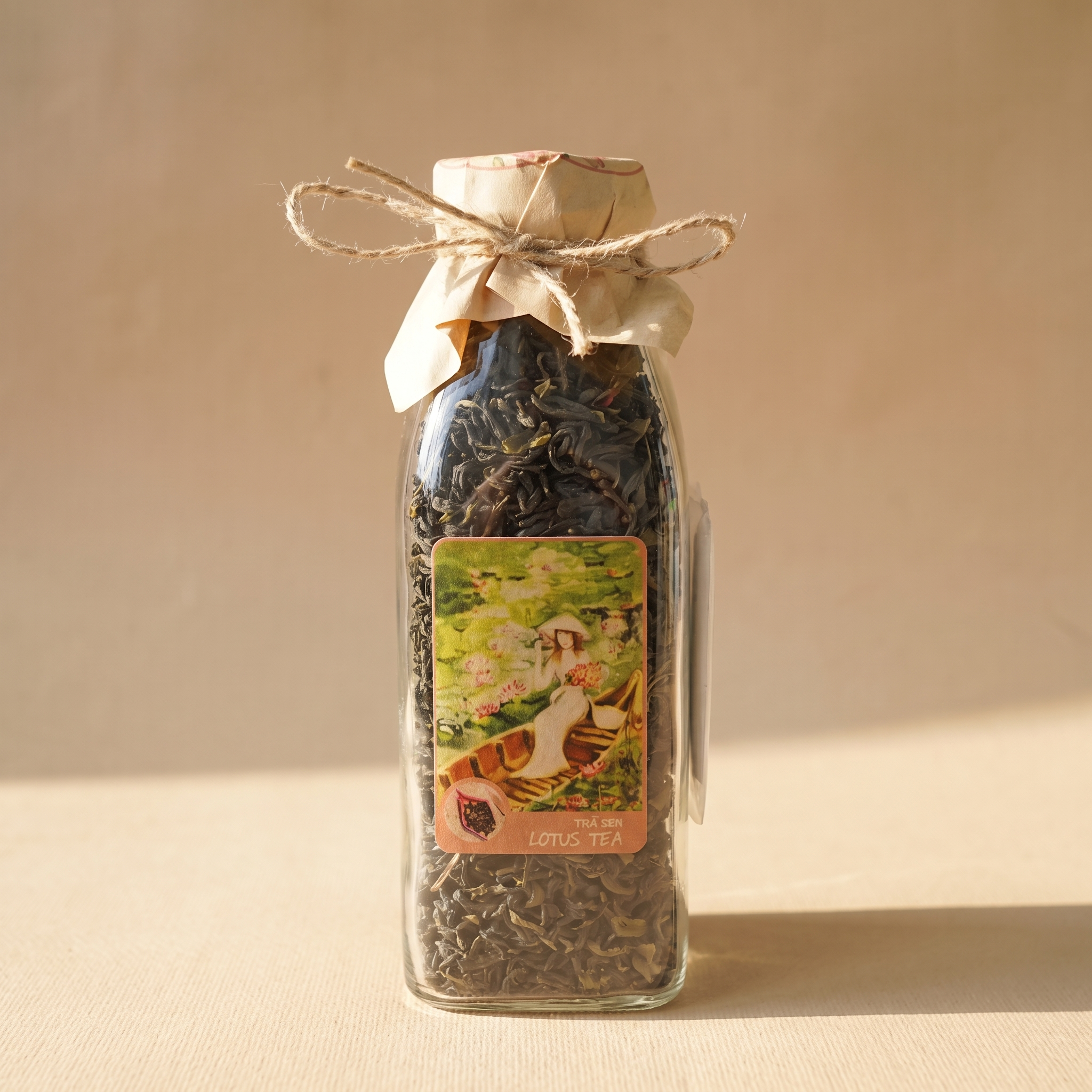
You are looking for something tangible, something that captures the local flavor without the generic feel of a souvenir shop. Dam Market is the primary hub for these authentic blends, particularly for varieties like lotus and jasmine. Located on the ground floor near the dried goods section, it stands out as the only place in the city where you can reliably secure these specific varieties without paying the premium usually associated with tourist areas. By heading here, you move past the generic options found in beachfront shops and land directly in the heart of local gifting traditions, ensuring your gift feels personal and true to the region.
Why Dam Market is the Hub for Authentic Nha Trang Herbal Tea
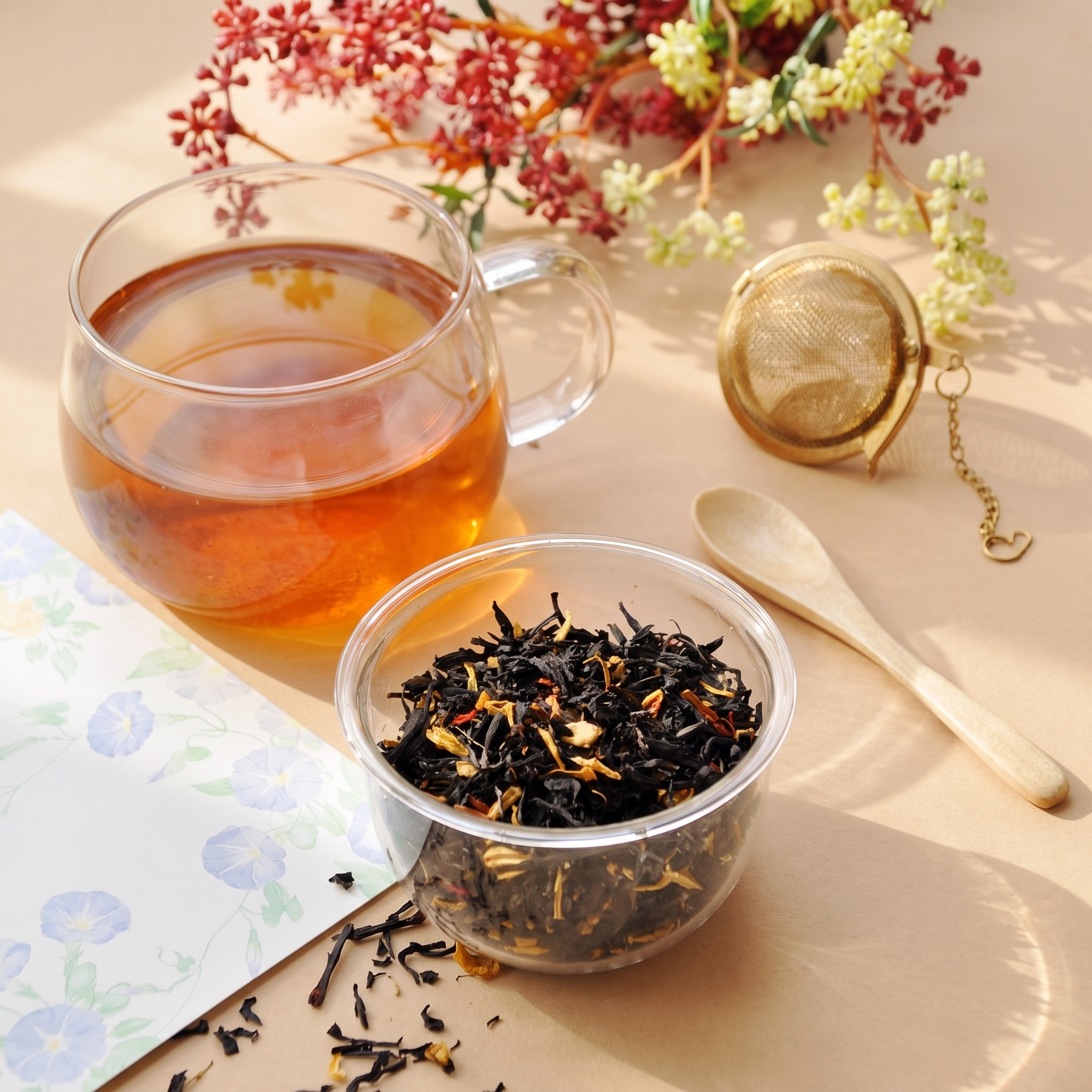
When travelers ask where to buy local specialties in the central city, the answer for dried goods is consistently Chợ Đầm, or Dam Market. While Xom Moi handles the fresh fruit trade and Vinh Hai dominates the seafood sector, Dam Market serves as the primary destination for packaged gifts, including the robusta coffee and herbal blends that define the region’s export profile. It is the central hub for finding authentic, locally processed items without the high markups found in tourist-focused souvenir shops.
The Ground Floor Layout
Finding your way inside this century-old, round building requires knowing the distinction between floors. The tea and coffee stalls are located exclusively on the ground floor, nestled within the main building structure. You will find them in the vicinity of the dried goods and spice sections. Do not head up to the upper level, which is dedicated to fabric sales and tailoring services; you will not find the herbal teas you are looking for there. This specific placement on the ground floor ensures the products are stored in a controlled, dry environment suitable for long-term gifting.
Why Processed Blends Matter
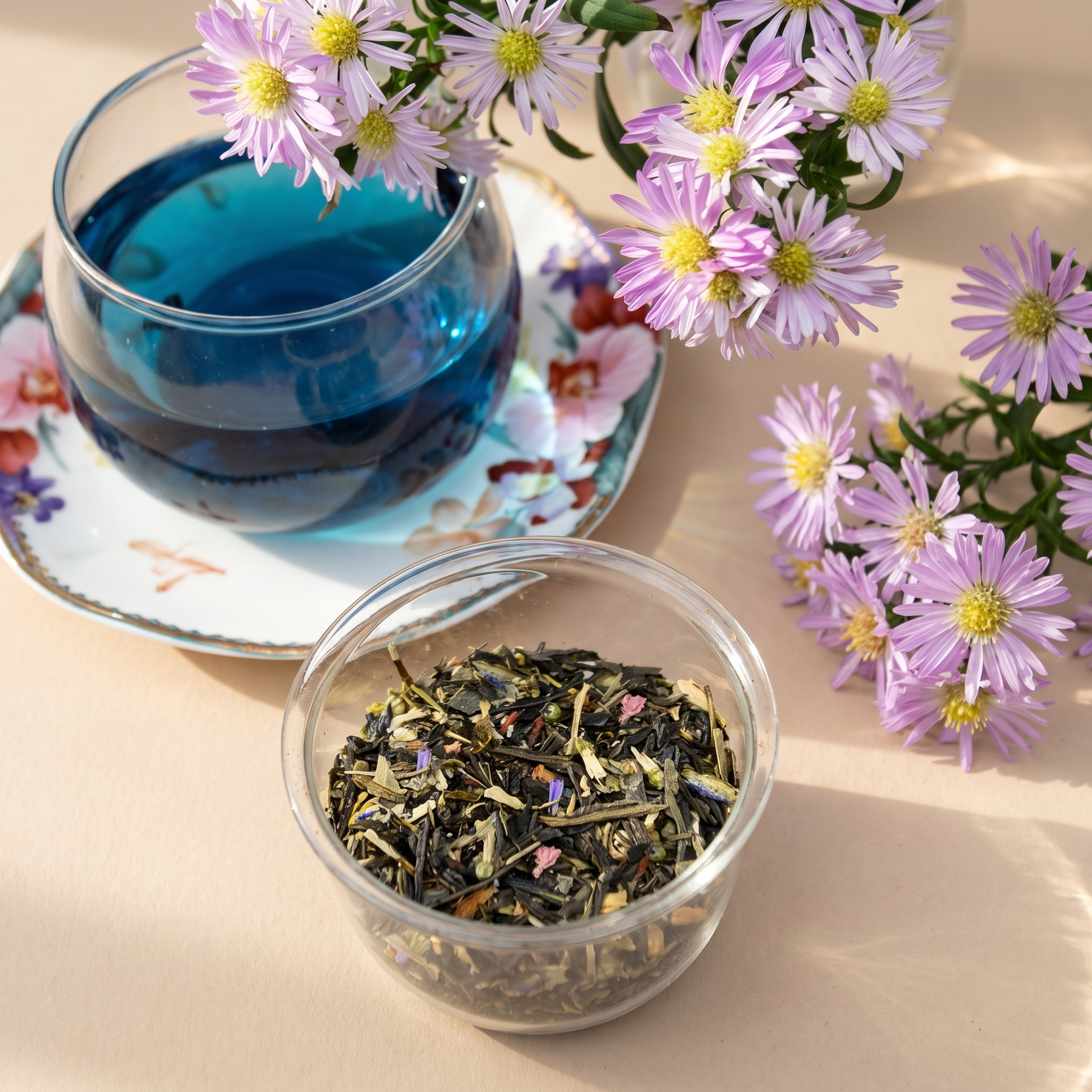
A common concern for buyers is whether the tea is “fresh” from the garden. In the context of gifting, the products at Dam Market are processed, dried, and packaged for stability. These are not fresh garden leaves that wilt in your suitcase. Instead, you are purchasing robusta coffee, which is Vietnam’s signature export, and standardized herbal infusions. This processing makes the items ideal for travel and storage, ensuring the aroma remains intact until the recipient brews them. This focus on processed goods is what makes them suitable for coastal specialty gifts that need to survive a flight.
The Standard Varieties
When you reach the stalls, look for the three varieties that constitute the standard authentic Vietnamese tea exports from this area:
- Lotus Tea: Fragrant and delicate, often scented with lotus petals.
- Jasmine Tea: The most recognizable scented tea, prized for its floral profile.
- Artichoke Tea: A popular herbal infusion that has gained significant popularity in the region.
These specific blends are what local vendors stock in bulk, allowing you to find them at competitive prices compared to specialized retail stores. If your goal is to bring a genuine taste of the central coast home, these three types are the baseline for a quality selection.
Navigating the Ground Floor: Where to Find Tea & Coffee Stalls
Entering through the main gate on Phan Bội Châu Street, head straight toward the interior of the building. The layout of this century-old market places the most practical goods on the lower level. While the upper floor is dedicated to fabric and tailoring, the ground floor houses the dry goods, spices, and beverage sections. To find authentic Vietnamese tea, look for the corridor dedicated to dried products and aromatics, usually clustered in the central aisles of the building.
Recognizing the Right Products on the Shelf
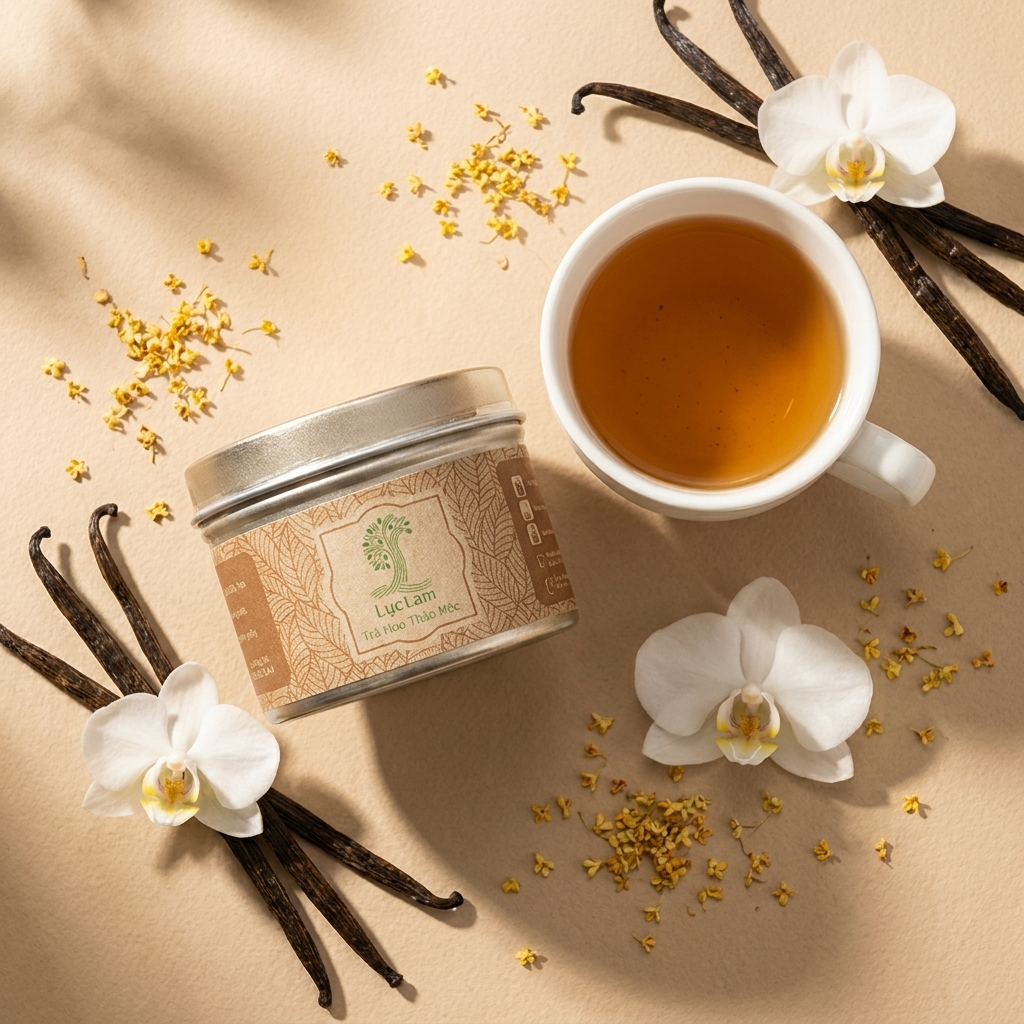
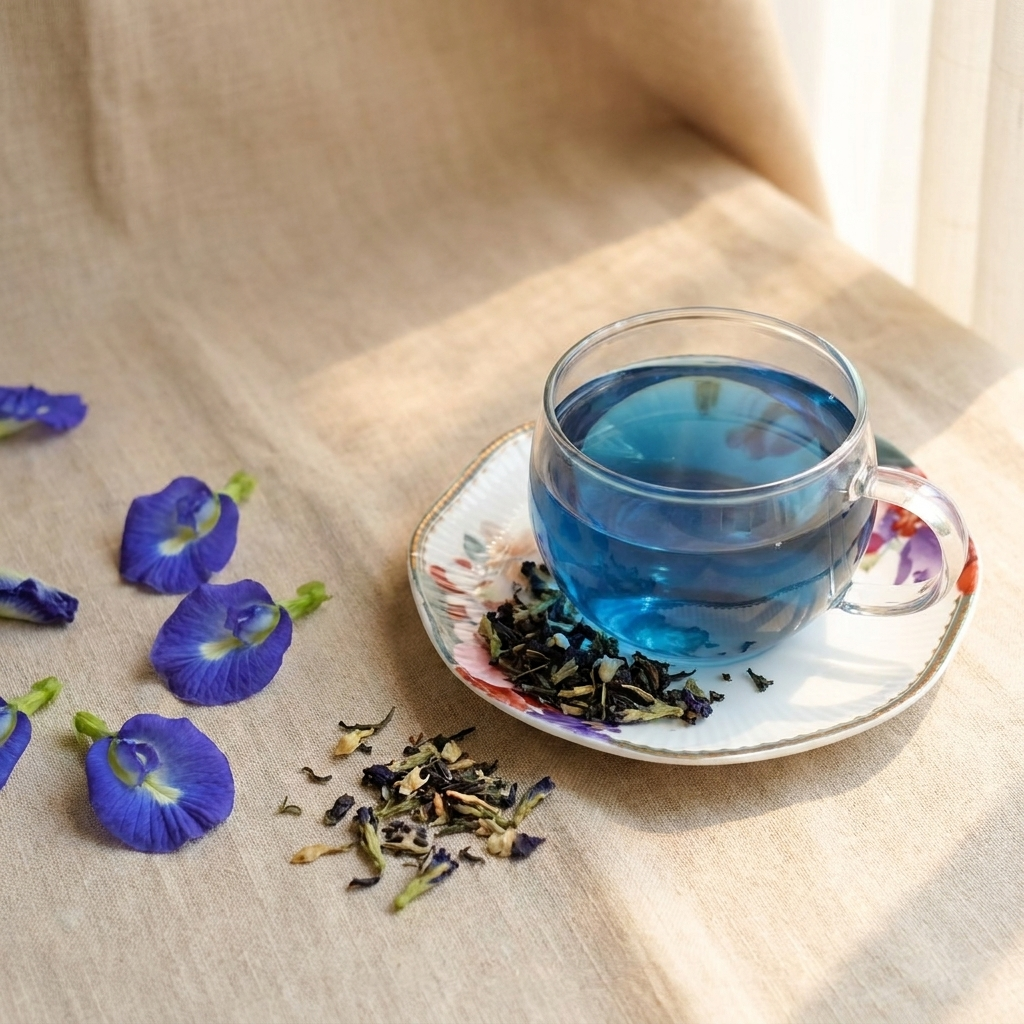
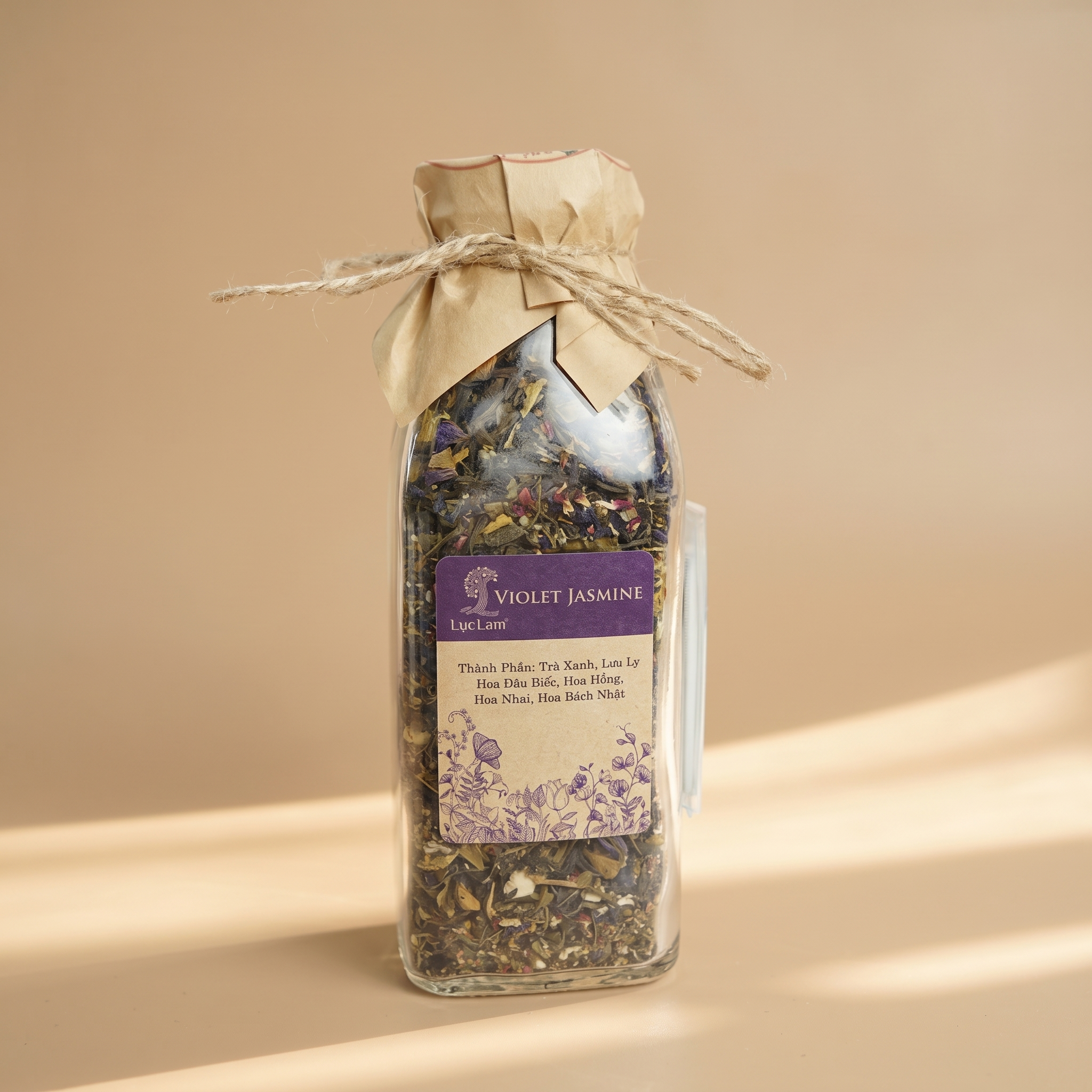
Visual cues help you spot the specific herbal varieties you are seeking. Most stalls display small metal tins, bulk bags of loose-leaf, or individually wrapped pyramid tea bags. The labels are primarily in Vietnamese, but look for bilingual descriptions of flowers. Sen indicates lotus, while sen ha or hoa nhài points to jasmine. Artichoke is often labeled as giảo. If the stall features clear glass jars with visible flowers floating in the tea leaves, it is a strong indicator of a high-quality, artisanal blend rather than a mass-produced commodity.
Distinguishing Between Personal Use and Gifting
A common confusion for travelers is the difference between tea sold for personal consumption versus that intended for gifting. Tea for drinking is typically sold in larger, plain plastic bags of loose-leaf, priced for everyday home use. In contrast, tea suitable for gifting comes in small, decorative tins or refined boxes. These items are often individually packed and presented with a more aesthetic appeal, making them appropriate for colleagues or business partners. If your goal is to bring a coastal specialty gift home, prioritize the boxed sets or tin-packaged options over the bulk bags.
Comparing Coffee and Tea for a Gift Basket
The same section of the market also stocks Vietnamese coffee, including both Robusta and Arabica varieties. This proximity allows for an easy comparison of price points and packaging styles. Since Vietnam is the world’s leading exporter of Robusta coffee, the selection here is extensive and often more affordable than in other parts of the country. Buying a small bag of coffee alongside a tin of herbal tea creates a balanced hot drink gift. The similar price structures mean you can curate a thoughtful bundle without exceeding your budget, ensuring you buy local specialties that reflect the regional character of the coast.
The Golden Rule of Bargaining for Tea & Local Specialties
The first price a vendor quotes for Nha Trang herbal tea is never the real one. At Dam Market, opening prices are typically marked up two to three times specifically for foreign travelers. Understanding this dynamic is essential before you commit to a purchase, as the initial figure serves more as an anchor for negotiation than a final cost. The goal is not to insult the seller, but to engage in the standard rhythm of price discovery that defines the local shopping experience.
Specific Tactics for Tea Purchases
Approach a stall displaying small tins of jasmine or lotus tea. When the vendor quotes a price, such as 150,000 VND for a single tin, your reaction should be one of mild surprise rather than shock. This signals that the quote is too high for the perceived value. Your counter-offer should land at 40–50% of the quoted amount. If the vendor starts at 150,000 VND, offer 60,000 to 75,000 VND. This range is aggressive but fair, as it accounts for the initial markup while leaving room for the vendor to find a middle ground without losing face.
The Walk-Away Technique
If the vendor refuses your initial offer and holds firm at a high number, do not argue. Turn around and start walking toward the next stall. This movement is the most effective lever in the negotiation process. In the majority of cases, the vendor will call out to you within a few seconds, offering a compromise. This final price usually settles between 60–70% of the original opening price. Walking away works because it demonstrates that you are willing to leave rather than pay an inflated rate, which is a common stance for experienced buyers navigating the Nha Trang market scene.
Realistic Price Ranges for Gifting
| Item | Opening Price (VND) | Bargained Price (VND) | Approx. USD |
|---|---|---|---|
| Small tin of herbal tea | 100,000 – 200,000 | 50,000 – 100,000 | $2 – $4 |
| 500g Bag of Coffee | 100,000 – 150,000 | 70,000 – 100,000 | $2.80 – $4 |
For a standard tin of jasmine or lotus tea, you should expect to pay between 50,000 and 100,000 VND after bargaining. This translates to roughly $2 to $4 at current exchange rates. This price point reflects a fair value for a locally processed product suitable for gifting, significantly lower than the 100,000–200,000 VND often quoted to newcomers.
Volume Discount Strategy
To further reduce costs, consolidate your purchases. Instead of buying one tin from three different vendors, ask one vendor for the price of three tins. Vendors are often willing to offer a volume discount when the total transaction increases, similar to the dynamic you might encounter buying fruit at Xom Moi. This approach not only lowers the per-unit cost but also ensures consistency in the quality of the authentic Vietnamese tea you are bringing home.
Comparing Dam Market with Other Nha Trang Options for Gifting
Choosing the right location to buy local specialties matters as much as the item itself. While the entire city offers souvenirs, the type of product and your budget dictate which venue actually works. For travelers specifically seeking authentic Vietnamese tea with a unique, locally sourced feel, the differences between the main shopping hubs are distinct and significant.
The Comparison: Price, Atmosphere, and Authenticity
To make a decision quickly, it helps to see how the three main options stack up. Each serves a different purpose, from bargain hunting to air-conditioned convenience or evening atmosphere.
| Feature | Dam Market (Chợ Đầm) | Night Market | Supermarkets (GO!/Mega) |
|---|---|---|---|
| Best For | Authentic herbal teas (lotus/jasmine) | Souvenirs & atmosphere | Consistent, major brand products |
| Pricing | Best price after bargaining (2–3x markup initially) | Higher prices (2–3x Dam Market) | Fixed prices (no bargaining) |
| Atmosphere | Busy, central, daytime energy | Evening, street stalls, lively | Air-conditioned, quiet, organized |
| Tea Variety | High (specific local blends) | Low (generic tea/coffee packs) | Medium (packaged retail brands) |
Why Dam Market Wins for Herbal Tea
Dam Market is the superior choice for travelers wanting to bring a unique gift home. The stalls here sell locally processed blends, including the specific lotus and jasmine varieties that define the region’s taste. Because you can bargain, you pay a fair price for an item that feels handcrafted rather than mass-produced. In contrast, the Night Market focuses on quick souvenirs with significantly higher markups, and its tea selection is often generic. Supermarkets offer safety and fixed prices, but they lack the artisanal character of a small tin from a local vendor. If your goal is a coastal specialty gift that truly reflects the local culture, the ground floor of Dam Market is where you will find it.
Common Mistakes When Buying Herbal Tea in Nha Trang
Even with a clear goal, travelers often trip up over small details that affect price or quality. Avoiding these five common errors ensures you get a fair deal on authentic Vietnamese tea without wasting your time.
Do Not Rush Into the First Stall
The first vendor you meet is rarely the best deal. Prices for similar items can vary significantly across the ground floor. Take five to ten minutes to walk through the aisle and compare three or four different vendors. This brief inspection lets you gauge the standard price range and identify which sellers are more willing to negotiate.
Verify Packaging Before Trusting Labels
An “organic” or “premium” label does not automatically mean high quality. Check the packaging for recognizable local production marks or well-known blend names. If the source is unclear, it is safer to stick to established brands that are visible in other regions of Vietnam. A vague label often indicates a generic product rather than a special coastal specialty.
Preserve the Aromatic Quality
Jasmine and lotus teas are highly aromatic, and their scent is their main appeal. If you buy loose-leaf tea, an airtight container is ideal for travel. If you opt for bagged tea, ensure the seal is tight before leaving the market. Exposure to air during the wait for the vendor can dry out the leaves and mute the floral notes that make these blends distinct.
Distinguish Between Tea and Coffee
A frequent mix-up is confusing herbal infusions with coffee. Both are popular gifts, but they serve different preferences. Confirm that the item in the tin is actually a tea blend and not a roasted coffee bean. Bringing the wrong beverage type to a recipient can be a disappointing surprise, so read the Vietnamese description carefully to confirm it is a flower or herb blend.
Prepare the Right Cash
Markets in Nha Trang are cash only, and vendors often dislike breaking large bills. Carry a sufficient amount of small notes, specifically 10,000 to 50,000 VND. Having the correct denominations on hand speeds up the transaction and demonstrates respect for the vendor’s time. It also prevents awkward delays when trying to find change for a small purchase like a tin of tea.
The ideal tea-shopping itinerary in Nha Trang starts before 10:00 at Dam Market, when the heat has not yet settled and the crowds are manageable. Head straight to the ground floor dried goods section, walk through three or four stalls to compare prices, and apply the 40–50% bargaining tactic to secure authentic lotus or jasmine blends at fair prices. For travelers looking to buy local specialties, this approach yields results no other market in the city can match.
While the Night Market and supermarkets offer tea, they trade in convenience rather than character. Supermarkets sell fixed-price branded items with little local flavor; the Night Market commands a 2–3x premium for the atmosphere. Dam Market strikes the right balance: the tea here is processed locally, the variety is specific to the region, and the price—after a respectful haggle—reflects the true cost of the leaves. It is the only place in Nha Trang where you can reliably walk away with a tin of authentic Vietnamese tea that actually tastes like the place you just left.
There is a quiet reason these gifts land well back home. In Vietnam, offering a cup of tea is not merely a transaction; it is a gesture of respect and a way of saying, “I was thinking of you.” When you hand a colleague or a parent a small tin of jasmine or lotus leaves, you are not just giving a product. You are sharing a moment of calm, a piece of coastal daily life, and an invitation to slow down. That intentionality is what turns a souvenir into a memory, long after the leaves have been steeped.