On This Page· 5
You hold a stack of 500,000 VND bills, but the vendor at Dam Market has only smaller denominations in the drawer. This is the common friction travelers face when seeking the right Nha Trang souvenirs in a busy environment. Buying fresh local herbal tea here isn’t just about finding a good product; it is about mastering the mechanics of the transaction. A smooth purchase at these authentic shops requires a blend of timing, currency strategy, and cultural etiquette.
This guide focuses on the practical side of your market run. We will cover the specific hours when the supply chain is at its freshest, the exact cash mix you need to avoid payment stalls, and how to compare stalls to get a fair price. By understanding these three tactical elements, you can move through the market with confidence, ensuring your purchase of Vietnamese gifts reflects the true rhythm of local life in Nha Trang.
The 6:00-9:00 AM Window for Peak Freshness
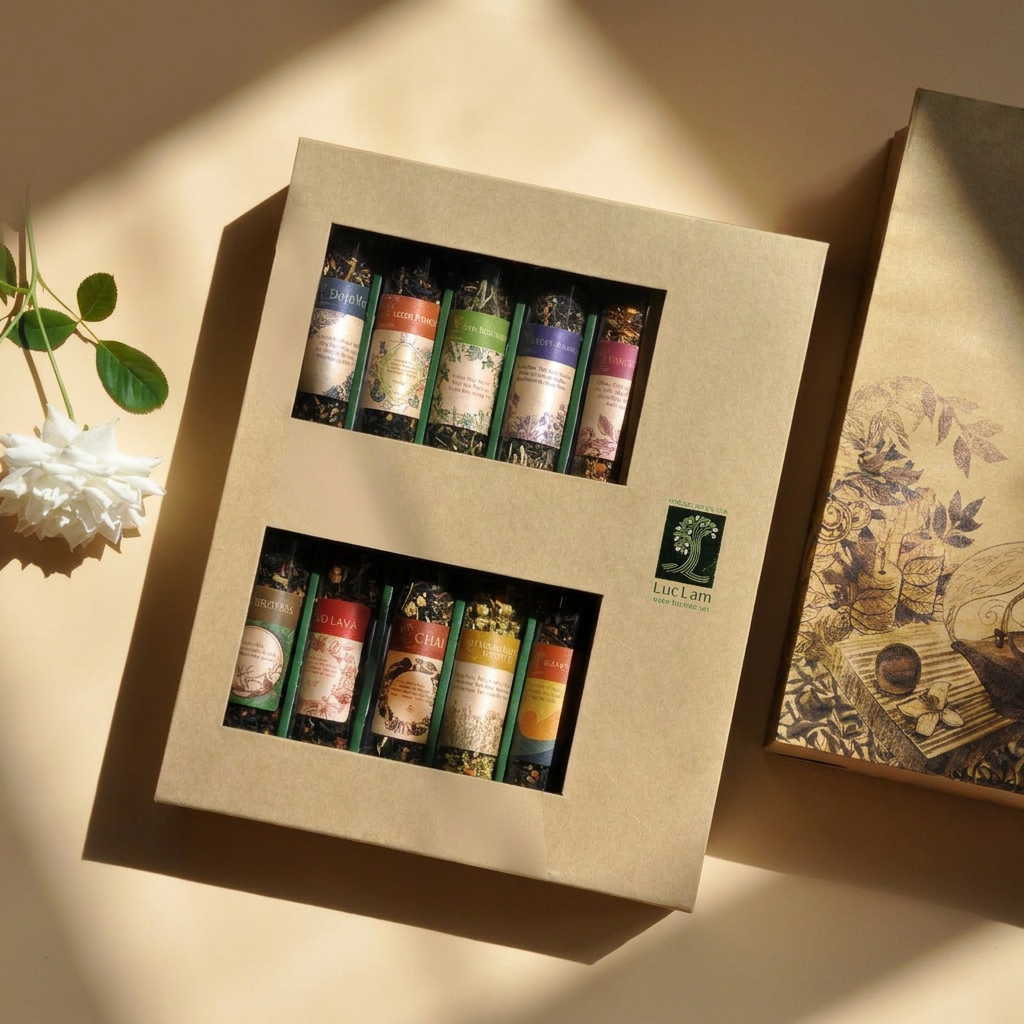
Arrive at Dam Market between 6:00 and 9:00 AM to encounter the supply chain at its most vibrant. This early window captures the moment when fresh herbs and local produce are first sorted and displayed, offering the highest chance of finding the day’s freshest harvests. For travelers seeking Nha Trang souvenirs that reflect genuine local quality, this is the critical time to visit.
Evaluating Quality in the Morning Rush
The morning atmosphere at Dam Market is lively, with vendors actively organizing their stock. This environment allows you to inspect herbs closely. Before making any commitment, use this time to evaluate the physical characteristics of the local herbal tea. Look for bright, consistent colors and strong, distinct scents. A fresh bundle of herbs should smell vibrant, not dusty or stale. This direct sensory check is your best tool for distinguishing high-quality items from older stock that may have lost its aroma.
Afternoon Visits: A Different Pace
If your schedule does not permit an early morning visit, the late afternoon offers a distinct alternative. The market becomes quieter and more relaxed, which is ideal for a calm shopping experience without the crowd. However, be aware that the selection may be limited. By late afternoon, the best of the day’s fresh harvests may already be sold, leaving behind a more modest range of options. While the pace is slower, you trade peak variety for comfort.
| Time of Day | Atmosphere | Freshness Level | Ideal For |
|---|---|---|---|
| 6:00 – 9:00 AM | Lively, busy | Peak, wide selection | Quality inspection, finding top picks |
| Late Afternoon | Quiet, relaxed | Limited, reduced stock | Unhurried browsing, casual strolling |
Use the morning window to secure the items that matter most. Once you have confirmed the quality of the herbs by sight and scent, you can proceed with confidence.
Cash Tactics: Bringing the Right VND for Authentic Shops
You can walk into the most vibrant stall at Dam Market, hold a bundle of fresh local herbal tea in your hands, and still face a dead end: the seller simply cannot break a 500,000 VND note. This friction turns a smooth souvenir hunt into a minor crisis. To buy Vietnamese gifts smoothly, you need to match the local transaction rhythm, and that starts with your wallet.
The Problem with Large Bills
In bustling market environments, cashiers often work with a limited register of small denominations. Large bills slow down the entire line behind you. Carrying a mix of 20,000 and 100,000 VND notes is a practical necessity. These amounts cover the typical price range for small tea tins or boxed herbal blends without requiring the seller to hunt for change. When your cash matches the typical ticket size, the transaction feels effortless and respectful of the seller’s time.
Strategic Exchange for Market Runs
Do not convert your entire travel budget into local currency. Instead, exchange a smaller, specific portion for your shopping days. This approach protects your funds if you leave unspent cash behind, but more importantly, it ensures you have enough small bills to make multiple purchases. If you only have one or two large notes, you will eventually hit the “no change” wall. A smart traveler keeps 5 to 10 small bills on hand throughout the day.
A First-Time Buyer’s Cash Checklist
Preparedness is a form of etiquette. When you can pay instantly, you participate in the market’s flow rather than interrupting it. Before you step into the market, ensure your wallet is ready with:
- A stack of 20,000 VND notes for smaller items like single tea bags or snacks.
- Several 100,000 VND notes for medium-sized gifts or boxed sets.
- One 500,000 VND note as a backup, but do not rely on it for change.
This simple preparation shows respect for the local commerce rhythm. It allows you to focus on the quality of the coastal specialties and the aroma of the herbs, rather than the mechanics of payment. Smooth transactions build a positive first impression with the seller, which often leads to more patience and helpful advice during your browsing.
Navigating Dam Market: Price Comparison and Polite Bargaining
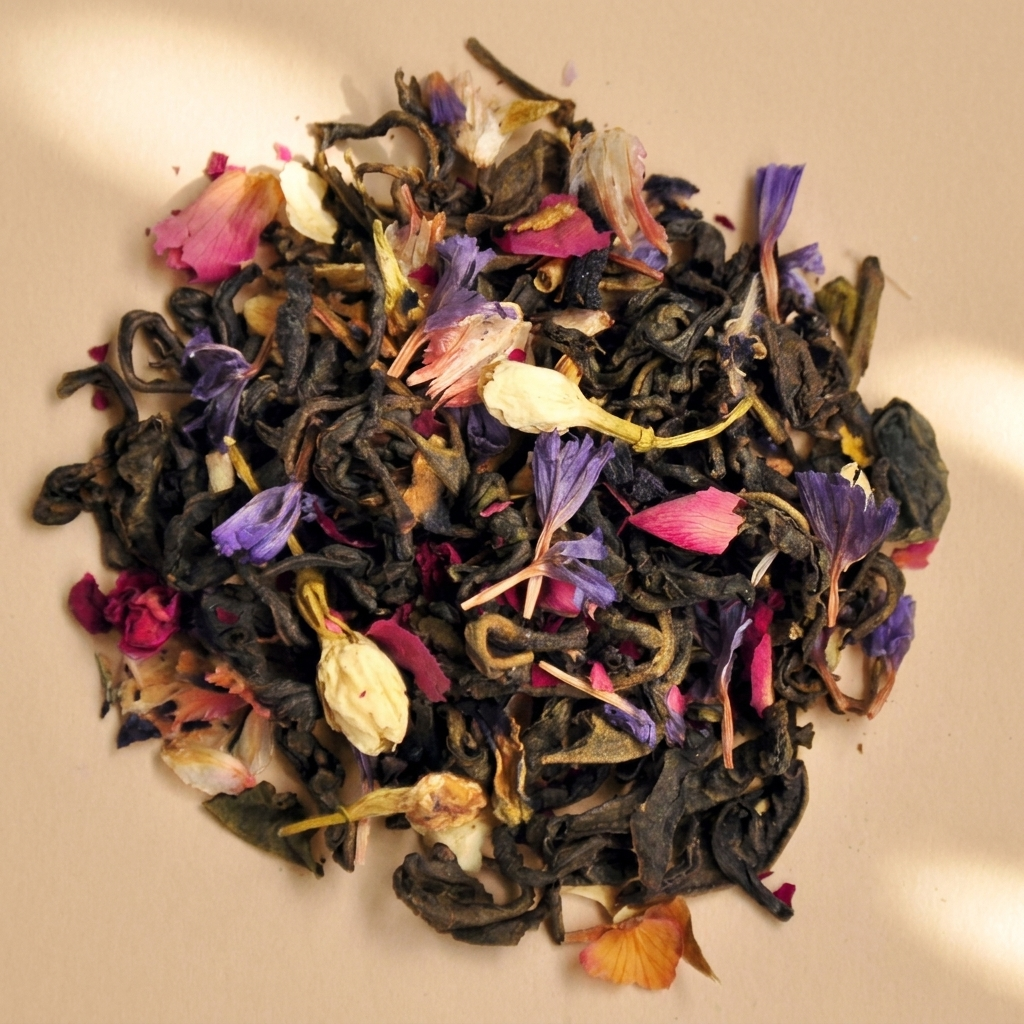
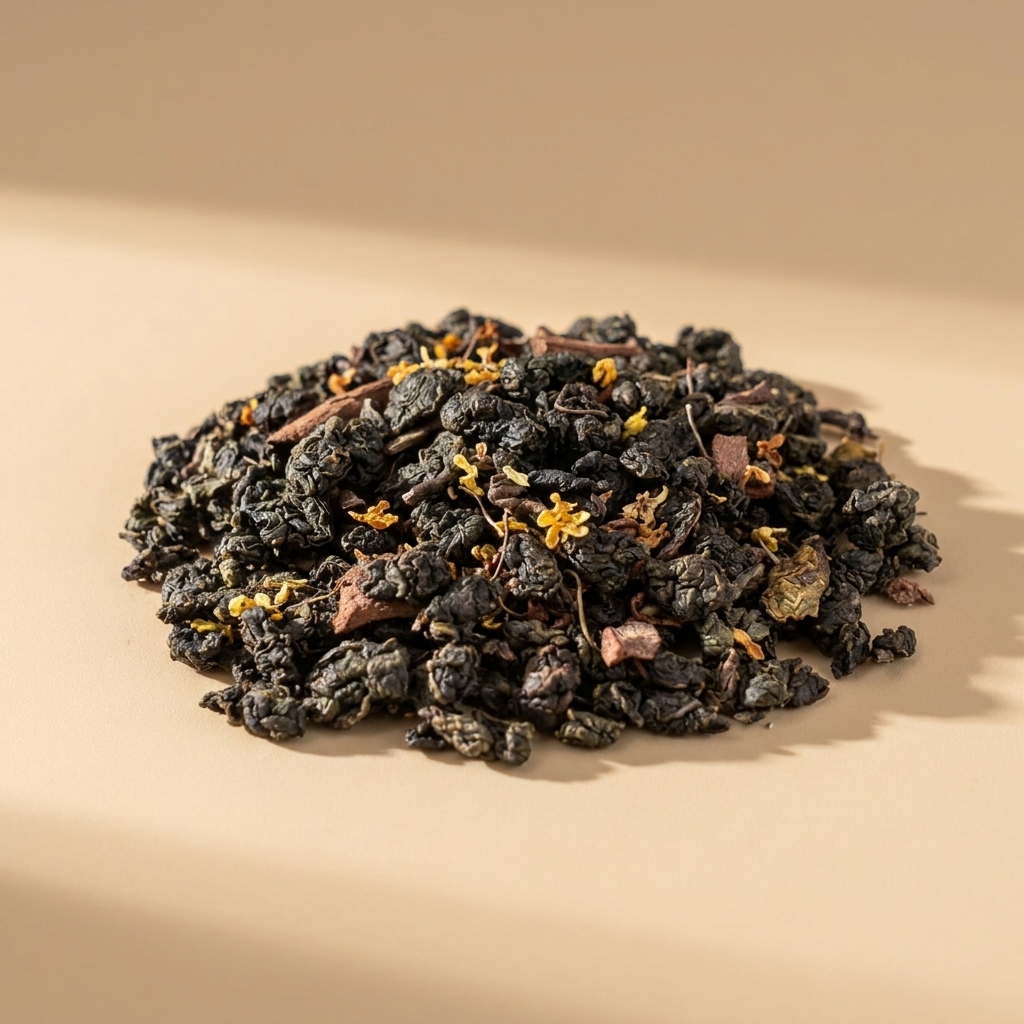
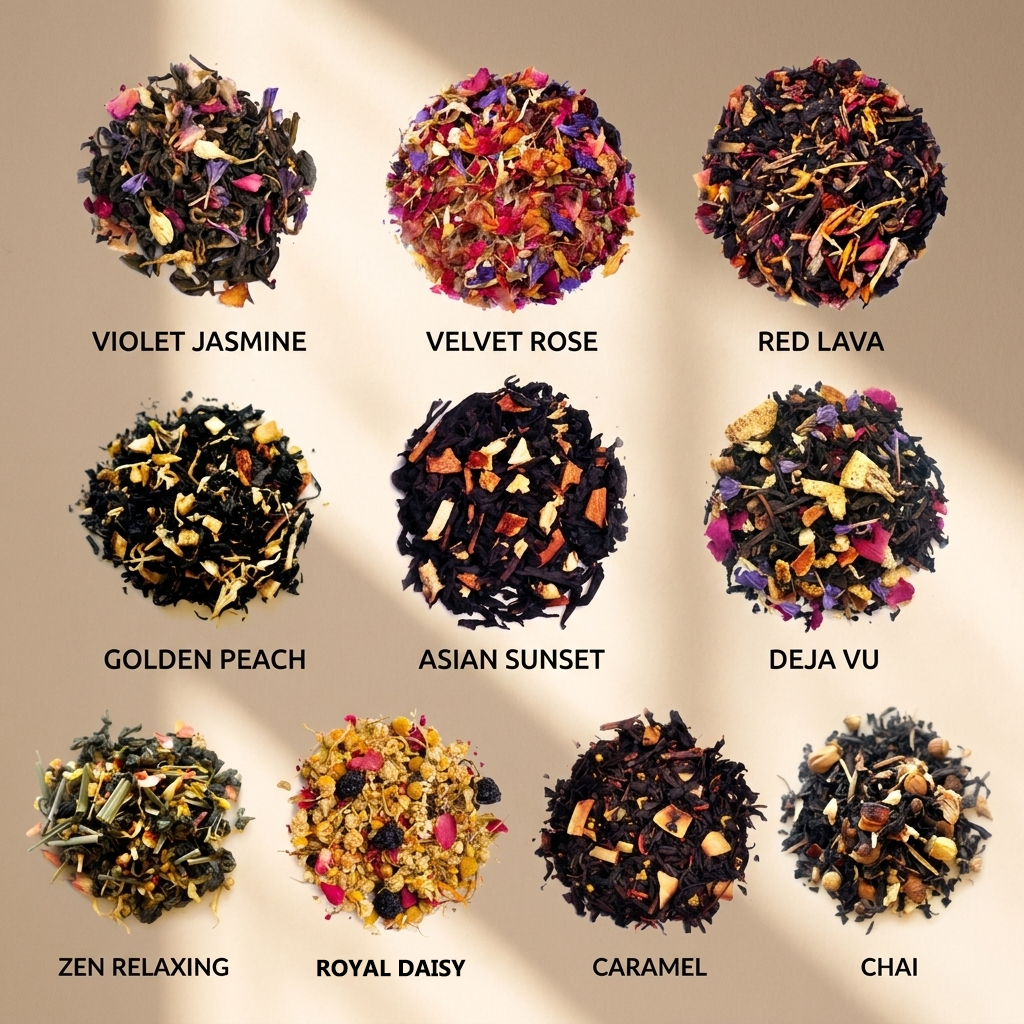
Arriving at Dam Market with your small bills ready, you might feel a flash of hesitation as you approach the first stall. You stand before a vibrant heap of dried jasmine buds, purple cornflower petals, and dark curled tea leaves, wondering if the quoted price is fair. This moment of uncertainty is natural, but it is easily managed with a simple, repeatable method that turns a nervous glance into a confident transaction. You do not need to be a local expert; you just need to know how to read the quality and negotiate with grace.
The Three-Stall Scan for Coastal Specialties
The first rule of buying local herbal tea at any Vietnamese market is to never commit to a price at the first stall you see. Instead, perform a quick “three-stall scan.” Walk through the aisle and visit at least three different vendors selling similar herbal blends. This is your baseline for what constitutes a fair price. By comparing the rates at three distinct spots, you move from guessing to knowing. You will quickly realize that prices for the same type of loose-leaf blend can vary slightly from one shop to the next. This scan is your tactical advantage. It allows you to identify the range of what is being charged for that specific quality of tea, helping you avoid overpaying for a product that is available for less just a few meters away. This brief exercise takes only two minutes but gives you the confidence to approach your chosen seller with a clear idea of what you are willing to spend.
Reading Quality to Justify the Price
Once you have your price range, you need to look closer at the product itself. Why is one stall slightly more expensive than another? Usually, it comes down to the freshness and appearance of the herbs. At Dam Market, the look of the tea tells a story. Fresh, high-quality herbal tea will have vibrant colors and a distinct, pleasant scent. You should look for tea leaves that are whole and not crumbled, or dried flowers that look bright rather than dull. If one stall has a significantly higher price, check if their stock looks noticeably fresher or better preserved than the other two. If the quality is similar across all three, you should aim for the lower end of that price range. This visual check ensures that the money you spend actually buys you a superior product, not just a more expensive tag. It helps you justify your choice to yourself and to the seller when you begin to talk numbers.
The Art of Polite Bargaining
Bargaining in a Vietnamese market is not a contest; it is a part of the local rhythm. The key is to be polite and friendly. When you are ready to buy, start the conversation gently. Do not open with a price that is insultingly low. Instead, start with a figure that is a reasonable step below the seller’s opening price. Keep your tone light and your smile warm. If the seller holds firm or moves only a little, be prepared to accept the final price. Pressing too hard can break the friendly flow of the transaction. Your goal is not to save the last few cents, but to reach a price that feels fair for both of you. When you agree, the seller will often be happy to bag your purchase with a smile. This mutual respect creates a smooth, pleasant end to your shopping experience. You leave with your bag of fresh tea and a feeling of connection to the local culture, which is exactly the kind of souvenir you want to take home from Nha Trang.
Identifying Vietnamese Gifts: Coastal Specialties and Tea Varieties
Choosing the right Vietnamese gifts is less about finding rare items and more about spotting freshness and quality in plain sight. For travelers seeking practical, memorable souvenirs, local herbal tea and coastal specialties offer a perfect balance of flavor and portability. Here is how to distinguish premium products from stale stock at the market stalls.
Reading the Signs: Freshness in Herbal Tea
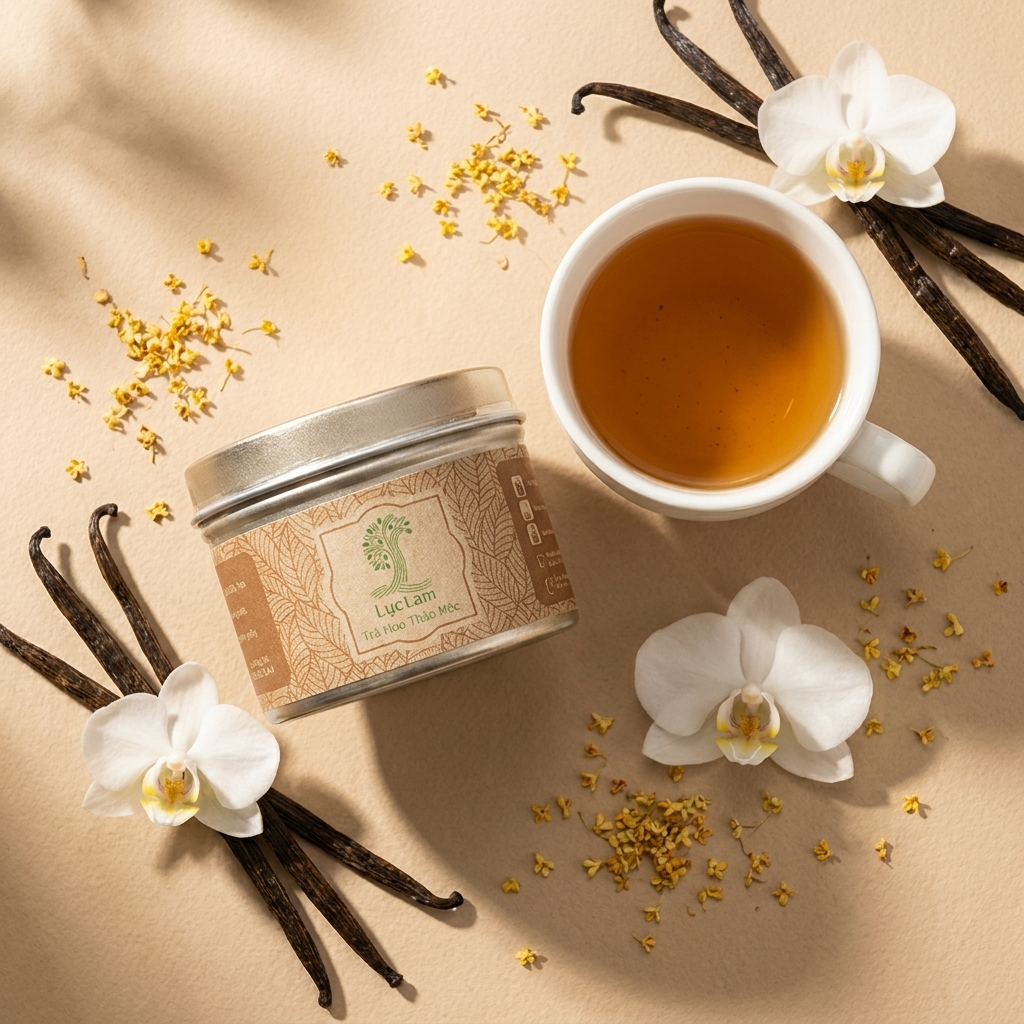
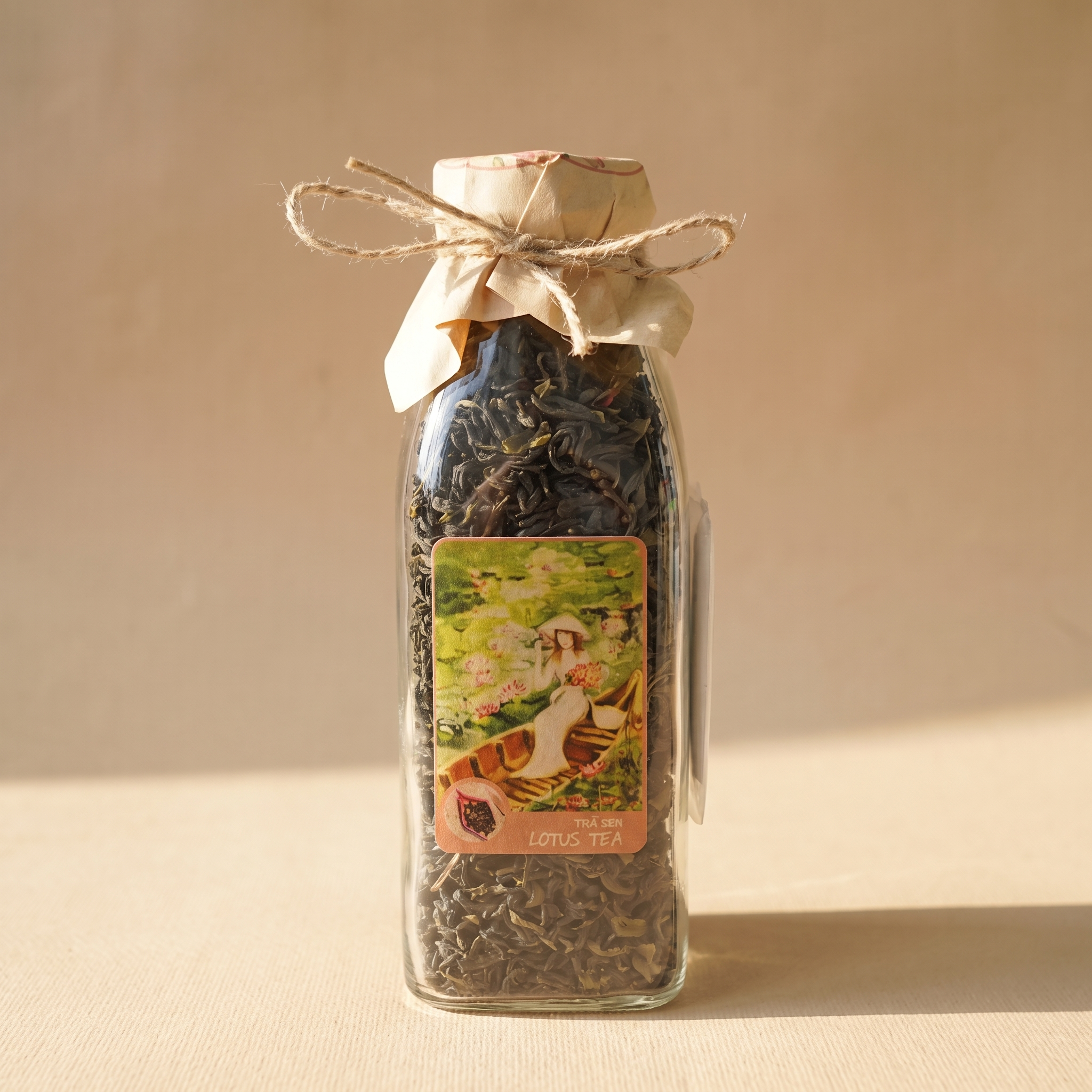
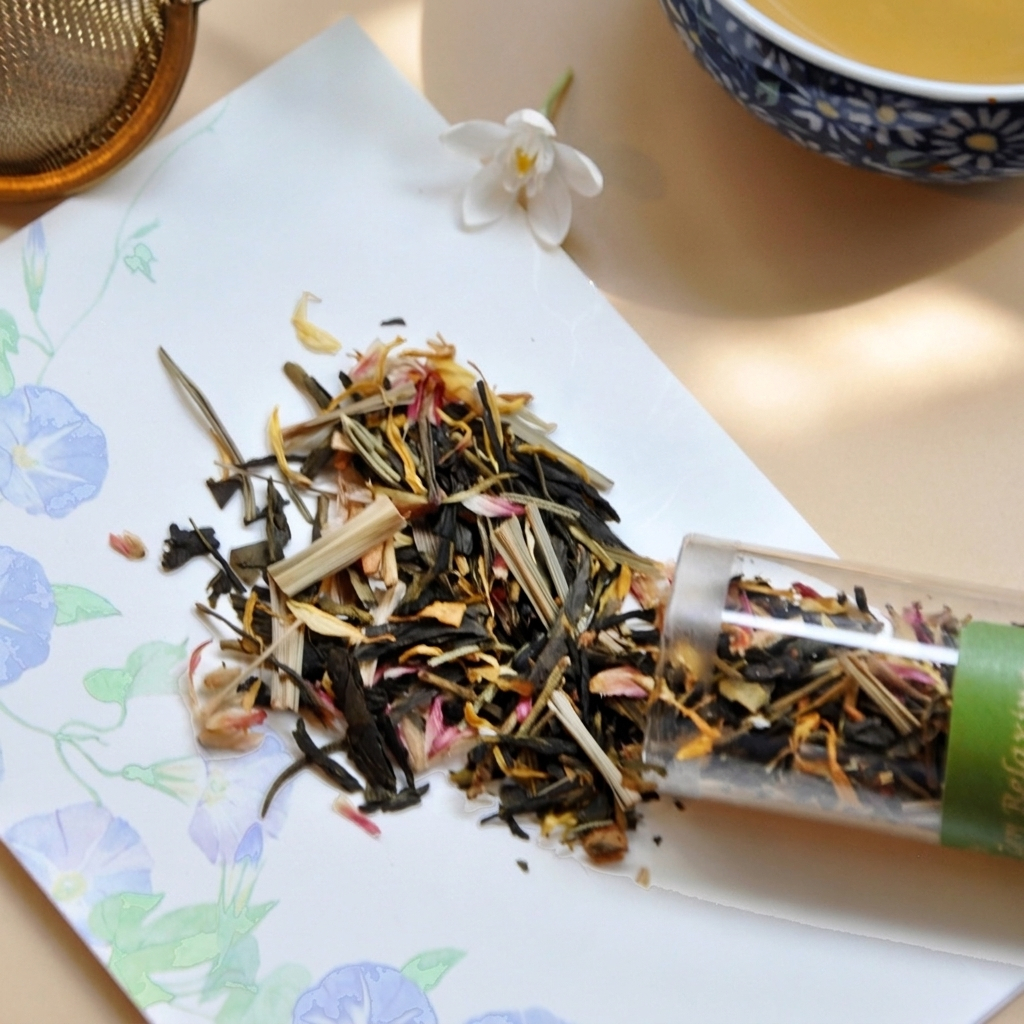
High-quality local herbal tea, particularly jasmine and lotus varieties, reveals its age through visual and aromatic cues. A fresh jasmine blend should display vibrant, distinct petals rather than a uniform brownish sludge. The scent should be bright and clean, not musty or dull. When inspecting loose-leaf teas, look for a consistent texture; dry, crisp leaves that break cleanly indicate proper storage, while brittle or powdery remnants suggest the product is past its prime. Trust your nose: a sharp, floral aroma signals a recent harvest, whereas a flat or earthy smell points to aged stock that has lost its vitality. This simple sensory check helps you avoid overpaying for subpar gifts that will disappoint your recipients upon arrival home.
Curating a Practical Gift Selection
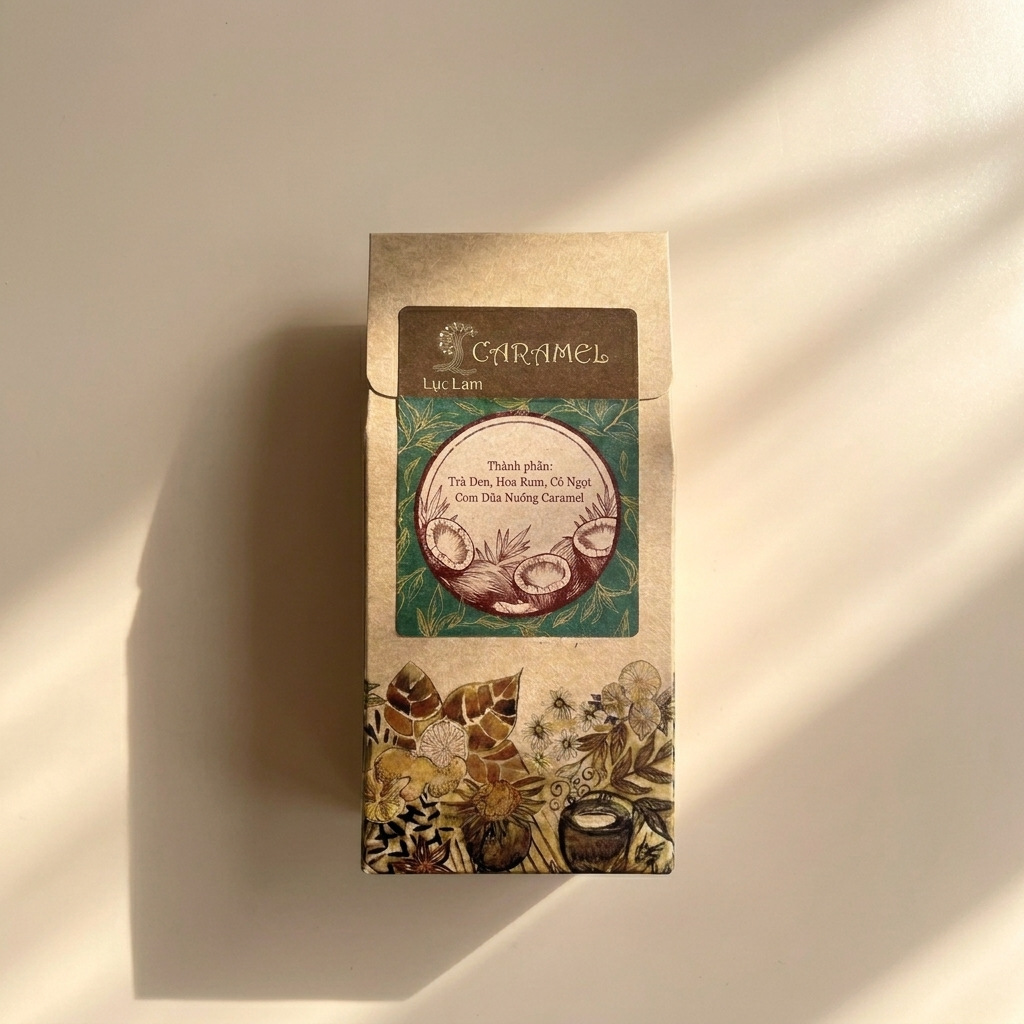
The concept of curated Vietnamese gifts centers on convenience and suitability for various recipients, from family members to business partners. You do not need to fill a suitcase with bulk items. Instead, focus on a few well-chosen pieces that are easy to handle and presentable. Individually packed items or items with refined packaging make the selection process smoother and elevate the perceived value of the gift. By prioritizing quality over quantity, you ensure that each item carries a specific, personal meaning rather than serving as generic clutter. This approach transforms a simple market purchase into a thoughtful gesture that reflects your time spent exploring the local culture.
Pairing Tea with Coastal Specialties
Once you have selected your tea, consider pairing it with other coastal specialties available at the market. Dried seafood items, such as squid or shrimp, offer a savory contrast to the herbal sweetness of the tea. These items are lightweight, non-perishable, and highly representative of the coastal region. Combining a packet of dried fruit with a box of tea creates a complete tasting experience for your recipient. This pairing strategy makes your souvenirs more distinctive and provides a broader taste of the local flavor profile. It is a simple way to create a unique gift basket that feels personal and locally sourced, capturing the essence of your trip without the need for complex assembly or fragile items that might break in transit.
FAQ: Buying Local Herbal Tea as a First-Time Visitor
Most of the friction you feel in the market comes from small assumptions about how transactions work. The answers below clear up the three most common questions for travelers buying local herbal tea in Dam Market.
Can I use credit cards in the market stalls?
No. Cash is the standard payment method at Dam Market stalls, and card readers are rarely available. The seller’s focus is on quick, direct exchanges, not on processing digital payments. This is why the “large bill” problem is so common: you hold a 500,000 VND note, but the tea bag costs 100,000 VND, and the seller has no way to break that note.
To avoid this, exchange a portion of your budget into smaller denominations before you arrive. A mix of 20,000 to 100,000 VND notes ensures you can make exact payments without waiting for change. This small preparation keeps the transaction smooth and respects the rapid pace of the market.
Is it rude to ask for a price in English?
No. Asking for the price in English is standard practice and not considered rude. Most stall owners in tourist-heavy areas like Nha Trang have some basic English or use gestures and numbers to communicate. A simple, “How much is this per 50g?” is perfectly acceptable.
The key is tone. Keep your voice friendly and your attitude polite. A smile and a nod go a long way. If the seller does not understand, point to the item and say the number you have in mind. This direct, visual approach is often more effective than long explanations. Avoid aggressive haggling; instead, ask politely and wait for their response.
How much should I tip the seller?
Tipping is not a standard practice in local markets in Vietnam. You are not expected to leave extra money for the service. In fact, adding unexpected cash can sometimes cause confusion or awkwardness.
The standard form of appreciation is a sincere “thank you” and a fair final price. If you have negotiated a deal, paying the agreed amount promptly and smiling is sufficient. This simple exchange reinforces a positive, respectful interaction. It shows you value their time and effort without imposing Western tipping customs that do not fit the local context. A polite conclusion to the transaction is the best way to show gratitude.
The true value of your time at Dam Market lies not just in the items you carry out, but in the rhythm of the local life you absorb along the way. By treating your purchase as a cultural exchange, you turn a simple transaction into a memorable part of your travel experience. When you select local herbal tea, you are connecting with the daily habits of the community around you, rather than just collecting another souvenir.
You now have a reusable three-step tactical approach for any market visit in Vietnam. First, anchor your visit in the early morning window to access peak freshness and vibrant energy. Second, prepare a mix of small VND notes to ensure smooth and respectful interactions with stallholders. Third, perform a quick comparison scan across multiple vendors to establish fair pricing and quality standards. This method transforms hesitation into confidence, allowing you to navigate the market with ease and respect.
Next time you find yourself in a bustling Vietnamese market, remember that the goal is as much about the journey as the destination. Use these practical steps to find your perfect selection of coastal specialties and refined teas. The best souvenirs are those chosen with intention and experience, making your trip home a little more connected to the place you left.