On This Page· 5
Ask a resident who has spent the last eight months of the year by the bay, and the answer to why they stay rarely mentions the landmarks. Instead, it usually circles back to the taste of the morning fruit or the simplicity of a lunch that felt less like a performance and more like a meal. This unmediated quality is the core of the Nha Trang seafood experience. Unlike its neighbor, Da Nang, which has evolved into a polished metropolitan hub, Nha Trang remains a retro beach town where the daily rhythm is set by the tides and the local market.

For many travelers, the choice between the two cities feels like a debate over popularity. However, the food scene offers a different metric: the quality of the daily experience. In a city that feels more like a lived-in community than a destination, the food is less about curated presentation and more about the immediate, fresh connection to the coast. The best coastal specialties are found not in high-rise restaurants, but in casual, homegrown spots where locals and long-term visitors have settled in for the season.
Why the waterfront defines Nha Trang coastal specialties
Nha Trang functions as a retro beach town where the pace of life is tied directly to the tide, creating a food culture that prioritizes freshness over polished presentation. Unlike cities built primarily for tourism, the daily rhythm here centers on casual, high-quality meals sourced directly from the immediate marine environment.
The lifestyle of water and salt
In this coastal setting, water sports like kayaking, stand-up paddle, sailing, and free diving are a norm, not an exception. This deep integration with the ocean means that local diets are naturally synchronized with the catch of the day. When the waves are calm, the focus shifts to swimming and relaxing; when they are active, the energy moves to the water. This lifestyle dictates a culinary approach that is simple, direct, and unpretentious.
A contrast with Da Nang’s metropolitan feel
Da Nang is often described as a “big city by the ocean,” a newer metropolitan hub focused on infrastructure and development. It attracts those seeking a laid-back yet modern feel with extensive golf courses and easy access to Hoi An and Hue. In contrast, Nha Trang’s food scene is less about polished tourist dining and more about the daily habits of locals and long-term expats. The atmosphere feels more “country” or sleepy, where the quality of the experience comes from authenticity rather than scale.
Why residents stay for the food
People who spend eight months a year in the city often cite the food and fresh fruits as their primary reason for staying, rather than just the beaches. For these long-term visitors, the availability of high-quality, seasonal produce is a key factor in their decision to return. This perspective highlights that the true value of the city’s coastal specialties lies in the lived-in, unfiltered experience of daily life, where a simple meal reflects the natural abundance of the harbor.
What makes the central Vietnam food scene distinct here
The identity of central Vietnam food in Nha Trang is not defined by complex recipes or high-end presentation. Instead, it is rooted in the immediate availability of fresh, local ingredients that are highly seasonal. This focus on raw material quality creates a culinary culture that feels direct and unmediated. A resident anecdote describes eating “the best tasting fruit ever” in the city, illustrating how the quality of local produce influences the broader dining experience. When the ingredients are this strong, the cooking method becomes secondary; the meal is a celebration of freshness rather than technique.
History and pacing
Nha Trang’s food culture benefits from its established history compared to neighboring cities. Da Nang is often described as a “new city” that is still developing its identity as a major metropolitan hub. In contrast, Nha Trang’s longer history as a coastal town contributes to a more settled and less rushed atmosphere. This historical depth allows the local food scene to mature naturally, prioritizing the daily habits of residents over the demands of a rapidly expanding tourist infrastructure.
A relaxed approach to meals
The “chill” and “peaceful” nature of the city, as noted by long-term residents, shapes how meals are consumed. Dining here is often a relaxed activity, enjoyed at street-side stalls or homegrown spots rather than formal restaurants. This environment allows visitors and locals to engage with the food scene at a slower pace, focusing on the taste and context of the meal. The result is an authentic experience where the food reflects the lived-in character of the town, offering a distinct alternative to the polished, high-volume dining found in newer urban centers.
Nha Trang seafood: From the harbor to the table
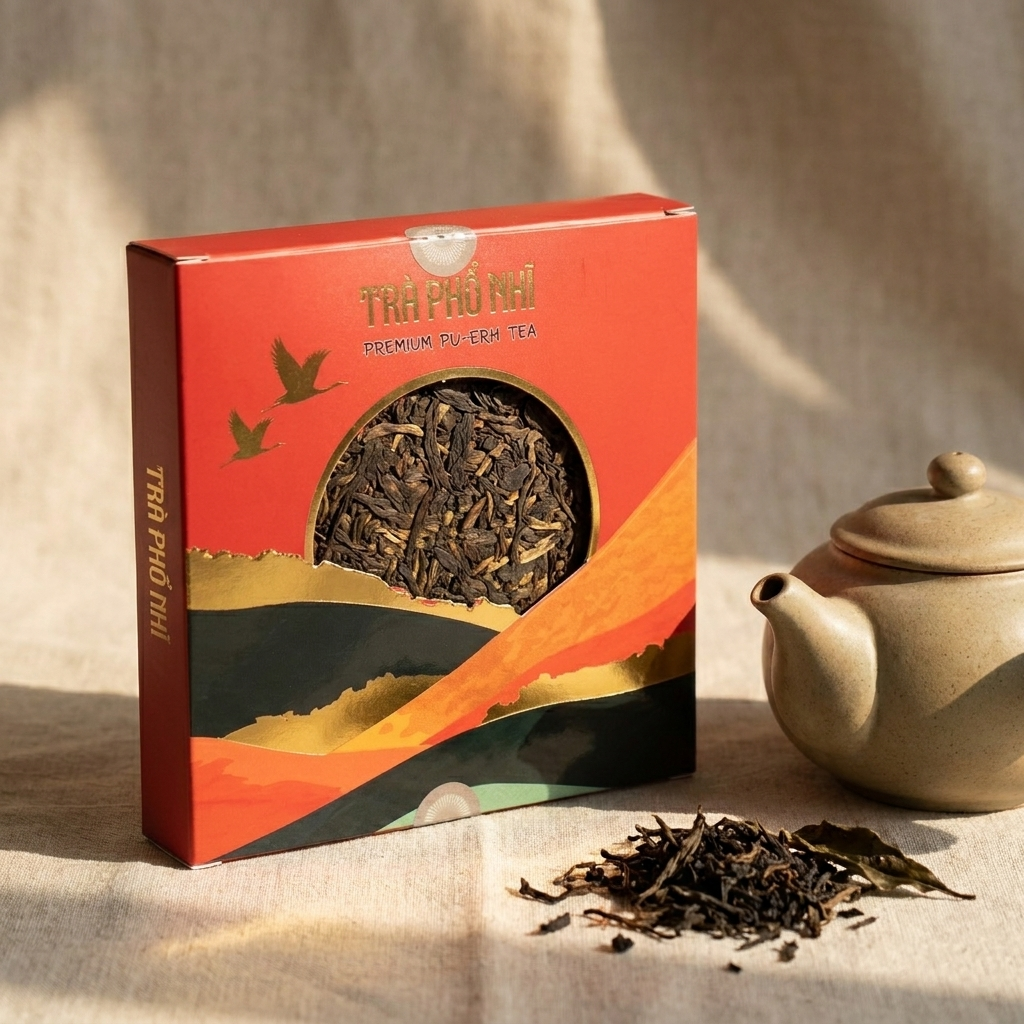
In Nha Trang, the definition of freshness is measured in grams, not menus. While many coastal cities rely on pre-prepared or frozen stock to speed up service, local markets here operate on a more direct model: you select live seafood, weigh it, and take it to a nearby stall for immediate cooking. This practice ensures that the coastal specialties you enjoy are as close to their source as physically possible. The gap between the harbor and your table is minimal, often spanning just a few hours or less.
The insider’s guide to authentic spots
There is a distinct divide between where tourists eat and where residents dine. Long-term residents and expats who live in the city for most of the year know exactly which spots serve the most authentic versions of local fare. These are rarely the restaurants with multilingual menus or aggressive signage aimed at passing day-trippers. Instead, the best meals are found at smaller, less polished venues where the clientele is familiar with the staff and the daily catch. This “insider vs. tourist” dynamic means that finding a truly genuine experience often requires bypassing the obvious tourist-centric options in favor of places that prioritize regulars over foot traffic.
A casual, high-quality routine
Seafood consumption in this part of central Vietnam is not always a grand, ceremonial event. For many locals and long-term visitors, it is a quick, high-quality meal that fits into a relaxed daily rhythm. This casualness reflects the “beach boys” lifestyle mentioned by residents, where the focus is on the immediate, unfiltered experience of the coast rather than on formal dining presentations. The food scene is less about showing off complex techniques and more about delivering fresh, simple flavors that highlight the quality of the ingredients.
Simple preparation over complex presentation
While specific dish names vary by the daily catch, the consistent thread is the method of preparation. The focus remains on simplicity. There is little need for heavy sauces or intricate plating when the ingredient is this fresh. This approach aligns with the broader central Vietnam food culture, which values the natural taste of the product. By avoiding overly touristic presentations, the city preserves the authenticity of its culinary identity, offering a dining experience that feels lived-in rather than performed.
The role of local herbal tea in a coastal diet
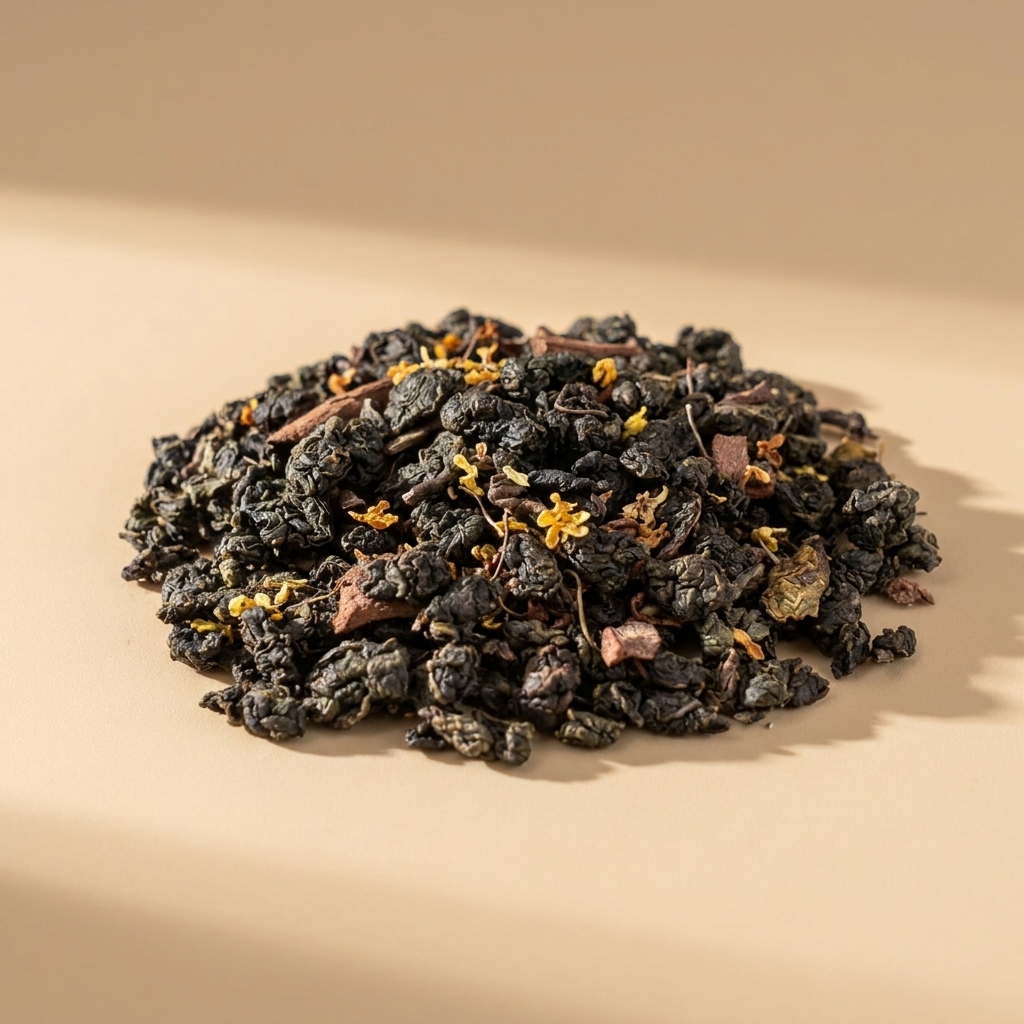
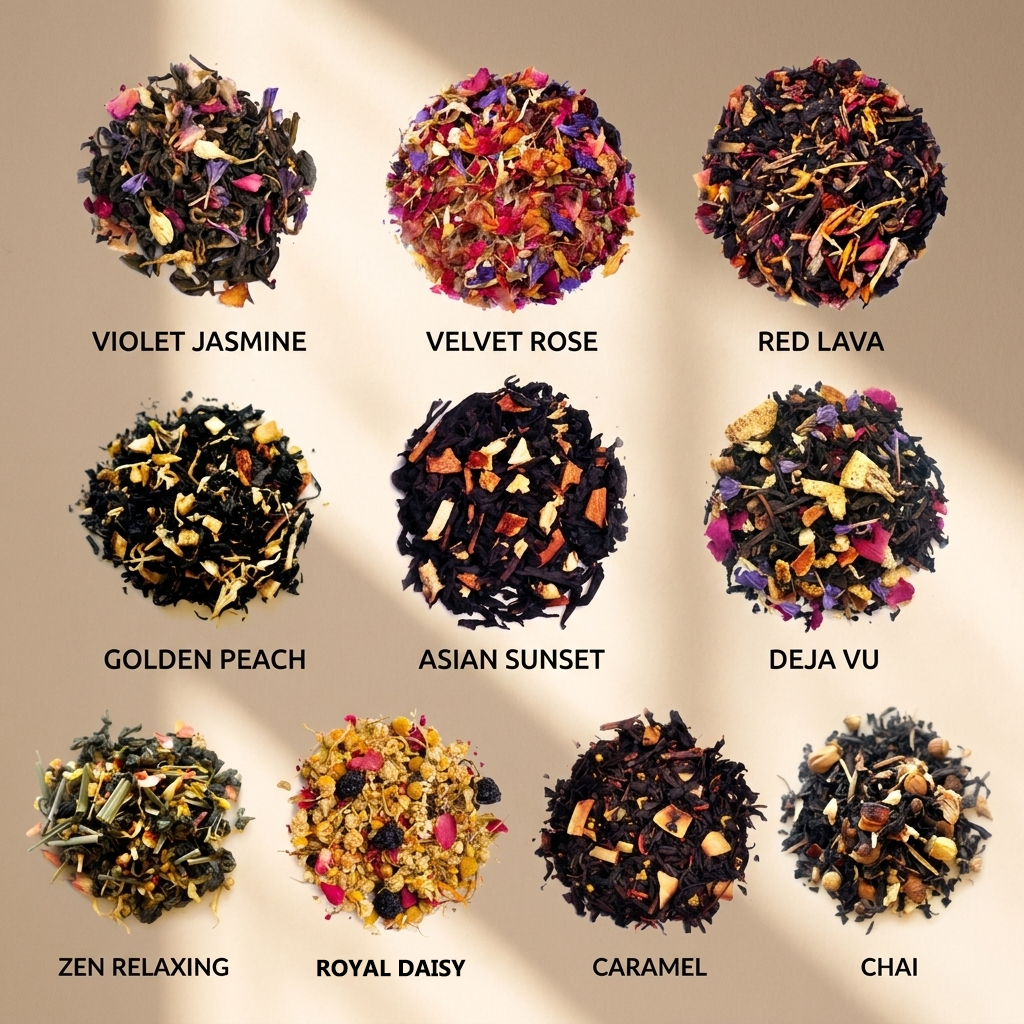
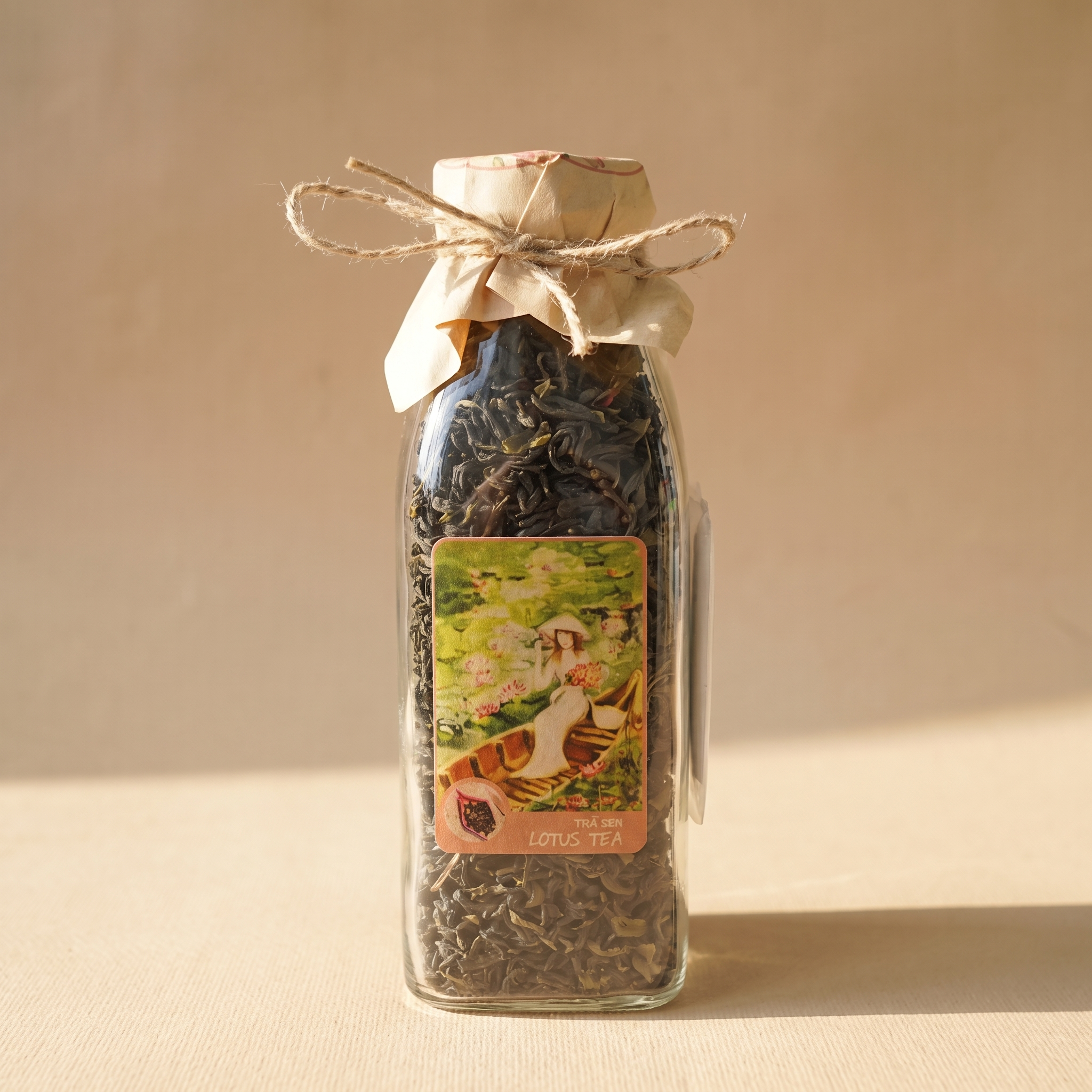
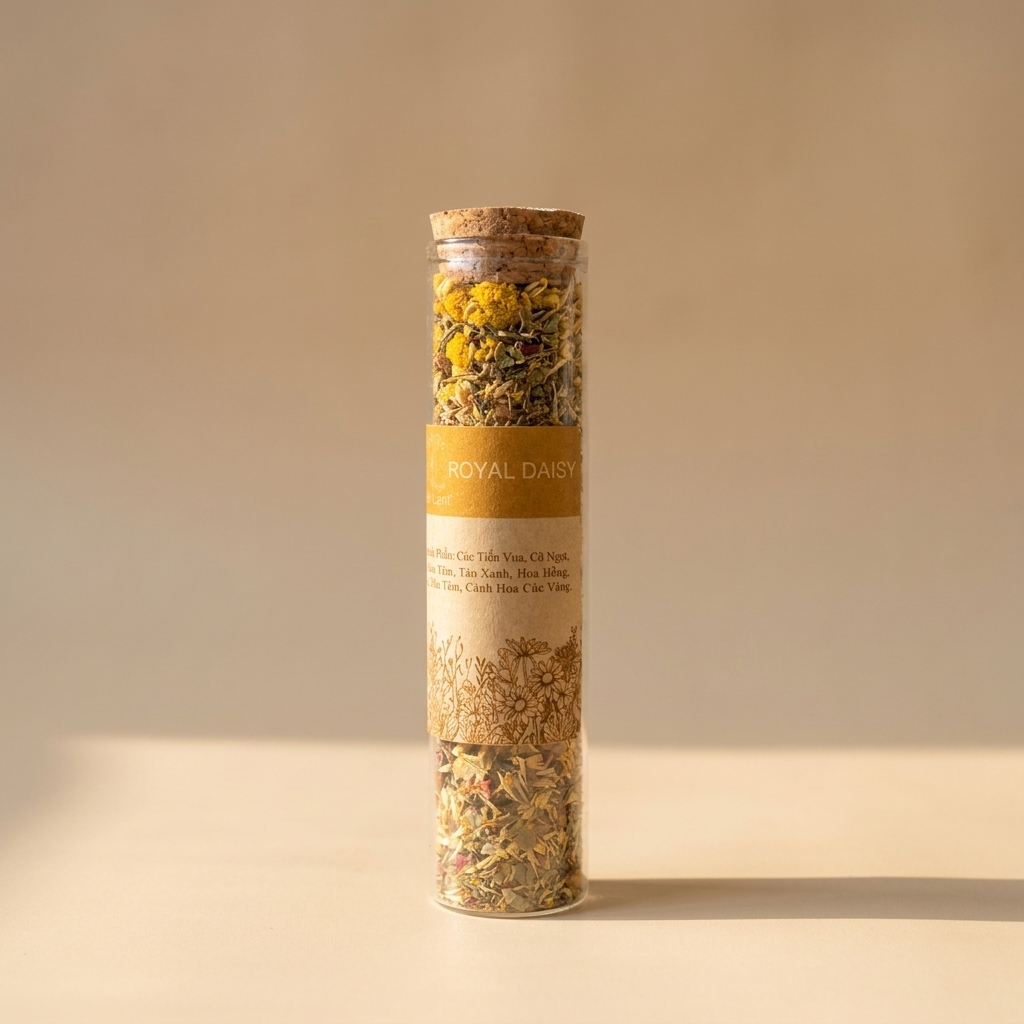
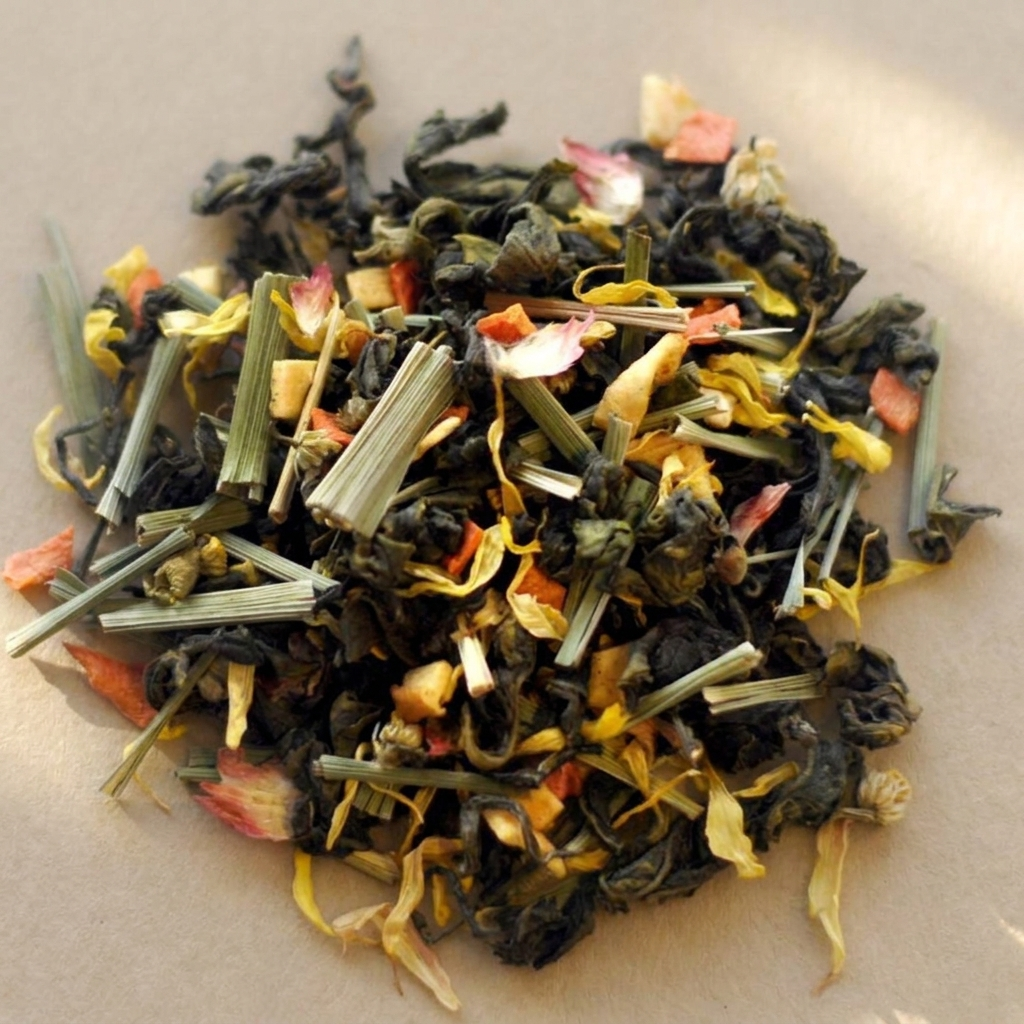
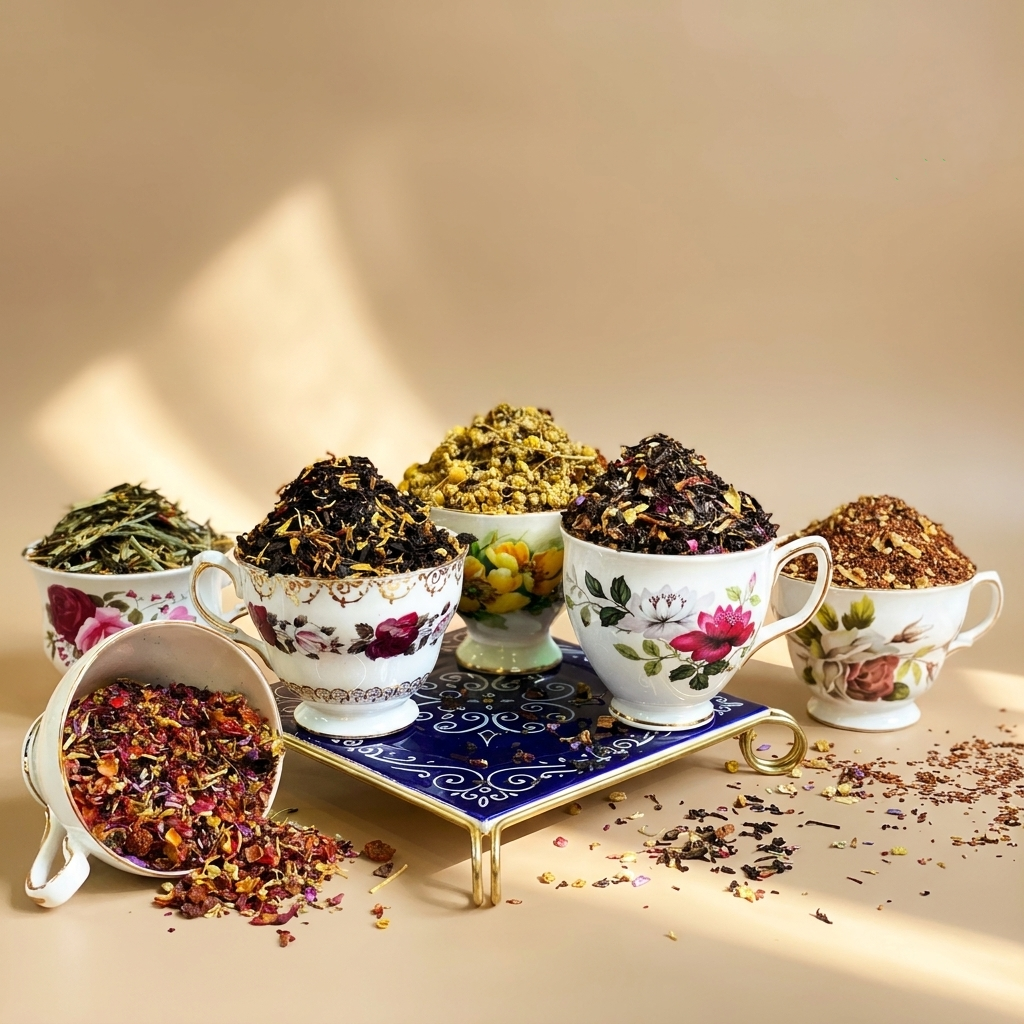
After a plate of rich, freshly prepared Nha Trang seafood, the most natural pause is not a cold drink or a dessert, but a warm, botanical infusion. Local herbal tea serves as the essential counterpart to the coast’s heavy, protein-rich meals, offering a digestive reset that clears the palate without the heaviness of dairy or the caffeine jolt of regular black tea. It transforms the dining experience from a single event into a rhythm of eating, resting, and refreshing.
This practice connects directly to the broader culture of natural, botanical refreshments that define the region’s wellness habits. Long-term residents often cite the availability of fresh, high-quality fruit as a primary reason for staying in the city. This emphasis on natural, unprocessed ingredients extends beyond snacks into beverages. The same attention to freshness that informs the seafood markets applies to the herbs and flowers used in these teas, creating a cohesive approach to daily nourishment.
A traditional, unpretentious staple
In a “retro beach town” atmosphere, luxury is often measured by the absence of pretension. Herbal tea fits perfectly into this aesthetic. It is a traditional beverage that is accessible and unassuming, frequently found in the same casual, street-side settings where locals and long-term expats enjoy their daily meals. You do not need a high-end restaurant reservation to enjoy a quality herbal infusion; it is simply part of the landscape.
Rather than being viewed as a special occasion luxury, this type of drink is a daily staple for those living in the city. Whether it is a simple infusion of local herbs or a more complex blend, its presence reinforces the authenticity of the food scene. For visitors looking to understand the true pace of life in this central Vietnam coastal hub, observing how people conclude their meals with a quiet cup of tea offers a clearer picture than any tourist guide can provide. It is a small, sensory detail that speaks to the deep-rooted, lived-in nature of the local culture.
Navigating the Nha Trang food scene as a long-term visitor
Why is Da Nang more popular? The answer often comes down to infrastructure. Da Nang is a newer city with a modern airport, high-speed rail access, and proximity to historical sites like Hoi An and Hue. For short-term tourists, this convenience is a major draw. However, Nha Trang offers a different value proposition: it is a destination for those who prioritize the quality of daily life over the density of historical landmarks. If your goal is to experience central Vietnam food at its most authentic, the slower pace of this retro beach town allows you to eat like a local rather than a spectator.
Validating the long-term choice
People who stay in Nha Trang for two to eight months a year are the ones who truly understand the unfiltered food experience. Unlike the high-volume tourist traffic in nearby cities, the resident community in Nha Trang forms the backbone of the dining scene. Many long-term expats cite the local produce and fresh ingredients as their primary reason for staying, not just the beaches. This sustained presence creates a feedback loop where eateries adapt to the preferences of people who live there, rather than those who only pass through for a week.
Identifying homegrown spots
To find the best spots, look for an atmosphere that feels lived-in rather than staged. Observe the clientele. A table filled with locals and long-term expats is a strong indicator of a homegrown spot, while a room full of day-trippers often signals a tourist-centric operation. In these authentic settings, the focus is on the food itself. You will find coastal specialties prepared simply, often using ingredients purchased fresh from the harbor that morning. The local herbal tea served in these places is usually traditional and unpretentious, reinforcing the casual, relaxed nature of the meal. This is not a performance; it is a discovery, shaped by the specific rhythm of life in a city that values freshness over flash.
The true measure of a coastal food scene is not the density of its restaurants, but the freshness of its ingredients and the rhythm of its daily life. In Nha Trang, these elements converge in a way that defines the local experience more deeply than any landmark or infrastructure ever could. The relaxed pace allows meals to remain a simple, unmediated act of consumption rather than a staged performance. Picture the city at dusk: the harbor empties, the air cools, and the taste of the sea lingers, encapsulating the essence of a retro beach town where every meal feels as authentic as the tide.