On This Page· 5
You stand in a crowded Hanoi souvenir shop, holding a mass-produced keychain that feels indistinguishable from the identical items hanging on every other shelf. It is a token, not a gift. When it sits on a colleague’s desk or a friend’s bookshelf, it adds nothing to their home and carries no story worth retelling.
Finding authentic Vietnamese gifts that actually mean something requires stepping away from the generic racks. The goal is to locate items with a specific, verifiable origin—crafts that have been refined over centuries rather than days. This guide focuses on four distinct choices: Bat Trang ceramics, Dong Ky lacquerware, West Lake lotus tea, and hand-carved water puppetry. These are not just decorative objects; they are tangible pieces of Vietnamese heritage.
Each of these Hanoi souvenir recommendations fits into a tight 48-hour itinerary. While one item requires a short excursion out of the city, the rest can be sourced within the Old Quarter and nearby neighborhoods. By prioritizing handmade Vietnamese items with a documented history, you ensure the recipient receives a cultural gift that sparks curiosity rather than clutter. The following sections break down where to find each item, how to identify genuine craftsmanship, and how to plan your time to secure these keepsakes before you fly home.
The 700-Year Ceramic Lineage of Bat Trang
While most Hanoi souvenir recommendations focus on the Old Quarter, Bat Trang stands apart as a dedicated production hub just 13km southeast of the city center. For over 700 years, this village has shaped the identity of handmade Vietnamese items through its pottery tradition. Unlike generic market stalls, here the craft is the primary attraction, making it the essential starting point for anyone seeking authentic Vietnamese gifts with deep historical roots.
Visual Identity and Historical Roots
The visual signature of these pieces lies in their characteristic blue-and-white glazes and hand-painted motifs. This aesthetic is not arbitrary; it reflects a centuries-old blend of Chinese ceramic influence and Vietnamese sensibilities. The result is a distinctive style that feels both classic and uniquely local, offering a tangible connection to the region’s artisan history. When you hold a piece, you are holding the outcome of a lineage that has persisted for seven centuries.
Fitting a Half-Day Excursion into 48 Hours
A common concern is time: with only 48 hours, a trip outside the city feels risky. However, Bat Trang is the one item in this list that requires a half-day excursion. The remaining cultural gifts Vietnam enthusiasts seek—lacquerware, tea, and puppetry—are easily found within the city limits. By scheduling Bat Trang for a morning or afternoon, you secure the most historically significant piece without compromising your ability to explore the Old Quarter. It is the one detour that significantly upgrades the quality of your collection.
Shopping Logistics: Market vs. Workshop
Your experience depends on where you buy within the village. The local market offers a wide range of ready-made pieces at various price points, ideal for quick browsing. For a deeper experience, you can visit individual workshops to commission custom items. While custom orders take longer, seeing the process firsthand adds a personal narrative to the gift. For most travelers, purchasing directly from the workshop owners ensures authenticity and often provides better pricing than resellers.
This approach ensures that your purchase is not just a decorative object, but a piece of living history from one of Vietnam’s most renowned ceramic villages.
Why Lacquerware Takes Months at Dong Ky
Genuine lacquerware is defined by its patina, a depth of color that only time can achieve. Artisans in Dong Ky apply dozens of thin layers of sap harvested from the rhus tree onto a base of wood, bamboo, or ceramic. Each layer requires careful sanding and a specific curing period before the next is applied. This labor-intensive cycle means a single piece can take weeks or even months to complete. The time investment is the primary marker distinguishing authentic handmade Vietnamese items from mass-produced alternatives that use synthetic finishes to mimic the look without the structural integrity.
Identifying Authenticity by Hand
When selecting cultural gifts Vietnam, you can verify quality by simply holding the piece. Authentic lacquerware has a substantial heft; it feels solid and weighted in the hand rather than light and hollow like cheap imitations. Examine the surface closely for a uniform, glass-like finish. A key indicator of craftsmanship is the absence of visible seams or joints. If you can see the outline of the base material or feel a ridge where panels meet, the item is likely a lower-grade imitation. A true piece feels seamless to the touch, with the lacquer layer thick enough to obscure the underlying structure completely.
Where to Buy and What to Select
For those who wish to buy lacquerware Hanoi, the Old Quarter offers established shops with fixed prices and curated selections. If your itinerary allows for an excursion to the Dong Ky village itself, you can observe the workshops and often find pieces at direct artisan prices. When choosing items for travel, prioritize compact, durable objects. Jewelry boxes and small bowls are ideal choices; they are culturally significant, resistant to breakage during transit, and small enough to fit into a carry-on bag. These items serve as refined packaging for a gift, conveying thoughtfulness without the logistical burden of oversized luggage. A well-chosen lacquerware piece remains one of the most enduring Hanoi souvenir recommendations for travelers seeking a lasting keepsake from Vietnam.
Lotus Tea and the West Lake Harvest
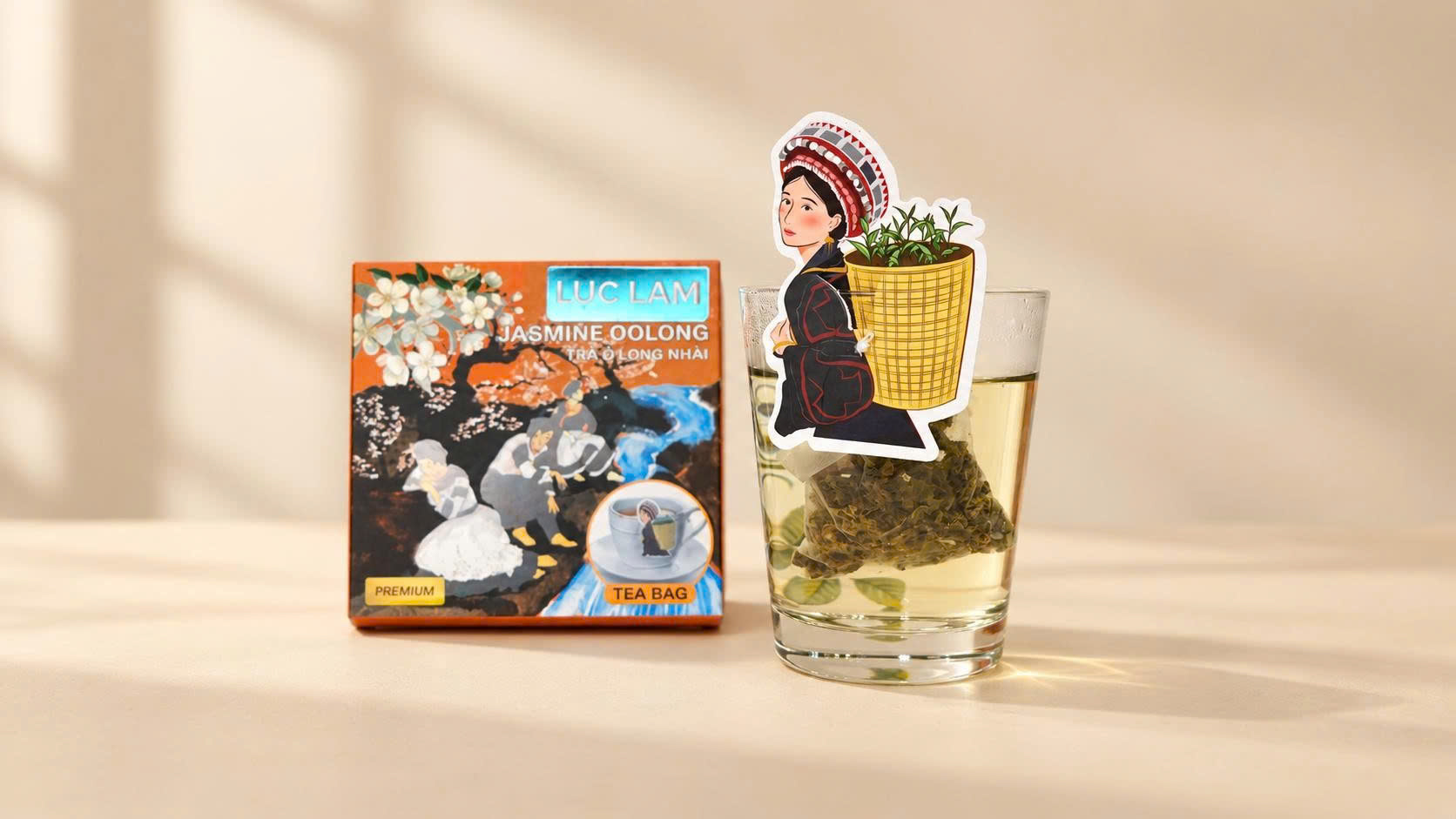
The aroma of a single blooming lotus flower can fill a small room, but capturing that scent in a cup of tea is an entirely different challenge. This is the essence of lotus tea, a beverage that transforms a fleeting summer fragrance into a durable, savored experience. Unlike jasmine tea, where flowers are steamed with leaves, the craft here relies on patience and precision over time.
The Overnight Perfume Method
Traditional lotus tea is made by hand-stuffing the base of each green tea leaf with fresh lotus stamens. The leaves are then left to rest overnight, allowing the tea to slowly absorb the delicate, sweet floral notes from the flower. This process is repeated multiple times over several days to build a complex, layered aroma that lingers on the palate. It is a labor-intensive technique that distinguishes this cultural gift from mass-produced scented teas, resulting in a product that feels both refined and deeply connected to its natural origins.
Origin: The Villages of West Lake
This specific tradition is rooted in the small villages surrounding West Lake (Hồ Tây) in Hanoi. For centuries, these communities have cultivated the lotus flowers used in the tea, creating a local specialty that is difficult to replicate elsewhere. When selecting authentic Vietnamese gifts, this geographic specificity is key. You are not just buying a tea; you are taking home a product tied to a specific place and a centuries-old practice. The water from the lake and the climate of the area contribute to the unique character of the lotus, making the tea a true regional signature rather than a generic commodity.
Where to Source Authentic Tea
Finding high-quality tea in Hanoi requires looking beyond the generic tourist stalls in the Old Quarter. These spots often sell blended or imported teas with artificial flavoring. Instead, visit specialized tea shops that source directly from local artisans and focus on quality. Here, you will find teas that retain the natural, subtle fragrance of the flower rather than an overpowering synthetic scent. A box of genuine lotus tea is a thoughtful choice for colleagues or superiors, offering a sophisticated alternative to standard coffee. It signals that you have taken the time to understand Vietnamese culture, making it a memorable and respectful handmade Vietnamese item to give.
Water Puppetry: The Red River Delta Story
A wooden figure of a farmer planting rice, carved by hand and standing no taller than your palm, tells a story that a printed postcard simply cannot. Water puppetry, or mu roi nuoc, has been performed on the Red River Delta for over a thousand years, evolving from simple fishing dummies into a sophisticated theatrical art where puppets move on submerged strings to depict rural life and legends. This ancient performance tradition offers one of the most distinct options among Hanoi souvenir recommendations for travelers seeking items with deep narrative roots.
The Story Behind the Wood
The art form originates from the rice paddies of the northern delta, where performers historically operated from boats using long bamboo poles hidden underwater. Today, the Thang Long Theatre in the Old Quarter preserves this heritage with nightly shows that capture the fluid grace of the original performances. Watching a puppet dance to the rhythm of traditional instruments creates a direct connection to the village life it depicts. Because these puppets are carved by local artisans who specialize in this specific cultural niche, they represent a tangible piece of the Red River Delta’s history rather than a generic mass-produced token.
Why This Gift Resonates
For someone looking for authentic Vietnamese gifts that spark conversation, a hand-carved water puppet is ideal. It is not just an object; it is a visual reference point for a story you witnessed in Hanoi. Unlike keychains or magnets, these miniature figurines have a narrative weight. You can explain the submerged string technique, the regional origin, and the role of the puppeteer, making the gift a shared experience between you and the recipient. It serves as a sophisticated cultural gift from Vietnam, suitable for colleagues or family members who appreciate arts and history.
Where to Buy with Confidence
Shopping near the Thang Long Theatre ensures you support artisans directly involved in the puppetry ecosystem. Look for small workshops or dedicated gift shops in the immediate vicinity where you can see the carving process or ask about the wood types used. Buying in this specific area helps guarantee that the item is a handmade Vietnamese item crafted for the performance tradition, not a low-cost imitation from a distant factory. This proximity also allows you to verify the craftsmanship up close, checking for smooth joints and natural wood finishes that indicate quality artisan work. By purchasing here, you directly contribute to the preservation of this centuries-old art form, ensuring that the skill of the puppet carvers continues for future generations.
Frequently Asked Questions about Hanoi Souvenirs
What is the most authentic Vietnamese gift I can buy in 2 days?
If you are short on time, focus on items available in the city center. A box of hand-stuffed lotus tea from a specialized shop is a refined, non-fragile option that captures a specific local tradition without requiring a trip to the village. Alternatively, a small piece of lacquerware, such as a jewelry box or a bowl, offers a tangible connection to Vietnam’s artisan history. If your schedule allows for a half-day excursion, the ceramics from Bat Trang provide the most unique provenance, but for a tight 48-hour window, city-center purchases like tea or lacquerware are the most practical choices.
How do I pack fragile handmade Vietnamese items for a flight?
Protection is key when carrying handmade Vietnamese items on a plane. Use the original packaging provided by the shop, as it is often designed to hold the item securely. For ceramics from Bat Trang or delicate lacquerware, wrap each piece individually in soft clothing like a sweater or a scarf. Place these wrapped items in the center of your luggage, surrounded by more clothes, to create a cushioning layer. Avoid placing heavy items on top of them. If possible, carry small, valuable pieces in your carry-on luggage rather than checking them in.
Are the prices in the Old Quarter fair for cultural gifts?
Pricing in Hanoi varies by location. Established shops and galleries in the Old Quarter, such as those selling premium tea or certified lacquerware, typically have fixed, fair prices that reflect the quality and craft of the items. Bargaining is less common in these professional settings. In contrast, open-air markets and street stalls operate on a bargaining model, where haggling is expected and encouraged. If you are buying from an artisan workshop, the price usually reflects the cost of materials and labor, so negotiation is less standard but still possible for larger purchases.
Which cultural gifts are best for business partners?
For business partners, choose gifts that convey respect and thoughtfulness through their presentation. A premium tea box with refined packaging is an excellent choice, as it is universally appreciated and easy to consume. High-quality lacquerware with a smooth finish and no visible seams also makes a strong impression, signaling that the giver invested time in selecting a unique, authentic Vietnamese gift. Avoid items that are overly casual or mass-produced; instead, look for pieces that can be displayed in an office or home, serving as a subtle reminder of your connection to Vietnam.
Choosing a specific cultural artifact over a mass-produced token ensures your gift carries weight. The recipient will not just see an object; they will recall the story behind it—whether it is the 700-year ceramic lineage of Bat Trang or the overnight lotus tea harvest by West Lake. These handmade items transform a simple trip into a lasting memory, bridging the gap between your home and the streets of Hanoi.
If you are planning a longer stay or want to explore more of these artisan villages, consider adding a half-day tour to your Hanoi itinerary to fully appreciate the craftsmanship behind these gifts. It is a small addition that yields a profound connection to the local culture.