On This Page· 7
A ceramic mug from the Old Quarter is just clay and glaze until you know who shaped it. The cultural weight of your Hanoi souvenirs doesn’t come from the object, but from the face behind the workbench.
Most travelers spend their short trip hunting for tokens in crowded markets, leaving with items that look identical to those found on factory floors. This approach strips the gift of its narrative. When you hand a Vietnamese gift to a friend back home, the value isn’t in the material; it’s in the story you can tell about the person who made it.
You likely have only 48 hours in the capital. That is enough time to skip the mass-produced stalls and seek out specific artisan studios where the creator is present. This guide maps the exact shops in the Old Quarter where you can meet the maker, ask about the technique, and take home a piece of authentic Vietnam that carries a human connection, not just a price tag. We focus on local handicrafts and cultural gifts that transform a simple purchase into a personal encounter.
Why the maker’s story elevates a Hanoi souvenir
A ceramic mug purchased from a tourist shop in the Old Quarter is an object. The same mug, bought after a twenty-minute conversation with its creator, becomes a story. This distinction is the core difference between a mass-produced token and a culturally significant handicraft. Mass-produced items offer novelty, but they lack narrative. A local handicraft created by a specific artisan carries the weight of the hands that shaped it and the techniques passed down through generations. This personal connection transforms a simple purchase into a meaningful Vietnamese gift that resonates long after the trip ends.
This transformation relies on what is called the “maker encounter.” A maker encounter is a form of cultural exchange where the buyer meets the person who made the item. This interaction gives the recipient a narrative to share. When you hand a ceramic vase to a friend, you are not just giving them a decorative piece. You are giving them the story of the artist who discussed their inspiration, the process, and the challenges of the craft. Without this human connection, the object remains silent and generic. With it, the item becomes a conversation starter and a tangible link to a specific place and person.
A Hanoi souvenir effectively becomes a “cultural artifact” when the traveler can describe the process and the person behind it. In this context, the physical object serves as a vessel for memory and culture. The ability to explain how it was made and who made it elevates the item from a commercial good to a piece of heritage. This approach addresses a growing need for authentic Vietnam experiences over generic shopping. Modern travelers are increasingly seeking depth over breadth, preferring interactions that reveal the human side of the culture rather than just the commercial side. By choosing shops where the maker is present, you ensure that your cultural gifts carry genuine weight and a distinct identity that cannot be replicated in a large-scale market.
Meeting Artist Quang at Quang’s Ceramic
Walking into Quang’s Ceramic, you aren’t just browsing shelves; you are stepping into a working studio where the owner is actively creating. This specific Hanoi souvenir shop stands out because the artisan is present to discuss the work with you, turning a simple transaction into a cultural exchange.
The maker’s direct presence
Most souvenir shops sell finished goods, but here the process is visible and personal. Artist Quang, the owner, is on hand to explain the nuances of his local handicrafts. When you ask about a piece, he doesn’t just point to a price tag; he shares the story of the clay, the glazing techniques, and the inspiration behind the form. This direct access changes how you view the item in your hands. It is no longer just a decorative object; it is a piece of authentic Vietnam crafted by a specific person with a distinct voice.
A personal connection with your purchase
For travelers seeking a deeper connection, this encounter is invaluable. You can see the care taken in each step of the production, from the initial shaping to the final firing. This transparency builds trust and appreciation for the craft. Whether you are choosing a small ceramic for a colleague or a larger piece for a family member, knowing the hands that made it adds a layer of meaning that mass-produced items cannot offer. It transforms the act of buying into a moment of learning.
A unique experience for visitors
This is a specific type of shop designed for those who value the narrative behind their Vietnamese gifts. The environment is relaxed and inviting, encouraging conversation. You can ask questions about the history of ceramics in Hanoi or simply enjoy the atmosphere of a working art space. Because the creator is present, you get a level of insight that is rare in typical retail settings. This makes it an ideal stop for anyone wanting a souvenir that carries a human story, not just a geographic label.
Watching the sibling artists work at Thien Y
Step into Thien Y Art Gallery and the atmosphere shifts from a typical shopping stop to a living workshop. Instead of browsing shelves of pre-made items, you find yourself watching a brother and sister duo create their pieces in real time. The space is open, with easels and workstations visible from the main entrance, allowing visitors to observe the brushstrokes and techniques that define their style. This transparency is the core of the experience; it transforms the purchase of local handicrafts into a lesson in the creative process, offering a glimpse into the authentic Vietnam that exists beyond the tourist trail.
The talent of this sibling duo is evident in the detail and care they place on every canvas. Their creative process is not hidden behind glass or locked in a back room; it is the main attraction. Visitors can see how a blank surface evolves into a finished artwork, understanding the time and skill required for each piece. This visibility builds a connection between the maker and the buyer that a standard transaction cannot replicate.
Seeing the human side of your gift
For many travelers, Vietnamese gifts are often objects without a story. Watching the artists at work changes this dynamic entirely. You see the faces behind the names, hear their explanations of inspiration, and understand the personal effort involved in each creation. This environment helps you see the human side of your future cultural gifts. When you take a painting or artwork home, you are not just bringing back an object; you are carrying a conversation you had with the people who made it.
Preserving authentic art forms
The gallery also plays a vital role in preserving authentic art forms in the city. By showcasing these specific artistic styles to an international audience, Thien Y supports the continuation of these traditions in a modern context. It ensures that these specific craft techniques remain alive and valued, not just as historical artifacts, but as living practices. This commitment to authenticity is what makes the encounter memorable for anyone seeking Hanoi souvenirs that carry weight and meaning. The gallery becomes a bridge between the traveler’s world and the artist’s life, ensuring that the art you bring home remains a true reflection of its origin.
Hien Van Ceramics: The next generation of Hanoi artisans
Walk into Hien Van Ceramics and you are meeting the future of the city’s craft industry. The studio is run by the children of the founding architect, creating a living bridge between the past and the present. This second generation of makers is not just maintaining a business; they are actively ensuring that traditional local handicrafts remain relevant for modern visitors.
The bridge between generations
The value of these Hanoi souvenirs lies in their continuity. When the founders’ children take the helm, they carry the same technical standards but apply a fresh perspective to their designs. This intergenerational transfer is rare in the fast-moving retail environment of the Old Quarter. It confirms that the techniques used to create these local handicrafts are being passed down, not just sold off.
For the traveler, this continuity is the ultimate proof of authenticity. It tells you that the object you are holding is part of a long lineage of skill, not a one-off production run for mass export. You are buying into a story that has survived multiple decades of change in the capital.
A glimpse into the future
Interacting with these young owners offers a unique window into where Hanoi’s creative scene is heading. They are the ones who will define the aesthetic of Vietnamese gifts for the coming years. Seeing them engage with customers shows the vitality of the craft scene today. It moves the experience from a simple transaction to a personal connection with the next wave of artisans.
This dynamic helps visitors understand that authentic Vietnam is not a static museum exhibit. It is a living tradition, constantly being shaped by new hands. When you purchase from Hien Van Ceramics, you are acknowledging that the art of ceramics in Hanoi is being kept alive by the very people who will lead it into the next decade.
Planning your 48-hour maker-encounter itinerary
Fitting three meaningful conversations into two days is more manageable than it appears, provided you avoid trying to see everything. The three shops discussed above—Quang’s Ceramic, Thien Y, and Hien Van Ceramics—are all located within a short walking distance of each other in Hanoi’s Old Quarter. You can easily complete all three encounters in a single half-day, leaving the rest of your 48 hours for exploring the city, enjoying street food, or taking a break at a coffee shop.
Geography and timing
The key to saving time is understanding the cluster. All three locations are situated near the Hàng Gai area, a main artery of the Old Quarter. Since they are geographically close, you can visit them sequentially without needing a taxi or extensive walking between stops. This clustering is ideal for travelers seeking authentic Vietnam experiences, as it allows for a focused, in-depth cultural immersion rather than a scattered, rushed tour of generic souvenir stalls.
How long to budget
Each encounter typically takes between 30 and 45 minutes. This duration is sufficient to browse the local handicrafts, ask questions about the specific techniques used in the ceramics or paintings, and have a genuine conversation with the maker. If you plan to purchase Vietnamese gifts or cultural gifts, add another 10–15 minutes for wrapping or payment. It is important to treat these visits as appointments with a person, not just a quick stop at a shop. The time you spend listening to the artist’s story is what transforms a simple object into a meaningful memory.
The best time to visit
To maximize your chance of a genuine, unhurried interaction, aim to visit between 10:00 AM and 11:30 AM, or in the late afternoon around 4:00 PM. Midday often brings the heaviest local and tourist foot traffic, which can make it difficult to have a private conversation with the artists. Mornings tend to be quieter and more conducive to focused dialogue. By visiting during these off-peak hours, you give the makers the space and attention they need to share the nuances of their work, ensuring that your Hanoi souvenirs carry the weight of a real connection.
Practical questions for travelers in Hanoi
Are these shops open on weekends?
Yes, most artisan studios in the Old Quarter keep their doors open on Saturdays and Sundays. In fact, weekend visits can offer a distinct advantage for seeking Hanoi souvenirs with a story. While tourist traffic is higher, the studios themselves are often less crowded with local shoppers who might dominate the maker’s attention. This extra space allows for a slower, more meaningful conversation with the artisan, ensuring you fully absorb the narrative behind the piece.
Can I buy cultural gifts like tea or coffee here?
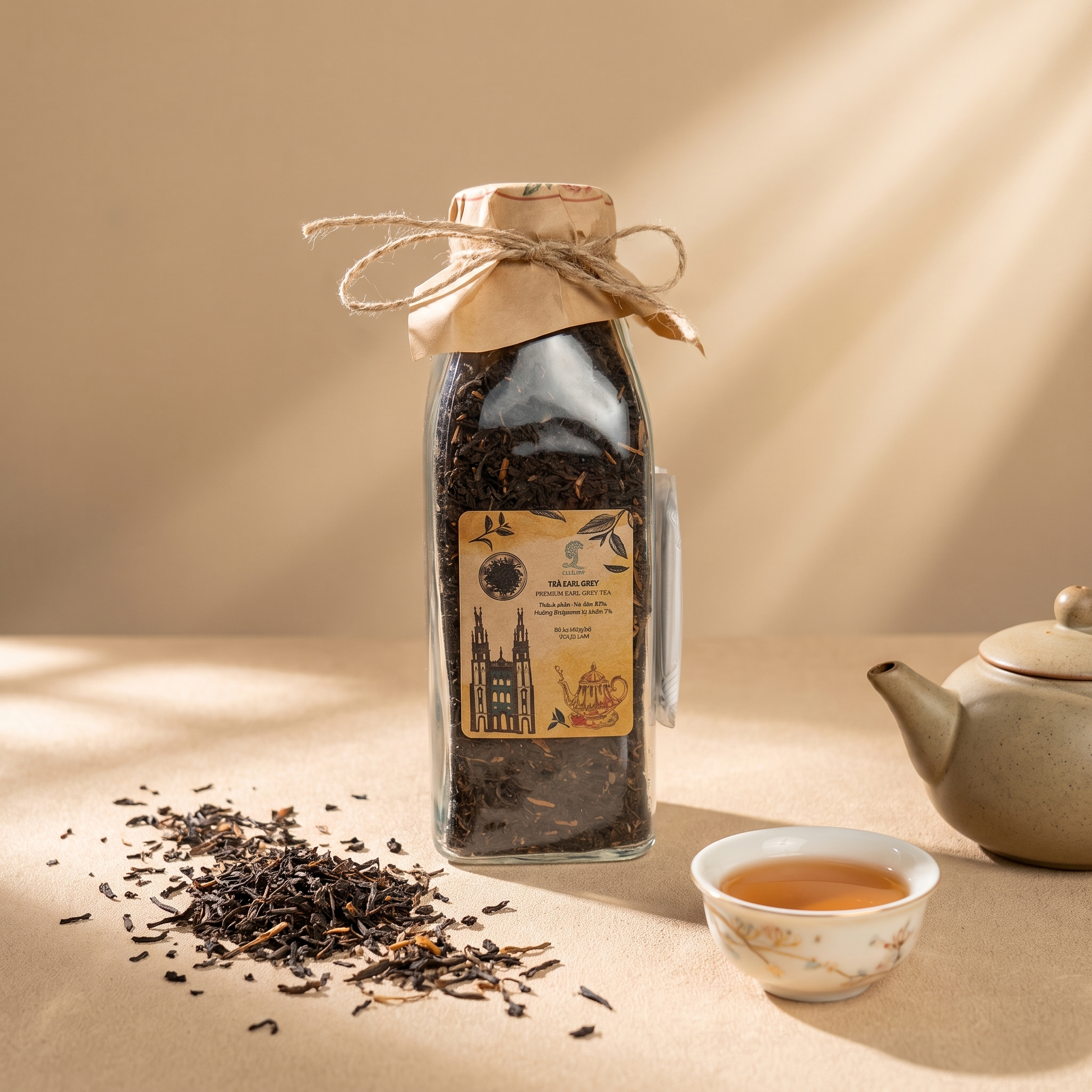
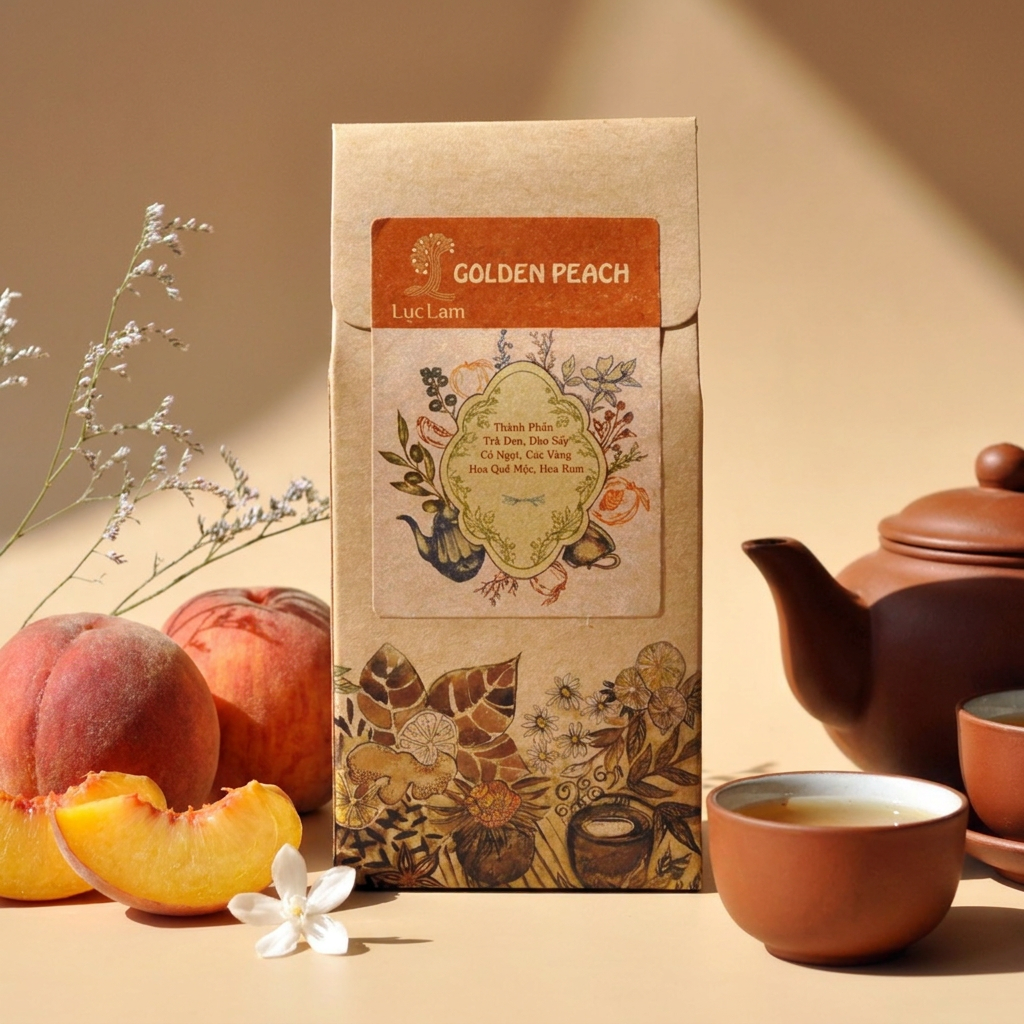
The studios highlighted in this guide—Quang’s Ceramic, Thien Y, and Hien Van—specialize in ceramics and fine art. They are not the place to source Vietnamese gifts like premium tea or coffee. However, they serve as excellent reference points for the quality and authenticity you should expect. To complete your shopping list, step into adjacent streets in the Old Quarter where similar maker-led experiences exist. Look for shops that highlight the origin of their cultural gifts, ensuring every item in your bag carries the weight of a genuine human story.
Is it okay to ask for a discount?
In these specific maker-encounter settings, bargaining is generally not the expected norm. Unlike the bustling stalls of Dong Xuan Market, these studios price their local handicrafts to reflect the artisan’s direct time, skill, and material costs. The value lies in the authentic Vietnam experience of connecting with the creator. Approaching the transaction with respect for the craft, rather than a focus on price reduction, often leads to a warmer interaction and a more memorable purchase.
Takeaway
The object in your hands is only half the story. The other half lives in the conversation you had while it was being made, the details about the glaze, the lineage of the craft, and the specific reasons the artist chose that particular design. When you return home, that narrative is what transforms a standard Hanoi souvenir into a meaningful cultural artifact that your family or colleagues will actually remember.
Approach your time in the Old Quarter with this mindset: prioritize the human connection over the speed of the transaction. Whether you are seeking refined packaging for colleagues or a unique personal keepsake, the value lies in the direct link to the creator. Walk into these studios not just as a buyer, but as a guest in the artisan’s workspace. This shift in perspective ensures that the Vietnamese gifts you carry home remain connected to the authentic Vietnam experience long after you have left the city.