On This Page· 6
You step into the humid, narrow corridors of Ben Thanh Market, eyes scanning for a perfect tea gift, but the reality hits quickly: finding authentic, hand-processed tea here is more difficult than it looks. While the market is an iconic landmark for visitors buying tea in Vietnam, it is not the ideal source for artisan products. The environment is driven by high-volume retail and aggressive sales tactics, where the primary goal is turnover rather than curation. If you are searching for artisan tea in HCMC that reflects genuine craftsmanship, relying on the busiest tourist stalls may lead to disappointment and inflated costs.
The core issue is structural. Most goods in Ben Thanh are sourced wholesale from Binh Tay, meaning you pay a premium for location rather than quality. Additionally, the intense pressure from vendors can obscure your ability to evaluate the product itself. Instead of focusing solely on the famous market, this guide shifts your perspective to what truly matters: distinguishing hand-processed leaves from factory blends and identifying the specific locations where you can actually find quality. We will explore why the dynamics of Ben Thanh tea stalls work against careful tea selection, how to spot the visual cues of authenticity in any HCMC market, and where to look for authentic tea shops that offer a calmer, more rewarding experience for your gift search.
Why Ben Thanh Isn’t the Best Home for Artisan Tea
Walking through Ben Thanh Market, the air is thick with the scent of spices and the buzz of commerce, yet finding genuine artisan tea is harder than it looks. The market’s famous vibrancy masks a structural reality that often surprises visitors: the high costs of operating in this iconic location significantly impact the final price of goods. For travelers seeking to buy tea in Vietnam, understanding this dynamic is crucial before reaching for your wallet.
The hidden cost of a famous location
The primary driver behind inflated prices at Ben Thanh tea stalls is the overhead associated with their prime location. Vendors pay substantial rent for their stalls, which requires them to reach high sales quotas just to cover expenses. This financial pressure forces a significant markup on every item sold, regardless of the product’s intrinsic value. When you purchase a bag of tea, a portion of that cost goes not toward the leaves or the processing, but toward the landlord. This is why the same quality of product can command a much higher price here than in other parts of Ho Chi Minh City.
Sourcing and the pressure to sell
Most of the goods found in Ben Thanh are sourced from Binh Tay Market, a nearby wholesale hub. Since Binh Tay is the direct source for many of these stalls, the markup at Ben Thanh essentially represents a premium for location and convenience rather than a difference in quality. If a vendor cannot specify the origin of the tea down to a particular province, they are likely reselling stock from Binh Tay.
The environment also contributes to the perception of value. Many travelers report aggressive sales tactics, with vendors who may follow you or hold your wrist to close a deal. This high-pressure atmosphere is a strategy to move high-turnover, low-margin items quickly. It is rarely a reflection of the tea’s quality, but rather a method to secure a sale in a crowded, competitive space. While this can be stressful, it is important to remember that it is a common practice in open markets like this one.
A place for food, not necessarily for leaves
This does not mean you should avoid Ben Thanh entirely. The market remains a valuable place in the city for a quick, authentic food experience, with vendors serving local dishes and snacks. However, if your goal is to find refined, hand-processed tea suitable for gifting, it is worth setting different expectations. The pressure and high costs make it less ideal for a relaxed, detail-oriented shopping experience. For those looking to buy tea in Vietnam with a focus on quality and value, shifting your search to nearby wholesale markets or specialized tea shops is a more effective strategy.
How to Identify Artisan Tea in HCMC Markets
Finding genuine artisan tea in HCMC requires looking past the packaging and examining the product itself. While Ben Thanh tea stalls often present an appealing variety, the visual and aromatic characteristics of the leaves tell the most honest story about the production method.
Visual Cues: Irregularity is a Good Thing
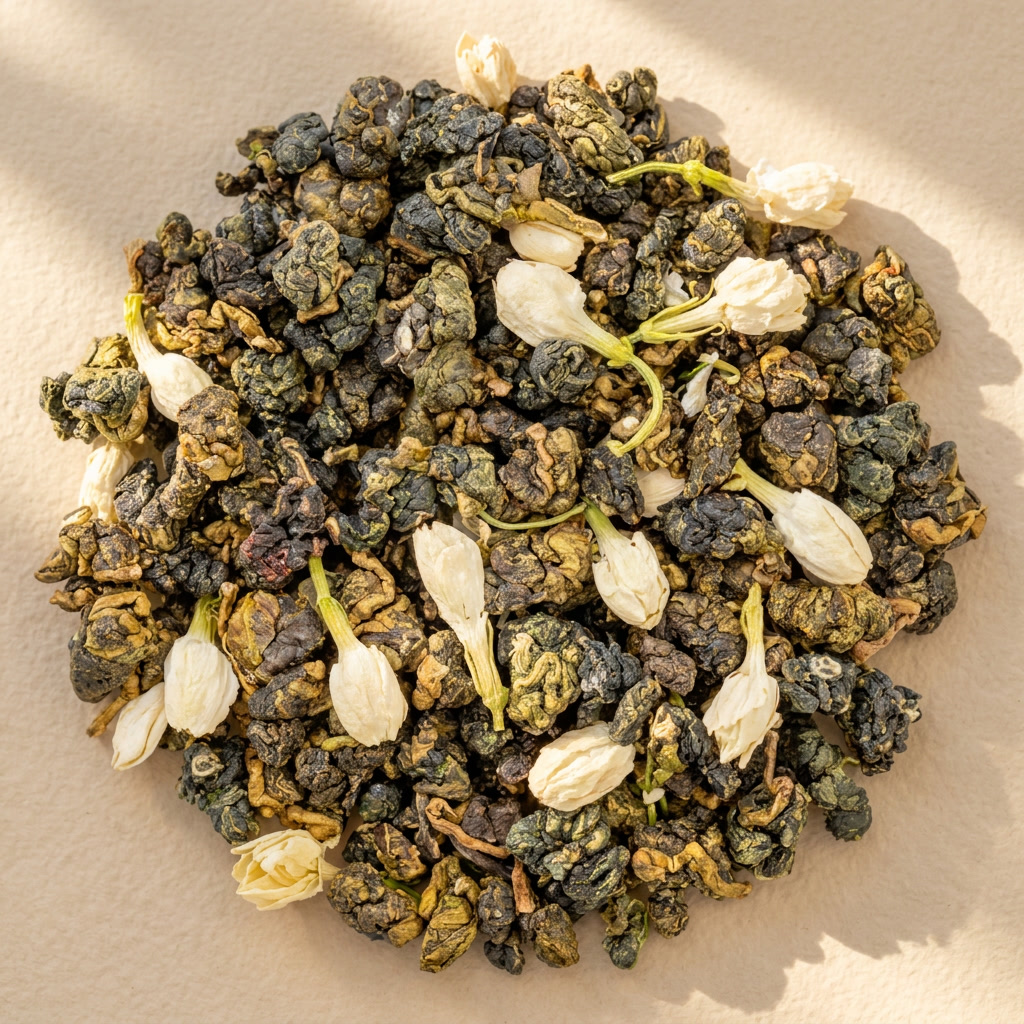
When you inspect loose-leaf tea, look for slight variations in leaf shape, size, and color. Hand-processed tea often retains a natural, rustic texture because human hands handle the leaves during withering and rolling. In contrast, machine-processed tea tends to be uniform, with leaves broken to a consistent size by mechanical rollers. If the leaves look perfectly identical and brittle, they were likely produced in a factory rather than by a small-batch artisan. Embracing this natural irregularity is a key step in mastering the art of buying tea in Vietnam.
Origin Labeling Matters
A reliable vendor will know exactly where the tea comes from. Instead of a generic label like “Vietnam,” ask for the specific province or district, such as Dak Lak or Da Lat. Each region has distinct micro-climates and soil conditions that influence flavor. If a stall cannot name the origin, it is likely resourcing bulk, blended tea from a central warehouse. Authentic tea shops pride themselves on traceability, so a specific answer is a strong indicator of quality.
The Power of Scent
Authentic artisan tea has a complex, delicate aroma that is pleasant but not overpowering. Sniff the dry leaves before purchase; you should detect floral, grassy, or earthy notes depending on the variety. Be cautious of teas that smell overly sweet or carry a chemical, musty odor. These scents often indicate improper aging, the use of artificial flavorings, or blends meant to mask lower-quality base leaves.
Ask About the Process
Engage the vendor with questions about the processing method. Ask how the leaves were withered, roasted, or fermented. A knowledgeable artisan will speak with passion and precision about these steps, explaining how each affects the final taste. A vendor who gives vague or rehearsed answers is likely just selling inventory. This interaction is the fastest way to distinguish a true specialist from a generalist, ensuring you select a product suitable for gifting to a discerning recipient.
Better-Sourced Alternatives for Authentic Vietnamese Tea
Ben Thanh tea stalls carry the weight of the city’s most famous landmark, but for serious tea buyers, the nearby Binh Tay Market offers a more direct line to the source. Many stalls in Ben Thanh actually restock their shelves from Binh Tay, meaning you pay a premium for the famous location rather than the product itself. As the primary wholesale hub for District 1, Binh Tay presents lower prices and stock that is often larger in volume and less tailored for the tourist crowd. Walking its aisles feels less like a performance and more like observing how the trade actually works, giving you a clearer view of the true market rate for loose-leaf goods.
If the sheer scale of Binh Tay feels overwhelming, Dan Sinh Market and Saigon Square serve as excellent middle grounds. Located just a short walk from the central area, these spots offer a more relaxed environment where you can compare different types of tea and ask detailed questions without the aggressive pressure often found in the main market. This setting allows for a calmer assessment of leaf quality, scent, and processing history, making it easier to distinguish between factory blends and genuine artisan lots.
Curated Choices for High-End Gifting
For those seeking gifts intended for colleagues or business partners, open markets are rarely the right environment. High-end gifting requires presentation, consistency, and individual packaging that most open-air stalls do not prioritize. Independent tea houses and specialized shops in Ho Chi Minh City curate their selections with this in mind, offering individually packed options that hold freshness and look refined on a desk. These authentic tea shops focus on the recipient’s experience, ensuring the tea is not just a flavor, but a thoughtfully presented gesture.
The value of these curated collections lies in the concept of easy-to-choose options. When a shop has already filtered for quality and presentation, you save significant time and avoid the frustration of weighing uncertain quality under pressure. This pre-selection ensures a consistent experience, allowing you to select a gift with confidence, knowing the product meets a specific standard of craftsmanship and care. Whether you are looking for a delicate floral blend or a robust dark tea, a curated shop simplifies the process of finding the perfect Vietnamese gift for your specific recipient.
Practical Haggling Etiquette for Tea Buyers
Effective haggling in HCMC markets begins before you step into the stall. Walking in with a clear target price prevents you from reacting emotionally to the first offer. For tea, take a moment to check the rough market rate for the specific variety you want. Whether you are looking for green tea from Da Lat or oolong from the highlands, knowing the standard price range allows you to distinguish a fair offer from a markup designed for tourists.
Starting the negotiation follows a simple, widely accepted convention in these markets. It is standard practice to open with an offer at approximately half the vendor’s initial asking price. This does not mean you must be rude; rather, it acknowledges that the first price is often a starting point, not a final quote. However, the most powerful tool in your kit is often the willingness to leave. If the vendor does not move toward a reasonable price, calmly turn and walk away. In many cases, you will hear a call to return with a better offer. If you do not, you have saved money and avoided a poor-quality purchase.
Timing and Company Matter
The time of day you visit can influence the vendor’s mood and flexibility. Early mornings are often high-pressure periods when vendors are focused on meeting daily sales quotas to cover their high rent costs. Late afternoons tend to be calmer, allowing for more relaxed conversation and better patience in negotiation. If you are not fluent in Vietnamese, bringing a local friend is highly recommended. A bilingual companion can help navigate the language barrier and signal to the vendor that you understand the local context, which often reduces the “tourist tax” and leads to more respectful interactions. This approach ensures that buying tea in Vietnam remains a positive cultural experience rather than a stressful transaction.
Common Questions About Buying Tea in Vietnam
Many travelers hesitate before stepping into an open-air stall with loose leaves on display. The uncertainty often centers on safety, timing, and authenticity. Clarifying these points helps you decide whether to browse the bustling stalls or head to a more controlled retail environment.
Is buying loose-leaf tea in open markets safe?
Generally, consuming tea from reputable open markets is safe, but hygiene depends entirely on the specific stall’s practices. Dust and ambient air can settle on exposed leaves, which may not matter for immediate consumption but becomes a concern if you are packing the tea for travel. To ensure freshness and hygiene upon return home, prioritize shops that offer sealed, individually packed options. This approach protects the leaves from external contaminants and preserves aroma, making them suitable for gifting to family or colleagues without worry.
When is the best time to visit markets for tea?
The dry season, running from November to April, offers the most comfortable conditions for browsing. During these months, humidity is lower, reducing the risk of moisture damage to unpackaged leaves. You will also find a wider selection of recently harvested teas, as the growing cycle aligns with this period. Visiting during the wet season can make the experience less pleasant, as high humidity affects both your comfort and the storage conditions for open products.
Can you verify organic status in Ben Thanh?
It is difficult to confirm “organic” status in open market stalls without formal certification paperwork. Labels on small bags are often generic or absent. Instead of relying on printed claims, look for shops that emphasize hand-processing and natural methods. Ask the vendor about their sourcing: if they can name the specific district or processing technique, such as sun-withering or low-heat roasting, they are likely more committed to quality. This practical check serves as a better indicator of authenticity than a label alone, helping you find genuine artisan tea in HCMC.
Finding the Right Gift
The journey to find the perfect Vietnamese tea gift often starts at Ben Thanh, but the real value lies in shifting your search toward more specialized environments. While the market remains a vital cultural landmark for the food experience and general souvenirs, the pressure and high rental costs make it less ideal for sourcing high-end, hand-processed leaves. Instead, the most refined artisan tea in HCMC is typically found in curated spaces where you can ask questions without the urgency of a closing sale. If you are in Ho Chi Minh City and seeking a ready-to-gift selection for a colleague or family member, consider consulting with local experts at authentic tea shops. They can help match a specific blend to your recipient’s preferences, ensuring a thoughtful and memorable present that truly reflects the care you put into finding it.