On This Page· 5
You stand at the edge of Tan Dinh Market, the air thick with the scent of dried lemongrass while a taxi honks nearby. To your left, vendors hawk bulk spices; to your right, a polished storefront displays tins of lotus tea. Choosing the right stop can feel overwhelming, especially when you need a specific gift for an elder, a boss, or a friend.
The solution is a single, manageable walk. This route connects the Ho Chi Minh City tea markets with the curated artisan tea District 1 boutiques, creating a 1.5-kilometer corridor from Tan Dinh to Dong Khoi. It is a tea walking tour HCMC travelers can complete in 45 minutes without hailing a car, offering a clear comparison between wholesale values, artisanal leaves, and professional retail packaging.
Instead of guessing which of the many District 1 tea shops fits your needs, this guide maps the path block by block. It helps you identify where to buy vacuum-sealed dried goods for family, where to find authentic lotus tea for business partners, and where to secure refined, flight-safe gift boxes for colleagues. Whether you are departing from a hotel on the Hai Ba Trung axis or simply strolling through the center, this route ensures your purchase matches the recipient’s taste and your travel constraints.
Starting the walk at Tan Dinh Market
If you are staying at the Novotel Saigon Centre, the most logical way to begin this tea walking tour of Ho Chi Minh City is right outside your door. Tan Dinh Market, located at 336 Hai Ba Trung, sits at the border of District 1 and District 3, making it the practical starting point for any route heading toward Dong Khoi. The market is a wholesale and household goods hub, meaning it is far more likely to have bulk dried fruit and candied items than the specialized loose-leaf teas found in boutiques.
Finding the right items for a casual treat
When entering Tan Dinh, look for the upper floors or side corridors dedicated to dried goods and confectionery. Focus on items that are “ready-to-eat” and serve as tea accessories, such as dried longan, lychee, or candied hawthorn. This environment is ideal for finding a casual, personal treat rather than a formal gift set. While you will see various brands, do not expect to find high-end artisan tea here; this is a market for value and volume.
Checking quality and fresh batches
Because this is a wholesale environment, the quality of dried goods depends entirely on the specific batch in front of you. To ensure freshness, look for items with a glossy sheen rather than a dull, dusty appearance. If you are buying packaged snacks, always check the expiration date on the back of the box. A critical step for travelers is to ask the vendor to vacuum-seal any items you purchase. Dried fruits and nuts are brittle; without a vacuum-seal, they often break in your luggage before you arrive home.
Deciding between souvenir and daily life quality
The distinction in Tan Dinh is between “souvenir” quality and “daily life” quality. A “daily life” item is exactly what a local family would buy for their own tea table. If your goal is to bring home a unique, affordable experience, this is the place. However, if you are shopping for a business partner or a formal occasion, you should skip this stop and continue toward the boutiques on the Hai Ba Trung axis, where the packaging and curation are more suited for gifting.
Ben Thanh and the artisan tea stops along the Hai Ba Trung axis
Leaving the bustling aisles of Tan Dinh, the route shifts tone as it crosses toward Ben Thanh and the broader Hai Ba Trung axis. This corridor, intersecting with Pasteur, Vo Thi Sau, and Le Quy Don, functions as the artisan tea hub of District 1. While the market offers volume, these boutique stops focus on authenticity and small-batch production, providing a refined alternative to the mass-market packaged goods found in larger supermarkets. It is here that the search for genuine Vietnamese flavors transitions from a transaction into a sensory experience.
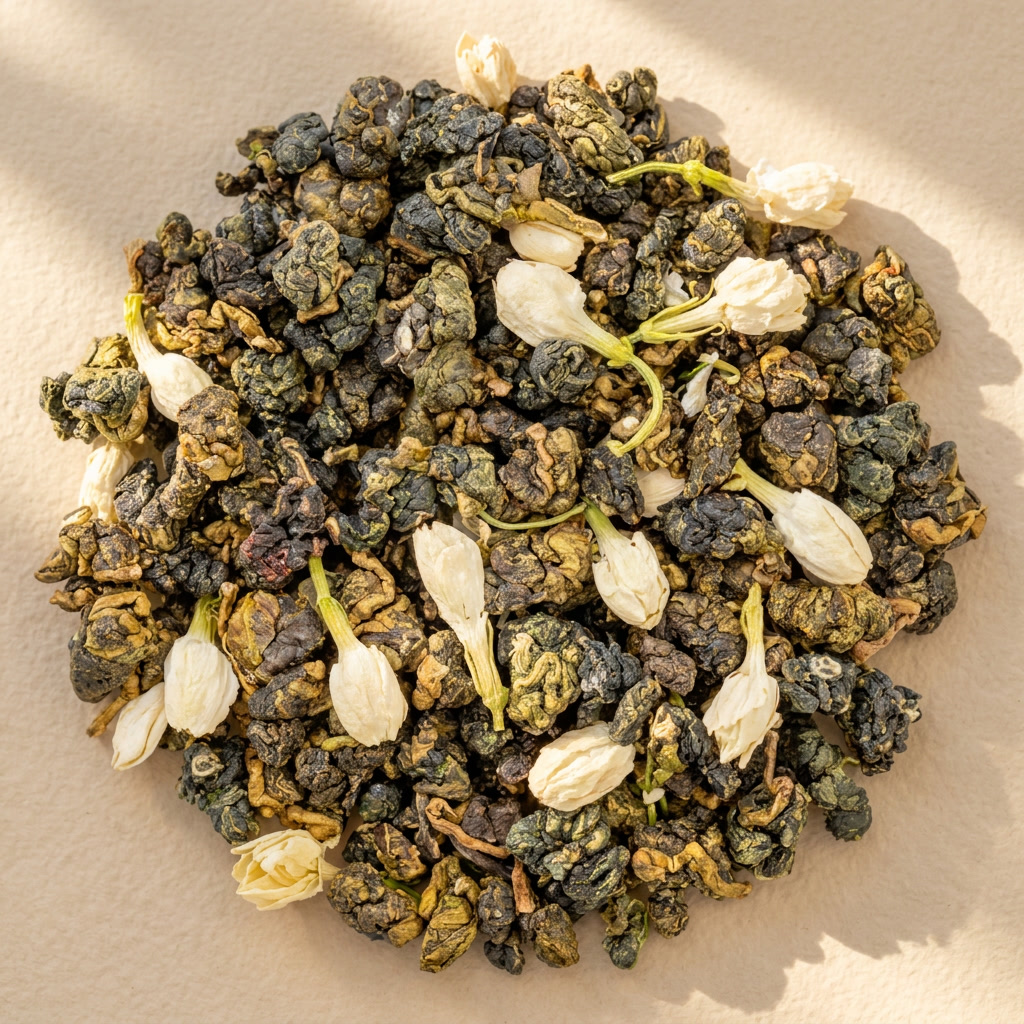
The inventory in these specialized shops differs significantly from generic retail. You will find a curated selection of local green teas and the distinctive Trà sen, or lotus tea. While lotus tea is a well-known specialty, its quality varies widely; the shops along this axis often source from specific harvests, ensuring the delicate floral notes remain intact. For travelers seeking a gift suitable for elders or business partners, this is the zone to browse, as the focus is on leaf integrity and provenance rather than just visual packaging.
Evaluating quality with your senses
You do not need to be a certified taster to identify a high-quality loose-leaf tea. A simple sensory evaluation can guide your choice effectively:
- Aroma: High-quality leaves should have a clear, fresh scent without any musty or overly heavy perfumed notes. If the smell is flat or smells like the packaging plastic, the freshness is likely compromised.
- Leaf Integrity: Inspect the leaves for uniformity. Broken or powdery leaves indicate rough handling or poor storage. Whole, intact leaves suggest a more careful production process.
- Origin Label: Look for clarity on the packaging. A trustworthy boutique will specify the region or harvest time. Vague labels are a common sign of standardized, lower-tier products.
Bridging the language gap
A common concern for foreign travelers is the difficulty of communicating specific preferences in a busy environment. The boutique staff in this corridor are accustomed to international customers and are generally proficient in explaining roast profiles and brewing methods. They are used to answering questions about water temperature and steeping times, making it a safe and effective place to purchase high-value tea gifts. If you are unsure about a specific variety, asking the staff to describe the flavor profile in English is a standard practice in these locations. This direct interaction ensures that the tea you select matches the recipient’s taste, turning a simple purchase into a personalized gift experience.
The Dong Khoi and Diamond Plaza cluster for transparent, fixed-price tea gifts
If you prefer to avoid the haggling and sensory overload of the open-air markets, the stretch around Notre-Dame Cathedral and Diamond Plaza offers a calm, structured alternative. This area functions as the curated retail endpoint of the tea walking tour in HCMC, where the focus shifts from discovery to selection. For travelers who value certainty over adventure, this is the place to secure a high-quality gift without the stress of navigating crowded aisles.
Fixed pricing and side-by-side comparisons
The primary advantage of this cluster is transparency. Unlike the variable pricing found in local markets, shops here display clear, fixed prices. This eliminates the need for negotiation, which is a significant relief for many visitors. You can stand in one location and compare several Vietnamese tea brands next to each other. This setup is particularly well-suited for corporate gifting or business partners, as you can assess the presentation and brand reputation of different options at a glance. The environment feels more like a boutique department store than a traditional bazaar, offering a level of comfort and predictability that the surrounding streets rarely match.
Refined packaging for travel and gifting
Packaging is a major differentiator in this district. While the markets often offer soft, flexible bags that can crumple in a suitcase, the retail shops on Dong Khoi and nearby streets specialize in rigid, gift-ready containers. You will find tin canisters and sturdy gift boxes designed to protect the contents. These containers help maintain the freshness of the tea during long-haul flights by creating a more airtight seal than standard plastic wrapping. The aesthetic appeal is also higher; these items look polished and professional on a desk or dining table. For those sending gifts to family or colleagues in Japan, Taiwan, or China, the professional appearance of this refined packaging often outweighs the minor price difference compared to bulk buys at the market.
A time-management tip for short trips
Time is often the most valuable resource for a traveler in Ho Chi Minh City. If you have less than an hour to spare, consider skipping the Tan Dinh and Ben Thanh stops entirely. Heading directly to this cluster is the most efficient way to secure a reliable gift. You avoid the time spent walking between stops and the time needed to evaluate loose-leaf quality. Instead, you can spend your time comparing finished products, checking labels, and making a confident decision. This approach ensures you leave with a quality item without the fatigue of a full market tour. It is a practical compromise that prioritizes convenience and certainty, making it an excellent choice when your schedule is tight.
Packing your tea: airline rules and preserving freshness
Flying with loose-leaf tea from the District 1 tea shops requires a specific approach to avoid both security friction and aroma drift in the cabin. Highly aromatic varieties, such as freshly roasted coffee or strong oolong, can trigger the ‘pungent food’ scrutiny at security checkpoints if the scent escapes. To prevent this, the original vacuum-seal is critical; do not break the vacuum until you reach your destination. For any loose-leaf tea purchased from artisan tea District 1 boutiques, transfer the leaves into a separate zip-lock bag. This prevents the delicate leaves from breaking under the weight of your luggage and contains any residual scent that might linger after opening.
Choosing your carry-on strategy
The decision between checking your bag and keeping it in the cabin comes down to a trade-off between weight and freshness. Carrying the tea in your cabin luggage is the superior choice for aroma preservation, as temperature fluctuations in the hold can accelerate the degradation of delicate flower teas. However, if you have filled your luggage with heavy tin canisters from the Dong Khoi cluster, checking the bag is a practical way to manage weight limits. Before you finalize your purchase, review your specific airline’s policy on ‘food items,’ as some carriers have strict rules regarding unpacked food in the hold.
To streamline the security process, keep all purchase receipts and, if possible, the outer packaging visible. This provides immediate proof of origin and content, which helps resolve any questions from airport security officers. A practical final tip for maintaining peak freshness: buy your most perishable items—such as fresh phin coffee or delicate lotus tea—on the last day of your trip. This ensures the shortest possible time between purchase and consumption, maximizing the shelf life of your Vietnamese gifts upon arrival home.
Frequently asked questions about tea shopping in District 1
Is it better to buy tea at a market or a boutique?
Your choice depends on the recipient. Ho Chi Minh City tea markets, such as Tan Dinh and Ben Thanh, offer better value and a wider variety of loose items. They are ideal for casual gifts or personal use. In contrast, boutiques and malls along Dong Khoi provide consistent quality and refined packaging. These locations are more suitable for formal gifts for bosses or business partners.
Can I find lotus tea in these specific locations?
Yes, but not everywhere. Lotus tea (Trà sen) is a specialty product. The boutique shops along the Hai Ba Trung axis are the most reliable source for authentic lots. These stores offer proper airtight packaging, which is crucial for preserving the delicate aroma of the flower-infused leaves during travel.
How much time do I need for this walking route?
Plan for 45–60 minutes for a relaxed stroll. This timeframe allows you to visit two or three key stops without rushing. You will have enough time to taste samples and compare prices. A rushed visit often leads to poor decisions, so pacing yourself is the best strategy for this tea walking tour HCMC experience.
Is the tea in the malls the same quality as the market?
Not exactly. Mall tea is often standardized for retail consistency. Market and boutique teas are frequently more artisanal, reflecting small-batch production. However, artisanal quality requires more scrutiny from the buyer. You must check for leaf integrity and origin labels to ensure you are getting a genuine product. This is why many travelers prefer the hybrid approach: browsing the market for inspiration and purchasing from a trusted boutique for assurance.
The 1.5-kilometer route from Tan Dinh to Dong Khoi transforms a chaotic district into a curated shopping experience. By matching the stop to the recipient, you ensure the gift feels personal rather than generic. A market visit suits casual gifts for friends, while the boutique axis on Hai Ba Trung offers artisan tea for discerning hosts. For business partners or superiors, the fixed-price retail cluster near Diamond Plaza provides the professional presentation and refined packaging that signals respect and care.
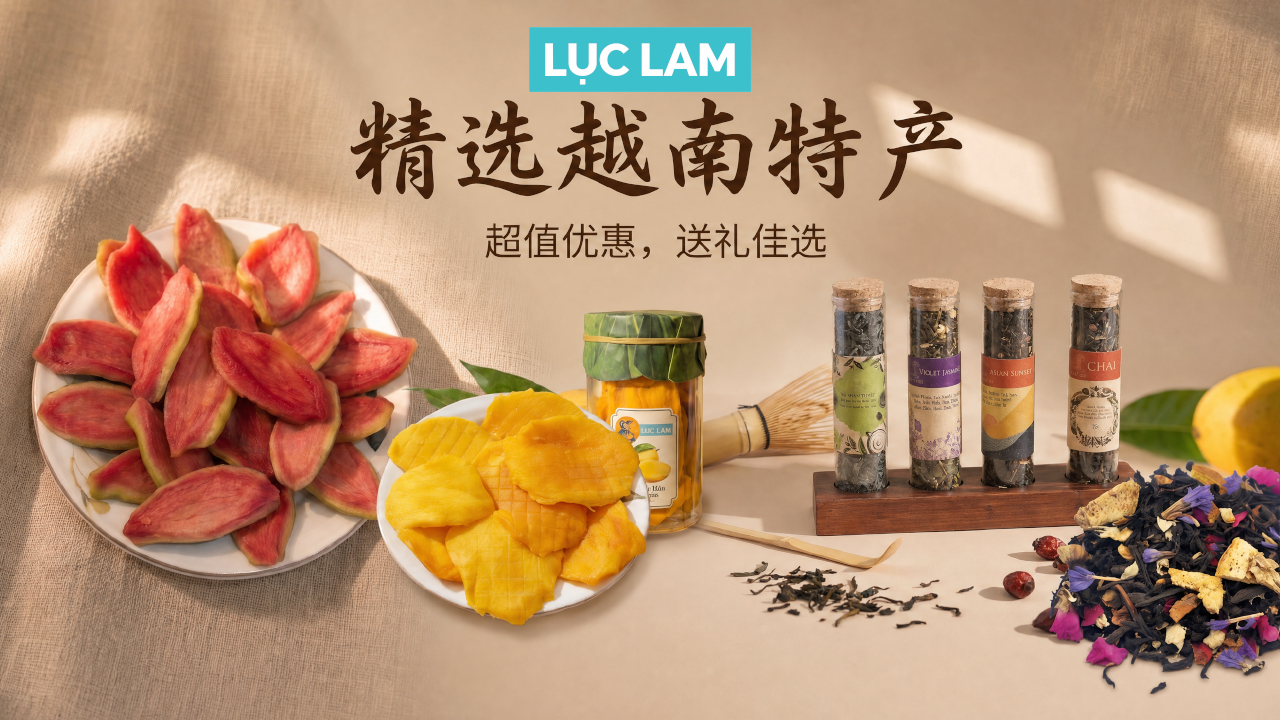
If you are staying in the central District 1 or 3 area, you are already at the start of this route. For specific recommendations on Vietnamese gifts that suit your flight timing or recipient preferences, consider asking your hotel concierge or visiting a local specialist like Lục Lam. They can help you select options with airtight packaging that remain fresh during long-haul flights, ensuring your gift arrives home in the best possible condition.