On This Page· 6
The air is thick with the scent of dried chrysanthemum and star anise, yet every stall in front of you displays nearly identical yellow packaging. You stand in the heart of the dried goods & local specialties section at Ben Thanh, surrounded by more than 1,500 stalls, and the sheer volume of choices makes it hard to distinguish a small-batch artisanal brew from mass-produced inventory. Navigating these Ben Thanh tea stalls without a guide feels like trying to find a needle in a haystack, especially when every vendor claims their product is “authentic.”
You do not need to be a tea expert to make a smart purchase. What you need is a practical method to spot the difference between handmade and factory tea. This approach relies on two simple pillars: spatial orientation within the market and close sensory inspection of the product itself. By understanding which section to enter first and what to look for in the leaf structure and aroma, you can identify high-quality, artisan tea in Ho Chi Minh City with confidence. The goal is not to memorize obscure botanical terms, but to trust your eyes and nose. This guide provides a clear, step-by-step way to verify authenticity, ensuring you connect with the true craft behind the cup rather than just buying a generic commodity.
Why the Entrance Matters in the Tea Section
Walking into Ben Thanh Market without a plan is like entering a maze. With more than 1,500 stalls spread across 13,000 square meters, the layout determines whether you find what you need or waste your morning. The market has four main entrances: the South (Le Loi), East (Phan Boi Chau), West (Phan Chu Trinh), and North (Le Thanh Tong). Each leads to a different cluster of goods, and for tea buyers, the West and South entrances are your best starting points. Entering through the East or North gates puts you immediately into cosmetics, fresh flowers, or fruit sections—far from the herbal goods you need.
Find the Dried Goods Section
Once inside, your goal is the “Dried goods & local specialties” zone. This is the primary cluster for tea, coffee, and herbs. If you see rows of clothing or generic souvenirs, you have veered off course. The tea stalls are tucked within this specific area, often sharing space with vendors selling spices and dried seafood. This interspersing can be confusing at first glance, but it is the hallmark of the authentic market layout.
Spot the Real Tea Stalls
Do not be fooled by polished display cases. The Ben Thanh tea stalls that carry artisanal goods often display loose-leaf bins or clear jars where you can see the product clearly. Vendors selling mass-produced factory goods tend to rely on sealed, branded boxes that hide the contents. If you cannot see the leaves, keep walking. The goal of authentic Vietnamese tea buying is visual transparency.
Time Your Visit Wisely
Timing is as critical as location. The day market operates from 6:00 AM to 6:00 PM, but the best inventory is available in the morning, specifically between 6:00 AM and 12:00 PM. By midday, the freshest small-batch stock from artisan tea Ho Chi Minh vendors is often sold out. Arriving early ensures you have the full selection of high-quality, hand-picked leaves before they move on to other buyers.
Reading the Leaves: Spotting Artisan vs. Factory Tea
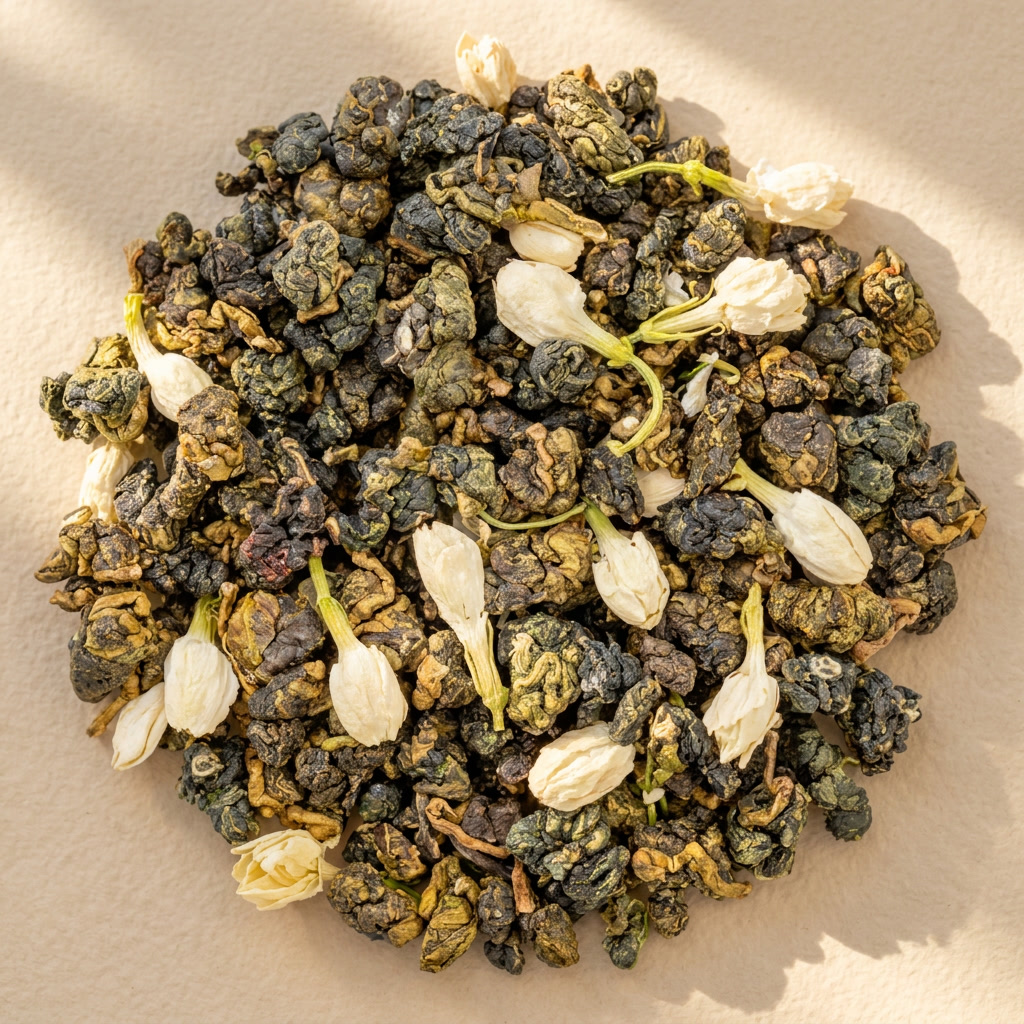
Before you buy, look closely at the product itself. In the Ben Thanh tea stalls, the physical appearance of the leaf is your first filter for quality. Artisanal Vietnamese tea typically displays uniform leaf size and clean, whole pieces. This uniformity suggests careful hand-picking and minimal processing damage. In contrast, factory goods often contain broken fragments, tea dust, or a visible mix of grades, resulting from high-speed mechanical sorting that prioritizes volume over precision.
The ‘hand-sorted’ cue is also visible in the stall itself. If the vendor is actively sifting leaves by hand, separating stems from buds, it is a strong indicator of artisanal production. This level of manual quality control is absent in mass-produced lines, where packaging happens immediately after sorting.
The Aroma Test: Scent as a Quality Marker
Smell is a powerful diagnostic tool for authentic Vietnamese tea buying. Hold a small handful of the leaf or flower and inhale. High-quality artisanal products emit a distinct, clean scent that is specific to the variety: floral for chrysanthemum or lotus, and grassy for green tea. If the scent is dull, stale, or faintly chemical, the product has likely sat in storage too long or been treated with preservatives. A fresh batch should smell vibrant and alive, reflecting the time it was last processed.
Factory vs. Artisan Tea: A Quick Comparison
To make the decision easier, we have outlined the key differences below. This table helps you quickly identify whether you are looking at a small-batch artisanal product or a mass-produced item, which is essential when navigating the tea market guide for yourself.
| Indicator | Artisanal Sign | Factory Sign |
|---|---|---|
| Leaf Integrity | Whole, uniform size | Broken pieces, dust, mixed grades |
| Scent Profile | Distinct, clean, variety-specific | Dull, stale, or faintly chemical |
| Handling | Hand-sorted, visible curation | Sealed generic packaging, no sorting |
By combining these visual and sensory checks, you can move beyond the packaging and assess the true quality of the tea in your hands. This method allows you to distinguish the genuine craft of local growers from the volume-driven output of industrial processing, ensuring your choice reflects the actual product rather than the label.
Three Questions to Ask Any Ho Chi Minh Tea Vendor
Visual inspection helps, but direct conversation reveals the truth. When we stand before the Ben Thanh tea stalls, asking specific questions turns a passive shopper into an active investigator. These three inquiries are simple, yet they effectively separate the factory from the artisan in a matter of seconds. We use them to ensure every purchase reflects genuine care rather than mass production.
Question 1: Where Do You Source the Leaves?
Ask the vendor: “Where do you source the leaves from?” This question tests their connection to the product. An artisanal vendor will name specific provinces, such as Long Bien or Ha Giang, or even reference a family plot. They know the origin because they maintain the relationship. In contrast, a factory seller will offer vague answers like “imported” or “from a supplier.” Specificity is the hallmark of authenticity. If the vendor cannot pinpoint the origin, the tea is likely a generic, mass-produced good.
Question 2: When Were These Leaves Processed?
Next, ask: “When were these leaves processed?” Freshness is a critical differentiator between high-quality herbal blends and stale inventory. Genuine artisan tea is often sold close to the harvest date, preserving its volatile aromas. If the vendor cannot answer, cites a distant date, or hesitates, you are likely looking at stock-inventory factory goods. We recommend avoiding vendors who seem unfamiliar with their own product’s timeline, as this indicates a lack of quality control.
Question 3: Can I Try a Cup?
Finally, ask: “Can I try a cup?” This is the ultimate test of confidence. A genuine artisan will encourage a taste test, perhaps explaining the ideal brewing method for that specific variety. They are proud of their craft and want you to experience it. Conversely, a vendor selling factory goods may hesitate or try to rush the sale. They know the product lacks depth and flavor. If they refuse a sample, walk away. The willingness to share is a strong indicator of quality and trust.
The Partnership in the Purchase
Using “we” when discussing these steps creates a partnership tone. We are not just buying a commodity; we are making an informed choice that supports a specific tradition. This approach transforms the transaction into a connection. By asking these three questions, we ensure that the tea we take home is not just a product, but a piece of authentic Vietnamese culture.
Common Myths About Authentic Vietnamese Tea Buying
Misreading the Packaging
A widespread misconception in authentic Vietnamese tea buying is the assumption that premium packaging guarantees high quality. In the tea stalls at Ben Thanh, this logic often fails. The most elaborate boxes frequently contain mass-produced factory tea intended for export, where the branding costs more than the product inside. Conversely, artisanal vendors often opt for simple, transparent jars or plain paper bags. This approach allows customers to inspect the leaves directly, signaling confidence in the product’s integrity rather than a reliance on visual marketing. We have observed that the most reliable indicators of artisan tea in Ho Chi Minh are the visible quality of the leaves, not the sheen of the box.
Defining “Vietnamese Tea”
Many visitors arrive assuming that all Vietnamese tea is green tea. While green varieties exist, the local market offers a much broader spectrum. Authentic lines often focus on specialty herbs and flowers, such as chrysanthemum, lotus, or jasmine. These botanical teas represent a significant portion of the traditional beverage culture. Understanding the factory vs artisan tea distinction is easier when you know what you are looking for. A stall selling only one type of green tea may be operating at a scale that prioritizes volume over the careful processing required for delicate herbal blends.
The Risk of Mislabeling
The most dangerous error is not buying a “tourist trap” item, but purchasing high-quality factory tea that is mislabeled as artisanal. Since visual inspection of the leaves is more reliable than trusting a label, we recommend focusing on the physical product. If the leaves look uniform, dry, and clean, they are likely artisanal. If they appear broken, dusty, or mixed with stems, they are likely factory stock. This simple check bypasses the need for trust in the vendor’s verbal claims.
| Common Mistake | Informed Action |
|---|---|
| Judging quality by box design | Inspecting leaves for uniformity and cleanliness |
| Assuming all tea is green | Exploring herbal, flower, and dark tea varieties |
| Relying on vendor labels | Verifying freshness and sourcing through questions |
| Buying from the first stall | Comparing leaf quality across multiple vendors |
FAQ: Navigating Ben Thanh for Tea
Are there specific stall numbers for artisanal tea?
Stall assignments change frequently, so looking for a fixed number is rarely effective. Instead, focus on the ‘dried goods’ section located near the Le Loi and Phan Chu Trinh entrances, which holds the highest concentration of legitimate vendors. Scan the area for consistency in leaf quality across multiple stalls to identify the cluster of reliable artisanal sources.
How much should I expect to pay for artisanal tea?
Pricing depends heavily on the specific type and harvest quality, but genuine small-batch artisan tea almost always costs more than factory-produced goods. If a stall is significantly cheaper than its neighbors, it is likely selling factory product. We recommend paying a premium for verified leaf quality, as this is the most reliable indicator of the difference between artisan and factory tea.
Can I find artisanal tea in the night market?
The night market, operating from 6 PM to 10 PM, is dedicated to street food and souvenirs rather than specialty tea. For serious shopping, visit the day market before 4 PM. This timing allows you to find fresh, small-batch inventory before the day’s stock sells out.
What is the best type of Vietnamese tea for a first-time buyer?
Chrysanthemum tea or a blended herbal tea serves as the most accessible entry point for newcomers. These varieties offer distinct flavor profiles that make it easier to understand the characteristics of artisanal brewing without the complexity of darker, more nuanced leaves.
Conclusion
Navigating Ben Thanh tea stalls is less about finding a product and more about connecting with the craft. The ‘spatial + sensory’ method we outlined serves a single purpose: it helps you distinguish the handmade from the mass-produced, ensuring that the leaves you take home reflect genuine artisanal care. When you can verify the integrity of the leaves and the knowledge of the vendor, the purchase transforms from a simple transaction into a meaningful experience.
The next time you are in Ho Chi Minh City, consider what it might feel like to sip a cup brewed from leaves you personally inspected in the market’s aromatic aisles. Does that knowledge of the tea’s journey—from a specific highland plot to your table—change the way you perceive its flavor? We leave you with that question, trusting that your own experience will answer it.