On This Page· 6
You walk into the first tea shop near Ben Thanh Market, hoping to pick up a box of the famous Phuc Long peach tea. The counter is empty. You try the second location down the street. Same result. By the third stop, the frustration starts to build. You have just spent an hour wandering through the District 1 tea markets, and the specific item you came for—the one everyone swears by as a must-have—has simply vanished. This is the reality of tea shopping HCMC: the most popular local specialty is almost never in stock at the standard outlets.
The phantom of Phuc Long: why peach tea disappears from District 1
You reach for the Phuc Long peach tea, and you are told it is out of stock. The next shop says the same. The third, the fourth, and the fifth follow the same pattern. While the aisles are stocked with oolong, jasmine, lotus, and black tea, the specific variety that defines this local specialty remains a ghost on the shelves. This inconsistency is the defining challenge of tea shopping in HCMC, where demand far outpaces the visible supply in formal retail spaces.
The scarcity creates a secondary market that operates on different rules than the standard stores. When the formal outlets run dry, the remaining supply migrates to the night stalls. Here, the dynamic shifts from a transaction to a negotiation. We found a box at one stall for 100,000 dong, a price nearly three times the standard 50,000 dong rate you might see at a secondary coffee stand. This price spread reflects a “hoarder” phenomenon, where limited availability justifies a premium for the eager buyer.
The effort required to secure this specific item separates a casual browse from a determined hunt. It took us two hours to traverse the cluster of shops, checking each one individually because stock is not synchronized across the brand’s locations. This duration illustrates the difference between picking up a generic souvenir and tracking down a specific artisanal product. A casual visitor might leave with a bag of jasmine tea, satisfied with the ease of the purchase. However, the pursuit of the peach variety demands a level of persistence that most tourists do not expect.
We treat this scarcity as a signal of quality. In a market flooded with generic options, the fact that a specific item is consistently sold out in the main district suggests it is the “real good stuff.” If it were easy to obtain, it would not command such attention. This high demand validates its status as the primary target for any serious tea shopping route. The frustration of the search is, in a way, the filter that separates those who want a mere container of leaves from those who want the authentic, sought-after taste of the region. It transforms the act of buying into an experience of discovery, where the final 100,000 dong box is not just a purchase, but a trophy of perseverance.
Mapping the tea street walking route from Ben Thanh to the night market
Efficient tea shopping HCMC trips rely on a logical sequence rather than random wandering. The route is structured to move from general retail to specialized artisan stock, ending at the informal evening markets. This progression is critical because inventory does not sync across these different types of outlets. You are essentially tracking a product that disappears from the formal sector only to reappear in the underground one.
The starting hub: Ben Thanh Market
Ben Thanh Market serves as the logical starting point for any visitor planning a souvenir run in District 1. It is the primary hub for general goods and the base from which you should begin your search for local tea specialties. While you can find generic tea boxes here, the specific artisanal items you are likely targeting—such as the Phuc Long peach tea—are rarely the main focus of the central stalls. Treat this location as your orientation point. Check the general offerings, note the standard packaging, and then prepare to move outward. Staying here too long is a waste of time, as the high-demand specific items are distributed to other clusters in the district.
Tracing the Phuc Long cluster
Once you leave the immediate market area, the next phase involves navigating to the cluster of District 1 tea markets and dedicated outlets that carry the Phuc Long brand. This area is where the artisan tea shops HCMC tourists typically visit first. However, a common pitfall is assuming that one shop holds all the stock. It does not. These locations operate with separate, unsynchronized inventories. If one outlet is out of the peach variety, the neighboring store might be full, or vice versa. You must check multiple locations within this cluster. Walking from one store to the next is not a sign of confusion; it is a required strategy. The stock rotation is fast, and a “sold out” sign at one door is often a temporary state that changes at the next. This leg of the route requires patience and a willingness to repeat the search across several distinct storefronts.
The final leg: Evening and night stalls
The route’s most unpredictable and potentially rewarding phase occurs in the evening. As the sun sets, the formal shops close or transition, and the tea street walking route extends into the night market areas. This is where the “hidden” stock often resides. Vendors at these stalls may not display the specific gift boxes prominently, but they often hold a stash of the items that sold out during the day. This is the final destination for finding those elusive gifts from Ho Chi Minh City that are no longer available in the daytime retail environment. The transition from a lit shop window to a dimly lit stall is where the hunt shifts from browsing to sourcing.
Timing and navigation tips
Timing is the single most important variable in this route. You cannot simply wander at a leisurely pace. The shift from daytime commerce to night market activity is a hard deadline. If you spend too long in the Ben Thanh area or the formal shop cluster, you will miss the window when the night stalls are active and open for business. Keep a close eye on your watch. Aim to complete your search of the formal local tea specialties shops before the evening rush begins. This ensures you are positioned for the final leg before the best informal stock moves on. A slow start can mean arriving at the night stalls only to find that the specific items you came for have already been sold to earlier, more punctual shoppers.
What you actually find at artisan tea shops beyond the peach tea
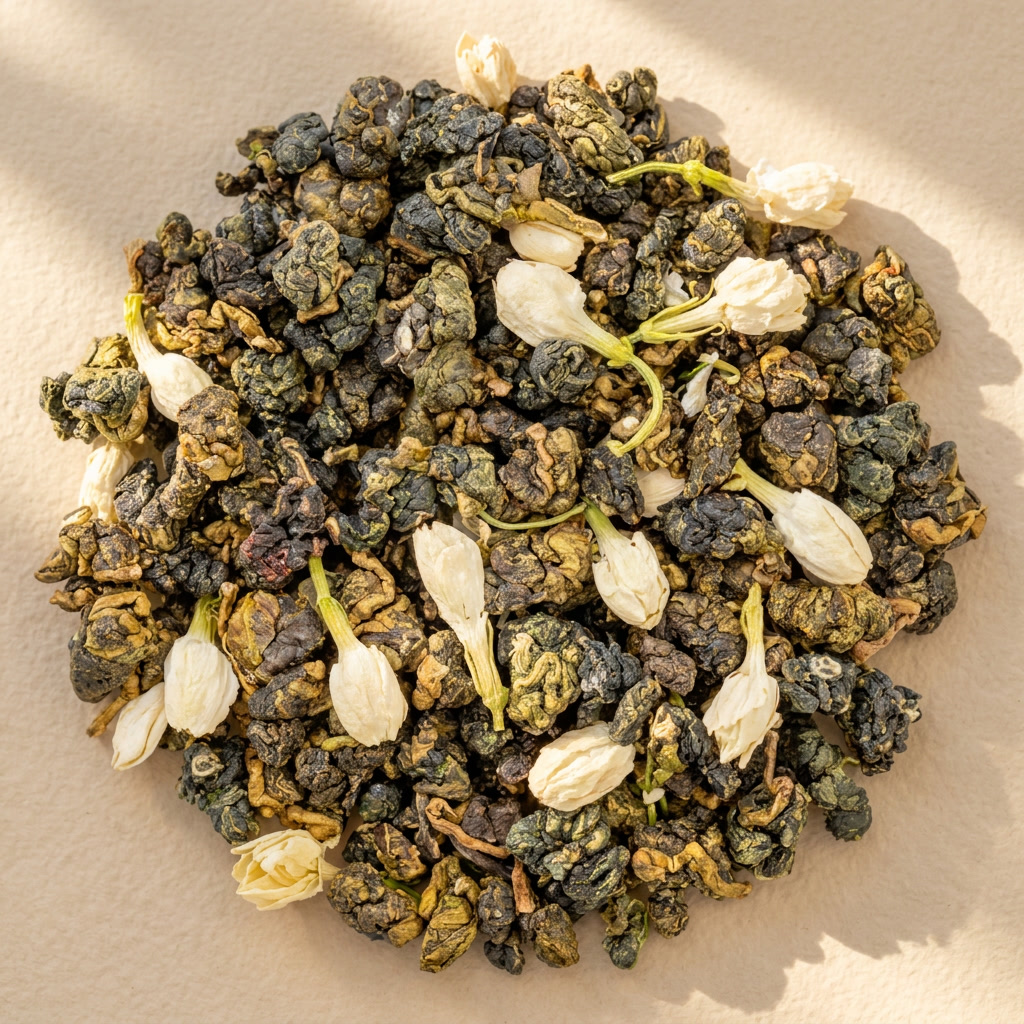
Stepping into a standard Phuc Long outlet in District 1 reveals a different reality than the frantic search for the missing peach variety. The shelves here are consistently stocked with the brand’s core inventory: oolong, jasmine, lotus, and black tea. These local tea specialties are the accessible backbone of Vietnamese tea culture, available in almost every location without the need for negotiation or a second glance. If your goal is simply to pick up a quality box of tea, this is where the transaction becomes straightforward. You can browse, compare, and leave with your choice in minutes, free from the anxiety of empty shelves.
However, the experience of buying these common varieties lacks the specific allure of the peach tea. While the jasmine and lotus blends are undeniably good—offering the floral and earthy notes that define high-quality Vietnamese tea—they do not carry the “holy grail” status that drives the night market economy. They are reliable, but they are also predictable. For a visitor whose primary objective is to find a unique, hard-to-source item, the standard stock might feel like a step backward. The ease of purchase is a double-edged sword: it makes the process efficient, but it removes the sense of discovery that makes a trip memorable.
This contrast is critical when planning your route. If you are willing to accept a standard blend, the walk to the formal shops is sufficient, and the time spent navigating the tea street walking route can be significantly shortened. You save the hours otherwise spent checking stock at multiple locations and waiting for the night stalls to open. But if you view the tea as a marker of a specific journey, the standard boxes may feel like a compromise. The decision hinges on your definition of value: is it the product itself, or the story attached to it?
Where these standard items truly excel is in their presentation. The packaging at these artisan tea shops HCMC reflects a deep respect for traditional aesthetics, often featuring elegant designs that double as decorative items. A box of jasmine tea, for instance, is not just a consumable; it is a curated artifact of Vietnamese hospitality. When presented as gifts from Ho Chi Minh City, these items carry cultural weight that a mass-market alternative cannot match. The visual appeal and the tactile quality of the box make it a premium gift, suitable for corporate exchanges or personal presents. It signals that you took the time to understand the local culture, choosing quality and tradition over convenience. Even without the rare peach leaves, the standard offerings stand as a refined representation of the city’s tea heritage.
Ultimately, the standard inventory offers a safe and beautiful entry point into Vietnamese tea. It requires less effort, delivers consistent quality, and provides a tangible connection to local traditions. If you are short on time or prefer certainty over mystery, these boxes are an excellent choice. But if you are chasing the specific narrative of the District 1 tea markets, they are the starting line, not the finish.
Navigating the night market: how to source the 100,000 dong stash
The final leg of your tea shopping HCMC journey leads to the unassuming stalls of the evening market, where the hardest-to-find local tea specialties often resurface. These vendors typically operate from standard coffee stands, blending in with the general crowd, yet they hold a “secret stash” of the specific peach tea that proved elusive in the formal outlets during the day. The inventory is not displayed openly; it is kept off the street, often behind the counter or in a nearby storage area, waiting for a customer who knows exactly what to ask for.
The verification process
Success at these stalls depends on direct communication and patience. You must ask specifically for the peach tea, as general inquiries about tea will only yield the standard blends. Once the request is made, be prepared to wait. The vendor may need to step away or retrieve the item from a secondary location, a process that can take several minutes. This delay is a natural part of the transaction and signals that the item is not in immediate, high-volume stock.
Before committing to a purchase, verify the price clearly. The standard price for this specialty is 50,000 dong, but the night market reality often pushes the cost to 100,000 dong. Confirming this amount upfront prevents misunderstandings and ensures you are aware of the premium you are paying for the convenience of immediate availability.
Risk versus reward
The decision to buy at this markup involves a clear trade-off between risk and reward. On one side is the financial risk of paying nearly three times the standard rate. On the other is the tangible reward of owning a tea that is sold out in all formal shops, making it a unique and highly sought-after gift from Ho Chi Minh City.
For many travelers, the value of securing this specific artisanal tea outweighs the additional cost. The item represents a successful completion of the tea street walking route, turning a frustrating hunt into a definitive find. If the goal is merely to have a tea box, the standard varieties found earlier are sufficient. But if the priority is the authentic, elusive peach tea, the night market is the only reliable source. This distinction separates a casual browse from a committed pursuit of a true local specialty.
Frequently asked questions about tea shopping in District 1
Is the 100,000 dong price at night stalls a scam?
No, it is a market reality driven by scarcity. The tea is authentic, but the price reflects the difficulty of obtaining an item that is consistently out of stock at formal outlets. When supply is limited and demand remains high, the premium is not a markup for quality but a cost for access. You are paying for the convenience of not spending two hours searching through empty shelves in the daytime. The vendor is simply selling the last available boxes from a specific batch that has already disappeared from the main shops in the District 1 tea markets.
Can I find Phuc Long peach tea in other districts?
Stock is distributed across the city, but District 1 remains the most concentrated hub for tourists and the primary location for the brand’s visible presence. While you might find this local tea specialty in other areas, the inventory there may rotate differently or be even more sparse. The specific dynamics of the night market and the density of outlets make the central district the most reliable place to trace the supply chain, even if it means navigating the evening stalls for the final boxes.
What is the best time to start the tea street walking route?
Early afternoon is the optimal time to begin. This window allows you to visit the formal shops first, checking their standard inventory of oolong, jasmine, and lotus teas. If your target is the scarce peach variety, you can then transition to the night market in the late evening. This timing ensures you have exhausted the legitimate daytime options before dealing with the evening vendors, giving you a clear baseline for the price and availability of the remaining stock.
Are there other local tea specialties besides Phuc Long?
Yes, the city offers a wide range of options. However, if you are looking for a specific, recognizable gift from Ho Chi Minh City, Phuc Long is the most established name. Other artisan tea shops HCMC has to offer include various herbal blends and regional specialties, but they lack the same level of national recognition. For a gift that clearly signals a connection to the capital’s tea culture, the Phuc Long brand remains the primary choice, even if the hunt for its peach variety requires a bit more effort than buying a standard jar.
The hidden value of the tea hunt
The two hours spent moving between stalls, checking shelves that promised stock but delivered only empty space, and finally negotiating with a night vendor is not a waste of time. It is the process that transforms a simple purchase into a memory of the city itself. While the peach tea remains elusive in formal outlets, the act of seeking it forces a slower, more observant pace through the District 1 tea markets.
The value of this route lies not just in the final acquisition, but in the contrast between expectation and reality. You arrive expecting a straightforward transaction at a well-known brand. You leave having navigated a fragmented supply chain where the most desirable item disappears from official channels and reappears in the margins, at a premium. This dynamic reveals the true texture of local tea specialties in Vietnam: they are not merely products on a shelf, but cultural artifacts that move through informal networks, responding to demand in ways that standard retail structures do not reflect.
The standard varieties—jasmine, lotus, and oolong—serve as accessible anchors for the experience. They are available, reasonably priced, and representative of the region’s broader tea culture. However, the pursuit of the scarcer peach variety elevates the entire outing. It shifts the focus from merely buying a gift to understanding how local goods circulate, how scarcity creates value, and how the boundary between formal commerce and street-level trade blurs in the evening hours. For anyone interested in artisan tea shops in the city, this distinction matters. It separates a tourist purchase from a participant’s discovery.
Consider the final image: a small, brightly colored box, now sitting in a suitcase or on a desk. It is a tangible object, yes, but it also carries the residue of the journey. The slight weight of the 100,000 dong price tag is less a financial detail and more a marker of the effort involved in obtaining it. The box connects you to the rhythm of the night market, the quiet persistence of the vendor who kept a stash away from the main counter, and the specific, transient moment when the transaction occurred. It is a souvenir that works because it was not easily available. It required navigation, patience, and a willingness to look beyond the obvious.
This is the essence of tea shopping in HCMC: it is a practice of attention. The city does not display its most sought-after items in the most prominent locations. They hide in the back rooms, behind the coffee grinders, or in the hands of vendors who appear only when the sun sets. To find them, you must adjust your expectations and your timing. The reward is not just the tea, but the knowledge that you saw the city operating under its own, less visible rules. That understanding stays with you long after the last cup is poured, a quiet reminder of the hidden mechanisms that define everyday life in Ho Chi Minh City.