On This Page· 7
You step into a cramped shop in District 1. The air conditioning hums against the humidity, and staff in matching shirts smile while pointing at premium tins. Three blocks away, in a narrow alley, an elderly man leans over a plastic table, debating the price of loose leaves with a shop owner who barely glances up. That second scene is where the city’s real tea culture lives, not in the polished storefronts on the main drag.
Most visitors search for HCMC tea streets as if they are a single, marked destination. The reality is more subtle. The most meaningful tea experiences are scattered through residential neighborhoods, defined by local rhythm rather than signage. If you want to find genuine local tea shops and avoid the commercialized “tourist drag,” the key is not a map. It is observation. Watch who actually buys the tea, and how they move through the space.
The “Local Return” test for finding authentic Ho Chi Minh City tea
The Local Return test is a practical diagnostic for separating genuine tea spaces from commercial set-pieces. A shop is authentic if its customer base consists of roughly 80% local residents who visit for daily refreshment rather than a one-off souvenir purchase. This metric shifts the focus away from aesthetics and toward habit, serving as the primary filter when searching for authentic tea culture in Ho Chi Minh City.
Signals of a tourist trap
Tourist-oriented establishments often project a polished, scripted image designed to attract transient visitors. Common markers include signage in English, uniformed staff, and a highly curated interior that prioritizes photo opportunities over comfort. In these spaces, the atmosphere feels staged. Interactions are often transactional, aimed at moving customers through quickly rather than encouraging them to linger.
Markers of a lived-in space
Conversely, the authentic tea culture of the city thrives in spaces that feel unscripted and inhabited. The owner likely speaks only Vietnamese, and the environment reflects years of continuous use. Look for worn-out chairs, stacks of teapots that have been rinsed and reused daily, and a complete lack of aggressive upselling. These signs of wear are not indicators of poor quality but rather evidence of a place where the experience is lived-in rather than performed.
When you spot these details, you are observing a space that exists for the community first. The absence of a sales pitch allows the transaction to remain personal, which is the hallmark of the best local tea shops. By using the Local Return test, you can bypass the “tourist drag” and connect with the genuine pulse of the city’s daily life.
Why HCMC tea streets feel quieter in the old residential blocks
The architecture of a genuine tea space
The physical layout of a neighborhood dictates the pace of life. In the old residential blocks of Ho Chi Minh City, you will find narrow lanes that restrict traffic and weathered wooden doors that have been opened and closed for decades. These structures do not just frame a building; they create a natural barrier against the noise of the main road.
Unlike modern commercial spaces, these areas often lack air-conditioning. This absence of artificial climate control is not a deficit; it is a design choice that enforces a slower rhythm. The heat outside makes the cool, shaded interior of a small local tea shop more inviting. It encourages customers to linger rather than rush in, check a menu, and leave.
The “slower pace” philosophy in the heat
Traditional tea culture is built on the principle that the drink is a reason to stop, not a refuel point. In Ho Chi Minh City, the intense tropical heat naturally supports this philosophy. When the temperature rises, the desire to move quickly between attractions fades. Instead, people seek shaded, intimate corners where they can sit for an hour without feeling the need to be productive.
This “slower pace” is a hallmark of authentic tea culture. It turns a simple purchase of a cup of tea into a social pause, a moment of reflection, or a casual conversation with a neighbor. The environment itself pushes you to relax, aligning your experience with the daily rhythm of the residents rather than the itinerary of a visitor.
Atmospheric markers of real tea streets
You can distinguish a genuine tea culture street from a commercial gift district by paying attention to sensory details. On a real tea street, the air carries the distinct, slightly smoky scent of roasted leaves, a smell that is absent in air-freshened souvenir shops. Listen for the specific sound of ceramic cups clinking together, a rhythmic noise that suggests many cups are being served and shared in a casual manner.
In contrast, a commercial district focused on souvenirs often feels curated and silent, filled with polished display cases and a lack of the ambient life found in a living neighborhood. If the space feels staged for a transaction rather than inhabited for daily use, it is likely part of the “tourist drag.” The truest indicator of a local tea shop is not the quality of the tea alone, but the atmosphere that surrounds it. It is a space that feels lived-in, where the community’s daily habits are on full display.
Navigating beyond the District 1 tourist drag for local tea shops
The heart of the city’s tea tradition does not live behind a glass storefront with a multilingual menu. To truly avoid the commercialized side of Ho Chi Minh City, you must shift your focus from the main arteries to the quiet residential veins where daily life still dictates the rhythm of commerce. A practical framework for this shift involves a simple directional change: once you pass the final major intersection of a tourist zone, continue walking. The goal is to find the point where the foot traffic changes from hurried visitors checking phones to residents walking with purpose.
In this context, “inhabited” streets are your primary target. These are lanes that feel lived-in rather than curated for visitors. Look for narrow side streets where the shops are open-air, the signage is hand-painted in Vietnamese, and the space is defined by the daily routine of the neighborhood rather than a sales pitch. The air in these areas often carries the scent of fresh water and steam, a sensory marker of a space where tea is consumed as a habit, not just a souvenir. By prioritizing these quiet corners, you move past the staged experiences and into the authentic heart of the city’s social habits.
The residential signal
The transition from a tourist district to a local area is often marked by a subtle change in the atmosphere. Instead of polished displays, you will encounter stacked teapots and worn-out chairs that have seen years of use. This imperfection is a positive sign. It indicates that the space serves a steady stream of regulars who value consistency and comfort over a performative presentation. The absence of aggressive upselling is a key diagnostic. In these local tea shops, the owner is usually more interested in the quality of the brew than in convincing you to buy a larger quantity.
Gifts without the pressure
These residential spots are also the ideal place to find genuine Vietnamese gifts. The selection here is often more refined than what you might find in a busy market, featuring carefully packed herbal teas and local specialties that are easy to choose for family or business partners. Because the environment is quiet and the staff are not in sales mode, you can take the time to observe the packaging and ask for details without feeling rushed. This relaxed approach allows you to select items that carry a real sense of the city’s history, rather than just a generic tag.
- Look for side streets that feel inhabited rather than curated.
- Prioritize spaces with a lack of air-conditioning and a slower pace.
- Select gifts with refined packaging in low-pressure environments.
What to order at a genuine local tea shop in Ho Chi Minh City
Seasonal rhythms in Ho Chi Minh City tea culture
In the old residential blocks where true authentic tea culture thrives, what you drink is dictated by the weather outside your window. The concept of “participation in the season” means your beverage should mirror the immediate environment. On a sweltering afternoon in July, the goal is cooling. Look for iced herbal infusions or light, green sencha-style brews that feel crisp against the heat.
When the cooler, drier months arrive in the first quarter of the year, the menu shifts toward comfort. Warm, spiced blends become the standard, offering a sense of warmth to counter the dropping temperature. A cup that feels out of sync with the current month often signals a place that performs tradition rather than living it.
Ask for the traditional blend
Do not hesitate to engage with the staff. In a genuine local shop, curiosity is welcomed. Ask for their recommendation on a traditional blend specific to their family or region. This interaction does more than secure a good drink; it opens a line of communication that reveals the depth of the owner’s knowledge. Often, the most memorable cups are the ones not on the printed menu.
This approach helps you avoid the “tourist drag” by moving past the standard, pre-ordained selections. Instead, you receive a personalized taste of the city’s daily rhythm. It is a small effort that yields a much more authentic and connected experience.
Practical ordering tips
To make your visit smoother, keep these practical points in mind:
- Observe the locals. See what the regulars are drinking. If they are all having a specific type, it is usually a sign of quality.
- Start small. Order a single cup first to gauge the flavor profile before committing to a larger quantity.
- Respect the silence. In many of these quiet spots, the atmosphere is part of the product. Engage politely but allow for moments of shared quiet.
How to spot a tourist trap in HCMC’s tea districts
Recognizing a commercial setup often comes down to observing three specific signals that rarely appear in genuine local tea shops. The first red flag is pricing displayed in foreign currencies like USD or JPY rather than VND. A shop catering to actual neighborhood life adjusts to the local economy; a shop pricing for visitors is operating in a different space entirely.
The second indicator is an emphasis on “ceremonial” props over actual consumption. If the room is filled with expensive porcelain displays, historical plaques, or staged rituals that you cannot participate in, the focus is on spectacle, not sharing. Real authentic tea culture is about the act of drinking, not the performance of it. Finally, look for the absence of local regulars. If every person at the table is taking photos or speaking a foreign language, you are in a tourist zone. The presence of elderly residents who have been coming for years is the strongest sign of a living, breathing space.
Staff behavior acts as a quick diagnostic tool. If the team is constantly steering you toward the next location or aggressively pushing a specific high-value item, they are working a sales script rather than hosting a guest. In a true cultural space, the staff are focused on the preparation and the comfort of the current drinker, not on moving inventory or funneling you to a partner shop. This distinction separates a commercial trap from a place where you are genuinely welcomed.
The goal of finding local tea shops in Ho Chi Minh City is about connection, not just consumption. You are not just buying a beverage; you are stepping into a social ritual that has shaped the city’s identity for decades. The “right” place is the one where you feel invited to stay a little longer, where the conversation lingers, and where the pace of the room feels natural rather than orchestrated. When you stop looking for the perfect photo and start looking for the perfect moment, the distinction between a “tourist drag” and a genuine cultural hub becomes clear.
Frequently asked questions about Ho Chi Minh City tea culture
Are there specific streets I should memorize?
You do not need to memorize a fixed list of addresses to find genuine authentic tea culture in the city. While certain areas are traditionally known for tea trade, the specific shops that earn loyalty shift as businesses evolve and owners change. Relying on a static list of HCMC tea streets often leads you to places that have recently rebranded for visitors, losing their original character.
A more reliable guide is the Local Return test. Instead of checking if a shop is on a famous street, observe who is sitting in the back. If the majority of customers are locals on their daily routine, buying small quantities of loose leaves rather than large gift boxes, that is your signal. The neighborhood’s rhythm matters more than the street’s reputation. Focus on identifying the customer base rather than the location itself.
Is it rude to ask for a simpler or less expensive option?
No, it is generally well received. In many local tea shops, staff appreciate when customers show an understanding of the product’s actual value rather than just its retail tag. Asking for a simple, honest cup of tea is often respected more than being pressured into buying a premium ceremonial set you do not intend to use.
Vietnamese service culture is typically welcoming and practical. If you ask for a recommendation on a straightforward blend suited to the season, the owner often views this as a sign of respect for the tea itself. This approach helps you avoid the commercial pressure of upselling and allows you to connect with the owner on a level of shared appreciation for the beverage. You are not being seen as a difficult customer; you are being seen as a thoughtful guest.
What should I bring home as a Vietnamese gift?
The most memorable gifts are those that reflect the authenticity of where you found them. Look for refined packaging of herbal teas or local specialties that are easy to choose and suitable for gifting. These items carry the story of your time in Ho Chi Minh City, connecting your recipient to the local environment rather than just a generic souvenir.
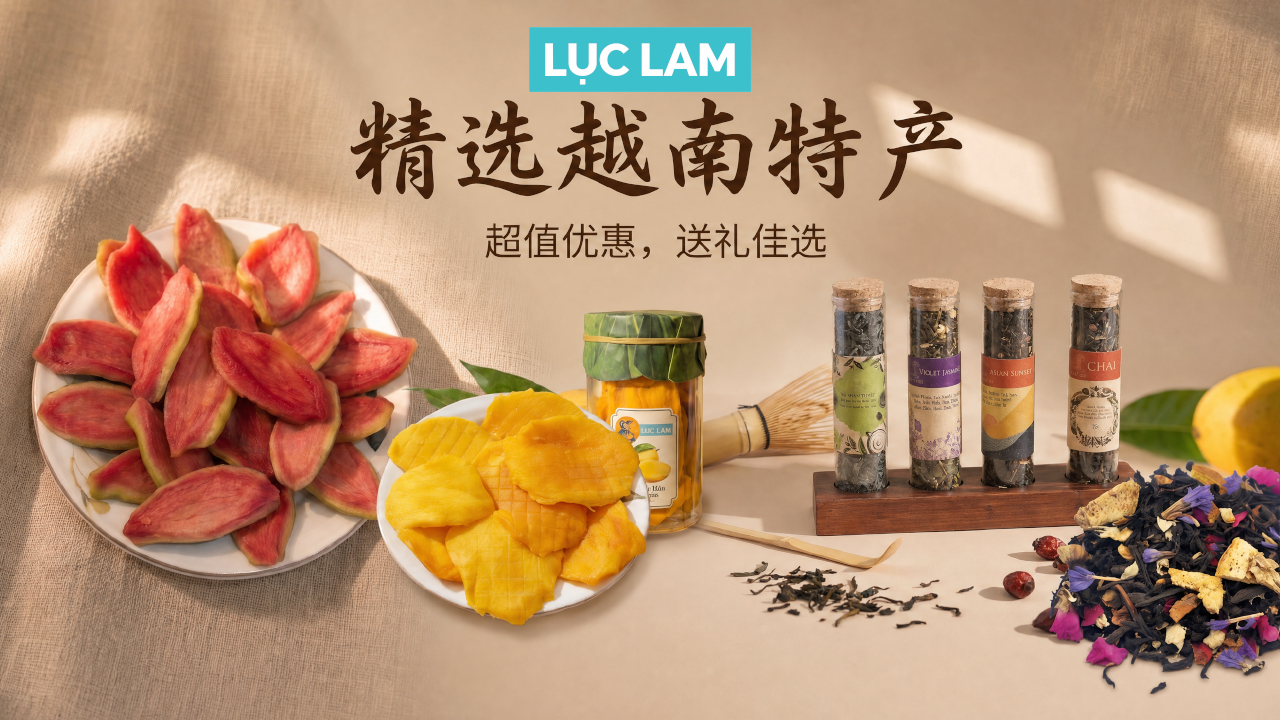
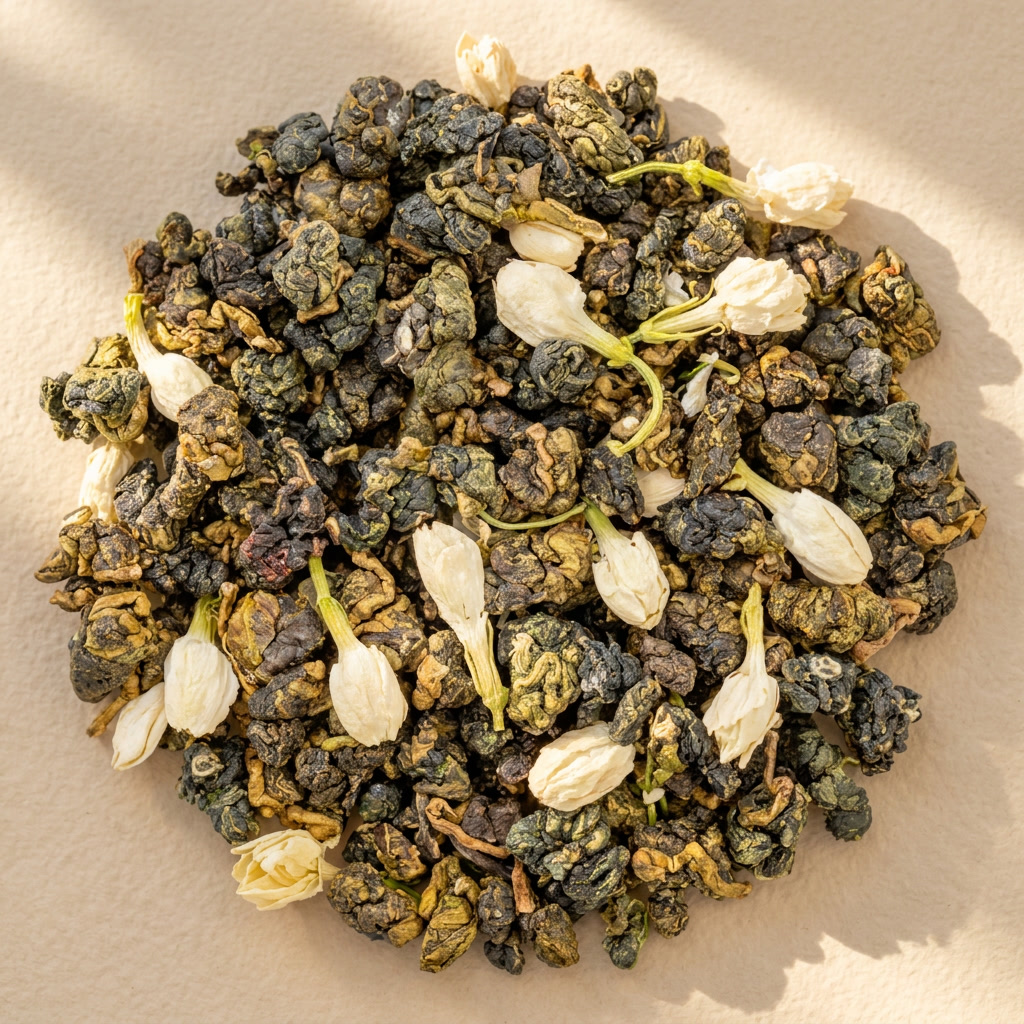
For family or business partners, consider varieties that are versatile in flavor and presentation. A well-packaged box of flower teas or a set of dried fruits often serves as a thoughtful token of appreciation. The key is to select items that were sourced from spaces where locals actually shop. This ensures the gift is not just a commodity, but a piece of the city’s living tradition. Such gifts are appropriate for colleagues, bosses, or close friends, offering a subtle and refined touch that stands out in a collection of typical travel mementos.
Conclusion
The diagnostic framework for navigating HCMC tea streets comes down to one simple observation: watch the people, not the signage. Authenticity is revealed in the rhythm of the space and the demographic of the customers, rather than the size of the storefront. A genuine local tea shop is defined by a consistent flow of neighbors returning for their daily cup, not a one-time purchase by a tourist.
As you move through the city, try slowing your pace to match the locals. Look for the quiet moments where the clink of ceramic cups is the only noise and the heat of the afternoon encourages lingering in the shade. This shift in perspective helps you distinguish a lived-in cultural space from a commercial setup designed solely for visitors. By focusing on the behavior of regulars, you can naturally identify the spots where the true Ho Chi Minh City tea tradition is practiced and shared. If you are looking to bring a piece of this authentic tea culture home, consider exploring our refined collection of Vietnamese gifts, curated for easy selection and meaningful presentation.