On This Page· 5
You stand in a crowded shop on District 1, holding a beautifully wrapped box of tea. The packaging is elegant, the label reads “organic,” and the price is right for a thoughtful gift. But as you turn the tin over, a quiet doubt sets in: does that sticker actually mean what it says? It is easy to admire the visual presentation, yet the integrity of the leaves inside remains invisible. Without a way to verify the source, you are left wondering if you are buying a genuine product or just a beautiful label.
The challenge in Ho Chi Minh City’s old town tea shops is not finding a beautiful box; it is confirming the story behind it. Most travelers focus on which store is famous, but the smarter approach is to ask specific questions that reveal the truth about the product. You do not need to be a tea expert to do this. You simply need to know what to look for and what to ask the staff. By shifting your focus from brand recognition to transparency, you can move past the guesswork. This guide provides a practical framework to help you evaluate the authenticity of organic tea gifts in just a few minutes, ensuring you walk away with a present you can give with total confidence.
Why the ‘organic’ label on your tea tin is not enough
You are holding a beautifully wrapped box in a crowded shop in the Old Town. The tin looks premium, the label promises purity, and the price tag justifies the expense. But before you hand this to a business partner or a family member, you need to ask one question: does the green “organic” sticker actually tell you if the tea is safe to drink? For many high-end organic tea gifts, that label is just the starting line, not the finish line.
Organic certification is a baseline, not a guarantee
In the premium tea industry, “organic” is often a mandatory certification rather than a unique differentiator. It proves that the tea was grown without synthetic pesticides or fertilizers. However, it does not screen for what else might be in the leaves. A product can be fully certified organic and still carry hidden risks that a simple sticker does not reveal. For a gift intended for someone you care about, the absence of hidden contaminants is a critical safety factor that visual appeal cannot provide.
The multi-contaminant screening standard
Top-tier brands have moved beyond basic organic checks to implement multi-contaminant screening. This process tests for heavy metals, radioactivity, and mycotoxins to ensure the tea is not just pesticide-free but actually clean. For example, Pique Tea screens its matcha for specific microbes, heavy metals, radioactivity, and mycotoxins. This level of scrutiny is the benchmark for what a serious HCMC artisan tea vendor should offer. It transforms the product from a visually appealing item into a verified safe consumable.
| Screening Type | What it detects | Why it matters for gifting |
|---|---|---|
| Organic Certification | Synthetic pesticides & fertilizers | Ensures natural growing methods |
| Heavy Metal Screening | Lead, cadmium, mercury | Prevents long-term health risks |
| Mycotoxin Testing | Mold toxins | Ensures freshness and storage quality |
Setting the benchmark for local tea specialties
When you browse old town tea shops, look for evidence of this rigorous screening. A vendor who can explain their testing process for local tea specialties is showing you a commitment to safety that goes far beyond the packaging. This is the difference between buying a decorative box and selecting a meaningful, safe Vietnamese gift. By focusing on what is in the tea, not just how it looks, you ensure the gift reflects your care and attention to detail.
Traceability: asking the shop where your tea was actually grown
Lot-traceability is the ability of a retailer to trace a specific batch of tea back to the exact farm and harvest date, not just the general region. When you hold a tin of HCMC artisan tea, the label might read “Da Lat” or “Vietnam,” but that tells you nothing about the specific soil, elevation, or farmer who grew those leaves. True traceability connects the product in your hand to a specific producer and a specific time window. This distinction matters because it transforms a generic commodity into a verifiable, unique product.
Without this level of detail, the term “artisan” often becomes a marketing placeholder. In many cases, it simply refers to a blend of low-grade leaves sourced from multiple, unidentified farms to create a consistent flavor profile at a lower cost. This approach makes it difficult to guarantee safety or quality, as the final product is an average of potentially varying inputs. For a high-end organic tea gift, this lack of transparency undermines the value you are paying for. You are not just buying leaves; you are buying a story and a standard of care that should be verifiable.
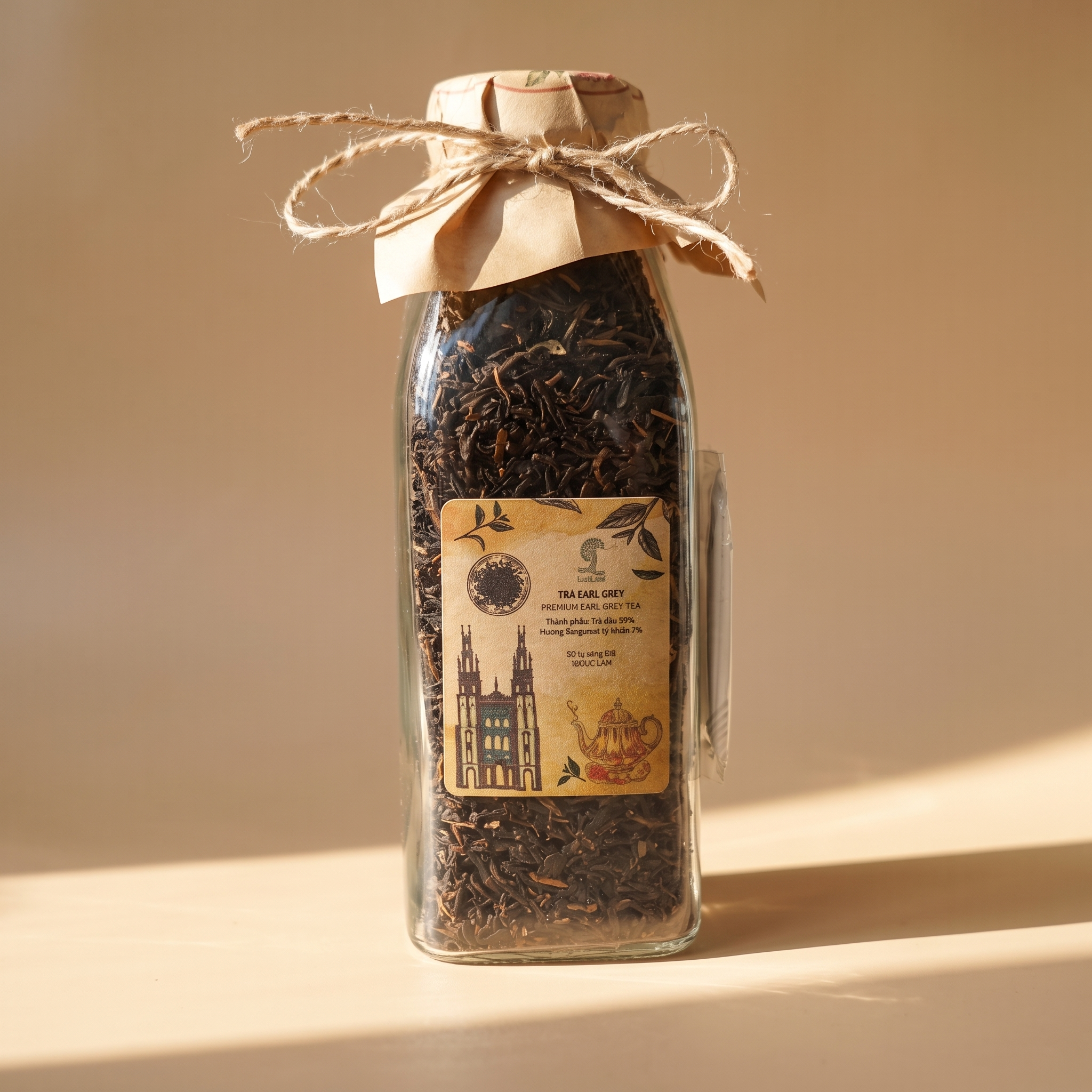
To cut through the ambiguity, walk into any old town tea shops and ask two specific questions: “Which farm did this batch come from?” and “When was it harvested?” A reputable vendor should answer these without hesitation. If they cannot name the producer, they may be able to point you to a producer story or a detailed origin label. If the staff offers vague answers or deflection, that is a clear signal that the supply chain lacks the integrity required for premium gifting.
Consider the model used by Rishi Tea, which works directly with farmers to verify growing methods and trace every lot. This direct relationship serves as the gold standard for what “artisan sourcing” should mean. It ensures that the person growing the crop is accountable for the methods used, and the retailer is accountable for the information they share. When you choose a tea with this kind of transparency, you ensure that the gift you give is not just pretty to look at, but authentic in origin and safe in content.
Freshness matters: the 24-48 hour direct sourcing standard
Many travelers assume that premium tea behaves like fine wine or aged coffee, where time only improves the character. For many herbal and green teas, this assumption is a trap. In these categories, freshness is the primary driver of flavor and aroma, not age. If the volatile aromatic compounds have dissipated, no amount of high-end packaging can restore the vitality of the cup. The difference between a vibrant, fragrant brew and a flat, stale one is often measured in days, not months.
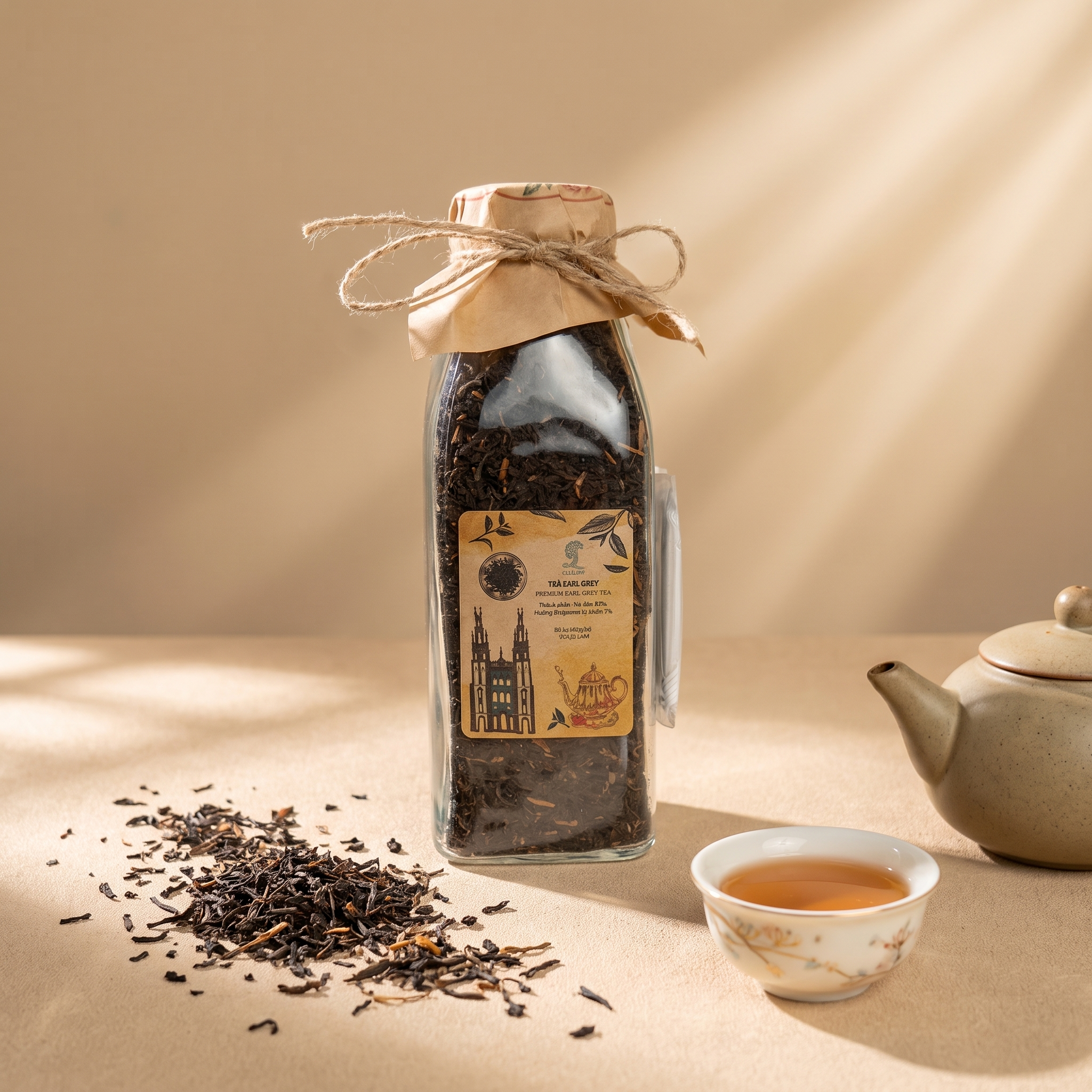
The 24-48 hour farm-fresh model
A true farm-fresh approach treats the moment of processing as the starting line for quality. Under this model, tea is packaged and shipped directly from the plantation within 24 to 48 hours of processing. This tight window is critical for preserving the delicate oils that give herbal infusions their distinct character. By bypassing the long delays inherent in traditional logistics, the shop ensures that the tea you hold is as close to the leaf as it physically can be. This standard is a hallmark of serious HCMC artisan tea operations that prioritize natural character over shelf life.
The cost of the traditional supply chain
In contrast, the conventional supply chain often sees tea sitting in warehouses for months before it reaches a retail shelf. By the time a traveler picks up a box in an old town tea shop, the tea has likely lost much of its aromatic potential. The result is a flat, stale flavor that fails to justify a premium price tag. When you pay for high-end quality, you should expect freshness as a baseline feature, not an accidental byproduct of fast turnover. Stagnant inventory is a clear indicator that the product may not meet the premium tea markets standards you are looking for.
How to verify freshness in-store
To protect your investment in these organic tea gifts, look for shops that emphasize direct grower relationships and publish recent harvest dates. A reputable vendor will be able to tell you when the specific batch in the tin was processed. If the date is months old, ask why a “premium” product is being sold as stale. Commitment to preserving the tea’s natural character is the single best signal that a shop values the product as much as you do. For local tea specialties, this transparency is your best defense against overpaying for a flavor that has already faded.
How to evaluate any old town tea shop in 5 minutes
Walking into one of the many old town tea shops in Ho Chi Minh City can feel overwhelming. The shelves are full of tins, boxes, and jars, but the difference between a thoughtful, transparent vendor and a generic reseller often comes down to a few specific questions. You do not need to be a tea connoisseur to spot the red flags; you just need to know where to look. This checklist helps you assess the quality and transparency of the tea in under five minutes, ensuring your gift choice holds up to scrutiny.
A practical checklist for your visit
Start by looking at the packaging for a harvest date. Many artisan shops that prioritize freshness will print this information clearly. If the date is missing or the leaves look dried out, that is a warning sign that the inventory has been sitting for a long time. Next, ask the staff for origin details that go beyond a simple “Vietnam.” A reputable shop should be able to tell you the specific region or even the farm name. If they cannot, they are likely selling a blended product rather than a single-origin specialty. Also, check for any quality control information. Does the box mention screening for contaminants or specific processing standards? This indicates a level of care that goes beyond just selling leaves.
Look beyond the packaging
Refined packaging is a good signal, but it is only the first layer. A beautiful gift box does not guarantee that the tea inside is fresh or pure. The internal quality must match the external promise. Watch how the staff handles the product. Do they know the difference between two batches of the same variety? Do they explain the sourcing story with confidence, or do they just hand you a box? A shop willing to offer a small sample or answer specific questions about the leaves is far more likely to be transparent than one that focuses solely on the visual presentation of the gift box.
The goal is not just to buy a product, but to find a partner in the gifting process. Whether you are selecting organic tea gifts for a business partner in Japan, a family member in Taiwan, or a colleague in China, you want to trust that the tea is suitable for gifting to diverse recipients. If the shop can explain the journey of the tea from farm to cup, you can present it with confidence. This level of detail is what separates a memorable, meaningful gift from a generic souvenir, making the time you spend evaluating the vendor well worth the effort.
Frequently asked questions about premium tea sourcing in HCMC
Is it worth paying more for traceable tea?
Yes, because traceability reduces the risk of mislabeled products and ensures you are getting exactly what you think you are buying. For travelers selecting organic tea gifts for business partners or family, this clarity is crucial. When you can verify the origin, you avoid the guesswork that often comes with generic packaging. This confidence is essential when the recipient trusts your taste and expects a meaningful, authentic Vietnamese gift.
Can I find these high standards in small Old Town shops?
Many smaller shops in HCMC’s old town work directly with local farmers, often maintaining tighter supply chains than large brands. These boutique outlets are ideal for finding fresh, traceable specialties if you know what to ask. Ask about the specific farm and harvest date. Staff at dedicated artisan stores are usually happy to explain the sourcing story, turning a simple purchase into a conversation about local tea specialties and their unique character.
What if the shop cannot provide a lot number or farm name?
If a vendor cannot identify the specific lot or farm, the product is likely a blend or bulk-sourced from multiple origins. While such tea is not necessarily unsafe, it lacks the artisan story and consistent quality control that justify a premium price point. For a gift meant to showcase your attention to detail, this opacity can be a drawback. A reputable HCMC artisan tea shop should be able to answer these questions clearly, ensuring your gift reflects the care and authenticity it is meant to convey.
The next time you hold a tin of tea in HCMC, let the questions you ask define the purchase. Instead of asking which shop is famous, ask whether the leaves can be traced to a specific farm, tested for hidden contaminants, and delivered at peak freshness. These three benchmarks transform a beautiful box into a story you can trust. They ensure the organic tea gifts you bring home are not just aesthetically pleasing, but genuinely authentic. For travelers looking for local tea specialties that reflect real care, this approach removes the guesswork. If you are ready to see how these standards look in practice, take a moment to browse the curated collection at Lục Lam.