On This Page· 5
You walk into a charming shop in the heart of Saigon, expecting to buy a tin for a colleague. Instead, you find yourself in a tea ceremony hall with no retail options. You wanted a physical item to take home, but you are left with only a steeped cup. This is the most common pitfall for travelers seeking Vietnamese souvenirs in Ho Chi Minh City.
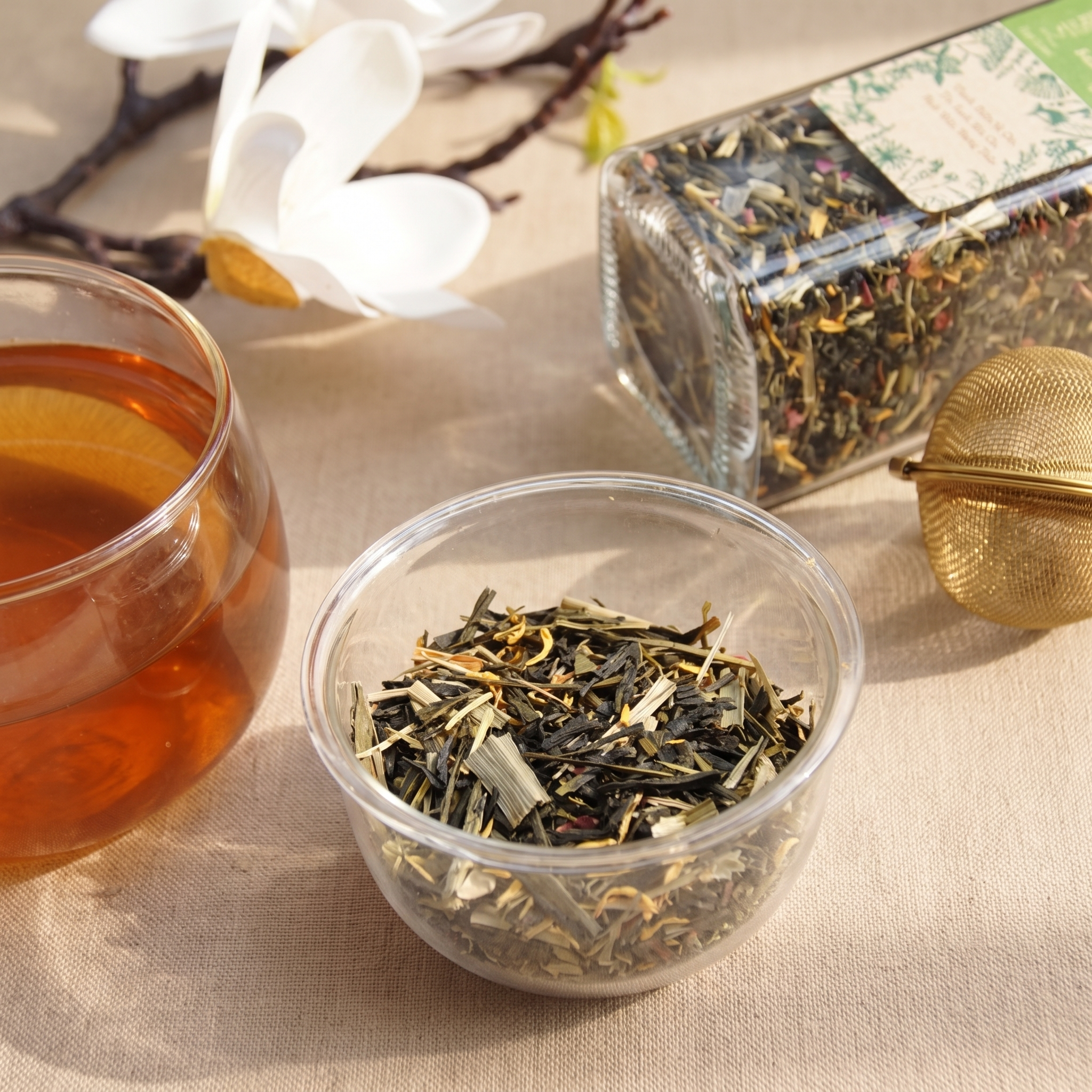
Finding reliable sources for premium tea gifts in the city’s historic district requires more than just following a map pin. Many venues focus exclusively on serving loose-leaf tea for on-site consumption, leaving you empty-handed when you need a packageable item. The old town is dense with options, but distinguishing between a café and a shop where you can actually purchase artisan packaging takes a specific approach.
A practical, method-based strategy helps navigate the area effectively. By adjusting your search terms and verifying the physical layout of each venue, you can quickly identify stores that specialize in artisan tea buying rather than just hosting tastings. This guide provides a clear roadmap to discovering the right old town tea shops, ensuring you walk away with a high-quality selection of organic tea products that are easy to carry and perfect for any recipient.
Search ‘trà’ on Maps to uncover hidden artisan tea shops
Many visitors overlook a critical step in artisan tea buying: typing “tea” into a map app often surfaces only chain cafés, missing the small-scale retailers that actually stock premium tea gifts. A more effective tactic is to search for “trà,” the Vietnamese word for tea. This single adjustment shifts the results, surfacing hidden old town tea shops in District 1 that do not list themselves under English keywords. The difference is subtle but significant for travelers who want to take home a genuine product rather than just enjoy a drink.
Verify what is on the shelves
Once you have identified a potential shop, do not rely solely on the name or rating. Use the map app’s photo gallery to check the physical space. You are looking for visual proof that the shop sells packaged products, such as tins, boxes, or bags, rather than only serving loose-leaf tea for on-site consumption. If the photos show only cups, kettles, and a counter with no visible retail packaging, it is likely a tea house or ceremony space. While these venues offer a lovely experience, they rarely provide the option to purchase the same blend you just drank.
Spot the retail counter vs. the tea room
The interior layout is a reliable indicator of whether you can buy organic tea in Ho Chi Minh City to take home. A gift tea shop designed for retail will typically feature shelves or glass cabinets displaying neatly arranged tins and bags. The aesthetic is usually clean and organized, inviting you to browse and select a specific item for gifting. In contrast, a ceremony-focused interior prioritizes seating comfort, often with low tables, cushions, and a focus on the brewing ritual. While both spaces may sell tea, only the former offers the curated selection of tins and boxes that are ready for immediate purchase and gift-giving. Choosing the right venue from the start saves time and ensures you find the high-quality, refined packaging you need.
Verify the difference between tea cafés and retail old town tea shops
Walking into a quiet corner shop in Saigon’s old town, you might sit down and be served a steaming cup that tastes like a revelation. But when you turn to the counter to buy a tin for a colleague, you find the staff politely explaining that they do not sell the leaves. This is the most common pitfall for travelers seeking premium tea gifts: confusing a place that serves tea with a place that sells it. A tea café is a destination for experience; a retail tea shop is a destination for acquisition. If your goal is to bring a physical product home, you must look for shelves lined with tins, boxes, and sealed bags, not just a display case of fresh pastries.
The ‘tasting first’ method
You do not need to skip the café. In fact, visiting a tea house first is a smart strategy for artisan tea buying. Think of the café as your sampling room. You sit, you drink, you evaluate the flavor profile. If the jasmine blends or roasted oolongs you taste there are exactly what your recipient would enjoy, you have identified the specific taste you are hunting for. You then leave the café and search the nearby retail shops for that same flavor in a purchase-ready format. This two-step process ensures you are not buying a gift based on a menu description alone, but on a flavor you have personally verified.
The value of the tasting cup
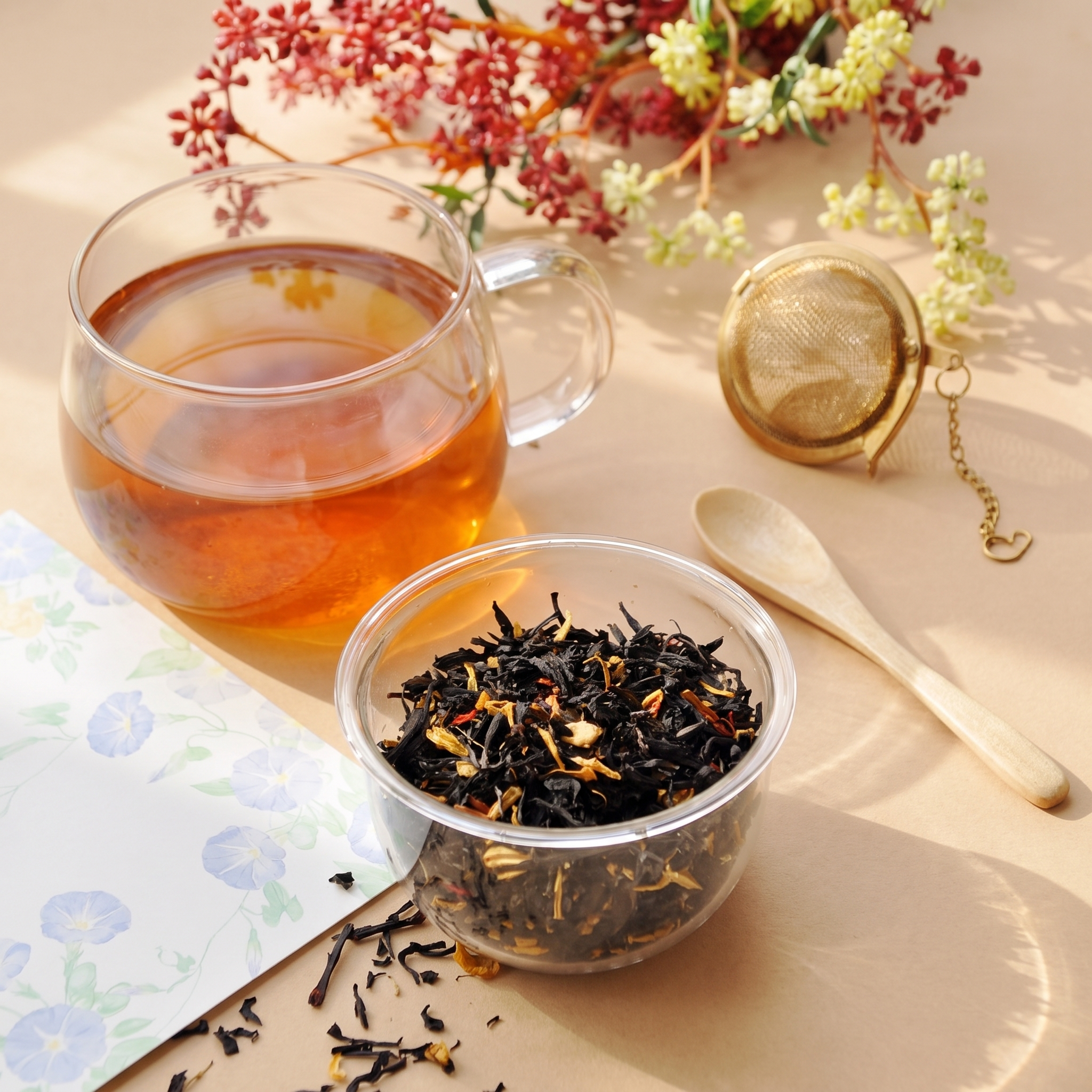
Navigating the landscape of gift tea options in Saigon can feel overwhelming when you have never tried the local leaves. Fortunately, many artisan shops in the old town bridge this gap by offering a free or low-cost tasting cup. This small service is a powerful tool. It allows you to perform a quality check on the leaves before you commit to a purchase. For a traveler, this is also a cultural entry point; watching a local expert brew the tea and explaining its origin turns a simple transaction into a story you can tell the recipient. A gift accompanied by the anecdote of how you chose it feels significantly more personal than one bought in a sterile supermarket aisle. When you taste a cup and love the result, you buy with confidence, knowing the old town tea shops you are patronizing value the drink as much as the sale.
The department store basement (B1) as a source for gift tea
After exploring independent old town tea shops, many travelers overlook one of the most reliable sources for gift tea in Saigon: the basement food floors of major department stores. While independent shops offer unique artisan finds, these underground levels—often labeled B1—provide a structured, curated environment that simplifies the gift-giving process.
Why the food floor beats standard groceries
The selection of premium tea gifts in these department store basements is typically superior to what you find in standard grocery stores. The displays are organized by brand and origin, with clear labeling that makes it easy to compare options. For travelers seeking organic tea in Ho Chi Minh City, these floors often stock verified premium varieties that are harder to locate in casual retail. The curation here ensures that the tins and boxes you see are chosen for quality and presentation, making them suitable for gifting to bosses or business partners without the guesswork.
Finding the dedicated tea corners
Instead of wandering the entire food floor, look for dedicated “tea corners” or sections. Within these spaces, brands display their full range of products, from loose-leaf bags to elegant tins. This layout allows you to see the complete collection of a single brand at once, which is helpful when you want to match the packaging to the recipient. You can compare different leaf types and flavors side-by-side, ensuring your choice feels thoughtful and appropriate. This focused display turns a simple shopping trip into a deliberate selection process, helping you find the perfect match for any occasion.
Choosing refined packaging: artisan tins suitable for gifting
When selecting premium tea gifts, the container matters as much as the leaves inside. A well-chosen vessel signals that you took the time to understand the product, elevating a simple purchase into a thoughtful gesture.
The aesthetics of ‘gift-worthy’ packaging
Look for artisan tins that feel substantial in the hand, paired with individual sachets or loose-leaf portions protected from moisture. Clear origin labeling is a hallmark of quality; it tells the recipient exactly where the tea was grown and how it was processed. In artisan tea buying, these visual cues serve as a shorthand for craftsmanship, reassuring your recipient that the contents are as high-caliber as the presentation.
Connecting visual appeal to your recipient
For gifts intended for a boss or business partner, the package acts as a first impression before the first sip. Refined packaging bridges the gap between a standard souvenir and a curated token of respect. When you choose a tin that looks elegant on a desk or shelf, you are not just giving tea; you are giving a moment of sophistication. This approach works particularly well for gift tea selections from Saigon, where the visual story of Vietnam’s tea culture is part of the experience.
Verifying quality labels
While “artisan” and “organic” terms are strong indicators of quality, it is wise to verify specific claims. “Organic” can be a broad term, so look for specific certifications or detailed sourcing information on the label. If a shop claims organic sourcing for their tea in Ho Chi Minh City, ask for details about the growing region. Confirming these facts ensures your gift stands up to scrutiny, whether it is opened in a boardroom or a cozy living room.
Frequently asked questions about buying premium tea gifts
Is organic tea available in every shop?
No. While you will find tea everywhere in the old town, verified organic options are concentrated in specific venues. Focus your search on artisan shops and the food floors of major department stores. These locations are more likely to carry clear labeling and consistent quality, which matters when you are selecting premium tea gifts for business partners or family.
Do you need to speak Vietnamese to buy tea?
Not at all. Language barriers rarely stop a purchase. However, knowing two short phrases helps you navigate the old town tea shops more efficiently. Searching for “trà” on your map application reveals local results that English queries often miss. On product shelves, look for the label “trà hữu cơ,” which means organic tea. This simple check saves time by directing you to the right products quickly.
Specialty shop or supermarket: which is better?
For high-stakes gifting, a specialty tea shop is usually the stronger choice. Supermarkets offer convenience and a wide selection, but they rarely allow tasting. In an artisan tea buying experience at a specialty shop near the old town, you can sample the flavor before committing to a purchase. This is ideal when the recipient has specific preferences or when the gift carries professional weight. The ability to taste ensures your choice of gift tea from Saigon matches the recipient’s taste profile, reducing the risk of a mismatch.
A Simple Method for Confident Gift Selection
Finding the right premium tea gifts in Saigon comes down to three practical steps. First, search in Vietnamese to uncover artisan shops that do not appear in English-language maps. Second, verify that the shop actually sells packaged products rather than just serving tea for on-site consumption. Third, check the food floor of major department stores, where organized displays make it easy to compare options without pressure.
Each step reduces guesswork and helps you choose with confidence, whether the recipient is a close friend or a business partner. The goal is not to collect every option, but to find a few that match the person’s taste and the occasion.
When Ready-Made Options Save Time
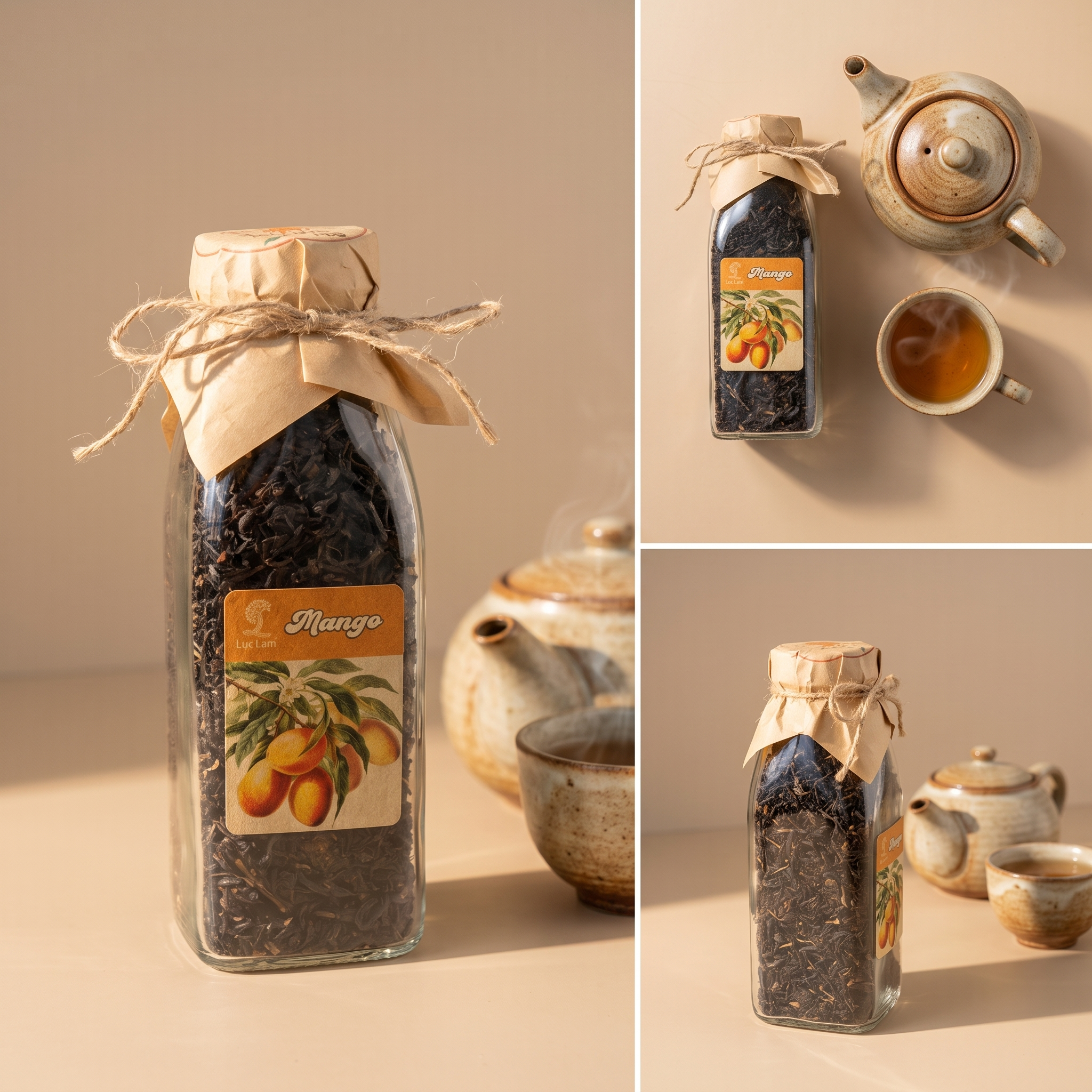
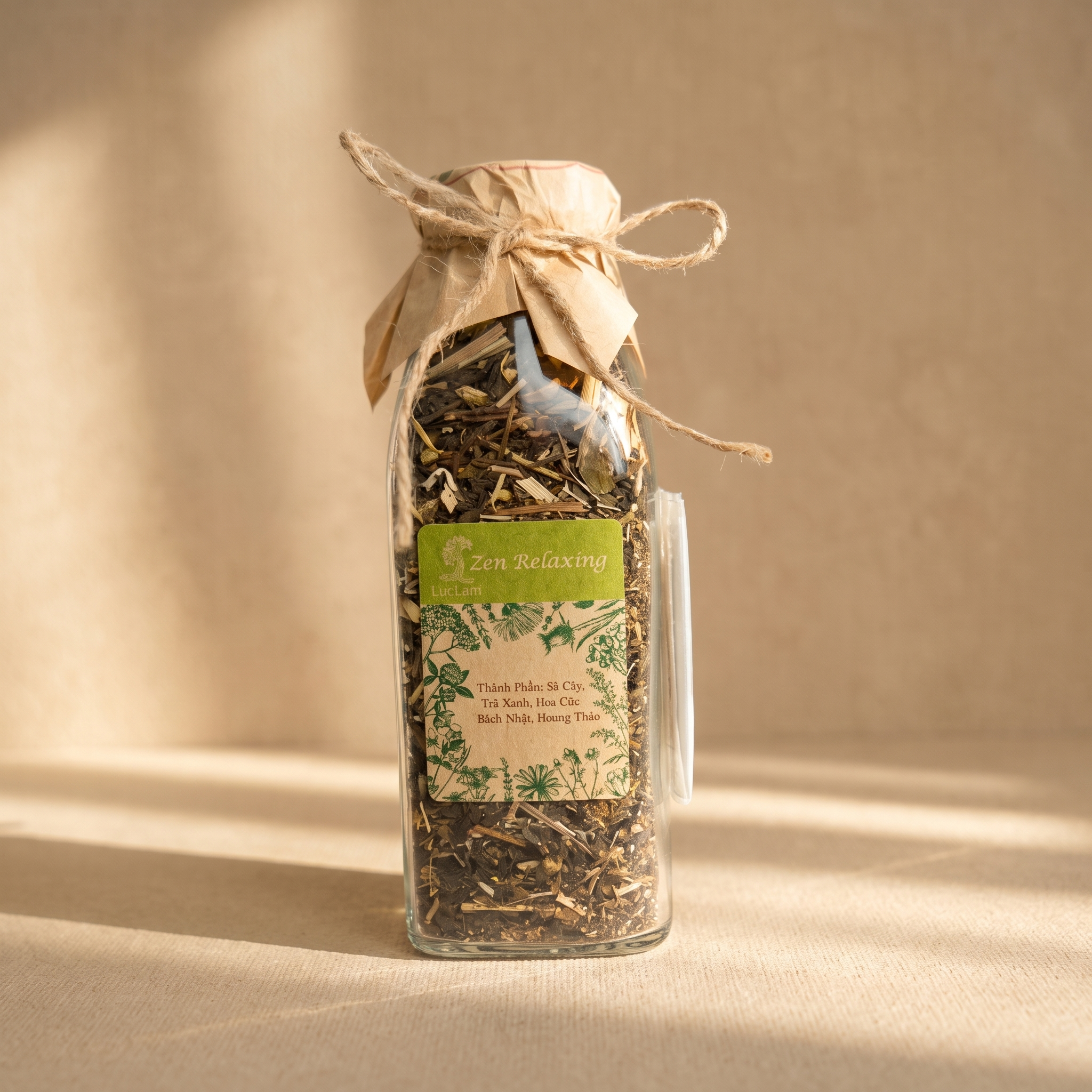
If you prefer a curated selection that skips the comparison process entirely, you can look at the Lục Lam Gift collection. The focus is on refined packaging and a varied range that makes choosing easy for any recipient. You can browse the current tea and gift sets to find something that fits the occasion without spending hours comparing tins.
Take the three-step approach for a hands-on experience, or start with a ready-made option when time is short. Either way, you leave with a gift that carries a piece of Vietnam’s tea culture home. If you are looking for a convenient, pre-curated option that highlights the local flavors of Ho Chi Minh City, you can explore the Lục Lam Gift collection to find a refined set that is ready to give.