On This Page· 4
You stand in a narrow aisle of a District 1 shop, holding two boxes of tea. One says “organic” on a bright label. The other says “premium” in elegant gold lettering. You check your remaining baggage allowance, look at your watch, and try to decide which one is actually worth the weight in your suitcase. This moment of hesitation is common for travelers selecting tea gifts in Ho Chi Minh City markets, but it doesn’t have to end in a guess.
Choosing the right premium organic tea requires looking beyond the front label. In Vietnam’s old town, the words “organic” and “premium” are used broadly, often in ways that don’t clearly indicate the actual quality of the leaves inside. Without a clear way to distinguish genuine craft from generic branding, you risk packing a gift that underwhelms the person receiving it.
This guide offers a practical filter for navigating the tea stalls and artisan tea shops in the old town. We will look at how to identify sourcing clues that point to real quality, how to use tasting stations to your advantage, and which packaging formats hold up best for international flights. The goal is simple: help you leave the store with confidence that your tea gifts HCMC offers can genuinely represent the flavors you found, without wasting space or budget on products that look good but taste average.
What actually separates premium organic tea from generic labeling
A shelf label saying “organic” tells you how the leaves were grown, not how they taste. The certification confirms that no synthetic pesticides or fertilizers were used in cultivation. It says nothing about the leaf grade, the processing method, or the final flavor profile. Many bulk importers sell lower-grade, broken-leaf teas with an organic seal because the growing process was compliant, but the product itself is far from high-end. When you buy tea in the old town, this distinction is the first filter to apply. Organic is a baseline for safety, not a guarantee of refinement.
Sourcing from limited harvests
True quality starts with the raw material. Premium teas come from specific micro-climates where altitude, humidity, and soil create unique flavor compounds. These are often limited harvests from small estates, not the bulk production that fills large distribution channels. Think of it as the difference between a mass-produced apple and a single-variety orchard fruit. If a shop cannot point to a specific region or a limited harvest period, they are likely dealing in commodity tea. This scarcity is what justifies the price point for serious tea gifts.
The value of direct-from-grower traceability
Bulk importers buy in large containers, often blending leaves from different seasons or regions to hit a price target. This breaks the chain of freshness and traceability. Direct relationships with growers ensure the leaves are processed shortly after picking and stored properly before reaching the shelf. For a traveler, this means the aroma is complex and the taste is clean, rather than stale or flat. When you look at the packaging or ask the staff, listen for specific origins and harvest dates, not just general country names.
The hand of the master blender
Machine-mixed teas are consistent in volume but poor in balance. A named master blender uses sensory skills to combine different leaf types, grades, and sometimes botanicals to create a harmonious cup. Hand-blending allows for adjustments that machines cannot make, ensuring every batch has the intended flavor profile. This human element is critical for artisan tea shops that focus on quality over quantity. It is the final step that turns good leaves into a memorable experience, making it a key factor when judging premium organic tea before you buy.
Navigating the old town’s tea corridors
Wandering through the lanes of District 1 and District 3 in Ho Chi Minh City, you can distinguish a genuine tea specialist from a generic market stall by the scent and the display. Artisan tea shops in these areas focus on loose-leaf varieties rather than mass-produced teabags. Look for small, quiet storefronts where glass jars are filled with visible leaves, often with small labels indicating the harvest season. These are the places where the focus is on the leaf itself, not on volume. If a shop is packed with colorful boxes but offers no way to inspect the raw product, keep walking.
Verifying quality through the senses
Before you commit to a purchase, use the tasting station. Many of these artisan tea shops provide small bowls of steeped water or dry leaves for you to inspect. This is your chance to verify the aroma and flavor profile of the premium organic tea you are considering for gifting. A fresh leaf should have a clean, distinct scent—floral for jasmine, earthy for black teas—without any dusty or stale undertones. Taking a moment to sniff the dry leaf or taste a small cup helps you confirm that the batch is recent, a crucial step when you are selecting a gift that needs to make a good first impression.
Matching the blend to the recipient
Reputable old-town shops typically provide more than just products; they offer guidance. Staff members can help you match the blend to your specific recipient. For example, calming herbal options like chamomile or rose are often recommended for elders who appreciate a soothing evening drink. Conversely, bold black teas or robust oolongs are better suited for colleagues or business associates who prefer a strong, waking-up brew. Asking for these specific recommendations shows that you have thought about the person receiving the gift, turning a simple purchase into a thoughtful gesture. This level of service is rare in larger, impersonal retail environments and is a hallmark of the buy tea old town experience.
Checking for transparency in sourcing
Finally, assess the shop’s commitment to quality by looking for transparency. High-quality stores will clearly display the origin of their leaves and explain their blending process. If the staff can tell you where the leaves were grown and how they were processed, it signals a direct relationship with the growers. This traceability is a strong indicator that the shop prioritizes quality over volume. For travelers searching for tea gifts HCMC locals respect, this transparency is a key differentiator. It ensures that you are not just buying a branded box, but a product with a verifiable history and a consistent flavor profile, ready to be unwrapped at home.
Choosing tea gifts HCMC locals actually recommend for gifting
Selecting the right tea gifts from Ho Chi Minh City markets involves more than just picking a pretty box; it requires matching the format to the recipient’s role in your life. Locals often suggest that the container itself communicates respect, while the contents reflect your understanding of their preferences.
Format: Loose-Leaf Sets vs. Tins
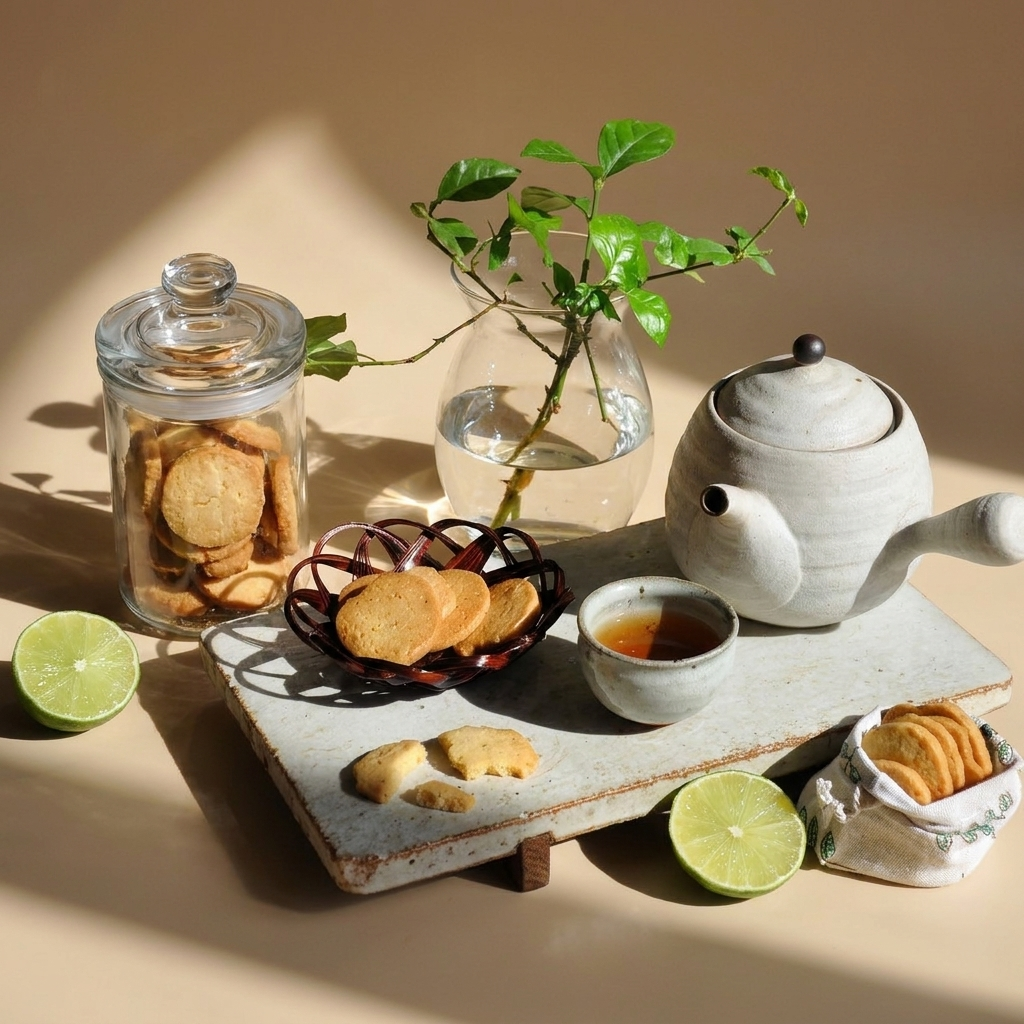
A standard 100g tin offers a single, consistent flavor, which suits business associates who appreciate routine and quality. In contrast, a loose-leaf gift set provides variety, allowing the recipient to explore different profiles, making it ideal for friends or family. The key trade-off is protection: tins are rigid and travel well, while multi-pack sets in boxes offer more variety but require careful packing to avoid damage.
Packaging That Signals Respect
For professional relationships, such as bosses or business partners, refined packaging is not optional—it is expected. Look for boxes with clear origin labeling and elegant, minimalist design. These details signal that you selected the gift with intention, rather than grabbing it off a shelf. A simple, well-crafted box with a visible tea leaf inside the glass or window often outweighs an overly flashy package that hides the product.
Matching Tea to the Recipient
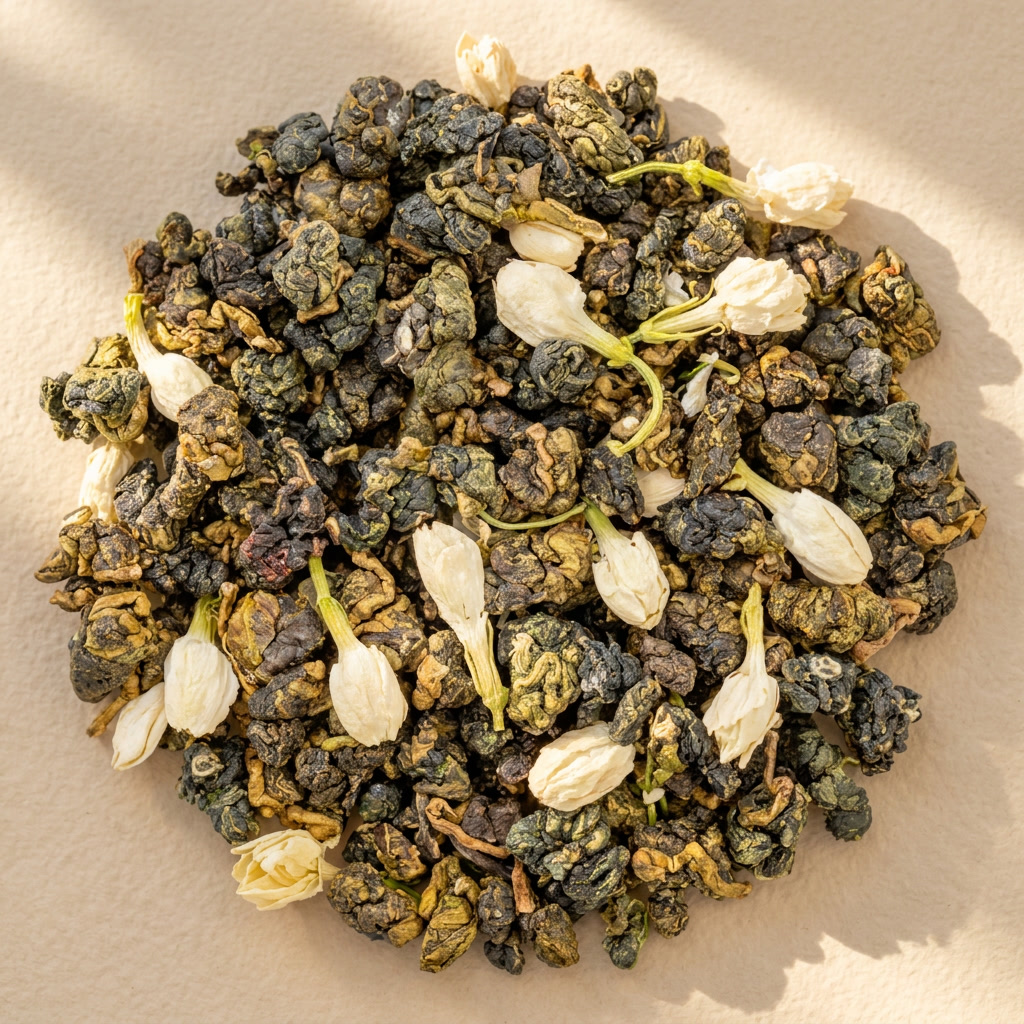
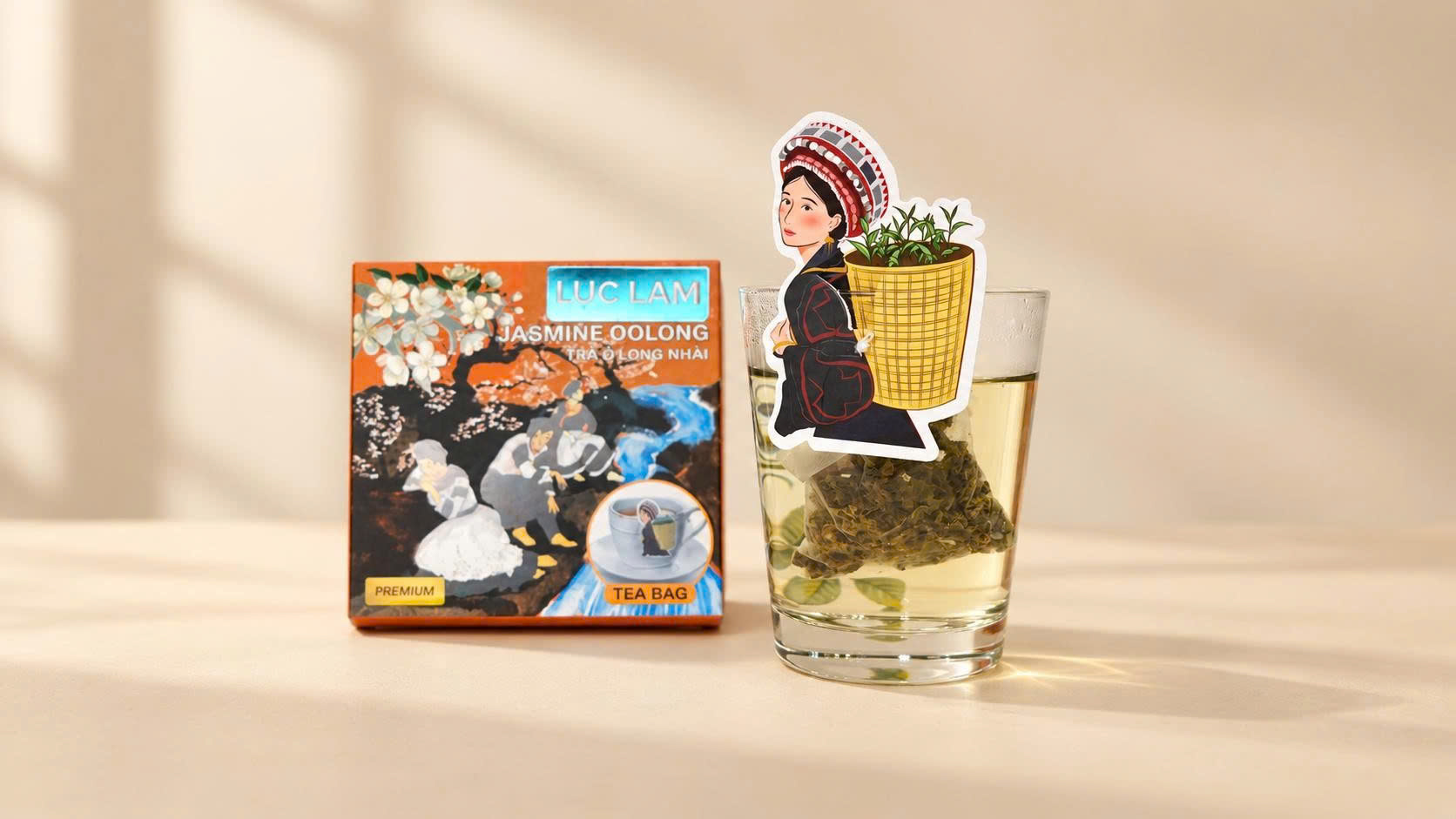
- For Friends: Floral blends, such as jasmine oolong, are lively and personal. They show you know their taste without being overly formal.
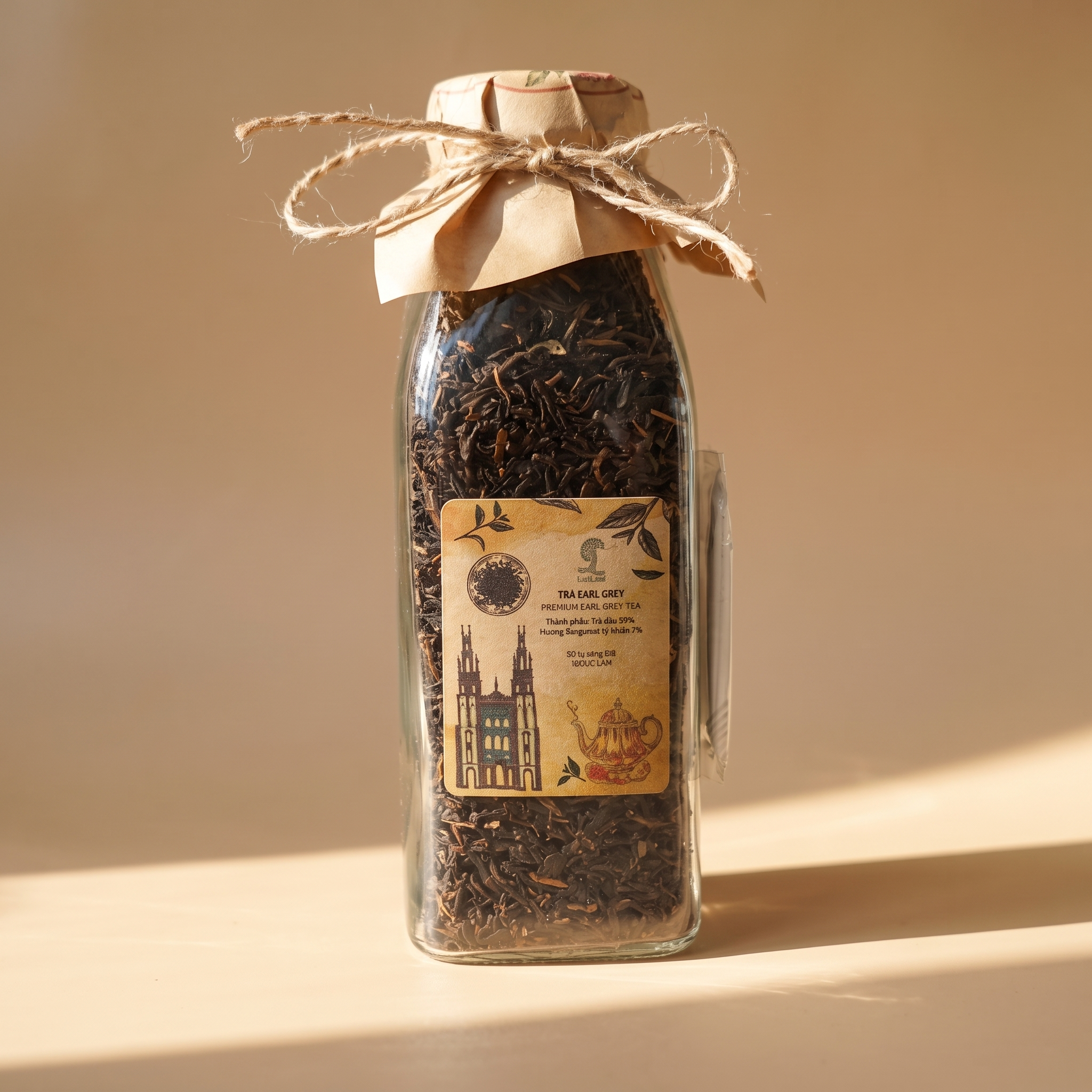
- For Business Associates: Robust black teas convey strength and stability. Choose a single, high-quality tin rather than a variety set.
- For Family Members: Caffeine-free herbal options are thoughtful, especially for elders or those who drink tea in the evening. They feel caring rather than just consumptive.
Tins vs. Gift Sets for Travel
When buying tea gifts in HCMC for an international flight, consider how the format will survive transit. Tins are generally safer for checked baggage, while gift sets offer more visual appeal for hand-carry situations.
| Feature | Tins | Loose-Leaf Gift Sets |
|---|---|---|
| Weight | Moderate to heavy | Lighter per item, but bulkier overall |
| Breakage Risk | Low (rigid container) | Medium (depends on box material) |
| Freshness | High (airtight) | High (if individually sealed) |
Packaging premium organic tea for your flight home
Protecting tins from checked baggage
A dented tin is the most common way a perfect gift loses its polish before your recipient even opens it. The pressure in cargo holds and the rough handling of baggage systems can crush rigid plastic containers or dent metal tins if they are packed loosely. Instead of placing your tea in hard plastic, wrap each tin in soft items like sweaters, folded shirts, or towels. These materials absorb impact and prevent the metal from striking against your laptop or other hard objects. This simple cushioning step keeps the refined packaging intact, ensuring the gift feels as premium on arrival as it did in the shop.
Maintaining freshness in transit
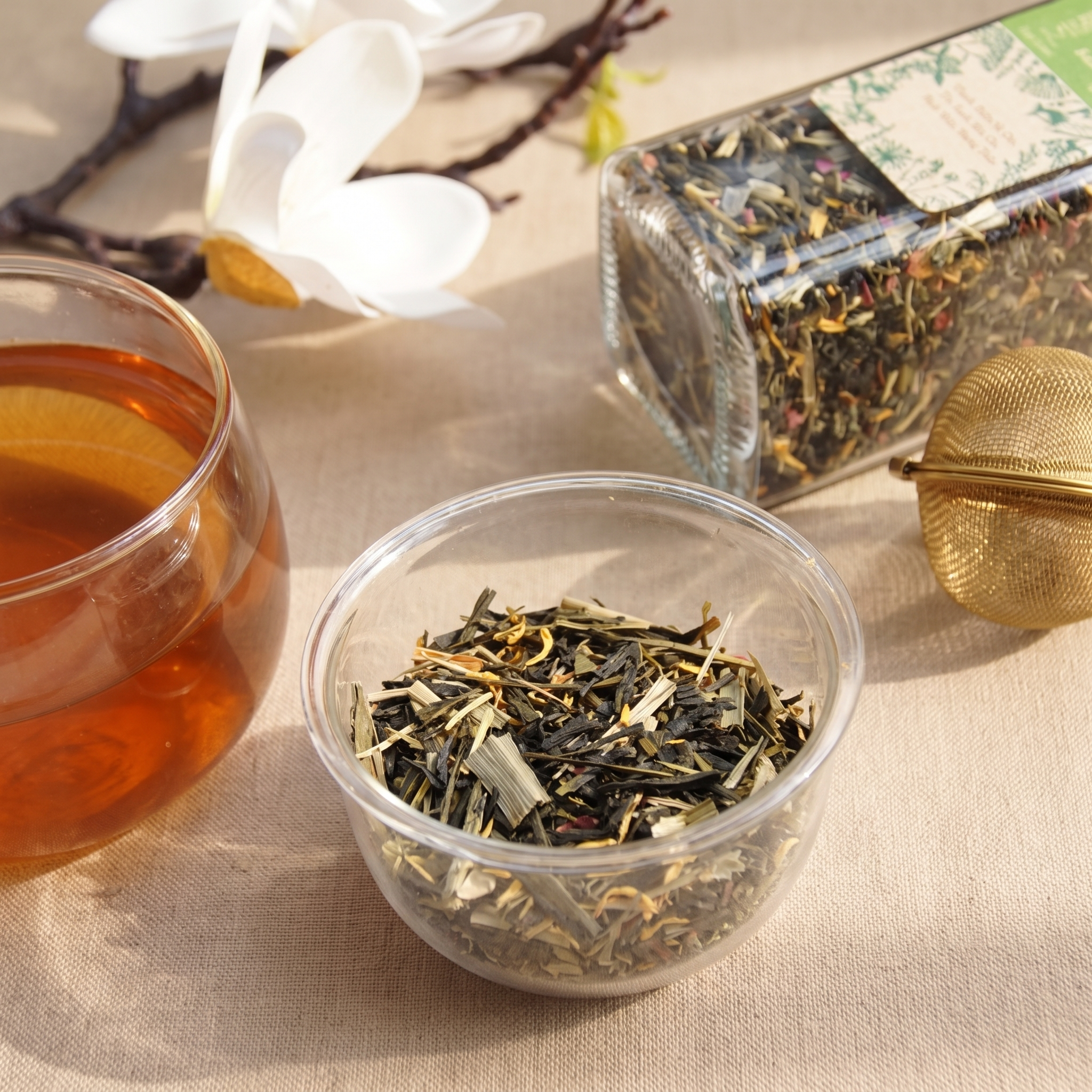
You want the aroma of the tea to survive the humidity of a flight and the time spent in a hotel room or suitcase. Loose-leaf tea stored in sealed glass jars or airtight tins retains its volatility far better than bagged tea. Paper or foil bags often allow moisture to seep in, which can cause the leaves to become damp or lose their top notes. By choosing premium organic tea in rigid, sealed containers, you ensure that the dry, complex aroma remains preserved. This matters for gifting: the first time your colleague or family member opens the lid, they should smell a fresh, distinct profile, not a stale or dusty scent.
Verifying quality before you pay
Before you leave the counter, take a moment to perform a quick “sniff test.” Lift the lid and inhale deeply. The aroma should be vibrant, layered, and immediately recognizable. If the scent smells flat, dusty, or indistinct, the batch may be older than you’d like for a gift. This final check confirms that the leaves are fresh and that the shop handles inventory with care. It is a fast, zero-cost step that prevents you from buying a product that has lost its character. A fresh aroma is the first impression your recipient will have, and it sets the tone for the entire experience of drinking the tea at home.
Common questions about buying tea in the old town
Travelers often hesitate at the counter because the rules for food items differ from clothing or electronics. Here are the most frequent concerns regarding returns, gifting formats, quantities, and brewing, answered with practical guidance for your trip.
Can I return tea if it tastes bad when I get home?
Generally, no. Because tea is a consumable food item, most shops in the old town do not accept returns once the purchase is completed. This policy strictly reinforces the importance of the tasting station. Before paying, ensure you taste the specific batch you intend to buy. If the aroma or flavor does not match your expectations or your recipient’s taste, it is better to switch to a different blend right there than to risk bringing a disappointment home. There is no exchange policy for taste preferences, so your initial sensory check is the final quality control step.
Is loose-leaf tea better for gifting than teabags?
Yes, loose-leaf tea is typically superior for gifting in this context. It showcases the whole-leaf quality, allowing the recipient to see the texture and shape of the leaves, which signals a higher grade of product. Additionally, loose-leaf offers flexibility. The recipient can control the strength of the brew by adjusting the amount of tea and steeping time, rather than being locked into a fixed dose provided by a teabag. This adaptability makes the gift feel more personal and versatile, suitable for various preferences.
How much tea should I buy for a business gift?
For professional relationships, a standard 100g tin or a small gift set containing three to four different varieties is appropriate. This quantity is substantial enough to be a meaningful gesture but not so large that it becomes burdensome. Avoid buying excessive quantities; remember that weight adds to shipping costs if you are checking the item in your luggage. A well-curated, smaller selection demonstrates thoughtfulness and respect for the recipient’s space, aligning with the refined packaging aesthetic preferred in business etiquette.
Do I need a special kettle to drink premium organic tea?
You do not need an expensive or specialized piece of equipment to enjoy these teas. A standard household kettle is sufficient. However, the key to unlocking the best flavor experience is water temperature. Always check the packaging instructions, as different teas require different heat levels. For example, green or white teas need lower temperatures to avoid bitterness, while black teas require near-boiling water. Using the correct temperature as indicated ensures the recipient extracts the full aroma and complexity of the premium organic tea, maximizing the value of the gift.
Next time you stand in a tea aisle, slow down. Instead of scanning labels, use three quick checkpoints: verify the sourcing origin, ask about the blending process, and check the packaging integrity. If a shop can name the grower or describe their hand-blending method, you are likely dealing with genuine artisan tea rather than bulk commodity. Tasting before buying remains your final and most reliable filter. Take a moment to assess the aroma; it should be fresh and complex, never dusty or stale. This small pause prevents the frustration of returning home with a gift that does not meet expectations. If you prefer a guided experience without the pressure of choosing alone, consider visiting Lục Lam’s stores in the old town to see how they match blends to your recipients’ tastes. It is a straightforward way to find a thoughtful, well-packaged Vietnamese gift that feels personal, not purchased. Whether for a business partner or a family member, taking a few extra minutes in the shop ensures the gift speaks for itself when it arrives home.