On This Page· 5
You likely expect the same sweet, floral profile from every Vietnamese tea gift you purchase. Most shops in Nha Trang display rows of jasmine-scented blends, a repetitive profile that can feel generic after the first cup. Yet the coastal geography around the region supports distinct coastal herbs and highland-grown leaves that offer a sharper, less sweet experience.
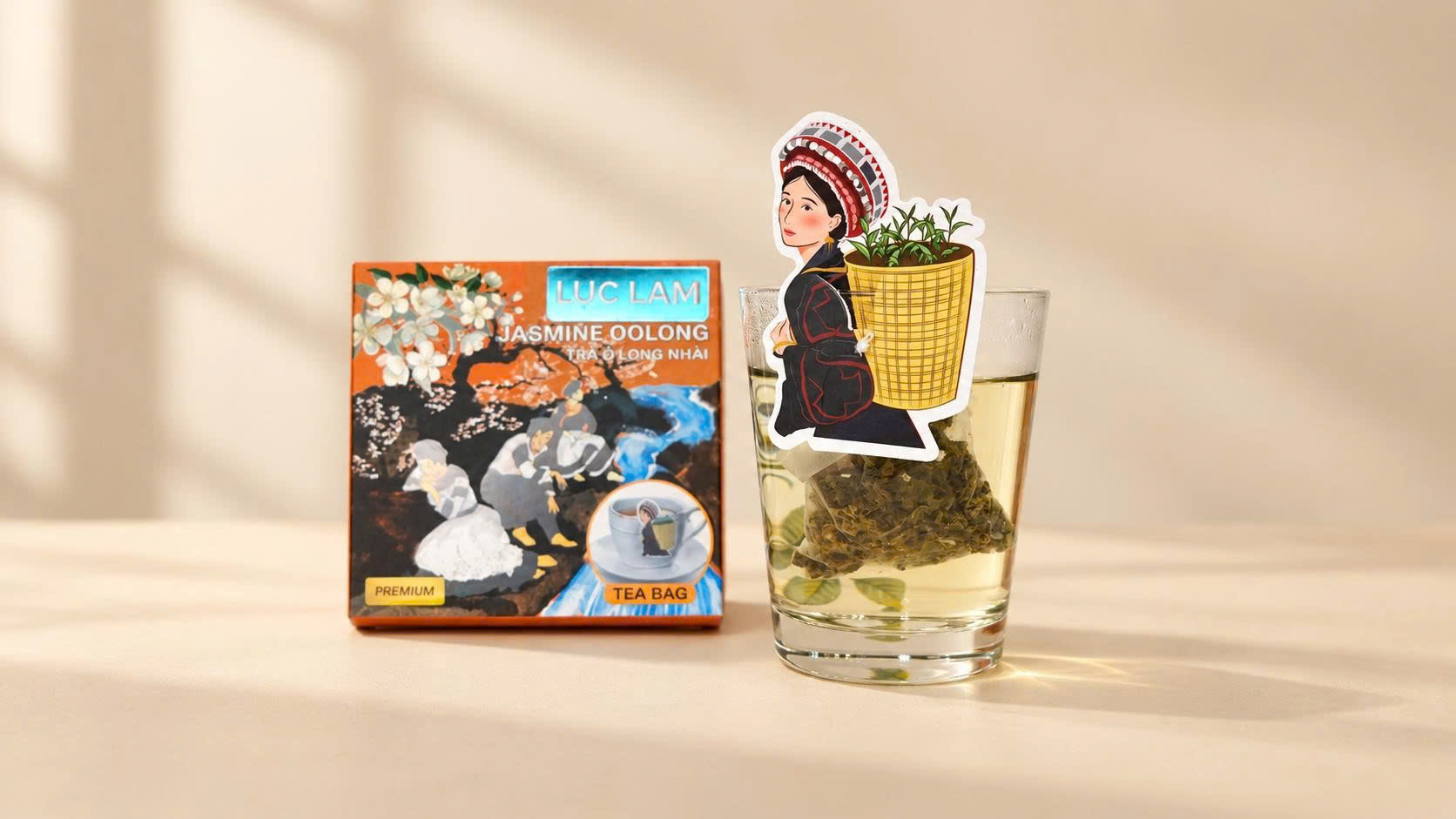
These specific leaves represent the missing link between a standard tourist souvenir and a thoughtful, unique gift. By shifting your focus to Nha Trang teas with a natural, unscented profile, you move beyond the typical scented options. This approach highlights the diversity of the region’s local specialties, allowing you to select a Vietnamese herbal tea that reflects a deeper understanding of the area’s distinct microclimate and agricultural heritage.
Tan Cuong Green: A coastal alternative to scented blends
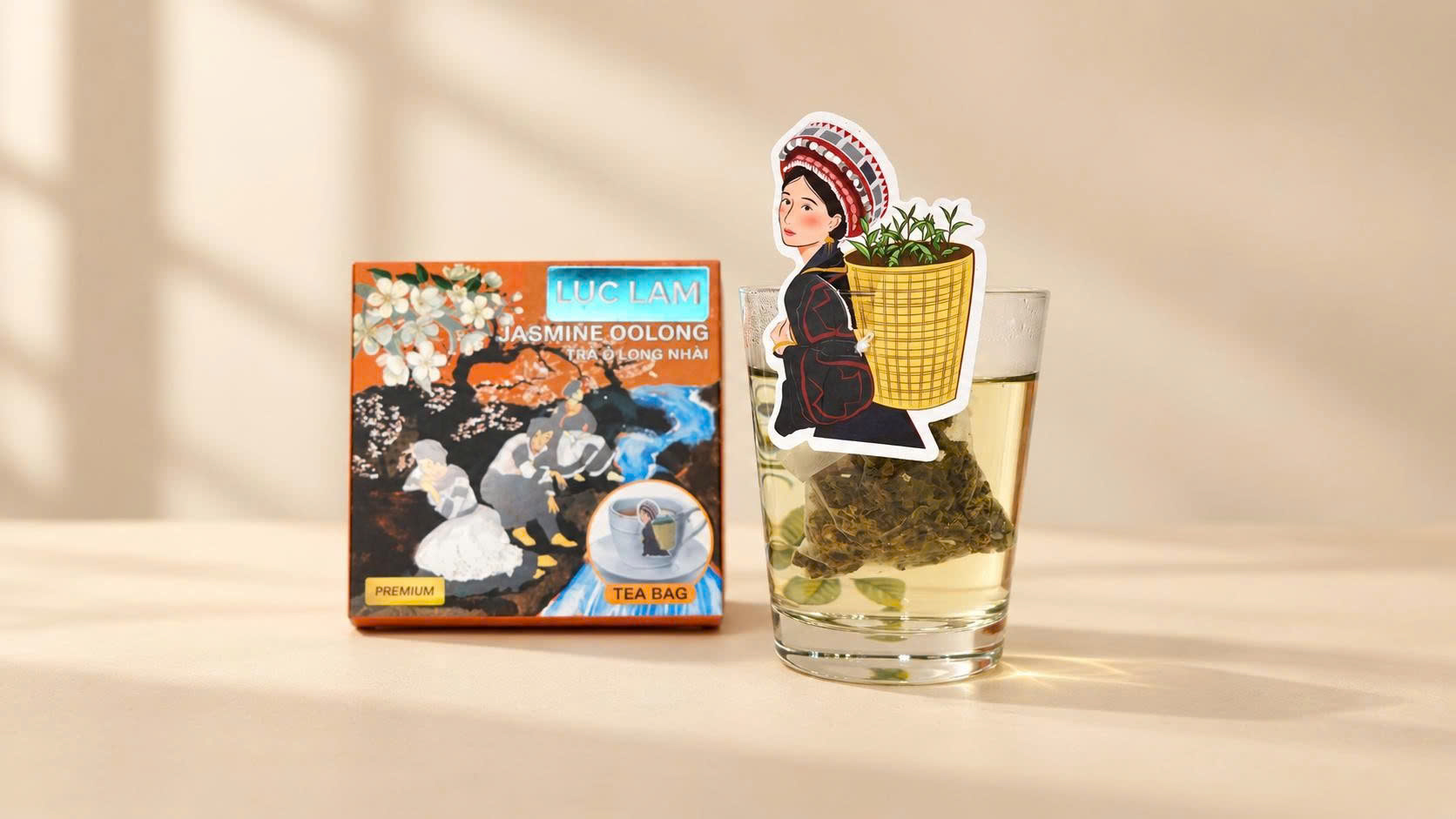
When considering local specialties from the northern highlands, Tan Cuong green tea often tops the list. Unlike the heavily scented jasmine blends that dominate souvenir shops, this variety relies entirely on the natural profile of the leaf. It is a distinct choice for travelers who want to move beyond the repetitive, floral notes of standard Nha Trang teas and discover a sharper, cleaner taste.
The character of this tea comes from a precise four-step production process: picking, wilting, cracking, and drying. This sequence is designed to halt oxidation almost immediately after the leaves are picked. By preventing the leaf from turning brown and bitter, the process locks in high levels of polyphenols, which give the tea its vibrant green color and characteristic fresh, grassy flavor. It is a true Vietnamese herbal tea experience that feels more like a crisp mountain breeze than a perfumed room.
The 80°C “Wake the Tea” Technique
Many people make a mistake when brewing these unscented leaves by simply pouring boiling water over them. This heat is too aggressive for green tea and will scorch the delicate compounds, resulting in a bitter cup. Instead, use the traditional “wake the tea” method. Start by pouring 80°C water over the dry leaves in your pot. Wait about ten seconds, then discard this first infusion. This brief rinse opens up the leaves without extracting their bitterness. Afterward, add fresh hot water to steep for approximately one minute.
This technique is crucial for unlocking the full profile of Tan Cuong green. It ensures that the first sip is clean and refreshing, a stark contrast to the heavy, sweet aroma of standard jasmine. For anyone familiar with coastal herbs and lighter botanical profiles, this method reveals the subtle nuances that boiling water would otherwise hide.
A refined gift for clean-palate recipients
Positioning this tea as a gift is a move away from the obvious. If your recipient prefers clean, grassy notes over heavy floral aromas, Tan Cuong green is an elegant choice. It signals that you understood their taste profile is more aligned with wellness and purity than with decorative scents.
For those seeking a thoughtful local specialty, this green tea offers a refined presentation that respects the craft of the highland farmers. It is a practical, high-quality option that suits a recipient who values the subtle complexities of a well-brewed cup over the immediate, overpowering scent of a scented blend. It is a quiet, sophisticated nod to Vietnamese tea culture that feels personal rather than generic.
Cao Son Oolong: The 8-80% oxidation sweet spot
Many travelers assume oolong is just one specific drink, but it is actually a broad category defined by a precise processing window. Oolong tea is classified as any leaf that has been partially oxidized between 8% and 80%, a range that sits distinctly between the fresh, non-oxidized green teas and the fully oxidized black teas. This middle ground is what makes Cao Son Oolong such a compelling local specialty for those looking beyond the standard scented blends. Unlike the halting process used in green tea production, oolong leaves undergo a more complex journey that balances freshness with depth.
The production of Cao Son Oolong involves repeated cycles of resting and oxidation that can span several days. This multi-day method allows the leaves to develop a rich, amber hue and a flavor profile that feels far more intricate than a generic bagged tea. The result is a Vietnamese herbal tea that offers a complex, layered taste profile, reflecting the specific terroir of its origin rather than an applied scent.
Why it works for gifting
When selecting a gift, you want a variety that your recipient will actually enjoy. Cao Son Oolong creates a balanced middle ground that appeals to a wide range of palates. It is ideal for someone who finds the sharp, grassy notes of green tea too aggressive or the heavy floral sweetness of jasmine too cloying. By choosing this variety, you are offering a nuanced experience that highlights the natural character of the leaf. It serves as a perfect bridge for tea drinkers who are ready to explore the more complex side of Nha Trang teas without the steep learning curve of wild, unprocessed varieties. This makes it a thoughtful, accessible choice for friends, colleagues, or business partners who appreciate refined flavors.
Shan Snow Wild: The 300-year-old leaf with 10+ re-steeps
For the recipient who has already explored standard green and oolong varieties, Shan Snow, known in Vietnamese as Chè shan Tuyet, represents the pinnacle of the Vietnamese herbal tea category. This wild tea does not come from cultivated rows but from ancient trees growing in the high-altitude provinces of Northern Vietnam, at elevations ranging from 800 to 2,000 meters. These trees are mostly over 300 years old, allowing the leaves to develop a complex, deep structure that young plantations simply cannot replicate.
The session as the gift
What makes this specific wild tea a high-value local specialty is its exceptional longevity in the pot. While many standard leaves provide three to four servings before fading, Shan Snow can be re-steeped for over 10 times without losing its integrity. This capability shifts the gifting dynamic: you are not just giving a single cup, but an entire session of brewing. Each steep reveals a slightly different layer of flavor, encouraging the recipient to slow down and engage with the leaf over a longer period. It transforms a simple drink into a practice, making it a standout choice for those who view tea consumption as a deliberate ritual rather than a quick habit.
A profile of mountain air
The flavor profile of these leaves is often described as cool and crisp, reminiscent of mountain air at high altitude. Unlike the sweet, floral notes of scented teas, Shan Snow offers a clean, earthy complexity that stands out among local specialties. Because these trees are wild and grow in specific, high-altitude regions, this variety is difficult to find outside of Vietnam. For a tea enthusiast who already knows a lot about different oxidation levels and leaf origins, this specific origin story and unique taste profile provide a level of depth that generic souvenirs simply lack. It is a refined way to share a taste of Vietnam’s highlands that few other gifts can match.
Brewing the coastal classics: A practical guide for loose-leaf
The water matters more than you think
Tap water often carries chlorine and minerals that muddle the delicate profiles of coastal herbs. For a clean cup, use filtered or rainwater. The minerals in tap water can flatten the subtle floral and grassy notes that make these local specialties distinctive. If you have a filter at home, that is ideal; otherwise, let bottled water sit for a few hours to settle. This small step ensures the natural character of the leaf comes through without interference.
Temperature control for distinct varieties
The ideal water temperature for brewing green tea sits between 75°C and 98°C, but the specific number changes by type. For green varieties like Tan Cuong, keep the heat on the lower end. Excessive heat breaks down the high levels of polyphenols and releases bitter compounds, masking the fresh, grassy finish. For partially oxidized leaves like Cao Son Oolong, you can aim for the higher end of that range to unlock its complex, amber flavor. This 75-98°C window gives you the flexibility to brew these diverse Nha Trang teas correctly without guessing.
The cold-brew alternative
If you are looking for a refreshing way to enjoy Vietnamese herbal tea during a hot coastal day, try the cold-brew method. This technique is particularly effective for the lighter profiles found in these local specialties. Instead of pouring boiling water, you use cool, boiled water that has been allowed to reach room temperature. Place your loose-leaf tea in a jar or bottle and pour the cool water over it. Place the container in the refrigerator and let it steep for five hours. When you are ready to serve, pour the tea over ice. The result is a smooth, low-tannin drink that highlights the subtle sweetness of the leaves without the bitterness often found in hot-brewed greens. This method turns a simple gift into a unique, refreshing experience.
Nha Trang coast FAQ: Which tea is right for my recipient?
Choosing a high-end gift for a boss or business partner
When gifting to a superior or a key business partner, the goal is to signal both respect and the effort invested in the selection. Shan Snow is the standout choice for these high-stakes occasions. Grown on wild tea trees that are often over 300 years old in the high-altitude provinces of northern Vietnam, this tea is rare and commands attention. Its ability to be re-steeped more than ten times makes the gift about the entire brewing session, not just a single cup. This depth and longevity convey a thoughtful level of expense that standard blends simply cannot match.
Why standard jasmine isn’t a “local specialty”
A common question is why standard jasmine teas from the Nha Trang coast are not considered part of the unique coastal herbs profile. The distinction lies in production. Jasmine is a scented tea, or Trà ướp hương, where the floral aroma is applied to a base leaf. In contrast, signature highland and coastal varieties like Tan Cuong green and Cao Son oolong rely entirely on the natural chemical profile of the leaf itself. While jasmine is popular, the unscented options offer a more distinct and authentic representation of the region’s specific terroir.
Practical tips for taking tea home
The most practical way to bring these local specialties home is by prioritizing packaging that ensures freshness during international travel. High-altitude leaves are delicate and highly susceptible to absorbing ambient humidity and external odors. Opt for individual packs or refined, airtight containers rather than loose bags. This protective layer preserves the integrity of the tea, ensuring that the Nha Trang teas you selected arrive in the same pristine condition as when you purchased them, ready to impress your recipient.
Think of these three profiles as a menu of local specialties rather than a single, repeated choice. Tan Cuong offers a clean, grassy freshness; Cao Son provides a balanced, amber-hued middle ground; and Shan Snow delivers a deep, mountainous complexity that can be re-steeped over ten times. Selecting one of these leaves over the standard scented blend shows your recipient you understand the subtle layers of Vietnamese culture beyond the surface. These coastal herbs and highland leaves carry a distinct regional character, transforming a simple souvenir into a thoughtful, memorable experience. When you choose a tea that reflects the unique geography of Vietnam, you are not just giving a drink—you are sharing a piece of the country’s heritage. The next time you brew or gift a cup, let the natural profile of the leaf speak for itself.