On This Page· 6
You stand at the edge of a narrow lane in District 5, holding a wallet with no local currency, staring at a chalkboard that lists only Vietnamese words. The ice clinks in the pitcher in front of you, and the scent of fresh herbs hangs in the humid air. You want that drink, but the language barrier feels like a closed door. This is the daily reality for many travelers navigating the artisan tea shops of Ho Chi Minh City, where menus rarely come in English and the best flavors are hidden behind names you do not know.
The term nước sâm does not mean Western iced tea. It refers to a specific category of herbal iced teas, rooted in traditional Vietnamese health practices. For generations, these herbal blends have served as daily remedies for specific needs, from cooling the body to supporting digestion. Understanding this cultural context transforms a confusing menu into a map of local life. This guide provides a simple, language-free approach to ordering at these stands, breaking down the four specific recipes you will encounter. By the end, you will be able to point to a chalkboard, name your preference, and enjoy a drink that feels as authentic as it looks.
Why Nước Sâm Matters in Vietnam Tea Culture
To understand nước sâm, you first need to look past the English translation. In this context, nước simply means “drink,” while sâm refers to a specific type of herbal preparation. It is not the sweetened, black tea-based beverage you might find in a Western café. Instead, it refers to a class of herbal iced teas brewed from specific plant ingredients, each chosen for distinct traditional health properties.
The Roots of Herbal Remedies
In Ho Chi Minh City, the practice of drinking these herbal blends is deeply rooted in history. Before the widespread adoption of modern pharmaceuticals, local doctors frequently prescribed these specific herbal remedies to address various health needs. The recipes served today in artisan tea shops are direct descendants of those traditional prescriptions. This historical continuity means that every glass is a connection to a long-standing Vietnamese practice of using nature for daily wellness.
The District 5 Experience
A specific stand in District 5 (Chinatown) serves as a representative of this wider street-tea culture. Located just down the road from a local school, the spot offers a glimpse into how these teas are integrated into daily life. The preparation methods remain traditional, emphasizing accessibility and natural ingredients. For a non-speaker, this area offers a unique entry point into Vietnam tea culture, where the focus is on the ritual of the drink rather than the speed of service.
A Sensory Moment
Visiting such a location is as much about the atmosphere as the taste. The visual appeal of the iced tea, with its distinct colors and natural ingredients, creates an inviting scene. The flavors are subtle and natural, free from the heavy sweetness of commercial sodas. More importantly, the communal nature of the street stand allows visitors to observe locals engaging with the routine, offering a genuine, unscripted look at how tea markets function in the heart of the city.
Four Herbal Recipes to Know in Ho Chi Minh City
When standing in front of the chalkboard at a District 5 stand, the menu often lists only four specific options. These are not random flavors; they are traditional herbal blends rooted in local medical history. Before modern pharmaceuticals became widespread, practitioners in this area prescribed these specific mixtures for particular health concerns. Understanding what each drink contains helps you choose a blend that matches your preference, whether you are looking for something refreshing or soothing.
The Four Traditional Blends
Each of the four teas serves a different purpose, derived from its primary ingredients. The stand’s owner typically prepares these by steeping the herbs or plant parts in water, then serving them over ice. The flavors are distinct, ranging from the sweetness of the cane to the floral notes of the chrysanthemum.
Mia Lau is sugar cane tea. The base ingredient is fresh sugarcane juice, which gives the drink its characteristic sweetness and slight viscosity. Traditionally, this blend is associated with supporting kidney health and boosting overall immunity. It is a sweet, robust option that feels like a natural energy drink without caffeine.
Rong Bien is seaweed tea. The primary ingredient is dried seaweed, which provides a savory, mineral-rich taste unique to this herbal infusion. This blend is noted for its high antioxidant content. Locals often consume it to help reduce cholesterol levels, making it a popular choice for those mindful of their heart health.
Bong Cuc is chrysanthemum tea. Made from dried chrysanthemum flowers, this is a floral, light, and mildly sweet tea. It is frequently recommended for reducing inflammation. Many locals also turn to this blend to improve sleep quality or to alleviate headaches, making it a gentle evening drink.
Tra Tac is kumquat tea. The main ingredient is kumquat, which adds a bright, citrusy flavor with a slight tartness. This blend is cooling and is traditionally used for detoxification. It is also credited with increasing immunity, making it a common choice for those seeking to clear out toxins or freshen their palate.
Quick Reference: Ingredients and Benefits
| Vietnamese Name | English Translation | Main Ingredients | Traditional Benefits |
|---|---|---|---|
| Mia Lau | Sugar Cane Tea | Sugarcane juice | Kidney health, immunity |
| Rong Bien | Seaweed Tea | Dried seaweed | Antioxidants, cholesterol reduction |
| Bong Cuc | Chrysanthemum Tea | Chrysanthemum flowers | Reduced inflammation, better sleep, headache relief |
| Tra Tac | Kumquat Tea | Kumquat | Cooling, detoxification, immunity boost |
A Note on Traditional Use
It is important to distinguish these street-side preparations from modern medical treatments. These are traditional remedies passed down through generations, based on natural ingredients and historical practice. While they offer refreshing and culturally significant experiences, they are not intended to diagnose, treat, or cure medical conditions. For any specific health concerns, consult a healthcare professional. The value here lies in the cultural experience and the traditional way of enjoying herbal infusions in the heart of Ho Chi Minh City.
How to Order at Artisan Tea Shops Without Speaking Vietnamese
The simplest way to order at artisan tea shops is to ask for a recommendation. Staff at street-side stands in Ho Chi Minh City are accustomed to foreign visitors and often appreciate the effort to engage, even if your Vietnamese is limited. A friendly “Giúp tôi một chút” (Help me a little) or a smile while pointing to the chalkboard usually prompts the server to suggest a popular blend that matches your general preference. This approach bypasses the need for fluency and often leads to a more authentic experience than trying to decode every ingredient list yourself.
Using the Tea Names
If you have already identified a specific flavor profile from the previous section, you can order by name. Pointing to the chalkboard while saying the Vietnamese name is highly effective and shows respect for the local tradition. For example, if you seek a cooling effect, ask for Bong Cuc (chrysanthemum). If you prefer a sweet, energizing drink, Mia Lau (sugar cane) is the choice. Using the specific names demonstrates that you have taken the time to learn about vietnam tea culture, which is always well-received by the staff.
Useful Phrases for Ordering
While a name or a recommendation is sufficient, adding a few simple phrases makes the interaction smoother. “Cho tôi một ly” (Give me one glass) is a polite way to indicate quantity. If you are curious about ingredients, “Hương liệu này có gì?” (What is in this?) helps you understand what you are drinking. These small phrases bridge the gap and turn a transaction into a brief cultural exchange. They are practical tools for any traveler navigating tea markets or local stalls without language barriers.
Payment and Tipping Etiquette
Cash is the standard form of payment at most street stands, so keep small bills handy. The amount is usually modest, fitting the casual nature of the setting. Tipping is not mandatory in Vietnam, but rounding up the bill or leaving small change is appreciated as a gesture of gratitude. This etiquette reflects the broader buying tea vietnam experience, where personal interaction and mutual respect are valued over strict commercial rules. Approach the transaction with a warm demeanor, and the interaction will feel as welcoming as the tea itself.
Where to Find These Experiences in District 5
A Hub for Traditional Goods and Taste
District 5, known as Chinatown, serves as a vibrant hub where traditional goods, street food, and tea culture intersect. For travelers seeking an authentic slice of Vietnam tea culture, this area offers a unique immersion into local daily life. The atmosphere is distinct from the more tourist-heavy districts, allowing visitors to experience the genuine rhythm of the neighborhood. Here, the line between commercial activity and cultural preservation blurs, creating an ideal environment for observing how herbal remedies have been part of the community for generations. Walking through the narrow lanes provides a tangible connection to the historical roots of these health-focused beverages, making it a prime location for anyone interested in the origins of street-side hydration in Ho Chi Minh City.
Locating the Stand and Nearby Spots
The specific herbal iced tea stand is situated just down the road from a local school. Since exact street names can change or be difficult to find on maps, using the school as a landmark is the most reliable way to locate it. The area is dense with various tea markets and small artisan shops, so look for a setup that emphasizes natural ingredients and traditional preparation. It is not a formal restaurant but a modest street stand, reflecting the informal nature of this tradition. While the primary focus is on the tea, the surrounding area is rich with other cultural sites. Visitors can extend their stay by exploring nearby artisan shops that sell woodblock prints or other handmade items. Combining a quick tea stop with a browse through these local craft stores creates a fuller, more meaningful day out in the city, moving beyond simple consumption to a deeper engagement with local craftsmanship.
Observing the Local Routine
One of the most valuable aspects of visiting these artisan tea shops is the social observation. The stand is a familiar spot for residents who have been visiting for years, some of whom may be former colleagues or neighbors of the vendor. Watch how locals order; they often have a specific routine, knowing exactly which blend they need for their current needs. This social aspect adds a layer of authenticity that a written guide cannot provide. By standing and watching, you gain insight into how these traditional remedies are integrated into everyday health management. It is a quiet, communal experience that highlights the trust and familiarity inherent in this neighborhood. For a non-speaker, this observation is often more educational than any verbal interaction, offering a clear view of the community’s relationship with their health and heritage.
Frequently Asked Questions About Herbal Iced Tea in Vietnam
Navigating the nuances of Vietnam tea culture can raise questions for first-time visitors. Below are clear answers to the most common inquiries about herbal iced teas in Ho Chi Minh City.
Is nước sâm the same as Western iced tea?
No. While both are cold beverages, nước sâm refers specifically to herbal iced teas prepared with medicinal or health-focused ingredients. It is distinct from the sweetened black tea typically found in Western restaurants. The herbal base means the flavor profile and purpose differ significantly from standard iced tea.
Can I bring these teas home as gifts?
Yes. Although the iced teas served at street stands are meant for immediate consumption, you can find similar herbal blends in refined packaging at tea markets or artisan tea shops. These packaged versions are suitable for gifting and allow you to share the experience with family or colleagues back home. Look for reputable brands that offer quality ingredients in presentable boxes.
Are these teas safe for everyone?
These beverages are traditional remedies based on natural ingredients. However, they are not universal for every health condition. Individuals with specific medical issues, allergies, or those who are pregnant or breastfeeding should consult a doctor before consuming these teas regularly. Natural ingredients can still trigger reactions or interact with medications, so caution is always wise.
Where else can I try these in Ho Chi Minh City?
You are not limited to District 5. Similar herbal iced teas are available in many street-side locations across the city. While Chinatown offers a concentrated experience, you can find these drinks in various neighborhoods. This makes it easy to incorporate a taste of local wellness into your daily routine, whether you are shopping in tea markets or exploring other cultural areas.
Conclusion
Ordering a glass of nước sâm is rarely about navigating a complex menu; it is about engaging with a local custom that has sustained communities in Ho Chi Minh City for generations. You do not need to memorize the names of every herb or understand the nuances of Vietnamese herbal medicine to participate. The single most effective strategy for any traveler, regardless of language proficiency, is to simply ask the staff for a recommendation. This small interaction opens the door to a more authentic exchange, often resulting in a cup that perfectly matches your taste preferences or current physical needs.
This ease of access transforms the experience from a linguistic hurdle into a welcoming cultural moment. The herbal iced teas served at these street stands are the modern expression of traditional wellness practices, making them an accessible entry point into understanding how health and flavor are intertwined in daily life here.
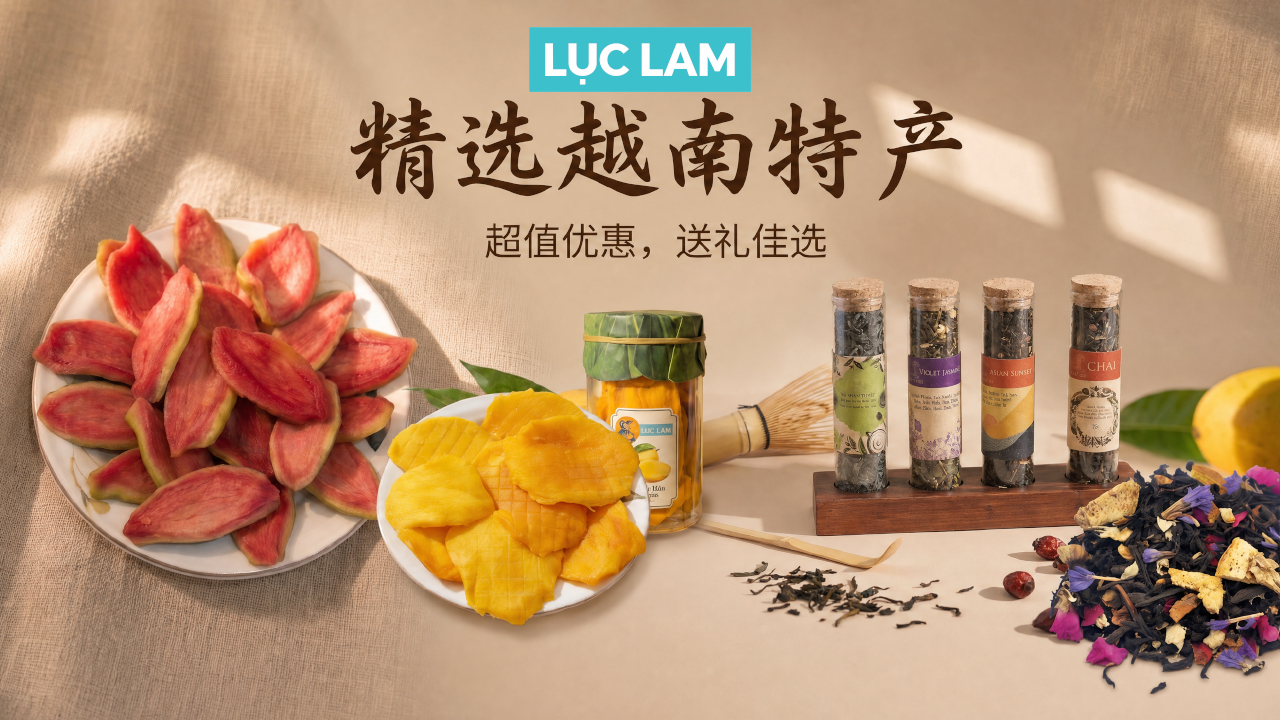
If you find yourself enjoying these flavors and want to bring a lasting reminder of your trip, consider taking a refined piece of this heritage home. Lục Lam Vietnam Tea curates a selection of high-quality tea gift sets designed for travelers. These sets feature carefully chosen teas in refined packaging, making them a thoughtful and suitable gift for family, friends, or business partners back home. It is a simple way to extend the warmth of your experience beyond the end of your stay.