On This Page· 6
Step off the crowded main avenue into a narrow, tree-lined street in District 3, and the city’s noise falls away. The air carries the scent of roasted oolong and damp clay, a quiet signal that you have crossed a threshold. Inside the local tea houses, the pace slows to a contemplative rhythm, contrasting sharply with the chaotic energy of the surrounding city streets. This shift in atmosphere makes the HCMC tea streets a compelling destination for travelers seeking a deeper connection to Vietnamese culture.
Finding a suitable gift for family or business partners often means looking beyond standard souvenir shops. The artisan tea shops in this corridor offer a more authentic experience, where you can browse loose-leaf samples and examine handmade ceramic teapots crafted by local artisans. For those navigating the tea market Ho Chi Minh area, these specific streets provide a curated selection that is easier to choose from than a crowded commercial zone. By starting at a single anchor point, you can move through multiple stops in one relaxed sitting, discovering the best tea spots that blend traditional architecture with modern, minimalist design. This guide walks through the essential locations in District 3, helping you navigate HCMC tea shopping with confidence and precision.
Why District 3 is the heart of HCMC tea streets
Stepping out of the buzzing, crowded avenues of District 1, you enter a zone where the noise drops and the air clears. The artisan tea shops of District 3 do not operate on the commercial logic of the city’s main tourist corridors. Instead, they function as quiet anchors within a residential neighborhood, offering a depth of tea culture that is difficult to find in the city’s more tourist-heavy commercial zones.
The core difference between the two areas is intent. In District 1, tea often serves as a quick souvenir purchase, tied to mass-produced items and high-traffic footfall. In District 3, the experience is contemplative. The HCMC tea streets here invite a slower pace, where a visitor can sit for an hour, sample different leaves, and listen to the specific history behind a pot. The focus shifts from the act of buying to the act of understanding, creating a genuine connection to the local ritual.
This area is also defined by its walkability. The tea spots are not scattered across the map but clustered in a specific corridor. This allows a traveler to browse multiple shops in a single morning without the need for a taxi or a long walk. You can begin at a large, traditional tea house and move a few streets over to a smaller, minimalist space, all while staying within a comfortable, manageable radius.
The Architectural Blend
The visual identity of these tea spaces also sets them apart. You will not find a uniform look across the neighborhood. Instead, there is a distinct mix of traditional Vietnamese architecture and modern design. You might walk past a shop with a wooden facade and heavy shutters, only to turn the corner and find a sleek, white-walled space with a focus on light and simplicity.
This variety means that the neighborhood appeals to different aesthetic preferences. Some visitors prefer the warmth of a traditional setting with dark wood and ceramic fixtures, while others look for the clean lines of a contemporary layout. The neighborhood supports both, allowing you to choose a setting that matches your personal style while you explore the tea market Ho Chi Minh offers.
Start your walk at 58/10 Pham Ngoc Thach
Your first stop on this journey through the HCMC tea streets is an address that feels like a quiet pocket within the busy district. Situated at 58/10 Pham Ngoc Thach in Ward 6, Kosala Vietnamese Tea House serves as the ideal anchor point for anyone looking to experience the local tea culture away from the main commercial hubs. Stepping inside, you immediately feel the shift from the city’s noise to a space designed for reflection and sensory engagement.
A curated space for the senses
This establishment offers more than just a place to drink; it is a destination for those who want to understand the craft. The shelves display a carefully curated collection of Vietnamese teas, allowing you to explore both classic and lesser-known varieties. Beyond the leaves, you can browse handmade artisan teapots created by local potters, which make for thoughtful gifts. The walls are lined with tea books, inviting you to learn more about the history and preparation methods of these beverages. If you are looking for a tea market Ho Chi Minh experience that prioritizes quality over quantity, this is where that balance is found.
The unique ‘three waters’ experience
A distinct feature of the visit is the brewing process. The staff prepares your cup using one of three specific water sources: rain water, spring water, or ancient well water. This practice adds a layer of depth to the experience, letting you taste how the water source influences the flavor profile of the leaf. For example, many visitors report enjoying a raw Pu Er made from the Vietnam Shan Tuyet tea tree, noting how the water choice complements the earthy notes of the blend. This attention to detail transforms a simple cup of tea into a nuanced exploration of local resources. As you continue your walk, keep this level of craftsmanship in mind when evaluating other artisan tea shops in the area, as it sets the standard for what to expect from these local gems.
What to look for in a local artisan tea shop
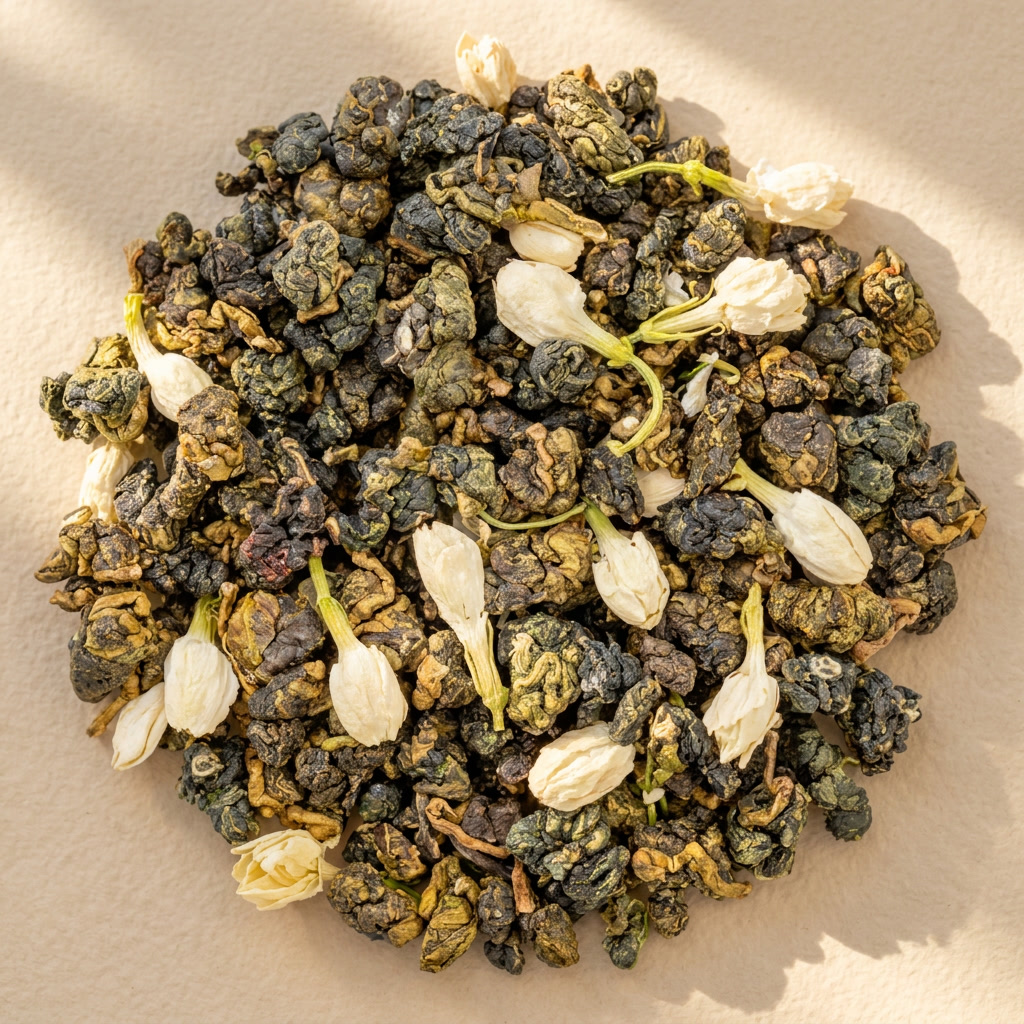
Distinguishing a genuine artisan tea shop from a generic souvenir stall is the key to finding quality Vietnamese tea for gifting. In a true tea house, you will encounter loose-leaf samples displayed openly for inspection, rather than just sealed boxes on shelves. The presence of loose-leaf allows you to see the leaf structure and smell the aroma before purchase, which is critical for assessing freshness. Staff in these artisan shops are typically trained in tea education and can discuss the specific growing regions, such as the highlands where Vietnamese oolong and green teas thrive. This expertise is a hallmark of a serious tea merchant, differentiating them from shops that simply resell imported goods.
Loose-leaf quality vs. gift packaging
When browsing the tea market in Ho Chi Minh City, resist the urge to buy only what looks like a fancy gift box. Mass-produced “gift tea” often contains lower-grade leaves hidden behind expensive packaging. For a meaningful gift, seek high-quality loose-leaf options. These leaves are often individually packed or available in simple, elegant containers that reflect the quality of the tea itself. Loose-leaf tea is also easier to verify for authenticity; you can check for uniformity in size and color. This ensures that the recipient receives a premium product rather than a decorative one.
Handmade ceramic teapots
A distinctive option for travelers is a handmade ceramic teapot crafted by local Vietnamese artisans. These pieces are not mass-produced items but unique objects with a tactile, organic feel. A high-quality teapot serves as a functional gift that pairs perfectly with the loose-leaf tea you purchase. It offers a deeper connection to the culture of tea-making in Vietnam. When selecting one, look for variations in glaze and form, which indicate hand-thrown craftsmanship. This combination of quality loose-leaf tea and a handcrafted vessel makes for a refined and memorable present for friends, colleagues, or business partners.
Navigating the corridor: Ky Tra and Song Hy
Just past the quiet entrance of 58/10 Pham Ngoc Thach, the street narrows and the pace slows. This is where you will find two other well-regarded stops: the Ky Tra shop and Song Hy tea house. Both are frequently cited by independent travelers seeking a more intimate introduction to the local tea culture. They sit within a short walking distance of Kosala, allowing you to compare styles, aromas, and brewing methods without backtracking.
Finding them without a map
If you are exploring on foot, do not worry about missing a turn. The architecture of these artisan tea shops often serves as the best signpost. Look for a low, unadorned storefront where the interior is visible through a wide opening. Unlike the larger, brightly lit stores in District 1, these spaces are modest and often feature wooden counters or glass display cases filled with loose-leaf samples. If you see a line of people browsing jars of dried leaves or a sign with Vietnamese characters for “trà” (tea) but no English signage, you have found the right spot.
Walking along the tree-lined side of the corridor makes the identification easier. The air often carries the scent of roasted oolong, a subtle sensory cue that helps confirm you are in the right area. If you are unsure, ask a nearby shopkeeper for directions to “the tea house with the handmade pots.” Local staff are usually happy to point you toward these specific neighbors, as they often share a close-knit community of tea enthusiasts.
Choosing the right atmosphere
While all three locations in this corridor focus on quality, they each offer a different experience. The choice depends on what you value most in your visit.
| Feature | Kosala | Ky Tra | Song Hy |
|---|---|---|---|
| Space | Spacious, curated interior | Cozy, traditional layout | Quiet, focused setting |
| Service | Educational, tea pairing focus | Friendly, quick sampling | Personal, slow-brewing |
| Ideal For | First-time visitors, gifting | Casual browsing, tasting | Deep dives, conversation |
Kosala offers a curated, educational environment where you can learn about the “three waters” and select a gift. Ky Tra tends to be more casual, perfect for a quick taste of different leaves. Song Hy provides a quieter, more personal setting if you want to sit and watch the brewing process. Since these are among the most recommended artisan tea shops in the area, you will find a high standard of hospitality at any of them. Choose the one that matches your pace for the day.
FAQ: Bringing your HCMC tea shopping back home
Can I bring loose-leaf tea through customs?
Yes, personal quantities are generally permitted for travelers. To smooth the process, ensure your tea is in its original, sealed packaging and labeled clearly if possible. This transparency helps customs officers identify the item as a standard agricultural product rather than a restricted substance.
Which tea is the most popular for gifting in Vietnam?
Oolong and green teas from the highlands are the most common and versatile choices for gifts. These varieties appeal to a wide range of recipients, from family members to business partners, thanks to their balanced flavors and traditional significance. For a Japanese or Chinese recipient, a high-mountain green tea often resonates deeply with existing tea-drinking habits, while an oolong offers a rich, roasted aroma that pairs well with the refined presentation expected in gift-giving contexts.
Are these tea streets crowded in the evening?
No, most artisan shops in the District 3 corridor close by early evening. The atmosphere is quietest in the late morning or early afternoon, making these hours ideal for an unhurried visit. If you prefer browsing without the rush of dinner-hour traffic, aim for the 10:00 AM to 2:00 PM window, when the narrow streets feel calm and the staff have more time to explain the nuances of each brew.
Conclusion
Stepping away from the main avenues into the quiet corners of Pham Ngoc Thach offers a genuine pause in the city’s rhythm. Your walk through these HCMC tea streets connects three distinct experiences: the curated heritage of Kosala, the practical charm of Ky Tra, and the focused atmosphere of Song Hy. This specific corridor in District 3 serves as a hidden gem, offering a deeper cultural connection to Vietnamese tea culture that standard tourist circuits often miss. The satisfaction of leaving with a quality, authentic souvenir—a handmade artisan teapot or a seal of high-quality loose-leaf—makes the entire journey worthwhile. As you head home, carry with you not just the tea itself, but the memory of the first warm sip, the scent of damp clay, and the quiet joy of discovering a true local treasure.