On This Page· 6
You expect to find a famous local blend when searching for Nha Trang herbal tea, but the coast has no such tradition. Nha Trang is a maritime city, not a highland plantation region for Camellia sinensis. The genuine local answer is not a box of scented leaves, but a cooling drink made from seaweed.
Most visitors arrive with a shared frustration: they are tired of the same jasmine gift boxes sold in every souvenir shop from Hanoi to Ho Chi Minh City. These products are typically imported blends with a generic label, not an authentic reflection of the Khanh Hoa coast. The true specialty here is modest, marine-based, and surprisingly refreshing.
This guide clarifies the coastal wellness drinks that actually originate from this specific region. It explains why the “local tea” label is often a myth and highlights the only documented coastal alternative: seaweed processed into a light, mineral-rich infusion. We also examine sea grapes, a unique coastal item that offers a distinct, non-floral experience. By focusing on these verifiable products, you can choose a gift that truly reflects the sea, avoiding the confusion of mislabeled imports.
Why the ‘Nha Trang herbal tea’ label is a myth
Searching for Nha Trang herbal tea often leads to a confusing reality: the city is famous for the sea, not the steep, misty highlands where Camellia sinensis thrives. To understand what is actually local, we must first correct a common geographical misconception.
The geography of Vietnamese tea
Vietnam’s most celebrated teas, such as green tea from the Central Highlands or jasmine from the north, rely on specific altitude and climate conditions. Nha Trang, located in Khanh Hoa province, is a coastal city defined by its coastline and islands, not by tea plantations. While the region is known as the “land of agarwood and bird’s nest,” it is not a traditional hub for leaf tea cultivation. This distinction is crucial for travelers looking for authentic local Vietnamese teas rather than generic souvenirs.
The truth behind tourist souvenirs
If you walk through the markets in Nha Trang, you will likely see boxes of jasmine tea labeled with the city’s name. However, these are typically imported blends. The “Nha Trang” label on these products is a marketing designation rather than an indicator of origin. The actual agricultural product of this coast is marine-based, not arboreal.
Defining the search intent
When searching for coastal tea specialties, the goal is to distinguish between:
- Genuine local wellness items: Products derived from the immediate marine and coastal environment.
- Generic imported goods: Standard teas produced elsewhere and re-branded for tourist sale.
An honest, modest answer
It is important to be direct: there is no long, invented list of exotic local herbs unique to this city. The answer is modest but genuine. The true Nha Trang gifts that align with the local environment are not complex herbal blends, but simple, marine-derived items that reflect the city’s unique terroir. This section sets the stage for the actual, documented coastal wellness drinks that exist here, moving away from the myth of a highland tea garden on the coast. By understanding this, you can make a more informed choice when selecting gifts that truly represent the place you visited, rather than just a generic label on a box of imported leaves.
Seaweed cooling tea: the only documented coastal specialty
Most visitors to Nha Trang expect a shelf of local herb blends, but the documented answer is narrower: a practice of processing seaweed into a cooling tea. This is not a highland crop. It is a central-coast preparation that uses the marine environment itself. If you are looking for a Nha Trang herbal tea that reflects the actual geography, this is the item worth knowing about.
A light, refreshing alternative to floral blends
The sensory profile of this drink is distinctly different from the jasmine boxes found in most gift shops. It is not sweet or heavily floral. Instead, the flavor is light and refreshing, with a clean, aquatic character that feels natural in a coastal setting. The taste does not mimic a tea garden; it mirrors the sea. This makes it a coastal tea specialty in the truest sense—a drink shaped by its marine origin rather than an imported leaf. For many travelers, this shift from floral notes to a crisp, mineral-light profile is the first sign they are drinking something genuinely local.
How it is prepared and consumed
This beverage is treated as a wellness drink, often consumed warm to promote a sense of balance. The preparation involves processing the seaweed to create a light infusion. It is not a strong, tannic tea. It is a gentle, sipping drink that fits into daily routines or post-meal relaxation. As a coastal wellness drink, it offers a practical way to engage with the local food culture without committing to a full meal. It is simple, direct, and free from the complexity of multi-herb blends.
The authentic alternative to standard jasmine
Choosing this over a standard jasmine gift box is a matter of authenticity. Jasmine is a generic gift; it can be grown anywhere. Seaweed cooling tea is tied to the coast. It is a modest but genuine option for travelers seeking Nha Trang gifts that tell a specific story. While a jasmine box is a safe, familiar choice, this local Vietnamese teas alternative offers a unique perspective on the region. It is a reminder that the coast’s contribution to Vietnamese culture is not just seafood, but a way of processing its marine resources for everyday well-being.
Sea grapes: the mineral-rich coastal item to buy
Sea grapes, known locally as rong nho, is the most detailed coastal plant item mentioned in the reference. Unlike the processed beverages discussed earlier, this is a tangible food item you can see, taste, and take home as a genuine Nha Trang gifts option. The visual appearance is distinct: long, thin stems draped with clusters of tiny, translucent beads that resemble a string of grapes. This unique structure gives the dish a light, crisp texture and a subtle, briny saltiness that is refreshing rather than overpowering.
The primary appeal of sea grapes lies in its nutritional profile. It is rich in natural minerals and contains natural collagen, making it a popular choice for those seeking coastal wellness drinks or food-based remedies. The high water content keeps the texture delicate, while the mineral density provides a specific, refreshing quality that distinguishes it from standard leafy greens.
Practical purchasing and usage options
Travelers have two main ways to acquire sea grapes, each with different storage and usage implications.
- Fresh: This is the ideal format for immediate consumption. Fresh sea grapes are typically found in local markets and are best used in a salad. The classic preparation involves tossing the raw beads with a roasted sesame sauce, which complements the light saltiness without masking the natural flavor. The crispness is at its peak when fresh.
- Dried: If you are looking for a souvenir to bring back to Japan, Taiwan, or China, the dehydrated form is the practical choice. Dried sea grapes can be reconstituted at home for salads or added to soups. It is important to note that the texture changes significantly; the crispness is lost, resulting in a softer, more tender bite. However, the mineral content remains intact, preserving the wellness benefits in a shelf-stable format.
Reference price context
Understanding the cost helps in making practical decisions at the market. The reference price for fresh sea grapes starts from 55,000 VND per 250g. This is a reasonable price point for a fresh, local specialty that you will not easily find in other regions. If you choose the dried format for easier transport, the reference price for dried seaweed (which includes sea grapes and other dried marine plants) starts from 150,000 VND per kilogram. While the per-unit cost is higher, the weight is significantly lower due to dehydration, making it a manageable volume for travel. Choosing between fresh and dried depends on your travel timeline: if you are in Nha Trang for a few days, fresh offers the superior sensory experience. If you need a lasting reminder of the coast, the dried version is the reliable option.
For those focusing on local Vietnamese teas and beverages, the sea grapes serve as the tangible counterpart to the seaweed cooling tea. Together, they represent the authentic marine-based wellness items of the region, moving beyond the generic tea boxes often sold to tourists. This specific attention to local, verifiable items ensures that your selection reflects the true character of Khanh Hoa’s coast.
Choosing coastal wellness drinks over standard jasmine
When you compare the experience of taking home a box of jasmine tea versus a jar of sea grapes, the difference is immediate. Jasmine tea is a generic product; you can buy the same blends in Tokyo, Taipei, or Shanghai. It tells your recipient where you shopped, not where you traveled. In contrast, dried seaweed and fresh sea grapes are intrinsically linked to the marine environment of Khanh Hoa. They represent a unique terroir that cannot be replicated elsewhere.
The appeal of authenticity
For travelers seeking a souvenir that avoids the typical tourist trap, coastal items offer a narrative depth that standard teas lack. A jasmine box is often just a marketing label applied to imported leaves. However, seaweed cooling tea and sea grapes are genuine outputs of the local coast. The choice becomes about authenticity: do you want a pretty box, or do you want a piece of the place you visited? The latter connects the gift to the specific salinity, mineral content, and biodiversity of the local waters. It turns a simple purchase into a story about the sea itself.
A distinct gift for discerning recipients
If you are buying Nha Trang gifts for family or colleagues who appreciate unique, non-standard items, these coastal options stand out. They are not just drinks; they are tangible evidence of your time by the ocean. While you might not find these at every standard souvenir shop, local markets like Xom Moi or Dam Market offer fresh sea grapes from 55,000 VND per 250g. Dried seaweed starts at 150,000 VND per kilogram, making it an affordable way to bring the taste of the coast home without the bulk. This approach allows you to offer something rare, specific, and genuinely local, moving beyond the predictable choice of a generic herbal blend.
Frequently asked questions about Nha Trang coastal teas
Visitors often arrive with expectations of a rich tea culture, only to find the local reality is more modest. Clarifying what exists—and what doesn’t—helps you avoid mislabeled gifts and find authentic souvenirs.
Is there a traditional Nha Trang tea ceremony?
No. The coast is not known for a specific tea ceremony. The local culture focuses on fresh seafood, coastal fruits, and marine plants rather than the ritualized tea drinking found in highland regions. When visiting, expect an emphasis on fresh ingredients and casual dining rather than formal tea presentations.
Where can I buy sea grapes and cooling tea?
Look at local markets like Xom Moi or Dam Market for the most authentic and affordable options. Xom Moi is located at 49 Ngo Gia Tu, Tan Tien, while Dam Market is on Phan Boi Chau Street, Van Thanh. For a more curated experience, specialty stores like SEAVY or Xom Bien offer pre-packaged items that are easier to transport.
Can I bring seaweed cooling tea home?
Dried forms are significantly easier for travel. Fresh sea grapes are perishable and best consumed locally within days of purchase. If you wish to share the experience, buy dried seaweed or dehydrated sea grapes, which keep well in your luggage and can be reconstituted at home.
Why is there no ‘local’ jasmine tea from Nha Trang?
Jasmine is typically sourced from other regions of Vietnam. The ‘Nha Trang’ label on jasmine boxes is often a marketing designation rather than a true place of origin. For genuine local Vietnamese teas, look for items specifically tied to the marine environment, as these reflect the true coastal terroir rather than imported blends.
Final thought
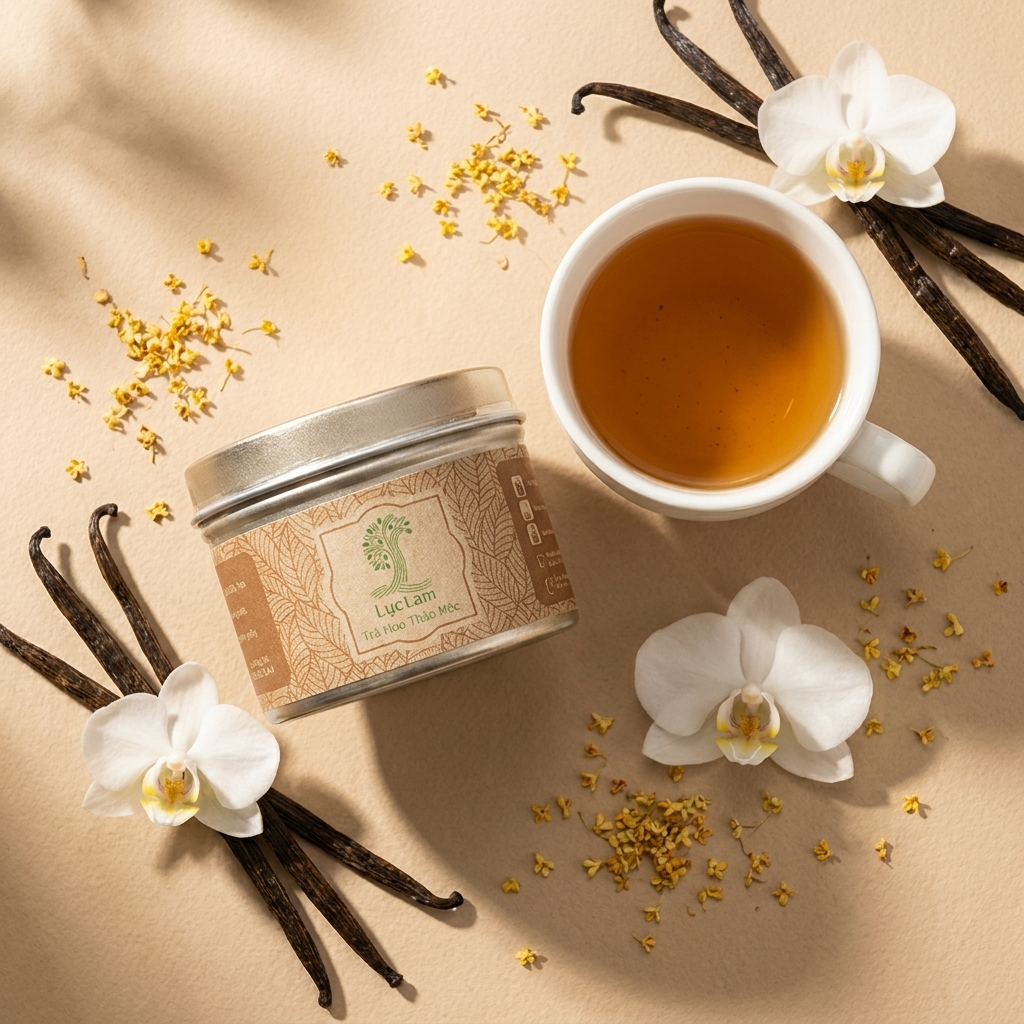
The honest takeaway is clear: the coast lacks a famous herbal tea garden, but it offers unique marine-based wellness items like seaweed cooling tea and sea grapes. These coastal wellness drinks reflect the local marine environment rather than relying on imported blends. For travelers seeking a genuine connection to the region, these items provide an authentic alternative to the standard jasmine box. If you prefer a refined, easy-to-choose Vietnamese gift that avoids the confusion of mislabeled local specialties, consider curated sets that highlight the true diversity of Vietnamese flavors. Lục Lam Vietnam Tea in Ho Chi Minh City and Da Nang offers such selections, presenting verified options in elegant packaging. This approach lets you share the taste of Vietnam with confidence, ensuring your gift resonates with both tradition and modern sensibility. Whether for family or business partners, a thoughtfully selected set captures the essence of the country without the guesswork. Enjoy your journey through these distinct tastes. If you have questions about sourcing specific coastal items, our team is happy to assist.