On This Page· 6
You find a beautiful tin of chamomile and hibiscus, labeled as traditional Vietnamese tea, and your fingers hover over the checkout button. The hesitation is real: will this package make it across the border, or will it disappear into the void of international logistics? Many buyers worry that their order to ship to Canada will be held up by customs or returned to the sender due to missing paperwork.
Yes, you can order Vietnamese herbal tea for delivery in Canada, but the catch lies in the compliance details that determine whether your specific vendor handles the process correctly. Not every online retailer understands the regulatory landscape required for imported teas, which is why some orders get flagged, delayed, or refused at the border. When documentation is incomplete, the package does not just sit at customs; it can be seized entirely. This guide moves beyond generic shipping explanations to help you identify a reliable vendor. We will look at the specific compliance markers that distinguish a professional supplier from a casual exporter, ensuring your purchase arrives safely on your doorstep.
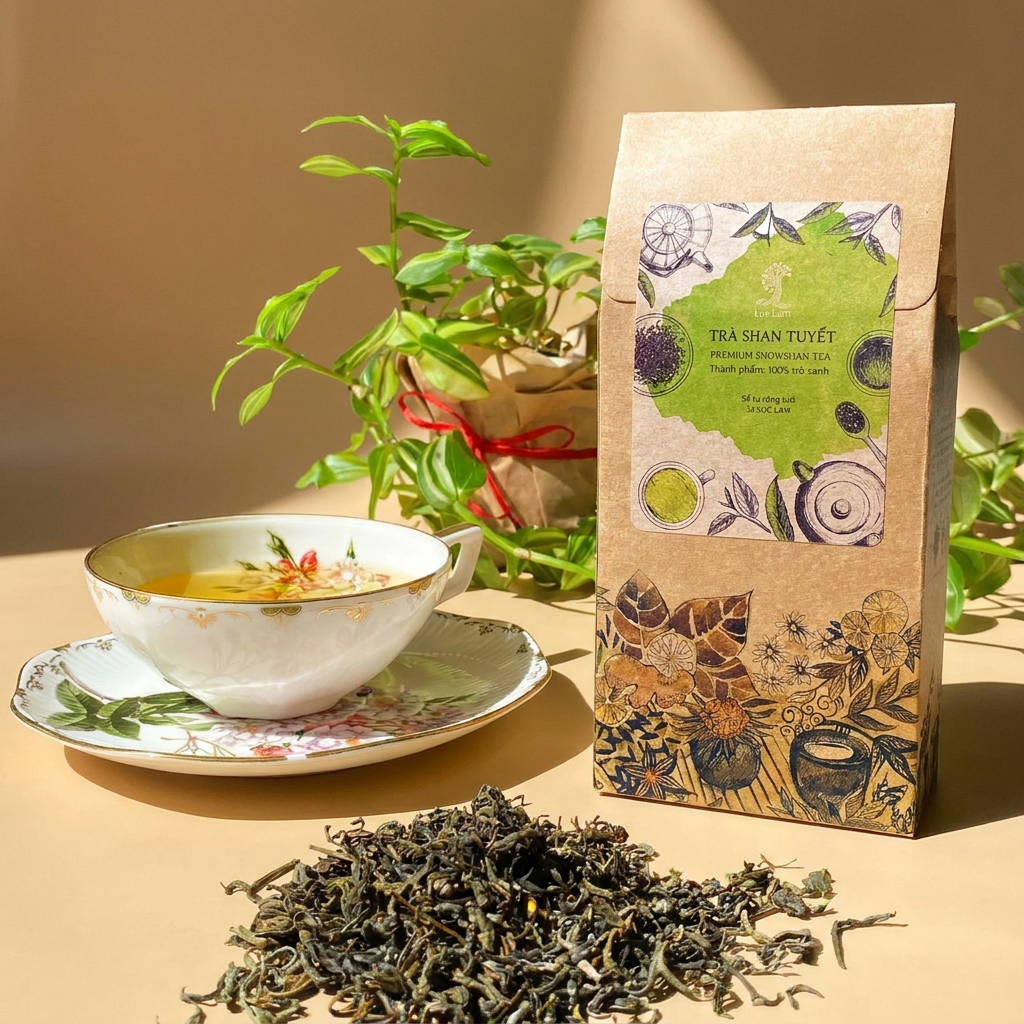
Many Vietnamese producers still view domestic logistics as their primary focus, yet the landscape is shifting. For artisanal labels like Lục Lam, moving traditional Vietnamese tea across the Pacific is no longer a theoretical possibility but an operational reality. As consumer curiosity grows, international shipping to Canada has become a standard channel for small-batch sellers who prioritize quality over mass production.
This shift creates an interesting dynamic in the import market. While large-scale commercial distributors handle bulk cargo, the segment serving individual Canadian consumers relies on different mechanics. The key distinction lies in what exactly is being shipped. Herbal teas, such as chamomile, hibiscus, or tulsi, face a smoother path through customs than their caffeinated counterparts.
Why botanical blends clear faster than processed leaves
The complexity of the product dictates the scrutiny it faces. Processed black teas undergo significant chemical and physical transformations during production. In contrast, dried botanicals like hibiscus or chamomile are largely single-ingredient items that have not undergone complex oxidation or blending processes. This simplicity makes them attractive for small-batch online vendors because the regulatory footprint is smaller. Canadian health standards for pure herbal infusions are straightforward to document, reducing the friction that often slows down mixed or processed imports. This ease of clearance is a major reason why imported teas from Vietnam are gaining traction in North American households seeking clean, single-origin wellness options.
However, an easy product is not the same as an easy seller. Just because a type of tea can be imported does not mean every shop you see online is equipped to do it legally. The gap between a product that can be shipped and a seller that will ship it correctly is where many consumers get tripped up.
Verify the seller’s channel before checkout
You need to treat the selection of an online tea vendor as a vetting process, not just a shopping trip. Not every e-commerce storefront maintains a compliant channel for North American delivery. Some may list items for Canadian buyers but lack the infrastructure to handle the necessary paperwork or bilingual labeling requirements. Before you click purchase, verify that the specific seller has an established track record with Canadian customs. Look for explicit mentions of their compliance with Canadian health standards and their ability to handle the logistics of shipping to Canada properly. A reliable partner will not just sell you a tin; they will ensure the tin arrives with the correct documentation to clear the border without delay.
What CFIA and CBSA actually look for in your import paperwork
When a package of imported teas crosses the border, it triggers a specific regulatory check. While the consumer rarely sees this process, the documentation behind the scenes determines whether a tin of chamomile reaches your door or is returned to the sender. The two primary gatekeepers are the Canadian Food Inspection Agency (CFIA) and the Canada Border Services Agency (CBSA), each with a distinct mandate that you should understand before trusting an online tea vendor.
The role of the SFC licence
The first hurdle is food safety. The CFIA requires all food importers to hold a Safe Food for Canadians (SFC) Licence. This is not an optional registration; it is a compulsory legal requirement for bringing tea into the country. The licence ensures that the importer is compliant with Canadian health and safety standards, which is why the SFC licence number must be presented to CBSA along with the shipment.
You, as the end-consumer, do not need to hold this licence. Instead, you rely on your seller to possess it. A legitimate vendor who has established a channel to ship to Canada will have already registered their business with the Canada Revenue Agency and obtained the necessary Business Number (BN) and SFC licence. This administrative burden is handled at the source. If a seller claims to be “compliant” but cannot verify their SFC status, the risk of your Vietnamese herbal tea being detained increases significantly.
Required documents for shipment
Once the food safety side is cleared, CBSA takes over the customs process. The agency requires a specific set of shipment documents to process the entry. These are:
- Commercial invoice: Details the value of the goods for tax calculation.
- Bill of lading or airway bill: Proof of the physical movement of the goods.
- Packing list: A breakdown of the contents, quantities, and weights.
- Certificate of Origin: Required if the importer is claiming duty benefits under a trade agreement.
A reputable online tea vendor handles all of this internally. You do not need to fill out forms or deal with CBSA directly. The vendor provides these documents to the carrier, who then presents them to the border. This is why the total cost is predictable: the 5% Goods and Services Tax (GST) is applied to the value of the tea, but most teas are duty-free under existing trade agreements, meaning no additional customs fees are typically added to your final bill.
Bilingual labeling as a quality check
There is one document you can inspect yourself: the packaging. Canadian labeling laws are strict and require that all information on the package be displayed in both English and French. This includes the product name, net weight (in grams or kilograms), ingredients (if it is a blend), and the name and address of the importer.
If you receive a tin of traditional Vietnamese tea that lacks French text, it is a significant red flag. It suggests the product may have been improperly imported, re-labeled in a way that bypasses regulations, or is not intended for the Canadian market. For imported teas, this bilingual requirement is a simple, visible indicator of authenticity. A seller who has navigated the compliance process correctly will ensure that every box you open reflects these legal standards. If the label looks incomplete or generic, it is worth asking the vendor how they ensure their products meet CFIA and CBSA requirements before placing your next order.
Understanding the cost structure of imported teas in Canada
One of the biggest barriers to buying Vietnamese herbal tea is the fear of unexpected charges at the border. Many buyers assume that “customs fees” are a vague, high-cost wildcard that could double the price of their order overnight. This is a myth. The Canadian system is transparent, and the math is straightforward once you know what to look for.
The 5% GST: The real tax component
When a package of imported tea clears the Canadian border, the only mandatory tax most consumers see is the 5% Goods and Services Tax (GST). This tax is applied to the declared value of the tea. It is a flat, predictable percentage, not a negotiable penalty. If you order a tin of chamomile valued at $20, the GST component is $1. This small deduction is often overlooked in price comparisons because it is so minor, yet it is the primary reason the final price is slightly higher than the sticker price on the vendor’s website.
Duty-free status under trade agreements
It is a common misconception that every imported good carries a significant duty. In reality, most teas are duty-free in Canada thanks to long-standing trade agreements. When a legitimate vendor ships to Canada, they typically use the correct Harmonized System (HS) codes that classify these products as zero-tariff items. This means there is no separate “customs fee” added to your invoice. The final cost you pay is simply the product price, the shipping fee, and that small 5% GST. This structure makes direct import a financially viable option for many consumers, removing the fear of large, hidden government charges.
Local comparison: Why direct import wins for premium leaves
To see the value of buying from online tea vendors in Vietnam, it helps to compare prices with local options. In Canadian grocery stores, herbal blends are often priced at a premium to cover the costs of multiple distribution layers, importers, and retail markups. A box of standard chamomile or hibiscus in a local shop might cost significantly more than the same product sourced directly from a Vietnamese artisanal producer.
By bypassing the traditional supply chain, you often get better value for imported teas that are organic, sustainably sourced, or made with rare botanicals. While local retail prices fluctuate, direct shipping offers a clear cost structure: you know exactly what you are paying for the leaf, the logistics, and the tax. This transparency often results in a lower total cost for high-quality, traditional leaves, making it an attractive option for those who prioritize both price and product integrity.
How to spot a legitimate online tea vendor serving Canadian customers
Navigating the marketplace for imported teas can feel like a gamble if you rely on product photos alone. A genuine supplier will treat Canadian import regulations not as a hurdle to be bypassed, but as a standard of quality assurance. Before you add a tin of chamomile or hibiscus to your cart, run the vendor through a simple verification checklist to ensure your order arrives intact and compliant.
The essential compliance checklist
Start by checking if the site explicitly states it ships to Canada. Many global sellers list “Worldwide Shipping” but omit specific regions where customs documentation is complex. A reliable vendor will acknowledge the logistical reality of the North American market rather than hiding it in fine print.
Next, look for mentions of compliance with Canadian health and safety standards. A legitimate operator will understand that the Canada Food Inspection Agency (CFIA) requires specific licensing for food imports. If the vendor’s “About” or “Shipping” pages mention SFC licensing or CFIA compliance, it is a strong indicator that they handle the paperwork internally so you do not have to deal with customs directly. Finally, check the packaging descriptions. Does the seller promise labels in both English and French? This is a legal requirement for commercial imports in Canada. If a vendor sells loose-leaf tea in unbranded bags or claims “international standard” packaging without bilingual text, be cautious. You risk receiving a product that has been re-labeled improperly or never cleared the border officially.
The danger of ‘grey market’ shipping
One of the biggest red flags is a seller offering “gift” or “personal use” declarations for commercial quantities. Some online tea vendors use this tactic to lower customs fees or avoid strict inspection, declaring a bulk order of traditional Vietnamese tea as a small gift. This is a risky strategy for the buyer. If the Canada Border Services Agency (CBSA) detects a discrepancy between the declared value and the actual contents, they may seize the package. You will lose both the money and the tea, with no recourse because the shipment lacked proper commercial documentation like a valid invoice and bill of lading. Always prefer a vendor who provides a clear, commercial shipping process, even if it means paying the standard 5% GST, because that transparency ensures the package is legally yours.
Prioritizing supply chain transparency
Beyond logistics, consider where the leaves come from. Canadian consumers are increasingly valuing ethically sourced products, and this extends to herbal infusions. Look for brands that highlight their supply chain transparency, such as direct sourcing from specific Vietnamese gardens. This level of detail does more than just build trust; it ensures the integrity of the product. When a vendor can trace their inventory back to a specific region in Vietnam, it aligns with the growing demand for premium, sustainably sourced botanicals. This transparency is a hallmark of an artisanal producer who respects both the craft and the consumer, ensuring that your cup of tea reflects a clear and accountable journey from field to shelf.
Common questions about ordering Vietnamese herbal tea from abroad
Will my package be held at the border?
If the vendor is compliant with CFIA and CBSA regulations, the answer is no. Most holds occur when documentation is missing or labeling is incorrect, such as lacking the mandatory French text. A compliant shipment clears customs smoothly because all paperwork is in order.
Is Vietnamese herbal tea the same as Indian herbal tea?
While ingredients like chamomile and hibiscus are global, the profiles differ. Vietnamese blends often feature specific regional botanicals and preparation methods. This creates a distinct taste compared to traditional Indian masala or tulsi blends, which are known for their specific spice profiles and wellness properties.
How long does shipping from Vietnam to Canada take?
Expect 7 to 14 business days via international courier, though this varies by carrier. The wait is for logistics, not regulatory approval. Because the import process is standardized, you are not waiting for special clearance; you are waiting for the physical transit time. This makes delivery predictable for both individuals and businesses planning gift or supply orders.
| Question | Answer |
|---|---|
| Border holds | Unlikely if vendor is compliant and labeling is bilingual |
| Vietnamese vs. Indian | Distinct regional botanicals and preparation methods |
| Shipping time | 7–14 business days, dependent on logistics |
Understanding these basics helps you set realistic expectations. The complexity of the process is a sign of a well-regulated market, ensuring that what arrives on your shelf meets strict safety standards. If your package arrives on time, the journey from Vietnam to Canada was executed correctly, from documentation to delivery.
Supporting artisanal products like traditional Vietnamese tea is about more than just enjoying a different flavor profile; it is an act of cultural exchange. When you choose a blend sourced directly from Vietnamese gardens, you are backing a supply chain that prioritizes sustainable harvesting and preserves specific regional preparation methods that might otherwise be lost in mass production. The intricate web of import regulations, from CFIA licensing to bilingual labeling, exists not to complicate your purchase, but to ensure that the tea reaching your home is safe, accurately described, and of high quality. A well-regulated market protects both the consumer and the integrity of the producer’s craft. You do not need to navigate these bureaucratic steps yourself. A legitimate vendor handles the compliance, allowing you to focus on the experience of the product itself. Next time you see a tin of Vietnamese chamomile at checkout, you now know it’s not just a package—it’s a product that has navigated a complex journey to reach your shelf. If you have further questions about sourcing compliant artisanal teas, we are happy to help guide you through the process.