On This Page· 6
It takes 1,200 to 1,500 lotus blossoms to create a single kilogram of authentic Vietnamese lotus tea. This staggering ratio is not a marketing statistic; it is the economic floor that defines the market. If you find a jar priced significantly below this production reality, you are not buying a bargain—you are likely holding a chemically scented counterfeit. True West Lake lotus tea requires seven to eight scenting cycles over three weeks or more, a labor-intensive process that limits total annual production to just a few hundred kilograms across all artisans. Understanding these constraints is the first step in distinguishing a refined, genuine gift from a synthetic imitation.
The Production Math Behind Authentic Vietnamese Lotus Tea
Genuine Vietnamese lotus tea is a distillation of seasons, relying on a high-grade green tea base from regions like Thái Nguyên or Tân Cương and the delicate anthers (gạo sen) of the lotus flower. The preferred variety for this process is the Bách Diệp, a hundred-petaled lotus prized for its specific aromatic profile. Unlike standard scented teas, this production method treats the fragrance as a living element that must be carefully absorbed over time.
The traditional dry-scenting process is a labor-intensive rhythm that takes place over three weeks or more. Producers layer fresh anthers with the tea base and dry them together. This cycle is repeated seven to eight times. Each iteration embeds the fragrance deeper into the leaves, creating a scent that is gentle and multi-layered rather than sharp or immediate. This patience is the hallmark of authentic herb tea production.
The Cost of Early Mornings
Harvesting must occur before sunrise, a window when the lotus fragrance peaks. Miss this hour, and the anthers lack the necessary intensity. This constraint, combined with the seasonal availability of the flowers, limits the total annual production from West Lake to just a few hundred kilograms across all combined artisans. For every kilogram of finished tea, producers need 1,200 to 1,500 blossoms. This scarcity is why direct farm sourcing is critical for buyers who want to ensure they are getting the real thing.
Dry-Scenting vs. Fresh-Scenting
There are two authentic methods for creating this tea, and understanding the difference helps in identifying real lotus tea brands. Traditional dry-scenting is designed for long-term storage, resulting in a subtle, persistent aroma that develops in the cup. In contrast, the fresh-scenting method focuses on a more immediate sensory profile, often used for tea meant to be consumed shortly after production. Both techniques are legitimate, but they offer distinct experiences; the dry-scented version tends to have a more complex evolution of flavor, while the fresh-scented version delivers a brighter, more upfront floral note. Choosing between them depends on whether you prefer the depth of aged fragrance or the vibrancy of a recent harvest.
Why Cheap “Lotus Tea” Is Likely Chemically Scented
The economics of genuine Vietnamese lotus tea leave no room for mystery. With production costs ranging from $700 to $1,000 USD per kilogram, a product sold at a fraction of that price is not a bargain; it is a different product entirely. When the price tag drops significantly below this threshold, it signals that the labor-intensive process of layering and drying has been replaced by a far cheaper, industrial shortcut.
The Chemistry of Counterfeits
To replicate the delicate aroma of the lotus flower without the labor, unscrupulous producers turn to synthetic compounds. The two most common are benzyl acetate and p-dimethoxybenzene. These chemicals are engineered to mimic the olfactory profile of the flower, creating an immediate burst of scent that seems convincing to the casual buyer. However, these substances are not included in Vietnam’s Ministry of Health list of approved food additives, meaning they are not sanctioned for use in edible products.
The “One Tube” Economy
The margin for producing fake lotus tea is irresistible. A single small tube of synthetic lotus flavor is sufficient to scent approximately 100 kilograms of tea. This efficiency makes counterfeiting highly profitable, but the health risks are real. Consumers are unknowingly ingesting unapproved chemical compounds rather than a natural, safe beverage. When you buy lotus tea online from unverified sources, you are likely purchasing a product that prioritizes profit over safety.
A Sharp vs. Gentle Smell
The most reliable way to distinguish between the two is by the nature of the fragrance itself. Synthetic scents are often described as “sharp” and “one-dimensional.” They hit the nose aggressively and tend to dissipate quickly, leaving little residue. In contrast, authentic herb tea from the lotus plant offers a gentle, multi-layered drift. The natural fragrance is subtle, evolving over time and persisting in the spent leaves through three to four steepings. If the smell is overwhelming and vanishes after the first steep, you are likely dealing with a chemical imitation rather than a true, traditionally crafted tea.
Direct Farm Sourcing: What a Legitimate Producer Must Disclose
Transparency is the primary barrier between authentic Vietnamese lotus tea and mass-market imitations. Direct farm sourcing does not imply a single farmer in the field; rather, it signifies a verifiable chain of custody from the lotus source to the final packaging. A reputable producer will never hide the origins of their ingredients, as the specific combination of base tea and lotus variety defines the product’s character.
The Transparency Standard for Sourcing
When evaluating a brand, look for specific disclosures regarding the three core components of the tea. First, the base tea origin must be clear; for example, high-grade green tea often comes from regions like Thái Nguyên or Tân Cương. Second, the lotus source should be identified, distinguishing between the specific sen Bách Diệp variety found in West Lake and other regional strains. Finally, the production method must be stated explicitly, indicating whether the tea was dry-scented for storage or fresh-scented for immediate consumption. If a label offers vague descriptions without these three pillars of information, it is likely a reseller of generic stock rather than a producer.
Essential Packaging Details
Specific details on the label serve as your first line of defense. You should verify the following: the exact number of scenting cycles used (traditionally 7 to 8 for dry-scented tea), the classification of the scenting method, and complete producer contact information. Genuine producers are confident in their craft and will provide a verifiable address or direct line to artisan networks in Hanoi or specific growing regions. This level of detail allows buyers to trace the product back to its roots, ensuring that the tea they receive is the result of weeks of careful labor rather than a quick chemical application.
Red Flags in Labeling
Beware of terms like “naturally fragrant” or “lotus-flavored” that lack specific sourcing data. Such phrasing is often used to mask generic tea bought from tourist shops, which may have been treated with synthetic compounds to mimic the delicate profile of authentic herb tea. When you buy lotus tea online or in physical stores, prioritize brands that act as real lotus tea brands by providing a clear narrative of their process. Vague labeling is a strong indicator that the producer cannot—or will not—verify the integrity of the ingredients they are selling.
Sensory Verification: How to Spot Real Lotus Tea at Home
Once you have purchased a tin of Vietnamese lotus tea, the final check happens in your kitchen. You do not need lab equipment; you only need to engage your nose, eyes, and tongue. The goal is to distinguish the subtle, complex scent of real anthers from the sharp, flat note of synthetic sprays. Here is a practical checklist to run through before you pour your first cup.
The Smell and Sight Test
Start by opening the packaging and smelling the dry leaves without inhaling deeply. Authentic tea, specifically the traditional dry-scented variety, has a gentle, airy drift. It is subtle and requires a moment to identify. If the scent hits you aggressively, smelling like a perfume or a chemical cleaner, set it aside. Real lotus fragrance is a background hum, not a foreground shout.
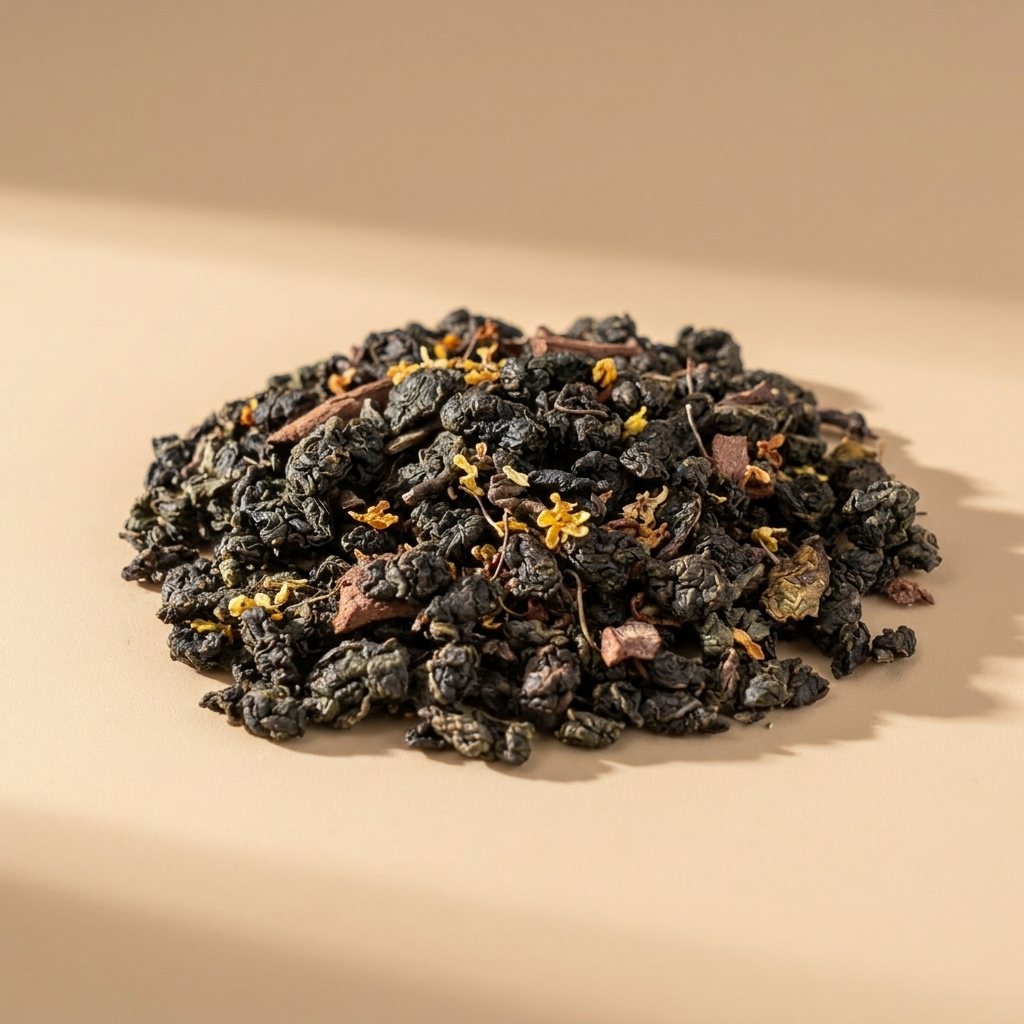
Look at the leaves next. Many people expect green tea to be bright green. That is a misconception for this specific product. Authentic, traditionally dry-scented lotus tea leaves are typically gray-black or dark olive. This color results from the long exposure to heat and anthers during the scenting process. If the leaves are a vibrant, uniform bright green, they are likely a fresh green tea base that has been sprayed with fragrance rather than layered with anthers.
The Brew and Taste Profile
Pour the leaves into a glass cup to observe the liquor. When brewed with water around 80°C, authentic tea should produce a pale golden liquid. It should be clear and light. A murky, dark brown brew suggests either over-extraction or the presence of tannins from a lower-grade base tea that cannot hold the delicate flavor profile.
The taste is the final judge. Authentic tea offers a gentle astringency on the front of the palate that quickly transitions into a sustained, cooling sweetness. It feels round and smooth. In contrast, counterfeit tea often tastes flat or may trigger a tingling sensation, a sign of chemical compounds interacting with your tongue. If the aftertaste is sharp or lingers in a harsh way, it is not natural.
The Spent Leaves Check
The most reliable test for home users is the spent leaves check. After 3-4 steepings, look at the wet leaves in the cup. In authentic tea, the lotus scent persists in the wet leaves. You can pick them up (with a tea strainer) and smell the lingering fragrance. In counterfeit tea, the synthetic fragrance disappears quickly because it is surface-level. The wet leaves will smell like damp, ordinary green tea with no floral trace. This simple step reveals the depth of the scenting process.
| Characteristic | Authentic Vietnamese Lotus Tea | Chemically Scented Tea |
|---|---|---|
| Dry Leaf Color | Gray-black or dark olive | Bright green or uniform color |
| Dry Leaf Scent | Gentle, subtle, airy | Aggressive, sharp, perfume-like |
| Liquor Color | Pale golden, clear | Murky brown, dark |
| Taste | Gentle astringency, cooling sweetness | Flat, tingling, or harsh |
| Spent Leaves (3-4 steepings) | Scent persists in wet leaves | Scent disappears quickly |
Frequently Asked Questions About Vietnamese Lotus Tea
Buying Authentic Tea Online
Can you buy authentic West Lake lotus tea online? Yes, but only from brands that provide full transparency on sourcing and production. This ensures you are buying directly from a producer, not just a reseller. When you choose to buy lotus tea online, verify that the seller discloses the base tea origin and the specific lotus source. A legitimate producer offers clear details on their direct farm sourcing practices, allowing you to trace the product back to its artisan roots.
Understanding the Terminology
What is the difference between ‘trà sen’ and ‘West Lake lotus tea’? ‘Trà sen’ is the general term for lotus-scented tea. ‘West Lake’ specifies the origin of the lotus, which is crucial for authenticity and quality. The preferred lotus variety for this region is sen Bách Diệp, a hundred-petaled lotus. Knowing this distinction helps you identify real lotus tea brands that prioritize the correct geographical and botanical ingredients.
Health Considerations
Is lotus tea good for health? Authentic lotus tea is a natural beverage, often categorized as an authentic herb tea. However, beware of synthetic additives in fakes. Always verify the source to avoid unapproved chemical compounds like benzyl acetate. These synthetic scents are not on Vietnam’s Ministry of Health list of approved food additives, making source verification a key step in ensuring safety.
Brewing Instructions
How long should you steep lotus tea? Use water around 80°C, not boiling, to preserve the delicate fragrance. You should not over-extract the leaves, which can lead to a bitter taste. If the tea is authentic, expect the scent to linger for several steepings. The aroma persists in spent leaves through three to four infusions, a reliable indicator of the traditional dry-scenting method used in production.
Choosing a Refined Vietnamese Gift with Confidence
Selecting a Vietnamese lotus tea gift requires balancing aesthetic appeal with verified authenticity. The verification framework is simple: check that the price respects the production floor, ensure packaging transparency regarding sourcing, and apply sensory tests to confirm the flavor profile. Buying authentic tea is more than a transaction; it supports a living craft tradition and helps preserve the economic foundation of Hanoi’s artisan families who maintain this delicate process.
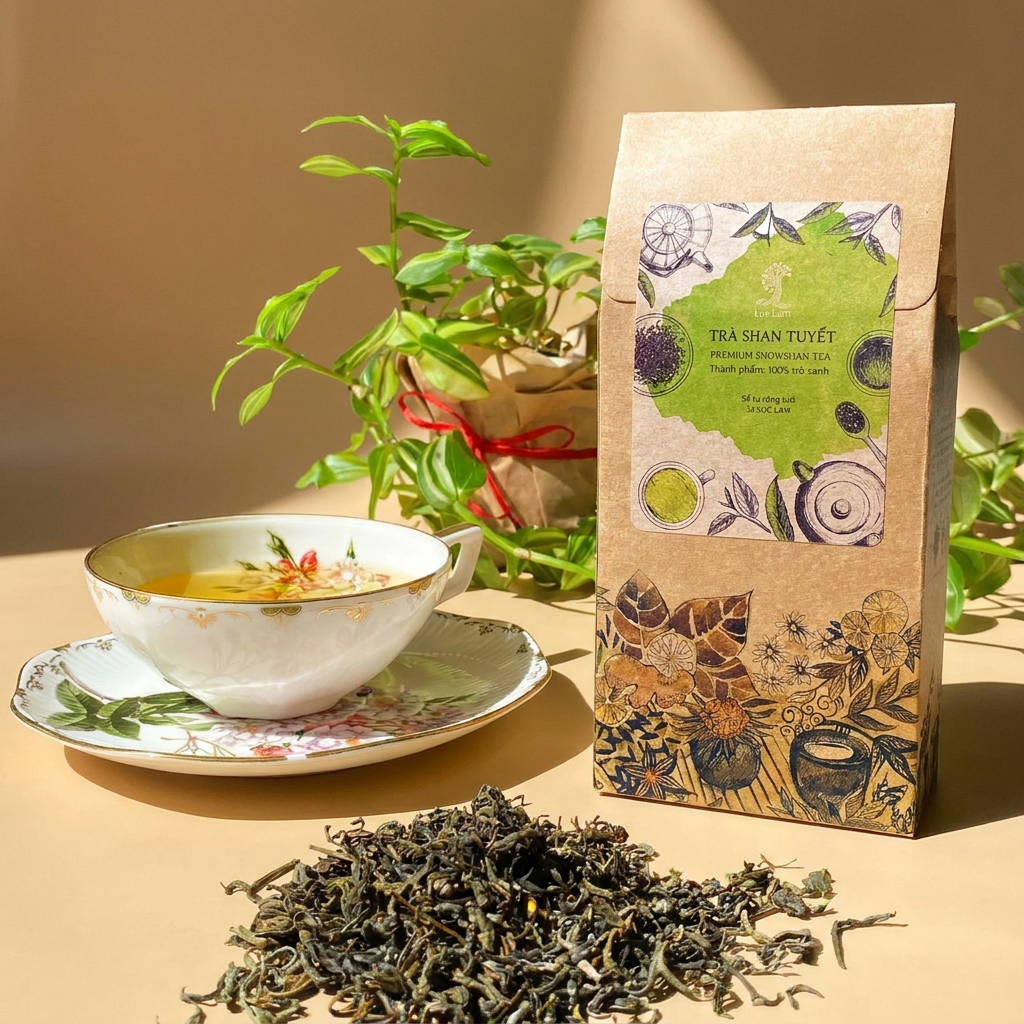
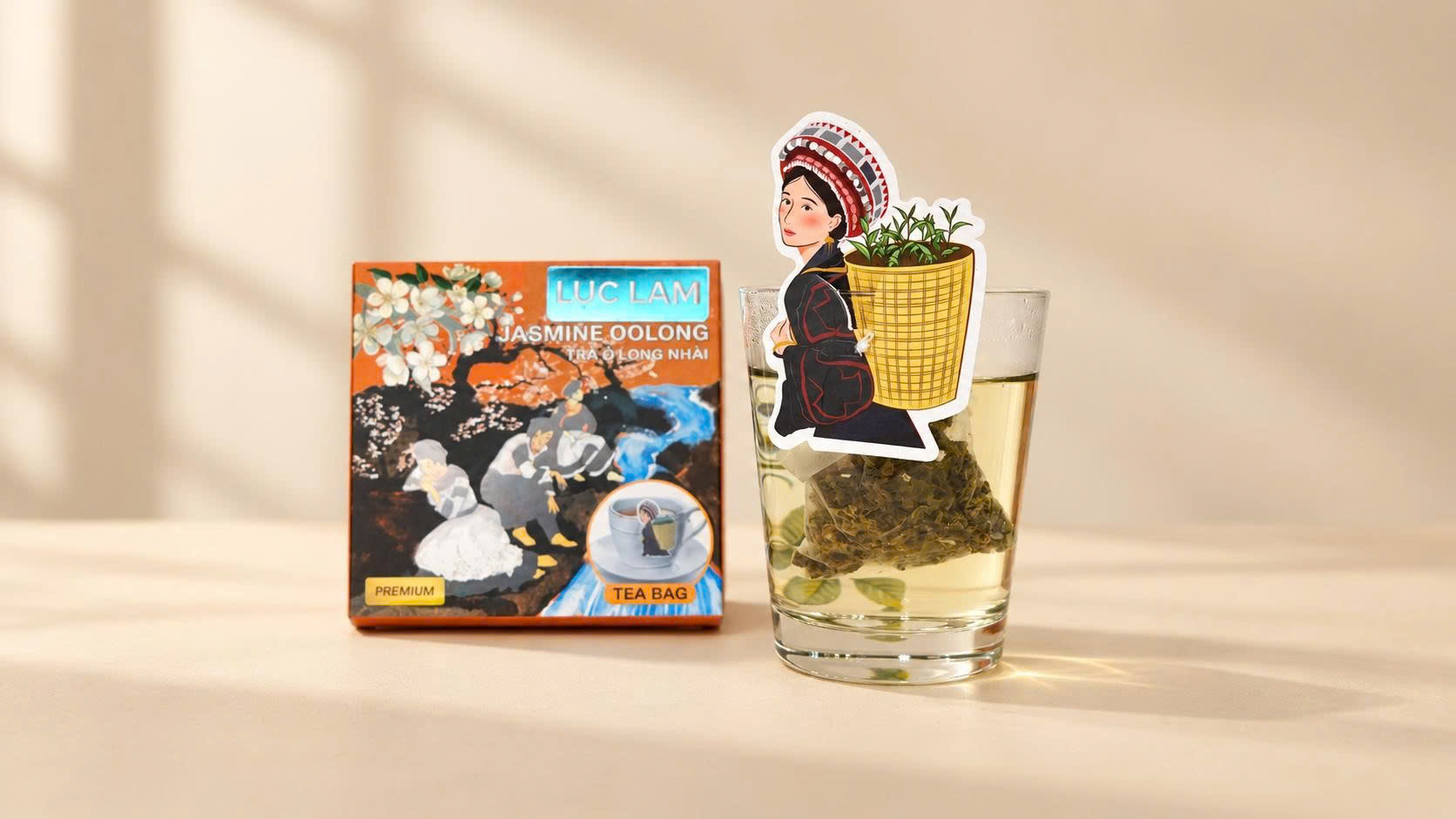
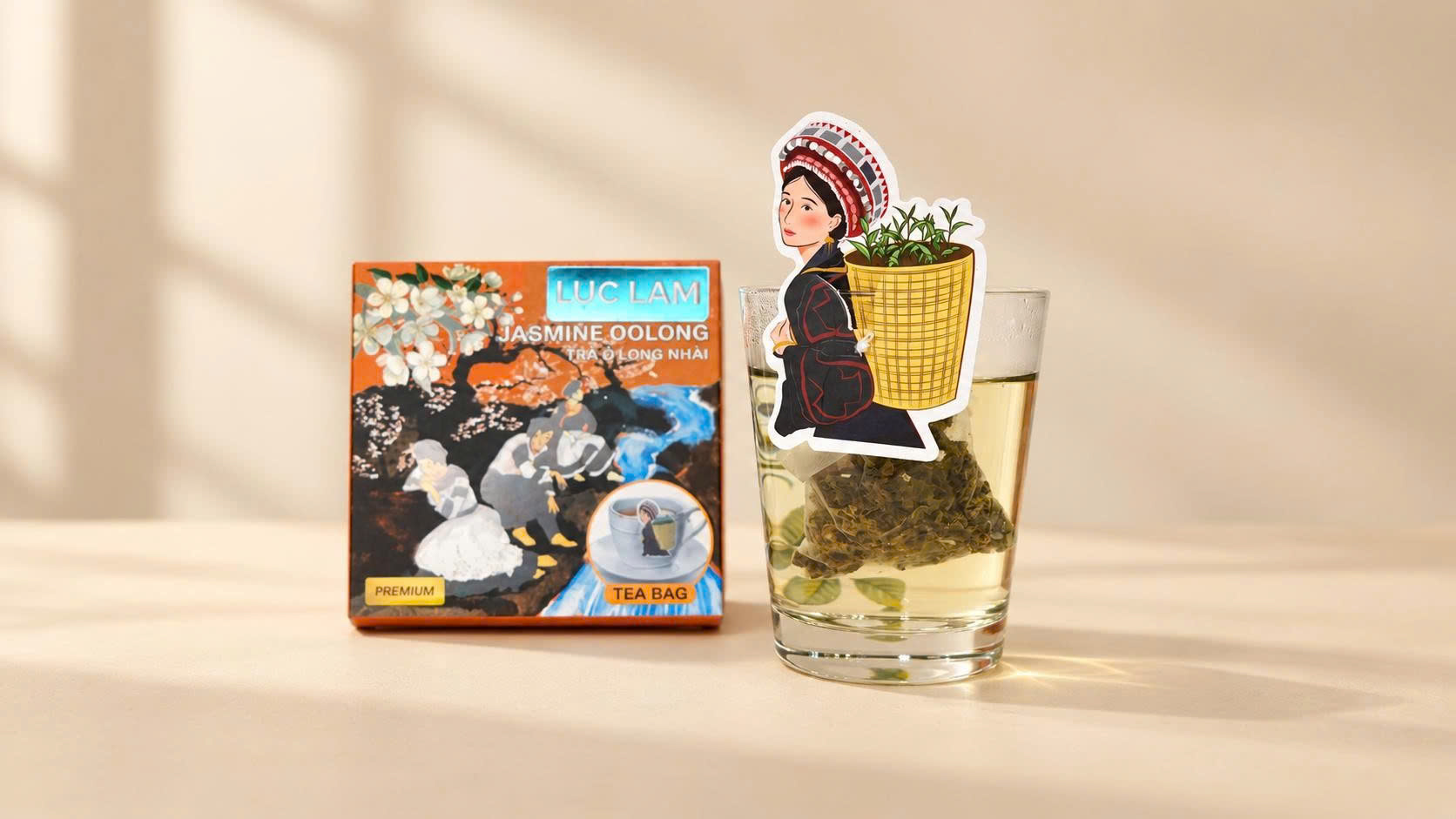
For travelers seeking a refined option, Lục Lam Gift curates a selection of Vietnamese gifts with careful attention to packaging. This approach makes it easy to choose suitable items for friends or business partners, removing the guesswork often associated with unverified sources.
The high price tag on authentic Vietnamese lotus tea is not a markup; it is the physical cost of time and labor. Every kilogram represents over a thousand blossoms, three weeks of careful drying and scenting, and the limited harvest capacity of a single region. When you pay for genuine tea, you are funding a living craft that cannot be replicated by shortcuts.
Treating a low price as a bargain is a trap. The margin for counterfeits is built on synthetic compounds and generic base teas, offering a fleeting flavor that fades with the first steep. A low-cost product often signals a lack of transparency in direct farm sourcing, leaving you to guess what you are drinking. The effort to verify the origin, production method, and sensory profile is the only way to ensure you are supporting artisan families rather than mass-market imitations.
The value of this tea lies in its authenticity and the story it carries from Hanoi’s West Lake. It is a refined tribute to the land, suitable for those who appreciate depth over volume. The cost reflects the reality that nature cannot be rushed.
If you are looking for a refined Vietnamese gift that brings the story of the land home with you, reach out to Lục Lam Gift to explore their curated selection of teas and gifts.