On This Page· 5
You suspect that the lotus tea in Hanoi’s souvenir shops is just expensive packaging. You are right to be skeptical. Price tags and pretty boxes do not verify authenticity. The only reliable proof lies in the production process.
Vietnamese lotus tea, known locally as trà sen, is defined not by rare ingredients, but by labor. A genuine producer must be able to explain the specific metrics of its creation. If a seller cannot tell you how many flowers are used, or how long the scenting process takes, they are likely a reseller rather than a source connected to the grower. Knowing the labor intensity behind the cup is the key to distinguishing a direct-from-farmer product from a generic import. This guide walks through the specific numbers that separate true craftsmanship from mass production.
The 1,000-Flower Standard: A Benchmark for Authenticity
When you hold a tin of Hanoi lotus tea, the price tag is rarely the most reliable indicator of quality. The true measure of authenticity lies in the labor hidden within the leaves. In the traditional production of Vietnamese lotus tea, a single kilogram of green tea is scented using between 1,000 and 1,200 fresh lotus blossoms. This specific ratio is the first number you should look for when evaluating a potential purchase.
The Two-Week Scenting Process
Creating authentic tea is not a single event but a multi-week ritual. The process involves placing green tea leaves between layers of open lotus flowers overnight to absorb the floral essence. This cycle is repeated for seven or more rounds over a period of two weeks. Each iteration deepens the aroma, transitioning the tea from a plain green base to a delicately scented beverage.
Why Specific Numbers Matter
If you are asking a seller about the origin of their product, a genuine direct-from-farmer brand will cite these figures confidently without hesitation. They know the number of flowers used because they manage the sourcing and scenting stages. In contrast, generic resellers often cannot explain the labor intensity of the production, as they simply purchase the final product from a supplier.
| Production Method | Flower Ratio (per kg) | Scenting Rounds | Timeframe |
|---|---|---|---|
| Traditional Blossom | 1,000–1,200 | 7+ | 2 weeks |
| Generic/Artificial | Low or None | Minimal | Days |
This high-labor process stands in sharp contrast to cheaper alternatives that rely on artificial flavoring or much lower flower ratios. A true producer treats the lotus flower as a primary ingredient, not a trace additive. Knowing this benchmark allows you to quickly distinguish between a tea that is genuinely crafted and one that is merely marketed as such.
Traditional Blossom vs. Modern Anther Methods
The distinction between the two main production methods is the first step in understanding why Hanoi lotus tea commands a premium price. The traditional approach, known as the blossom method, involves placing green tea leaves directly between whole, fresh lotus blossoms. This process relies on the full flower to transfer its complex aromatic compounds to the leaves over multiple nights. In contrast, the modern anther method uses only the lotus anthers, which are the pollen-bearing parts of the flower. By combining these anthers directly with the tea leaves, producers can achieve a lotus aroma with a fraction of the labor and time required by the blossom method.
The Labor Behind the Scent
While the anther method is more efficient, the traditional blossom method is widely associated with the highest quality and the most authentic profile of Vietnamese lotus tea. The difference lies in the depth of the scent and the subtle floral notes that only whole flowers can provide. This process is significantly more labor-intensive and slow, requiring careful handling of delicate petals and repeated rounds of scenting over a two-week period. For a traveler, this slow pace is a marker of a brand that actually manages or oversees the growing and scenting stages rather than simply sourcing pre-scented leaves from elsewhere. A direct-from-farmer approach typically implies hands-on management of this intricate process, ensuring the integrity of the final product.
Why the Method Matters to Buyers
Knowing the difference between these two methods is your most powerful verification tool. When shopping, always ask the seller which method was used. A reseller of generic tea is often unable to distinguish between the two, or they may attempt to pass off anther-scented tea as traditional blossom tea to justify a higher price. If a shop cannot explain the difference between using whole blossoms versus anthers, it is a strong indicator that they are not working with authentic tea brands that control their own supply chain. The traditional process is not just a production detail; it is evidence that the producer has the resources and expertise to manage the entire lifecycle of the tea, from the lotus field to the final cup. This transparency is what separates a genuine Hanoi lotus tea from a generic, mass-produced alternative.
Questions to Ask When Buying Lotus Tea in Hanoi
The quickest way to separate a direct-from-farmer producer from a generic reseller is to ask specific process-related questions. A store that handles high-volume tourist sales often lacks the detailed knowledge of the sourcing and scenting stages. By asking targeted questions, you force the staff to demonstrate their familiarity with the production of Hanoi lotus tea. Here is a practical checklist to use before making a purchase.
Identify the Geographic Origin
Ask the staff: “Where were the lotus flowers for this tea grown?” The answer you are looking for is West Lake (Hồ Tây). While lotus flowers bloom across Vietnam, West Lake is the specific geographic origin associated with the most famous source of these blossoms for tea. If the staff provides a vague answer like “from the countryside” or “from a farm in the north,” they may be sourcing from a third-party distributor rather than overseeing the cultivation themselves. Specificity regarding the location is a strong indicator of a transparent supply chain.
Verify the Scenting Process
The next question is: “How many rounds of scenting did this tea undergo?” A knowledgeable expert will confidently cite the traditional standard of seven or more rounds over a period of two weeks. This metric is the core of the authenticity check. It reflects the labor-intensive nature of the process, where green tea leaves are placed between blossoms overnight to absorb the aroma. If the staff hesitates, gives a number significantly lower than seven, or offers a technical explanation that sounds rehearsed, exercise caution. True experts in the field treat these metrics as foundational knowledge, not a difficult quiz to recall under pressure.
Watch for the “Reseller Red Flag”
The most telling sign of a reseller is a lack of process knowledge. If the seller cannot explain the difference between the blossom method and the anther method, or if they answer your process questions with a generic “it is very good” or “this is the traditional way” without citing specific details, they are likely selling a pre-packaged product. Authentic tea brands that manage the production chain can explain why the tea costs what it does—referencing the labor of using over 1,000 flowers per kilogram. Vague praise without technical detail is the clearest warning that you are not dealing with the source of the product.
Brewing and Sensory Checks for Authenticity
Once you have the bag in hand, the final verification happens in the cup. The physical characteristics of the dry leaves and the sensory experience of the brew are the most immediate ways to spot a fake before it reaches a family member’s table.
Visual Inspection of Dry Leaves
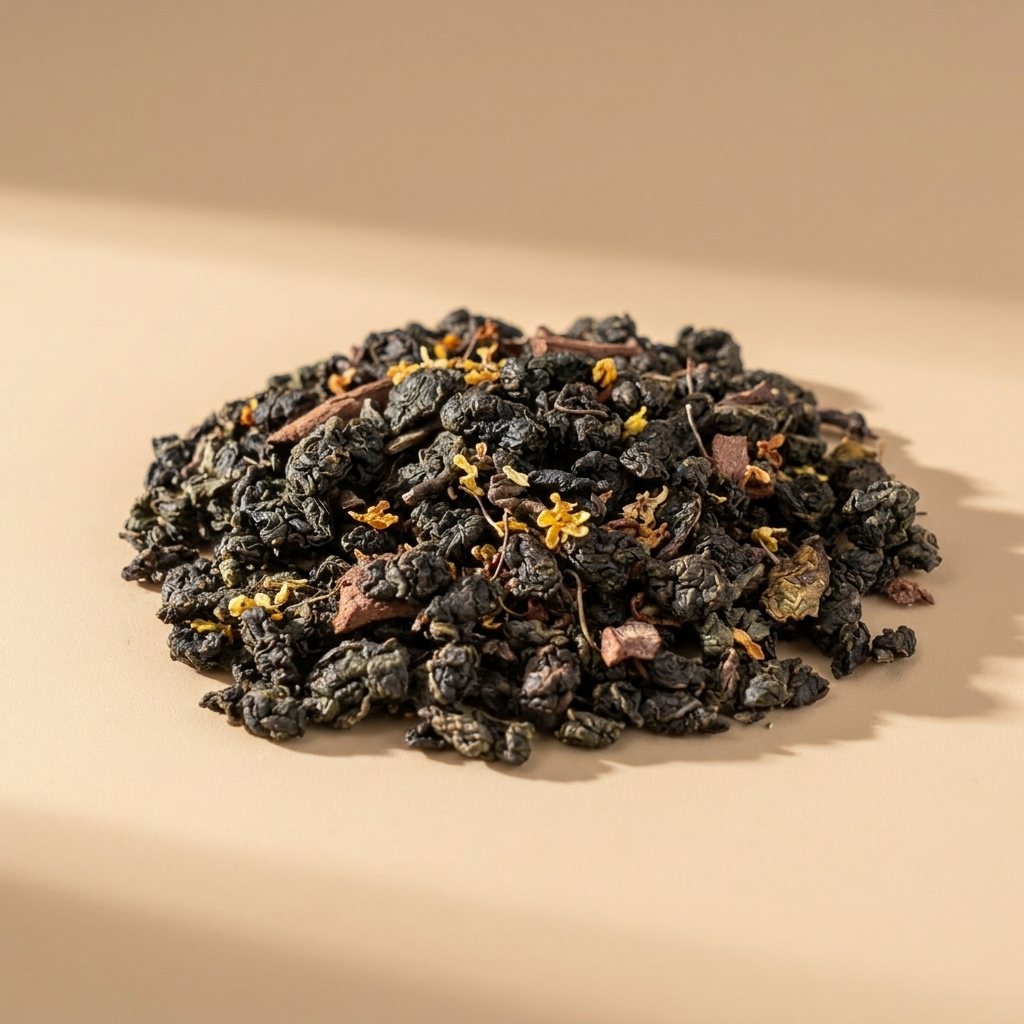
Open the package and examine the dry leaves. Authentic Vietnamese lotus tea is not uniform. You should see thin, yellow threads of lotus anthers interspersed throughout the green tea leaves. These small strands are the physical evidence of the traditional scenting process. If the leaves appear perfectly uniform in color or lack these distinct yellow accents, be skeptical. A genuine product from a direct-from-farmer source will show this natural variation, reflecting the actual presence of the flower components used during production.
The Olfactory Test
Before brewing, take a moment to smell the dry leaves. This is a quick but telling check. The aroma should be light, delicate, and distinctly green, with a subtle floral note. It should not be overwhelming. A strong, cloying sweetness or an intense artificial floral scent is a major red flag. These scents often indicate the use of chemical flavorings rather than the natural essence of the lotus blossom. A producer of authentic tea relies on the multi-week scenting process to impart a subtle, lingering fragrance, not a loud, one-note smell.
Ideal Brewing Parameters
Brewing the tea correctly is crucial for an accurate taste assessment. Follow these specific parameters to avoid a burnt or bitter result:
- Water Temperature: Use water at 175°F (80°C). Boiling water (212°F/100°C) will scorch the delicate leaves and release excessive tannins, resulting in a harsh, bitter brew that masks the lotus notes.
- Ratio: Use one teaspoon of tea leaves per 6-8 oz of water. This ensures the flavor is concentrated enough to be perceived without becoming overpowering.
- Steep Time: Let the tea steep for 3 to 5 minutes. Taste it after three minutes. If it is too weak, extend the time. If it is already balanced, serve it immediately to prevent over-extraction.
The Taste Profile
When you take the first sip, you are looking for a specific balance. The taste should be crisp and smooth, featuring a delicate sweetness from the lotus that complements the inherent, subtle bitterness of the green tea base. This interplay between floral sweetness and green earthiness is the signature of high-quality Hanoi lotus tea. If the taste is flat, overly sweet, or lacks that underlying green tea character, it is likely a lower-quality product or an imitation. This sensory check is the final step in confirming that your gift is truly the authentic, labor-intensive product you purchased.
Frequently Asked Questions About Vietnamese Lotus Tea
Why is the price so high?
The cost of Hanoi lotus tea reflects labor, not rarity. The traditional process demands up to 1,200 flowers per kilogram and several weeks of careful handling, which drives the price well above that of standard green teas.
How do I spot a fake?
Beware of any tea that smells overly sweet or cloying. Authentic Vietnamese lotus tea has a light, green, and subtly floral aroma. If the price is significantly lower than other authentic tea brands, the seller is likely using artificial flavoring rather than genuine blossoms.
Where is the best place to buy?
Skip the souvenir stalls in tourist-heavy districts. Instead, visit a specialty shop where the staff can explain the scenting process or identify the origin, such as direct-from-farmer sources near West Lake.
Does it contain caffeine?
Yes. Since the base is green tea, the caffeine content is similar to regular green tea. It is a gentle, refreshing choice that remains suitable for afternoon sipping without the heavy impact of black tea or coffee.
The 1,000-flower standard remains the clearest test for verifying the authenticity of your Vietnamese lotus tea. If a seller can cite the labor metrics and scenting rounds with confidence, they are likely a direct-from-farmer brand rather than a reseller. Ask about the process; it is the simplest way to distinguish genuine Hanoi lotus tea from generic imitations.
Once you have the right tea, take the time to enjoy the ritual. Heat the water to 175°F, watch the leaves unfurl, and let the delicate lotus aroma fill the room. This small act of brewing is a quiet connection to the craftsmanship behind your gift.