On This Page· 5
You budgeted for fifty gifts at $75 each, confident the math was solid. Then you swapped standard tins for premium leather portfolios and silver artefacts, and suddenly the invoice does not add up. This is a common trap in planning corporate tea gifts: treating the unit price as a fixed number when it is actually a variable driven by who receives the item.
For a luxury tier, the “average” price is a moving target. A 10–20% volume discount, typical for orders of 50+ units, rarely offsets the significant jump in material costs when moving from standard packaging to high-end keepsakes. The true tea gift set cost depends on your recipient list: a standard client set costs less than a CXO premium set. To build an accurate business gifting budget, you need to move away from flat per-person calculations and adopt a weighted average that reflects the different tiers within your fifty-unit order.
Anatomy of the Luxury Corporate Tea Set
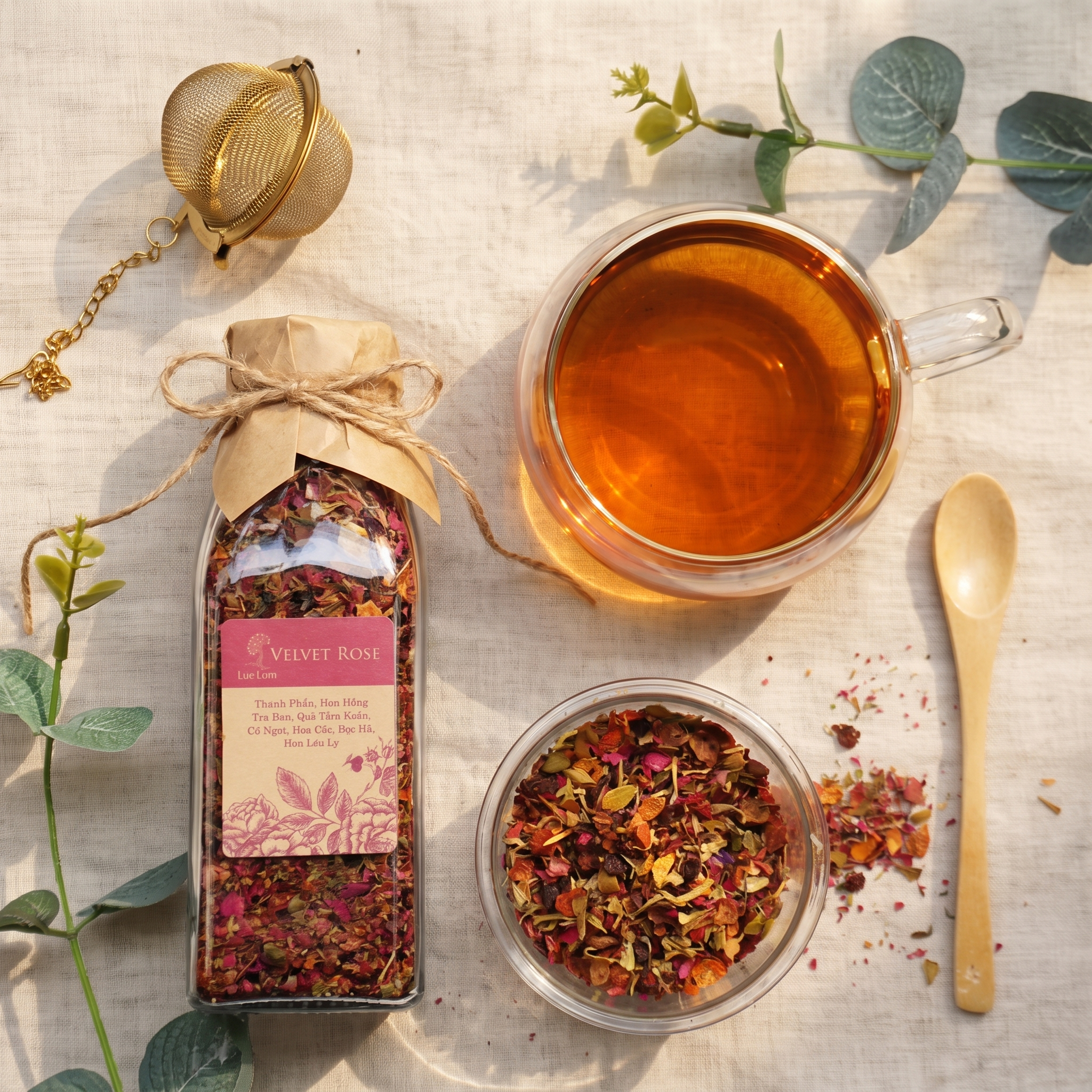
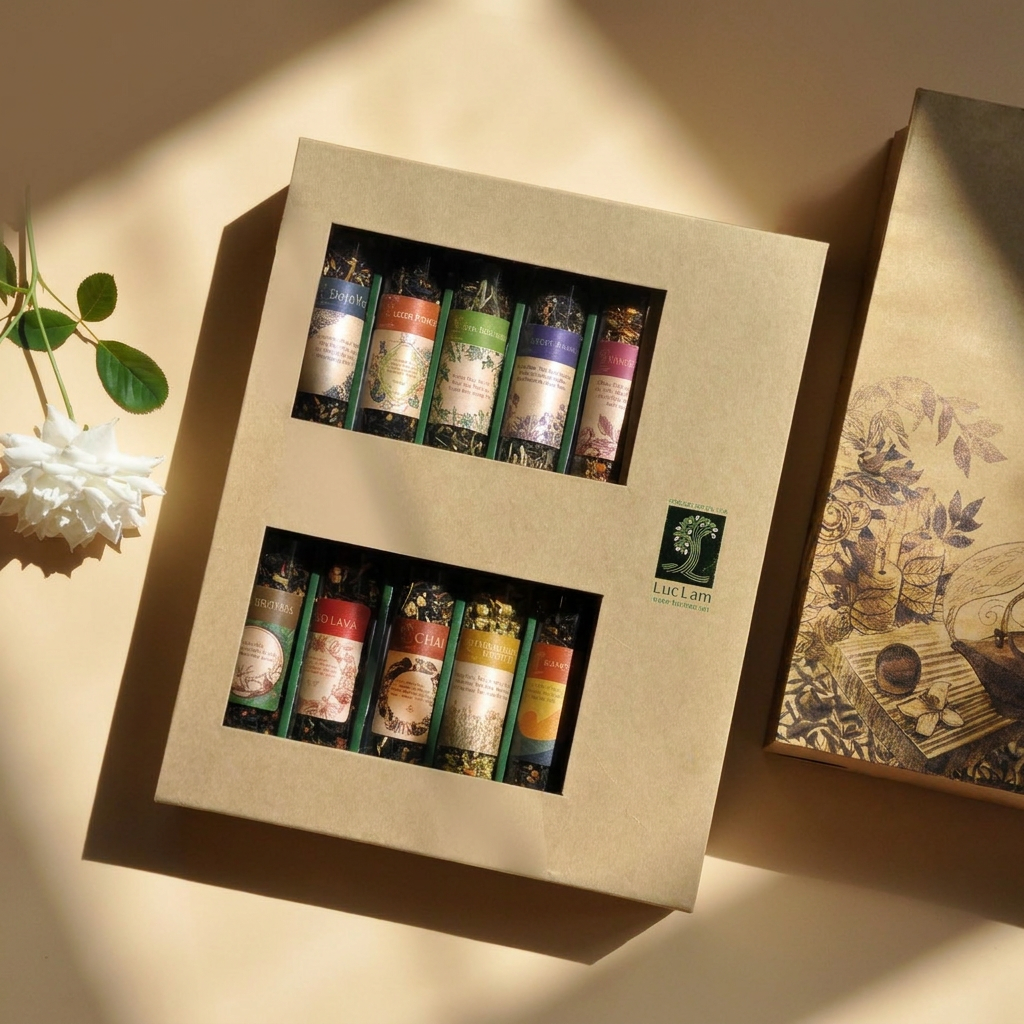
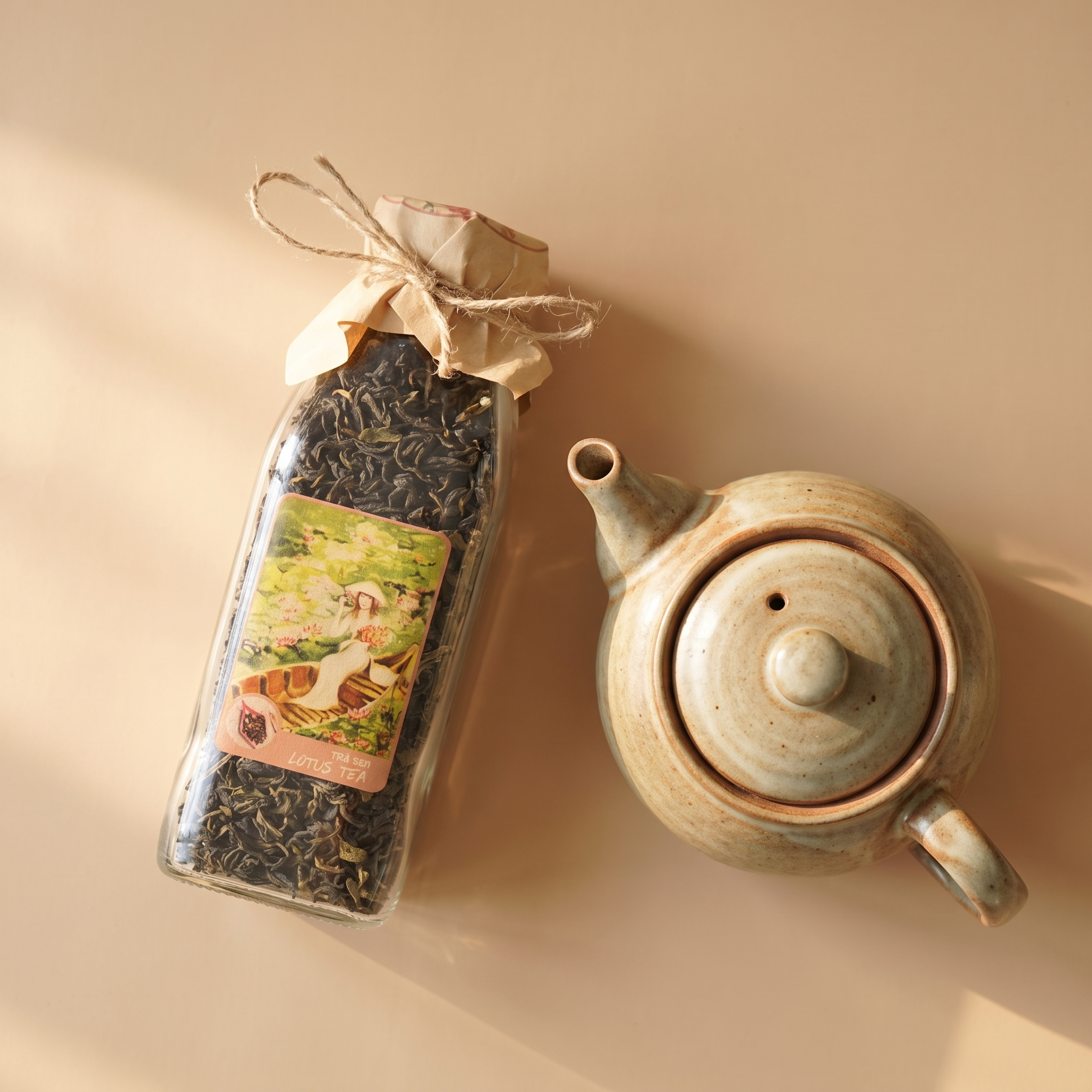
A standard corporate tea gift is defined by its consumables: loose-leaf tea, a glass or ceramic cup, and perhaps a small sweet. The cost here is driven by the leaf quality and the weight of the packaging. The luxury tier shifts the value proposition entirely. In this category, the tea becomes the centerpiece of a broader narrative of craftsmanship. Unlike a standard hamper, a luxury set often includes non-consumable items such as leather portfolios, premium fountain pens, or silver artefacts. These additions transform the gift from a treat to be enjoyed into a keepsake to be displayed.
This shift in components fundamentally alters how bulk gift pricing works. When you move from standard cardboard boxes to items involving full-grain leather or hand-finished silver, the per-unit cost jumps significantly. Material quality is no longer a minor variable; it is the primary driver of the tea gift set cost. A 10–20% volume discount on 50 units might save you a few dollars per item on a standard set, but that same discount is barely noticeable when the base unit price has tripled due to the inclusion of high-end materials. The economics of scale are less powerful against the raw cost of precious materials.
Standard vs. Luxury Components
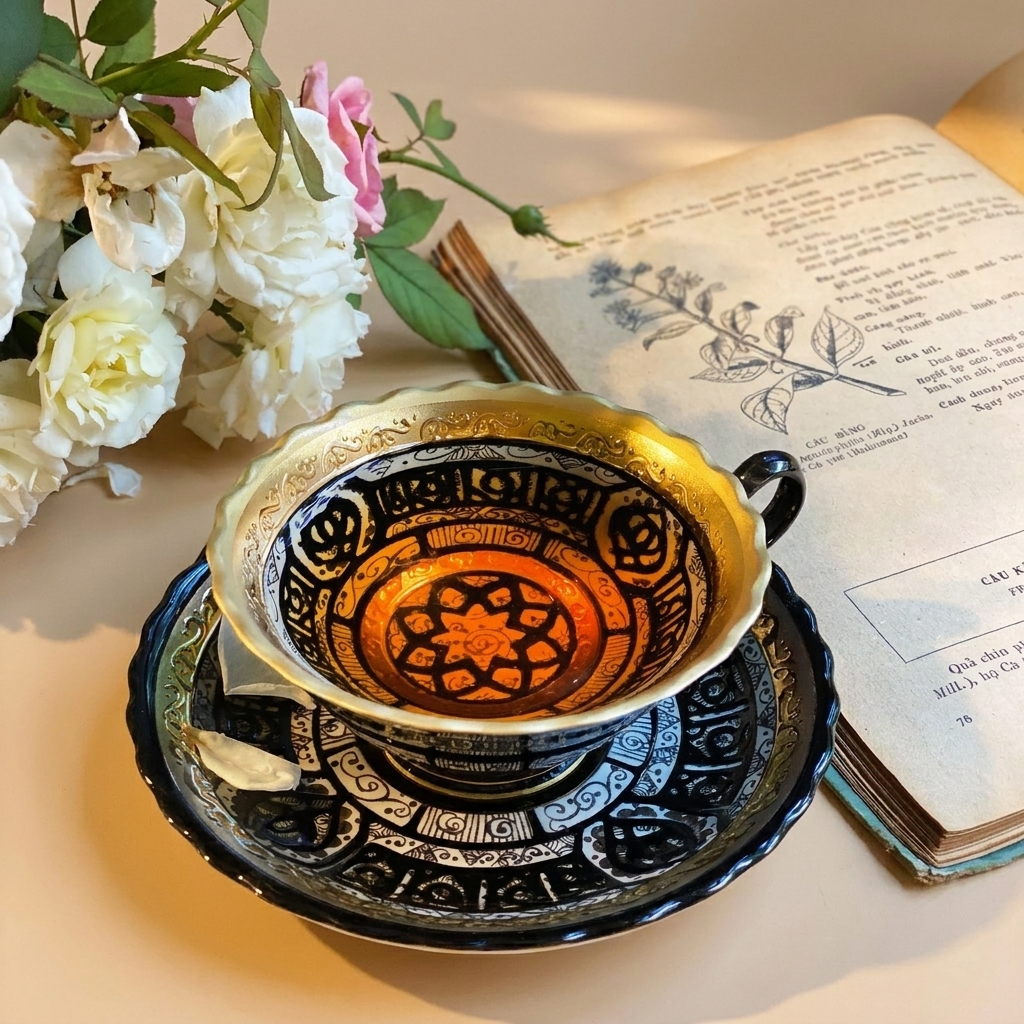
The distinction between a standard and a luxury set is not just about price, but about utility and longevity. A standard set focuses on the immediate experience of the product. A luxury executive set focuses on the symbolic weight of the relationship. The recipient is expected to use the leather goods daily, keeping the brand association present on their desk or in their bag for months, or even years, after the tea is finished.
| Component | Standard Tier Set | Luxury Executive Set |
|---|---|---|
| Primary Focus | Consumables (tea, snacks) | Keepsakes (leather, silver, premium pens) |
| Packaging | Cardboard box or simple wooden crate | Custom rigid box, velvet-lined or leather-wrapped |
| Non-Tea Items | Minimal or none (maybe a basic mug) | Leather portfolio, premium pen, silver infuser or art object |
| Typical Price Band | $50 – $80 per unit | $150+ per unit |
| Perceived Value Driver | Taste and freshness | Craftsmanship and exclusivity |
Understanding this anatomy is the first step in building a business gifting budget that respects both financial limits and the status of recipients. When the per-unit cost is anchored by tangible, high-quality materials, the decision of who receives the luxury tier becomes just as critical as the decision of how many units you order. The next step is determining how to allocate these two distinct tiers across your client and executive list.
Tiering Your Business Gifting Budget by Recipient
Treating all 50 recipients as equivalent is a common error in business gifting budget planning. The true tea gift set cost is not a single flat number; it shifts based on the recipient’s status and the relationship you are nurturing. A standard client set, which focuses on high-quality consumables, sits in a different price bracket than a premium CXO package featuring keepsake elements like leather portfolios or silver artefacts.
Calculating the Weighted Average
When you mix tiers, a simple average misleads you. Instead of multiplying the highest price by 50, you must apply a weighted average based on your specific recipient breakdown. This approach ensures your business gifting budget reflects reality rather than a hypothetical worst-case scenario.
Consider a typical 50-unit order split between two groups:
- 30 Units for Standard Clients: These recipients receive a refined set focusing on loose-leaf tea and basic accessories.
- 20 Units for Executives (CXO): These recipients receive a luxury tier set including premium artefacts and high-end packaging.
Because the executive set costs significantly more, the total spend will be higher than a flat calculation based on the client set would suggest. If a client set costs approximately $60 and a CXO set reaches $150, your total is not simply $3,000 or $7,500. It is a blended figure: $(30 \times 60) + (20 \times 150) = $5,700$. This brings the effective per-unit cost to $114.
Strategic Allocation of Units
How you allocate the 50 units determines the impact of your corporate tea gifts. The goal is to ensure key decision-makers receive the higher-tier items that signal respect and value. This is not just about status; it is about the weight of the relationship.
- Key Decision-Makers (20%): Assign the luxury tier to your top 10–15% of recipients. These are the individuals who influence major contracts or long-term partnerships. For them, the gift is a statement of commitment.
- Core Clients (80%): The remaining 80% receive the mid-range set. This keeps the experience high-quality and consistent without overspending on relationships that are already stable but less critical to immediate revenue growth.
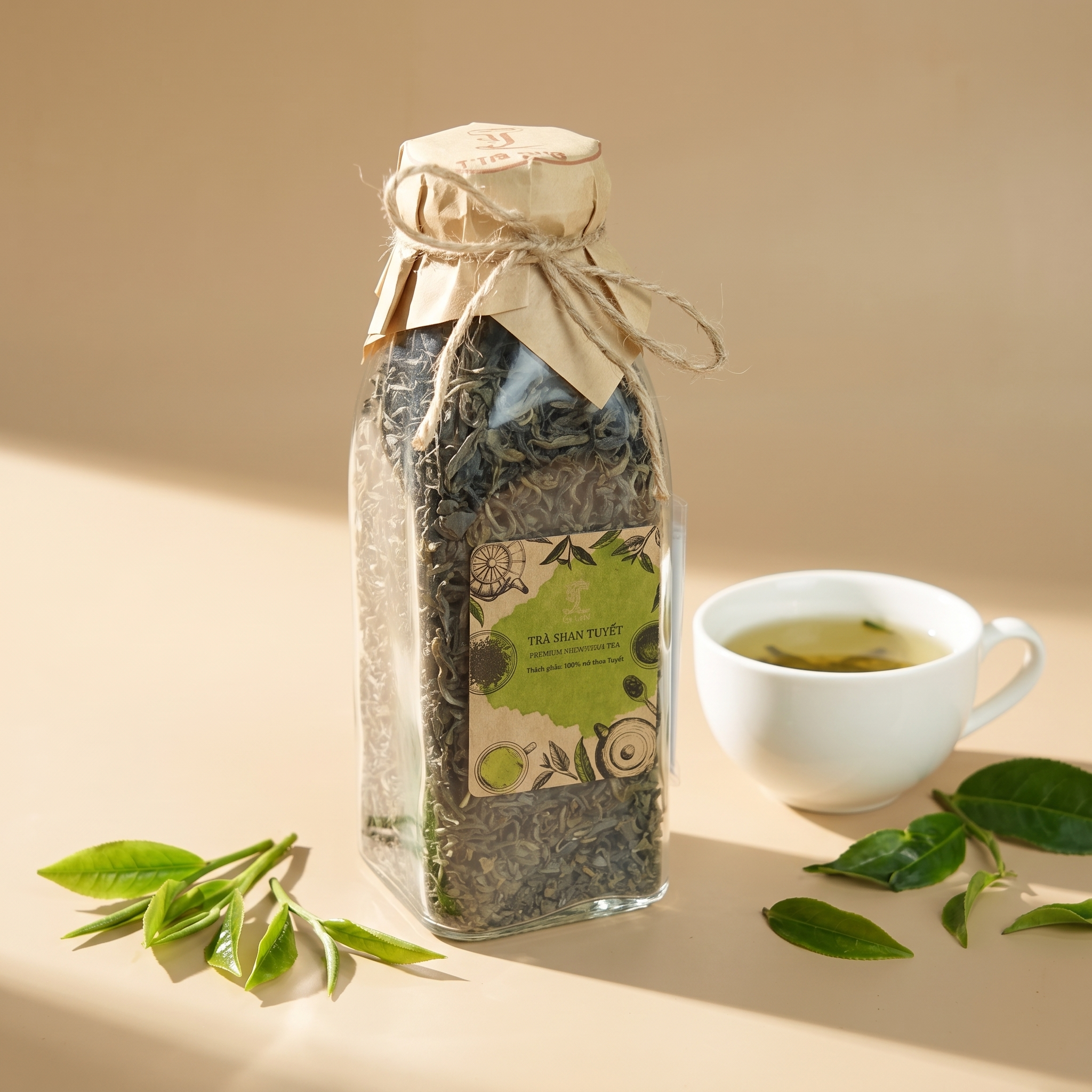
By structuring the bulk gift pricing this way, you avoid the mistake of undervaluing your top partners. The luxury tier acts as a differentiator, ensuring that the most important relationships are reinforced with the most sophisticated presentation. The mid-tier set maintains professionalism for the broader network, creating a balanced and strategic distribution of value across your entire client base.
How 50 Units Actually Costs: Volume Discounts vs. Upgrades
Ordering fifty corporate tea gifts triggers a discount tier, but the math is rarely what buyers expect. For orders of 50 or more units, most suppliers offer a volume discount of 10–20%. While this reduction lowers the per-unit price, it seldom offsets the significant jump in cost when moving from standard packaging to luxury materials like leather portfolios or silver artefacts. A 15% reduction on a high-end set leaves you paying a premium for materials that are not consumable, meaning the savings are real but modest compared to the initial price hike of the upgrade itself.
This creates a critical trade-off for your business gifting budget: do you allocate funds for more sets at a mid-tier level, or fewer sets at a luxury level? If you prioritize quantity, you might fit 60 mid-range hampers into the budget of 50 premium sets. However, if the goal is to impress key decision-makers, the lower quantity is often the strategic choice. At the 50-unit mark, the per-unit savings are not as aggressive as they are for 100+ unit orders, where discounts often deepen further. Consequently, the choice of recipient tier becomes more important than squeezing out every last percent of the discount.

When calculating the true tea gift set cost, look beyond the sticker price of the tea and accessories. Several hidden costs can erode your margin and should be included in your final forecast:
- Custom Packaging: Branded rigid boxes or premium sleeves often carry a per-unit surcharge that does not scale down with volume discounts.
- Personalized Notes: Handwritten cards or laser-engraved messages add labor and material costs that are usually priced separately from the base product.
- Delivery Logistics: For 50 units, you may still pay premium freight rates if you require white-glove delivery or split shipments across multiple cities, which can negate the bulk savings on the items themselves.
By auditing these line items against your business gifting budget, you can determine whether the luxury upgrade is justified by the strategic value of the recipient or if a refined mid-tier option delivers better return on investment.
The Tax Ceiling: A Practical Budget Sanity-Check
When planning a business gifting budget, the most critical constraint is often not the retail price tag but the tax law. For many organizations, the tax-deduction ceiling acts as a hard stop for per-person spending. While regulations vary by country, a common benchmark seen in global compliance practices is a limit of ₹5,000 per person per year for deductible business gifts. Even if your local jurisdiction uses a different currency or threshold, the principle remains identical: there is a financial line above which the tax advantage disappears.
Understanding where this line sits is essential for structuring your 50-unit order. If a single high-value item, such as a silver artefact or a premium leather portfolio, pushes the total tea gift set cost over the deductible threshold, the entire benefit for that recipient may be lost. In jurisdictions following strict rules, if the gift value exceeds the limit, the excess is often treated as a non-deductible expense. This means that adding one expensive component to an otherwise compliant set can create a financial loss that outweighs the perceived prestige of the upgrade. The goal is to maximize the deductible portion of your spend rather than maximizing the unit price.
Structuring the 50-Unit Order for Compliance
To navigate this, you should split your 50 units into two distinct tiers based on the recipient’s status and the tax implications. For the majority of your clients and partners, aim to keep the total value of the corporate tea gifts strictly under the local deductible limit. This ensures that every rupee, dollar, or euro spent on this group provides a double return: the value of the gift to the recipient and the tax saving for your company.
For the small number of high-tier executives or key decision-makers where a higher-value gift is strategically necessary, acknowledge that this portion will likely fall outside the deductible range. Justify this expense as a non-deductible relationship investment. In many accounting frameworks, these are still valid business expenses, even if they do not reduce your taxable income. By clearly separating the two groups in your records, you ensure that your bulk gift pricing strategy remains auditable and transparent.
Auditing Pricing Against Local Rules
Before finalizing your order, perform a simple audit. Take your proposed unit price and check it against your local tax rules for business gifts. If your average bulk gift pricing for the 50 sets is slightly above the ceiling, consider swapping a high-cost component for a different item of equal aesthetic value but lower cost. For instance, replacing a silver item with a high-quality ceramic set might keep you under the line without sacrificing the refined presentation. Always verify that your total allocation aligns with the legal limits to avoid over-spending on items that yield no tax benefit.
FAQs on Corporate Tea Gift Pricing
What is the typical tea gift set cost for a luxury corporate tier?
The price varies significantly based on the recipient. Standard client sets generally range from $50 to $80. However, CXO-level sets featuring premium artifacts, such as leather or silver items, often exceed $150 per unit. A flat average price rarely applies here; the cost is directly tied to the tier of craftsmanship and materials included in the hamper.
Do I receive a discount for ordering 50 units?
Yes, volume discounts for bulk gift pricing of 50 units typically fall between 10% and 20%. While this reduction helps lower the per-unit cost, it usually does not bridge the gap between a luxury set and a standard one. A discounted luxury set remains significantly more expensive than a full-price standard hamper. The discount helps with total budgeting but does not alter the fundamental value of the materials used.
How should I budget for 50 different clients and partners?
Avoid using a single flat price for all 50 units. Instead, calculate a weighted average based on your recipient tiers. If you have 30 clients and 20 executives, assign a mid-range budget to the former and a premium budget to the latter. This approach ensures your business gifting budget reflects the actual mix of recipients. It prevents over-spending on lower-tier gifts or under-spending on key decision-makers who expect a higher level of attention.
Are corporate tea gifts tax-deductible?
In many jurisdictions, business gifts are deductible up to a specific per-person limit. For example, in some regions, gifts under $50–$75 (or local equivalents) are fully deductible. If a single gift exceeds this threshold, the portion above the limit may not be tax-deductible. Always verify your local tax laws before finalizing your order. Structuring your budget to keep most gifts under the ceiling can optimize your financial return, while higher-value gifts to key partners may be treated as a strategic relationship investment.
The final price for a batch of 50 corporate tea gifts is determined by the specific mix of recipients rather than a single flat rate. When you move from standard consumables to premium components like leather portfolios or silver artefacts, the tea gift set cost shifts significantly. A simple 10-20% discount on bulk gift pricing rarely offsets the jump in material quality. Instead, your business gifting budget must reflect the value you assign to each relationship, ensuring that a CXO receives a curated executive set while a standard client receives a high-quality yet more accessible package.
To refine your next order, take a look at your current list of 50 contacts. Check if the allocation per person matches the actual luxury items included in their box. If a key partner is receiving a basic tin while a senior executive gets a full hamper with keepsakes, that balance is intentional and appropriate. By auditing this tiering, you ensure that every gift feels personal and commensurate with the status of the recipient, turning a simple transaction into a meaningful gesture of respect.