On This Page· 6
Multiply your favorite tea’s price by 50, and you have a number. That number, however, is rarely your real budget.
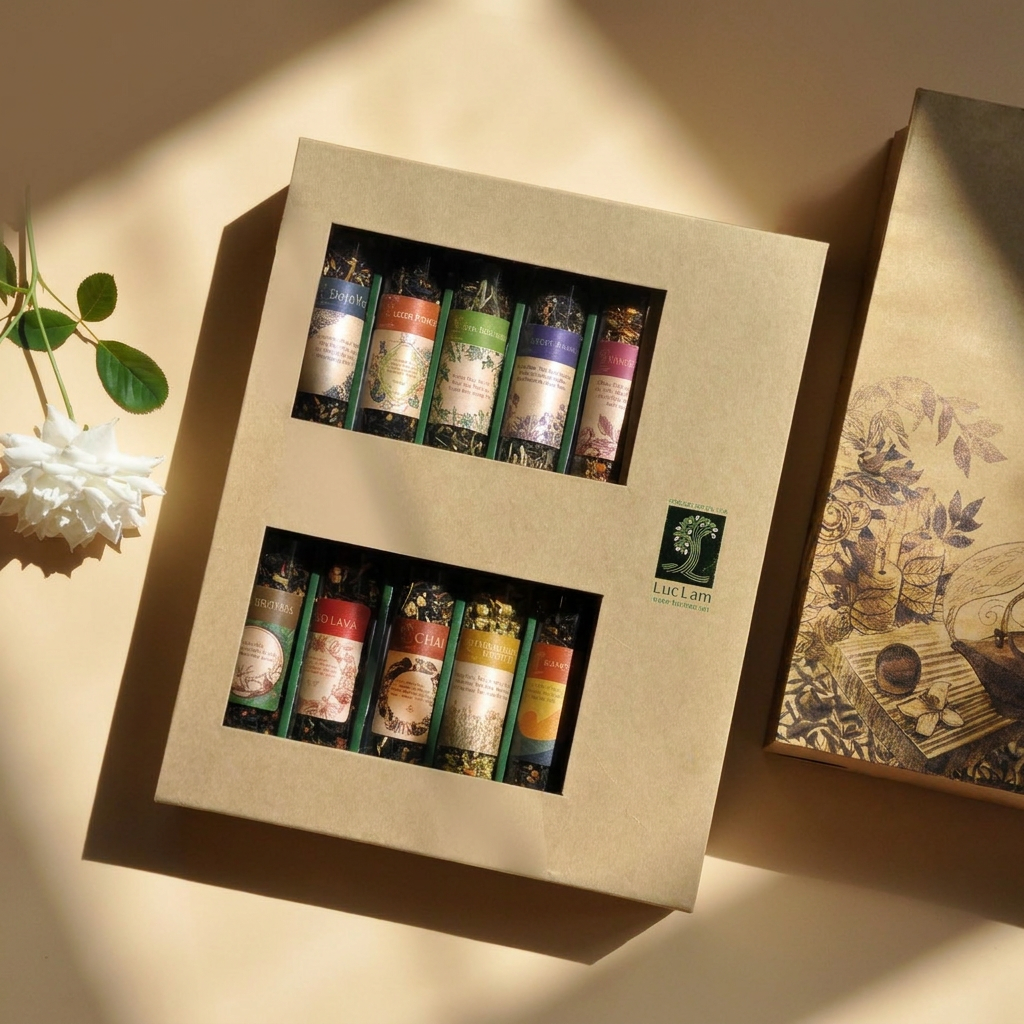
When planning tea gift hampers, the sticker price on the tin covers only the contents. The moment you add a branded box, a handwritten card, individual wrapping, and city-by-city delivery, the per-unit cost climbs significantly. For many brands, packaging and presentation account for a meaningful share of the final invoice, sometimes rivaling the tea itself.
This gap between product cost and total experience cost is where most corporate gifting costs get miscalculated. Treating 50 units like 50 individual purchases ignores the cumulative weight of logistics and customization. Instead, build your budget from the back end: define the total experience you want to deliver, then work backward to allocate funds for the tea, the packaging, the branding, and the delivery. This approach ensures every dollar serves the recipient’s perception, not just the inventory ledger.
The Core Formula: Recipients × Average Gift Value
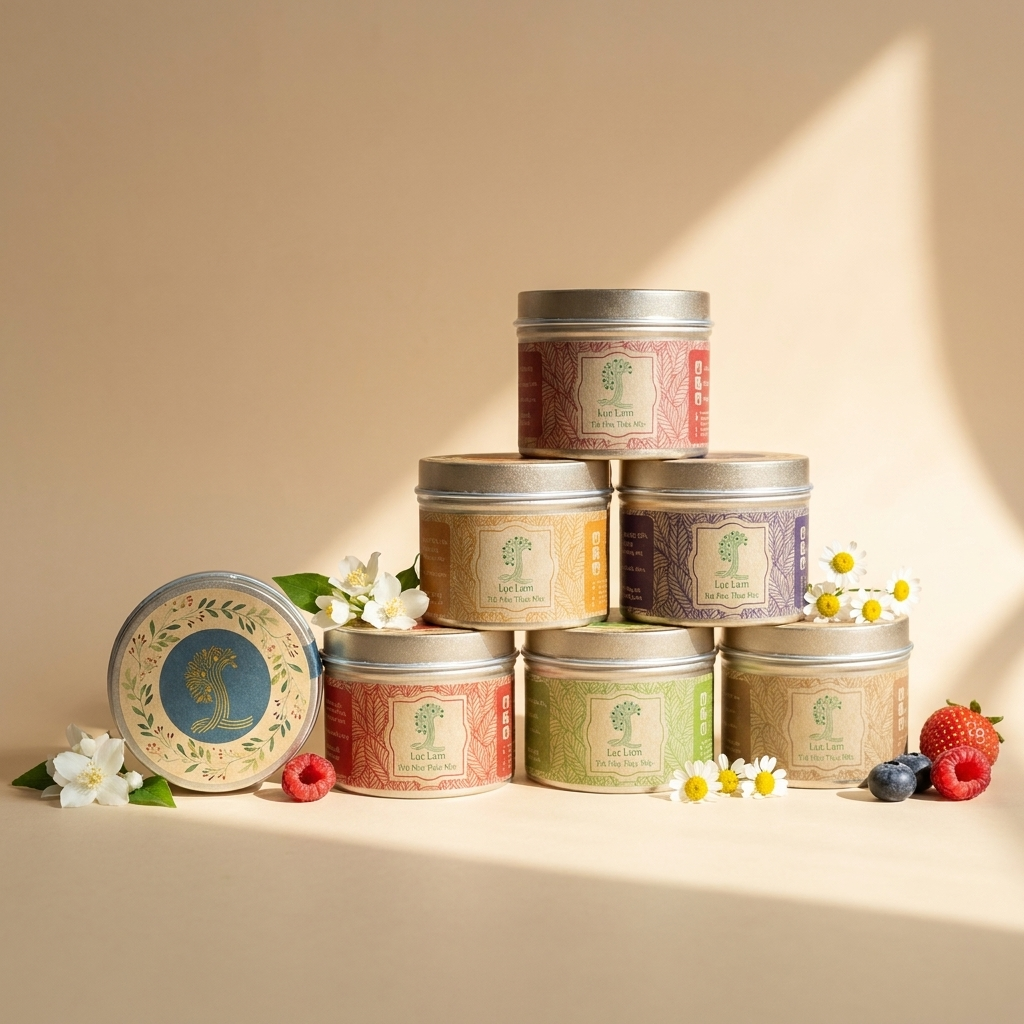
The simplest way to start budgeting for 50 tea gift hampers is to multiply the number of recipients by the average cost per gift. While this looks straightforward, applying this formula to luxury gifting often leads to significant underestimations. The danger lies in treating the “average cost” as just the price of the tea inside. In reality, this figure must represent the total experience, including refined packaging, custom branding, and delivery.
When you look at a single luxury tea gift hamper, the sticker price might seem manageable. However, when scaling to 50 units, the cumulative impact of these non-product costs becomes a major part of corporate gifting costs. If you base your budget solely on the retail price of the tea, you are ignoring the “presentation premium” that makes a gift feel professional rather than generic.
The True Meaning of Average Gift Value
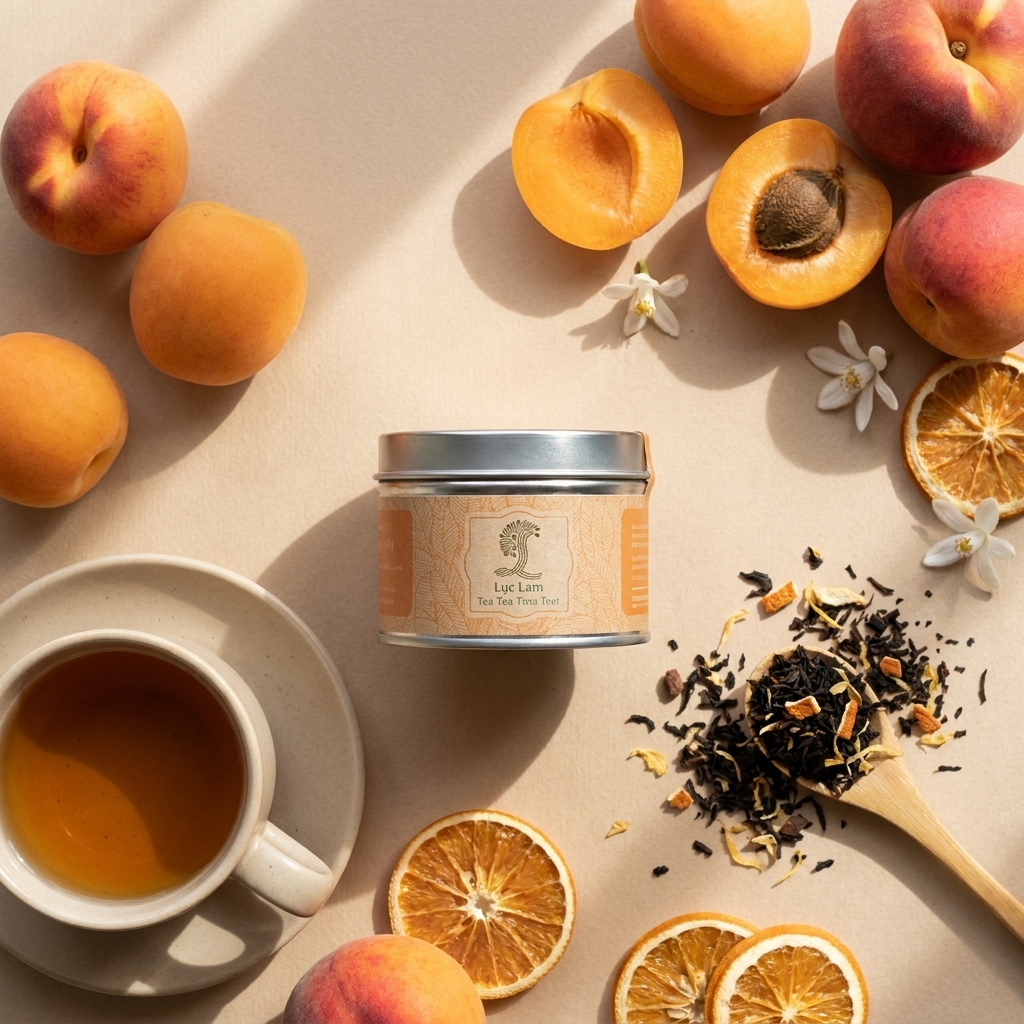
To build a realistic budget, you must redefine what “Average Gift Value” actually means. It is not the sum of the ingredients. Instead, it is the total investment per recipient, covering every touchpoint they experience. This includes:
- Product Quality: The specific tea varieties and their origin.
- Presentation: Custom boxes, baskets, or eco-friendly packaging.
- Branding: Your logo on the box or a branded insert card.
- Personalization: A handwritten-style note or a dedicated message.
Ignoring these elements means your 50-unit order will arrive looking like a bulk commodity, which is rarely the goal for high-stakes business relationships.
Why a Strategic Baseline Matters
Consider the difference between buying one hamper and ordering fifty. For a single item, you might not notice the extra cost of a premium box. But for a 50-unit bulk order, these small per-unit additions compound rapidly. For example, adding a custom ribbon and a high-quality note card might only cost a few dollars per unit, but it can add several hundred dollars to your total budget.
Before you begin sourcing specific products, establish this strategic baseline. Decide first how much you are willing to invest in the experience of the gift, not just the tea. By starting with the total budget and working backward to define the per-unit cost for each component, you ensure that your 50 tea gift hampers feel as premium as they cost. This approach prevents the common mistake of discovering that your favorite packaging options are unaffordable once you account for the full volume.
Anatomy of a Hamper: Cost Layers Beyond the Tea
When budgeting for bulk orders, the sticker price of the tea is rarely the final number. A luxury hamper is a layered product, and understanding these layers is the first step to accurate corporate gifting costs. The total value breaks down into four distinct components: the product, the packaging, the branding, and the personalization.
The Product vs. The Presentation
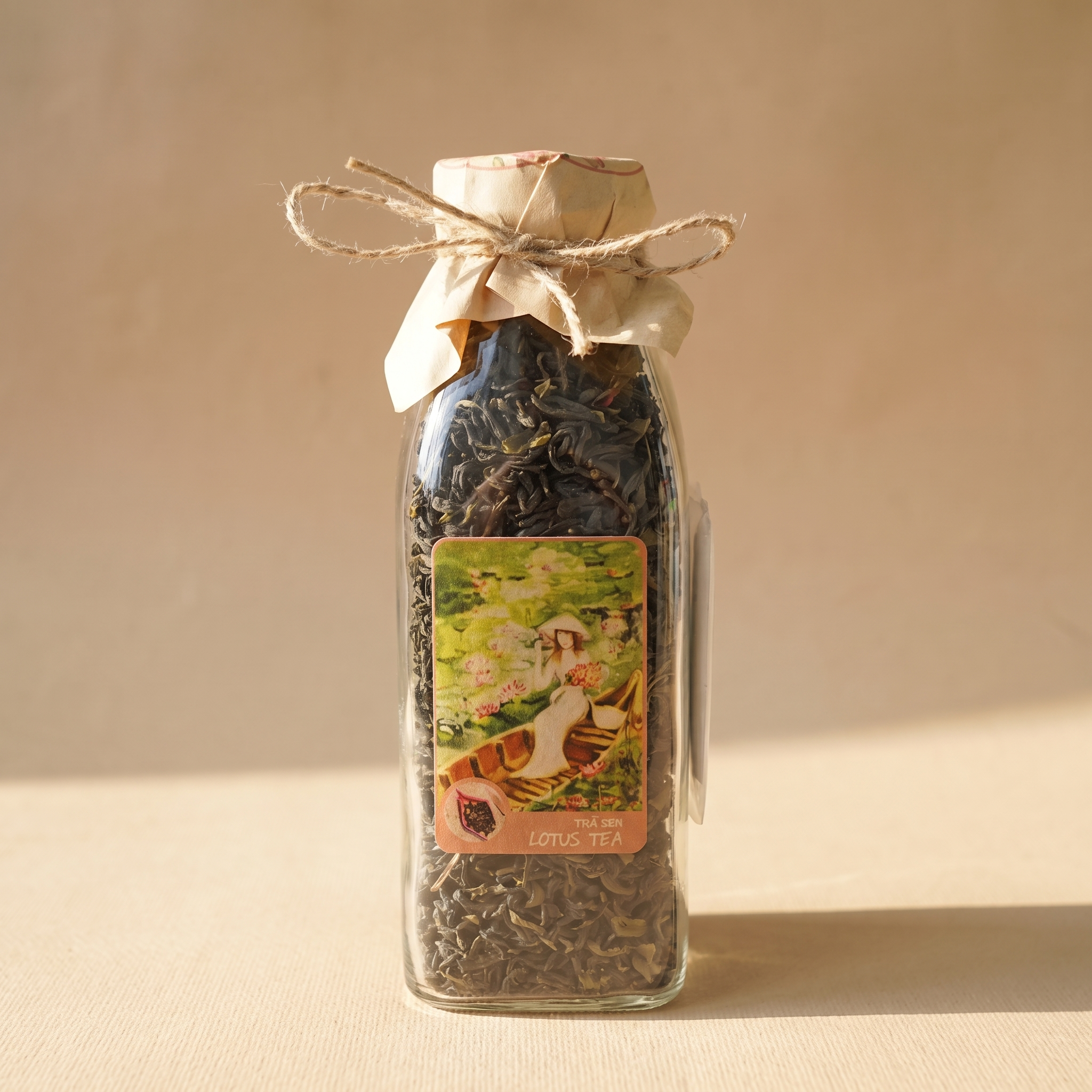
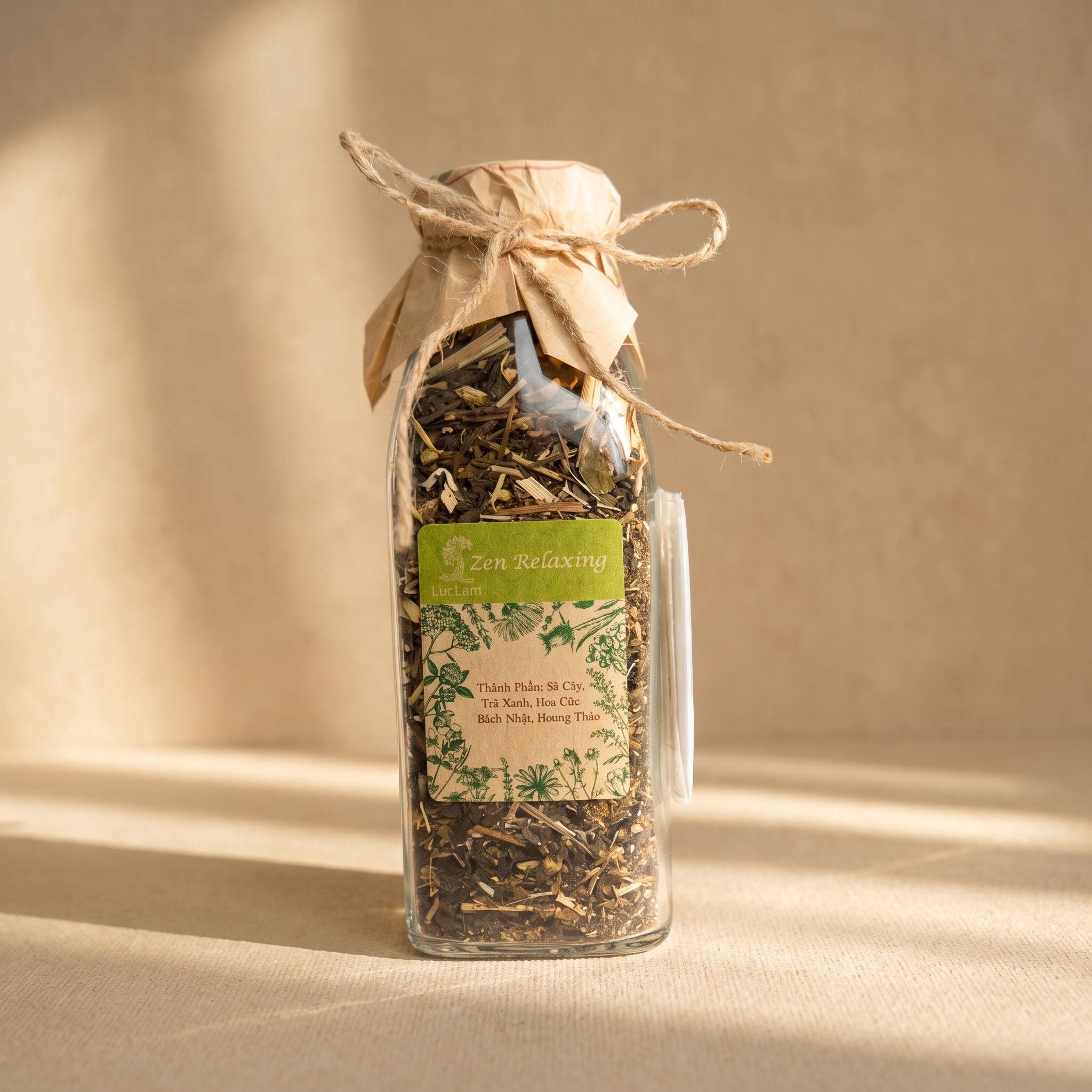
The tea itself is the star, but the packaging often defines how the recipient perceives value. A clear glass bottle or a well-constructed tin signals quality before the box is even opened. In corporate contexts, the presentation is just as important as the taste, as it reflects the care your organization put into the selection. If the outer box feels flimsy or the items are not individually packed, the premium nature of the tea is often overlooked.
Branding and Personalization
This layer includes logo inserts, custom packaging details, and personalized notes. While a simple logo on a box might seem negligible, custom branding requires production time and specific design assets. Personalization adds a human touch that turns a standard item into a meaningful gesture. For a group of 50 recipients, these small details accumulate, influencing the final bulk gift pricing.
Managing the Non-Product Allocation
To avoid budget overruns, do not treat packaging and branding as afterthoughts. A hamper that looks generic before the tea is tasted will likely feel like a standard promotional item rather than a premium gift. When planning your 50 units, it is wise to allocate a specific portion of your budget to these non-product layers. This ensures that the final experience feels cohesive and high-end, justifying the total investment without any last-minute surprises.
| Cost Layer | Key Components | Impact on Value |
|---|---|---|
| Product | Tea or beverage items | Core utility and taste |
| Packaging | Boxes, tins, individual packaging | Visual appeal and perceived quality |
| Branding | Logo, custom inserts | Corporate identity and professionalism |
| Personalization | Cards, handwritten notes | Emotional connection and exclusivity |
Tiered Gifting: Adjusting for Recipient Importance
Treating all 50 recipients identically is a common budgeting trap that often results in under-spending on critical relationships. When you assign the same value to a casual acquaintance and a key executive, you dilute the impact of the gift and miss the opportunity to reinforce specific business bonds. A tiered approach allows you to allocate resources where they matter most, ensuring that your corporate gifting costs reflect the actual value of each relationship rather than a flat, undifferentiated average.
Strategic Distribution Framework
Instead of dividing your total budget by 50, segment your recipient list first. This process of budgeting 50 units should be based on strategic importance rather than headcount. A practical model for a 50-unit order might look like this:
- Elevated Tier (10 units): Key business partners, C-suite executives, and long-standing major clients. These gifts require the highest level of attention and premium components.
- Standard Tier (40 units): Internal leadership, regular clients, and broader employee groups. These gifts maintain high quality but follow a more consistent, efficient template.
Adjusting the Per-Unit Cost
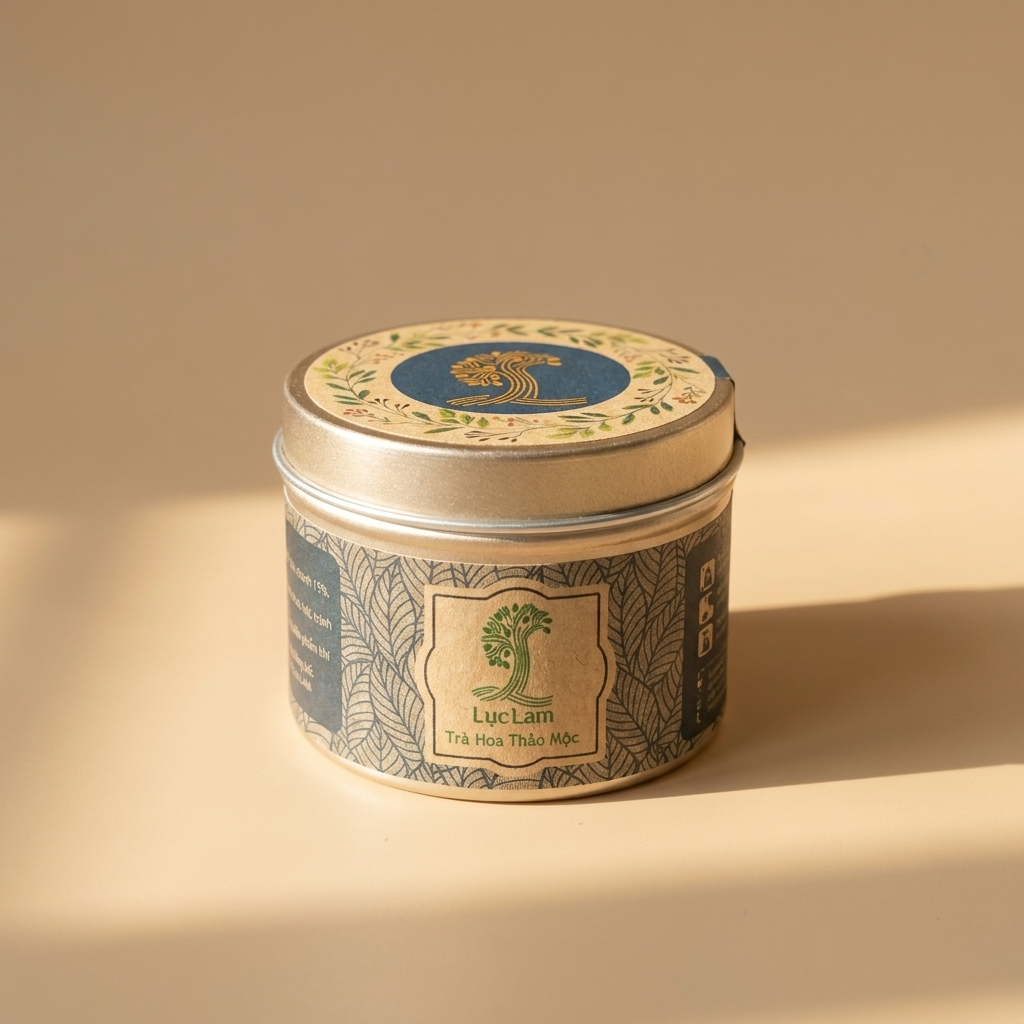
The difference between tiers is not just about adding more items; it is about refining the quality of each layer. For the Elevated tier, you should anticipate higher per-unit costs for several reasons:
- Premium Product Varieties: The tea selection in these hampers might include rarer or more expensive varieties, such as single-origin loose-leaf or limited-edition blends, which command a higher price point than the standard selections used in the broader group.
- Enhanced Personalization: While the Standard tier might feature a high-quality common message or a simple name insert, the Elevated tier often requires hand-written notes, detailed personal correspondence, or more intricate custom branding that increases production time and material costs.
- Refined Packaging: The presentation may involve more complex structures or higher-grade materials, such as rigid boxes with premium finishes, to match the status of the recipient.
By distributing the budget strategically—allocating a larger share to the 10 Elevated units and a smaller, efficient share to the 40 Standard units—you ensure that your most important relationships receive the most consideration. This method prevents the “average” from masking the true value of your top-tier connections, allowing the gift to serve as a genuine token of appreciation rather than a uniform obligation.
Bulk Ordering Dynamics: Scale, Contingency & Fulfillment
When you shift from individual purchases to a 50-unit order, the economics of bulk gift pricing change significantly. While 50 units is a moderate volume, it often crosses the threshold for better per-unit rates on packaging components and shipping. This scale advantage can lower your total cost, but only if you structure the order correctly from the start. Ignoring these bulk-order dynamics often leads to hidden costs that erode the savings you expect from ordering in quantity.
The Value of Volume
Placing a single order for all 50 hampers usually secures a lower per-unit price for packaging materials like boxes, ribbons, and inserts. Suppliers often view a 50-unit request as a small corporate batch, allowing for negotiation on production costs. To maximize this, ensure your supplier understands the full scope of the project upfront. This prevents fragmented pricing and ensures the quote reflects the true bulk gift pricing advantage rather than treating it as 50 separate transactions.
The Contingency Buffer
A common oversight in corporate gifting costs is rigid budgeting that leaves no room for change. Last-minute updates to recipient lists or packaging preferences are frequent. To manage this, introduce a Contingency Buffer: a small percentage, typically 5–10%, added to the total budget. This fund covers the cost of adding new recipients or swapping items without needing to renegotiate the entire contract. It acts as a financial shock absorber, keeping the programme on track when details shift.
Logistics and Timing
Shipping 50 gifts to different cities or addresses requires careful mapping of distribution logistics. Shipping costs can vary by region and significantly impact the final budget. Always confirm whether the quote includes multi-zone delivery or if it applies to a single location. Furthermore, timing is critical. Production lead times for custom branded packaging and personalization require early planning. Rushing the order to meet a deadline often triggers rush fees. Starting the process early secures better rates and allows for quality checks before the items go out.
Common Budgeting Mistakes in Corporate Gifting
Many teams fail at corporate gifting costs because they focus only on the sticker price of the tea, ignoring the “experience” layers that actually define the value. A common error is over-branding the item. When you add a large logo-heavy insert or a branded box, a premium tea gift hamper can start to look like promotional merchandise. To avoid this, allocate your budget toward subtle branding—such as a small logo stamp or a high-quality sleeve—rather than overwhelming the design with corporate identity. The gift should feel like a personal token of respect, not a marketing handout.
Another frequent pitfall is trying to “fill the budget” by stuffing the hamper with too many low-cost items. Adding six or seven unrelated products often dilutes the quality and coherence of the package. A box of generic trinkets and lower-quality snacks will feel cluttered and impersonal. Instead, adopt a Curation over Quantity mindset. A smaller, carefully selected arrangement of high-quality loose-leaf tea and two or three complementary items creates a far more impressive impression. The recipient remembers the thought and the taste, not the sheer volume of the contents. When you curate, every item must tell a cohesive story about your brand’s standards.
Validating Your Final Quote
Before approving any order, run through a simple checklist to ensure your quote covers every cost layer. A valid quote for 50 units should explicitly list: product cost, packaging, branding, shipping, and a small contingency buffer. If the quote only shows the price of the tea, you are likely underestimating the total bulk gift pricing. By validating these line items early, you prevent last-minute surprises and ensure the final delivery matches the premium experience you intended for your key partners.
FAQs on Budgeting 50-Unit Tea Hamper Orders
Defining Realistic Unit Costs
What is a realistic per-unit cost for a luxury tea gift hamper? There is no fixed number, but the cost should reflect the total experience. Instead of relying on a single figure, build a budget based on your chosen tier (product + packaging + branding + shipping) and adjust for your 50-unit volume. A hamper that looks premium in the photo may feel generic if the packaging is flimsy or the labeling is generic. The per-unit price must cover the full journey from the warehouse to the recipient’s hands, ensuring that the perceived value matches the actual investment in corporate gifting costs.
The Value of Personalization
Should you pay more for personalized cards in a 50-unit order? For key relationships, yes. Personalization adds significant perceived value. It signals that the gift was chosen specifically for that individual rather than pulled from a bulk bin. For larger groups, a high-quality common message or a simple name insert may be more efficient and still feel thoughtful. Striking the right balance helps manage bulk gift pricing while maintaining a personal touch where it matters most.
Managing Last-Minute Changes
How do you handle last-minute changes to the recipient list? Build a 5-10% contingency buffer into your total budget. This prevents a minor change from disrupting the entire programme and ensures you can accommodate new recipients without compromising the quality of the existing order. Without this buffer, a simple addition of three or five new names can force you to either rush new production (incurring fees) or send a lesser version to the new recipients. A healthy buffer is a standard part of professional budgeting 50 units, protecting your timeline and your brand reputation.
Price vs. Curation
Is a higher-priced tea always a better gift? Not necessarily. The quality of curation, presentation, and relevance often matters more than the absolute price of the tea. A well-curated hamper with a clear story can feel more premium than an expensive collection of unrelated items. Recipients remember how the gift made them feel, not the specific price tag of the tea inside. Focus on creating a cohesive experience where the tea, the packaging, and the presentation tell a unified story of care and quality.
Budgeting 50 tea gift hampers is less about the tea leaves and more about the experience they deliver. When you factor in packaging, branding, and logistics, the total cost of corporate gifting shifts from a simple product price to a sum of distinct value layers. By defining clear recipient tiers and allocating a contingency buffer, you can control spend while ensuring each gift feels genuinely premium and appropriate to the relationship.