On This Page· 6
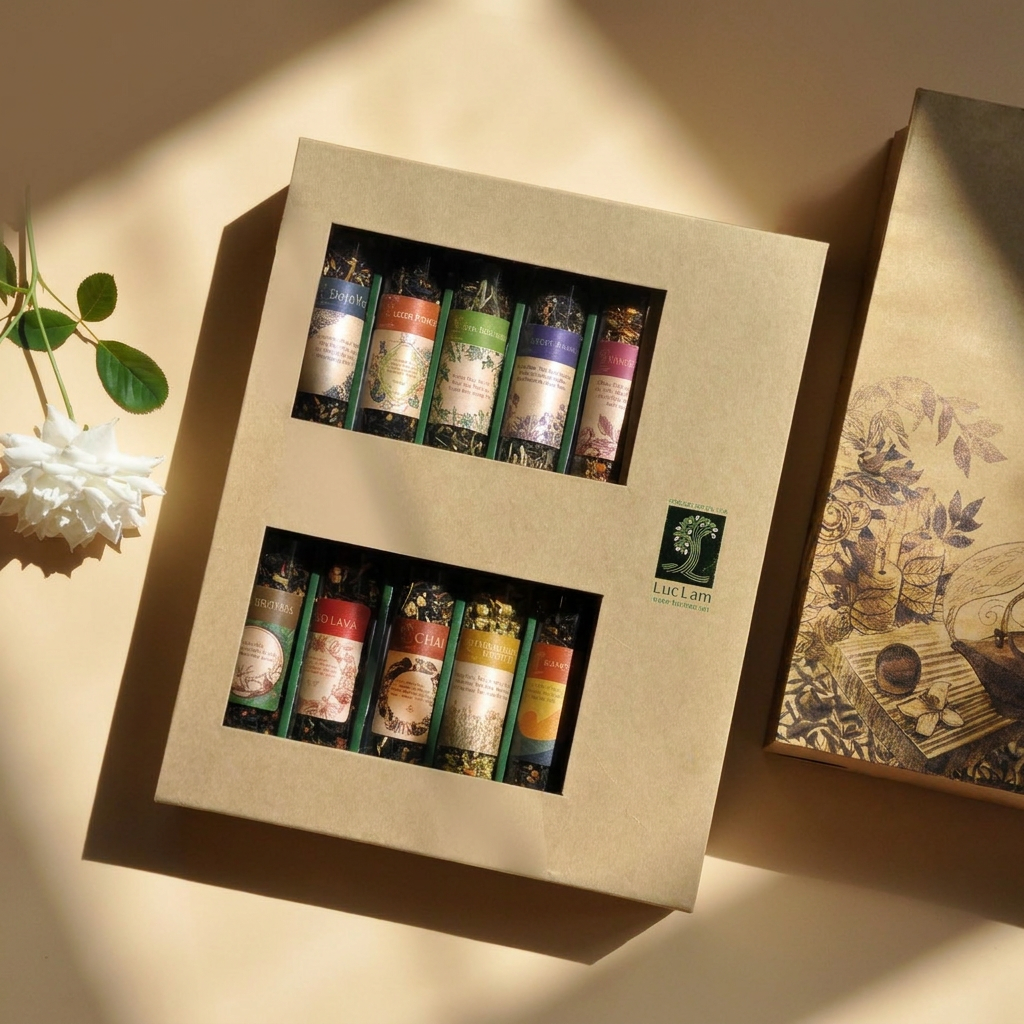
Place a standard cardboard box on a desk, then set down a rigid, embossed hamper wrapped in textured paper and a heavy ribbon. The physical difference between these two containers is immediate. This contrast mirrors the jump in corporate tea gift price from a basic bulk order to a refined luxury presentation.
For a 50-unit order, this shift is not just about aesthetics; it fundamentally changes how the bulk tea hamper cost is calculated. A standard carton prioritizes volume and consistency, often featuring simple stickers and generic tea bags. In contrast, a luxury hamper invests in premium ingredients, such as imported or rare loose-leaf varieties, and packaging that turns the unboxing into an experience.
Understanding this gap is essential before you finalize your luxury gift set budget. The per-unit price rises when you move from a simple tag to embossed branding, or from a flimsy carton to a sturdy, designed box. This guide breaks down exactly how these elements influence the final invoice. We will look at what a standard mid-tier hamper actually contains, how the luxury tier upgrades both contents and presentation, and how to calculate the total cost when ordering for 50 recipients. By the end, you will know whether the higher spend on premium packaging and rare teas is a strategic investment in client relationships or an unnecessary addition to your annual gifting budget.
The mid-tier floor: What a standard corporate tea hamper contains
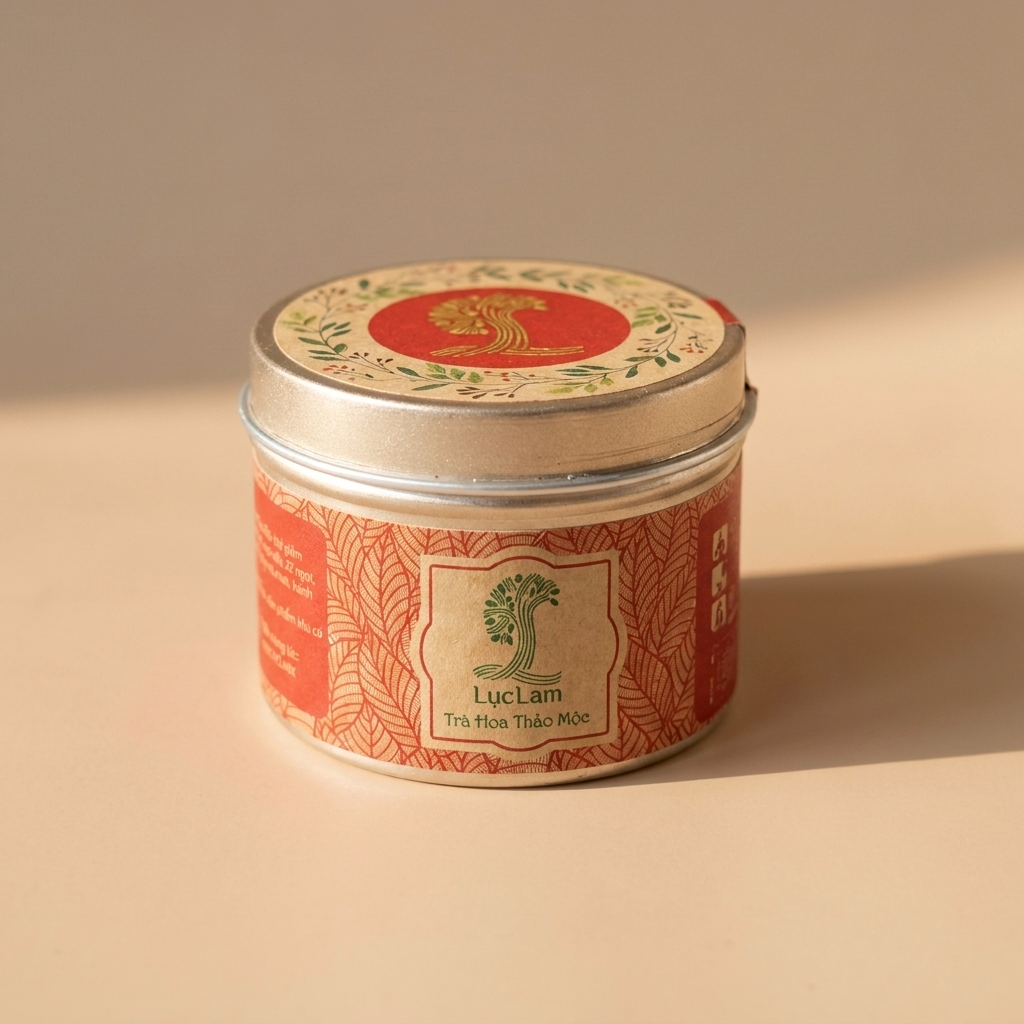
When a procurement manager asks for a quote for 50 tea gifts, the first question is rarely about flavor—it’s about the mid-tier floor. This is the entry point in the corporate tea gift price structure where the focus shifts from individual luxury to predictable, bulk-friendly value. It is the tier designed to ensure that every recipient gets a consistent, presentable item without the budget spiraling into premium territory.
The balance of cost and perceived value
At the 50-unit scale, the goal is to hit a sweet spot where the bulk tea hamper cost remains manageable, yet the package still feels intentional. Unlike a single, high-end luxury gift set, this tier prioritizes efficiency. The aim is to provide a tangible token of appreciation that meets basic expectations of quality without requiring extensive customization or rare ingredients that push costs up significantly. It is the workhorse of corporate gifting, ensuring that the total outlay stays within a predictable range for the finance team while still delivering a product that recipients will actually use.
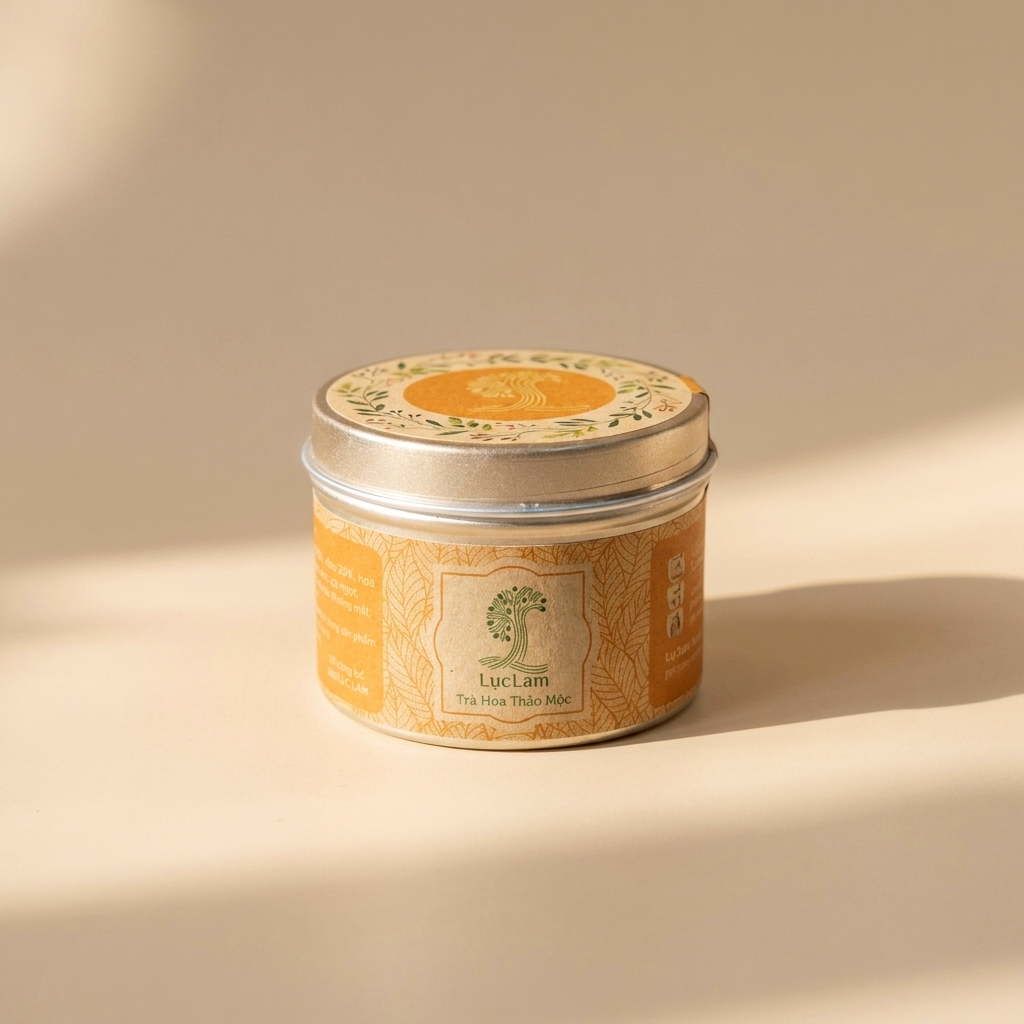
Typical contents and packaging
The contents at this level are straightforward and reliable. You will typically find standard loose-leaf tea or high-quality tea bags rather than rare, imported, or hand-picked varieties. The tea itself is often a popular blend like jasmine, green, or black tea, chosen for broad appeal and consistency in taste. Packaging is functional but neat: think of a standard carton or a simple gift box finished with a ribbon. These materials are durable enough for transport but inexpensive enough to keep the per-unit price low. There is no heavy rigid structure or embossed metal here; the design is clean, uncluttered, and focused on getting the product to the recipient safely and on time.
Branding and the focus on volume
At the mid-tier floor, branding is usually limited to a simple printed tag or a sticker on the box. This approach keeps the setup time for the 50-unit order to a minimum, allowing for faster turnaround times. The emphasis here is on volume and consistency. The brand’s identity is present, but the physical hamper is not meant to be a long-term keepsake on a shelf; it is a functional gift meant to be opened and enjoyed. This tier is ideal for general employee rewards or broad-distribution client gifts where the message is uniformity and respect for every individual on the list, rather than distinct, personalized luxury.
How the luxury tier upgrades a bulk tea hamper for 50 recipients
The transition from a standard corporate gift to a premium one is not just about swapping out a commodity for something more expensive. It is a fundamental shift in how the product is perceived and experienced. When you raise the tier of your tea hamper, you move beyond simple volume and start investing in brand presence and sensory detail. This is where the luxury gift set budget truly earns its keep.
From a Simple Tag to Embossed Identity
At the entry level, branding is usually functional. A small paper tag or a sticker identifies the company, but it does not contribute to the overall aesthetic of the gift. In the luxury tier, the packaging itself becomes a canvas for your brand. You replace the flimsy tag with embossed branding directly onto rigid, high-quality packaging. This tactile experience signals importance immediately. The box feels substantial in the hand, and the branding is part of the structure rather than an add-on. For a recipient, this shift tells them that the giver invested time in selecting a gift that looks as good as it tastes.
Shifting Contents to Justify the Cost
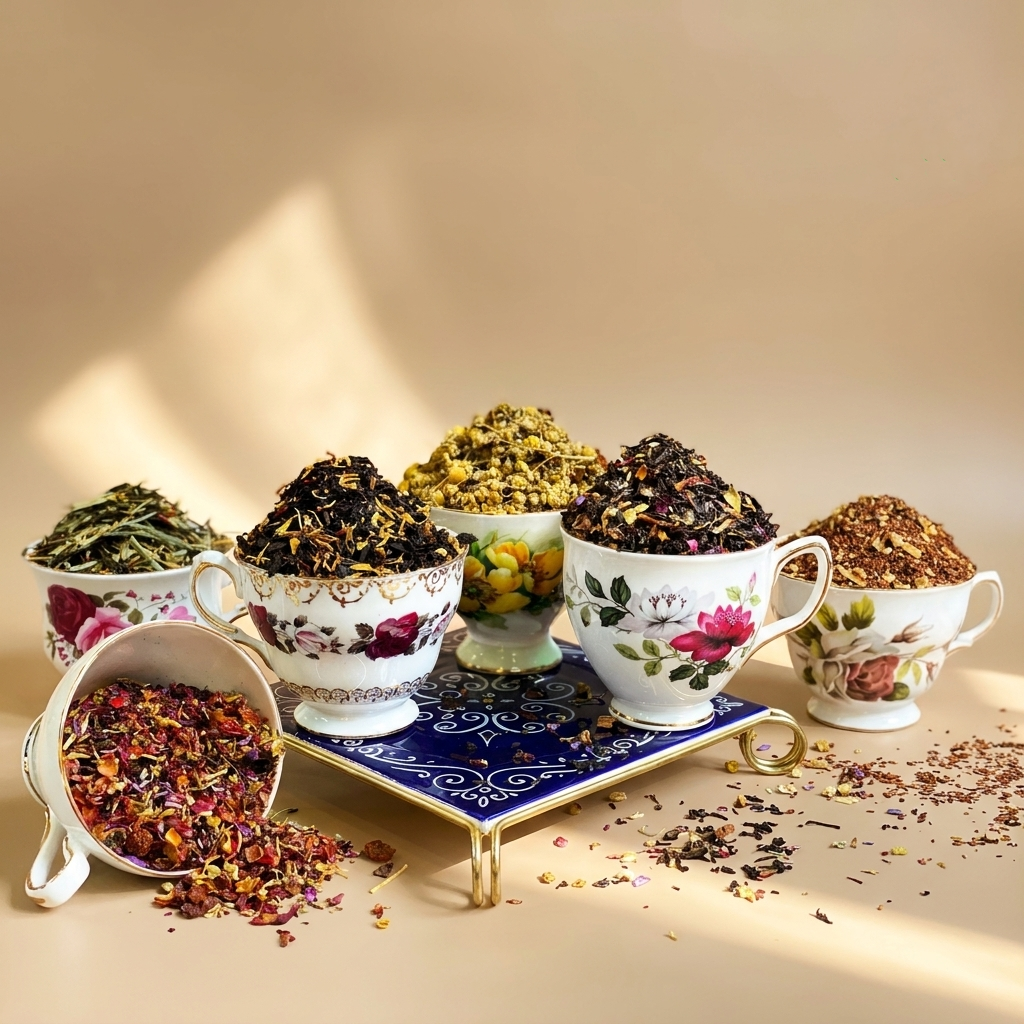
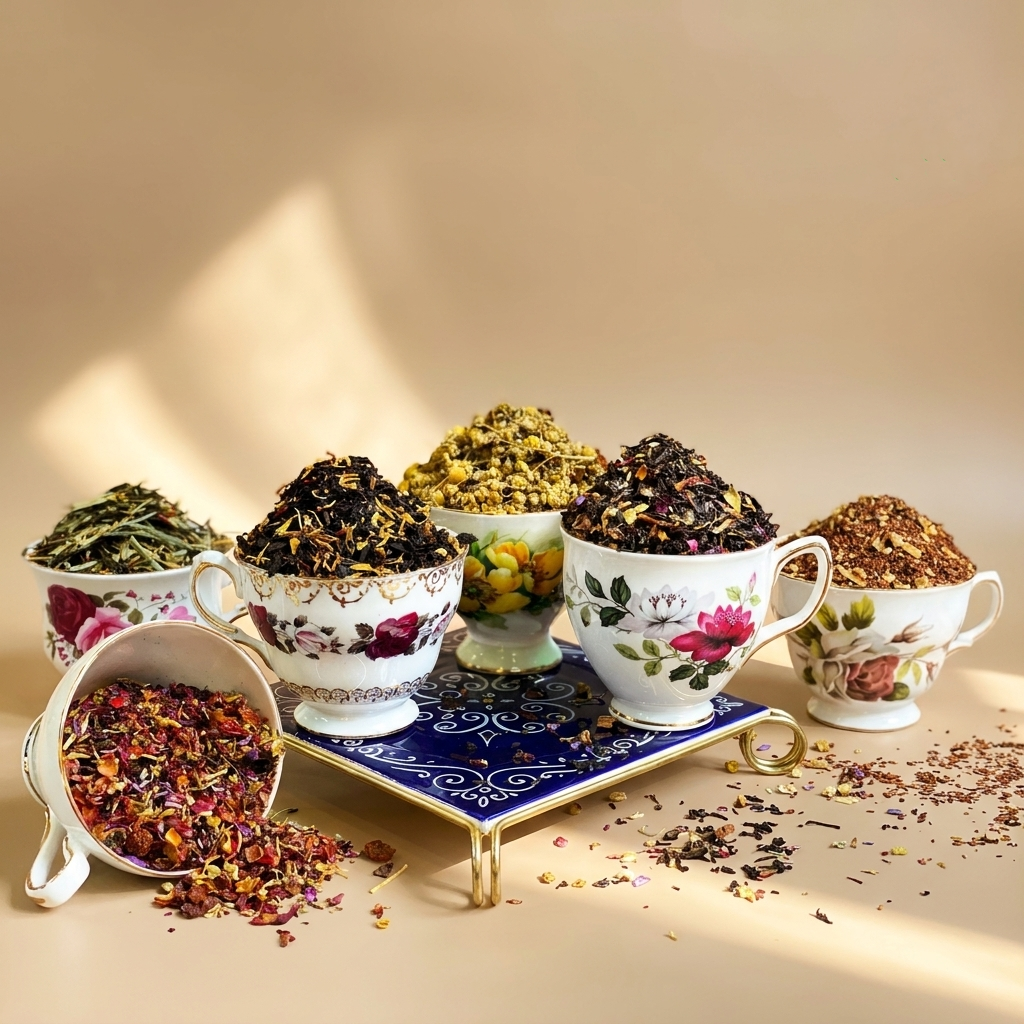
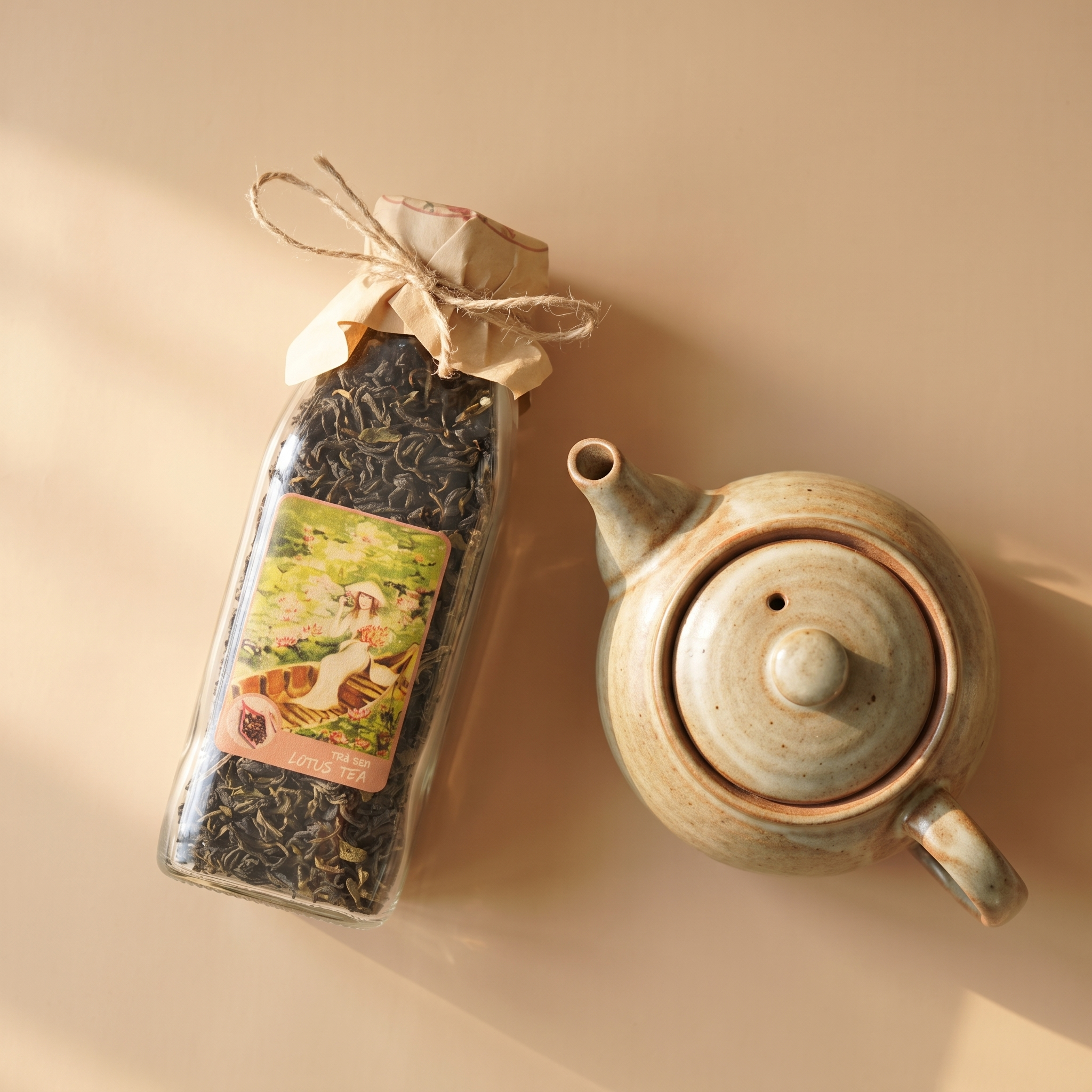
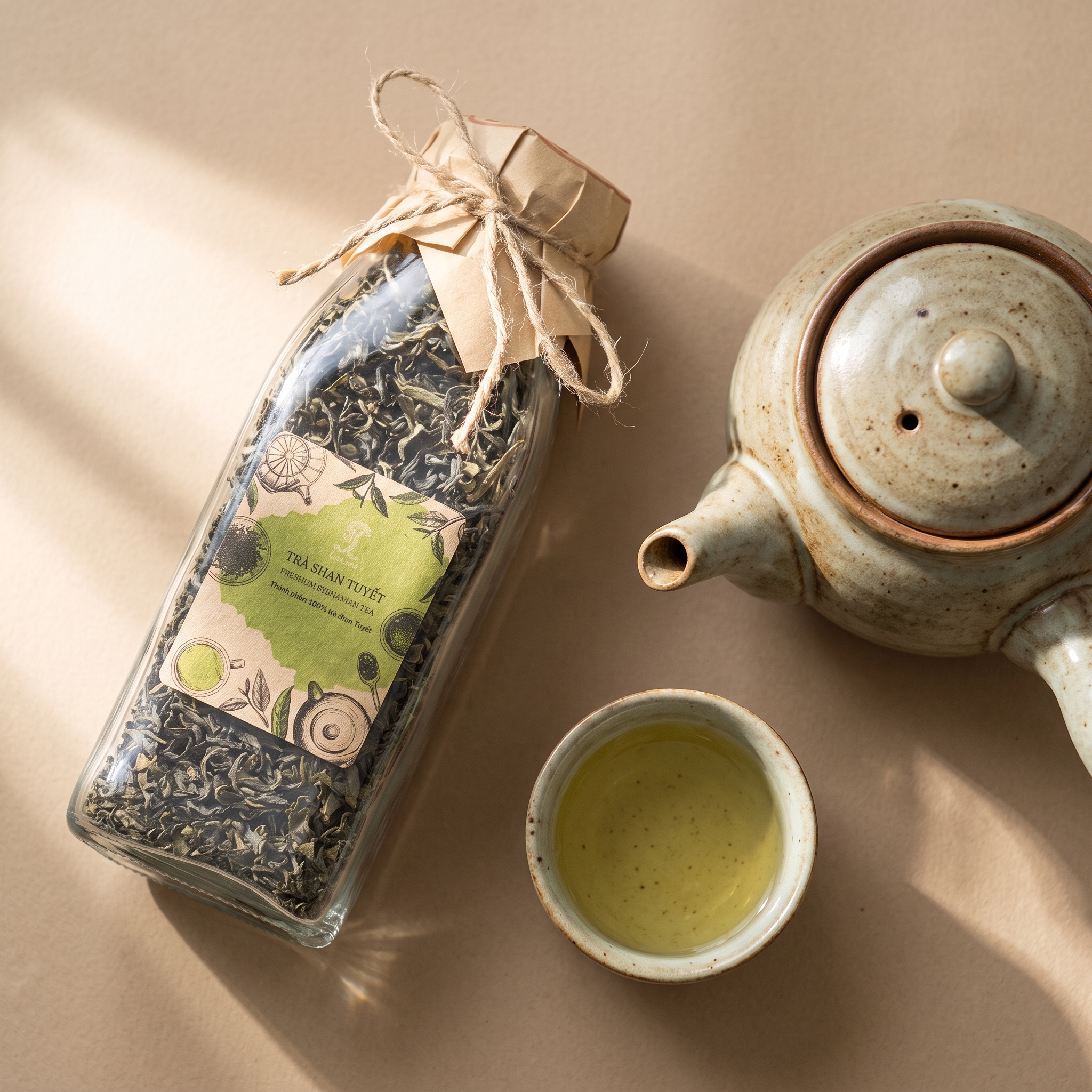
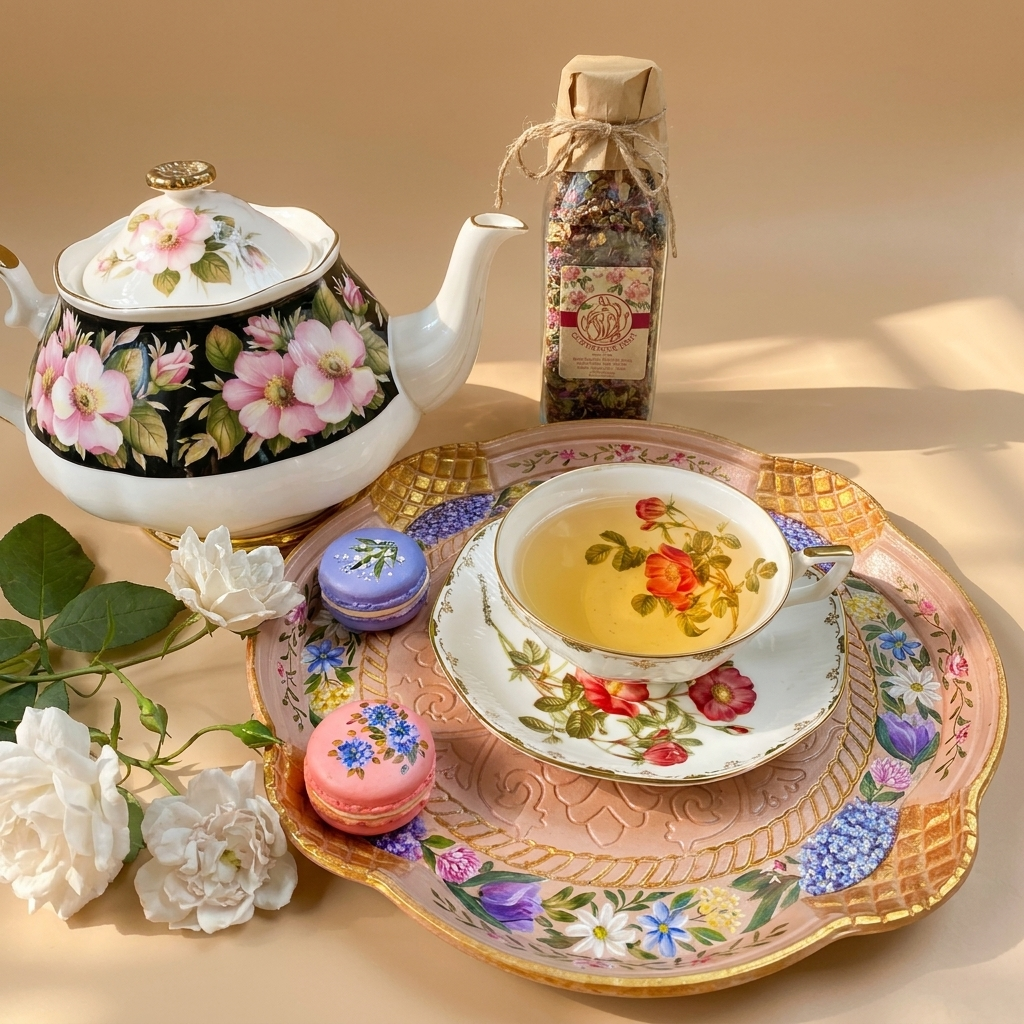
The contents of the hamper must justify the higher per-unit cost of a bulk tea hamper. In a basic tier, you might find standard loose-leaf tea or generic tea bags. To step up, you need to shift toward premium, imported, or rare varieties. For example, including a glass bottle of high-altitude Shan Tuyết tea or a curated selection of rare floral teas changes the narrative entirely. These specific items are not just drinks; they are experiences. The transparency of glass packaging allows the recipient to see the quality of the leaves and flowers inside before they even open the lid. This visual cue, combined with the superior flavor profile, creates a strong justification for the price increase.
The Value of the Unboxing Experience
In the luxury category, the unboxing experience is a core component of the gift’s value. It is not enough for the box to simply hold the items; the process of opening it must be satisfying. This means paying close attention to refined details. Think of textured, heavy-stock paper used for internal dividers. Consider high-quality ribbons that do not fray and tie neatly. Even the way the items are arranged matters. When a recipient opens a luxury hamper, they should feel a sense of discovery and care. This attention to detail transforms a bulk order from a mere obligation into a memorable interaction, reinforcing the brand’s image as one that values quality and presentation.
Calculating the total cost of a 50-unit luxury gift set budget
Estimating a luxury gift set budget for fifty recipients requires more than multiplying a single unit price by fifty. The total cost of a corporate tea gift package includes the value of the tea itself, the structural cost of the packaging, and the specific expenses for custom branding. When you order in bulk, these components shift significantly, often making the premium tier more financially accessible than a retail purchase would suggest.
The Economics of Bulk Ordering
The primary driver behind the bulk tea hamper cost advantage is economies of scale. Suppliers and artisans can source high-quality loose-leaf teas and premium packaging materials at lower unit prices when the order volume reaches fifty. This fixed cost is spread across a larger base, which directly reduces the final per-unit price. For a company, this means that the jump from a standard carton to a rigid, embossed hamper does not scale linearly with quantity. Instead, the luxury tier becomes a viable option because the per-unit premium is absorbed by the volume discount, allowing you to provide a high-end experience without exceeding a standard corporate budget.
Comparing Cost Components: Standard vs. Luxury
To visualize how the budget is allocated, the following table breaks down the estimated cost components for both tiers. Note that while the absolute cost per unit is higher in the luxury tier, the proportion spent on packaging and branding increases to reflect the added value of the unboxing experience.
| Cost Component | Standard Tier (50 units) | Luxury Tier (50 units) |
|---|---|---|
| Tea Contents | Basic loose-leaf or tea bags | Premium, imported, or rare varieties |
| Packaging | Ribboned gift box or standard carton | Rigid box, textured paper, high-quality ribbons |
| Branding | Simple tag or sticker | Embossed branding on rigid packaging |
| Per-Unit Cost | Lower due to simple materials | Higher, but reduced by bulk discounts |
Building a Practical Framework for Budgeting
When preparing your final estimate, start by identifying the base price of the curated tea selection. Then, add the cost of the packaging structure, which is a significant differentiator between the two tiers. Finally, incorporate the branding fees, which are typically fixed costs regardless of the tier but become more visible as a percentage of the total in luxury sets. It is also wise to include a small buffer for logistics or last-minute additions. This structured approach ensures that the corporate tea gift price is transparent and that you can clearly see where the value is being created for your recipients. By understanding these components, you can make an informed decision about whether the luxury tier offers the best return on your gifting investment.
Is the extra spend on a luxury tea hamper worth it for clients?
Deciding whether to increase the corporate tea gift price per unit often comes down to one factor: who is receiving it. For standard employee recognition or casual well-wishes, a mid-tier hamper delivers sufficient value. However, when the recipient is a key business partner, a senior executive, or a VIP client, the stakes change entirely. In these relationships, the gift is not just a token of appreciation; it is a statement of respect. A refined presentation can significantly influence how a client perceives your brand, shifting the interaction from transactional to relational.
Perceived value drives brand recall
Human psychology plays a major role in gift-giving. When a client receives a standard, unadorned box of tea, they appreciate the gesture but are unlikely to remember the specific details of the packaging or the tea variety. In contrast, a luxury hamper with embossed branding and premium contents creates a moment of surprise. This heightened emotional response leads to stronger brand recall. When the client thinks of your company, they associate it with quality and attention to detail rather than just a standard corporate exchange. This subtle shift in perception can have lasting effects on the business relationship.
The quality vs. quantity trade-off
Many budgeting managers view the bulk tea hamper cost as a simple line item where more units are better. This is a common misconception. There is a trade-off between quantity and quality. Spreading a fixed budget across 50 basic hampers may leave each recipient feeling underwhelmed. Conversely, concentrating that same budget on a smaller group of high-value recipients with premium items creates a stronger impact. The luxury gift set budget allows you to invest in rare tea varieties and high-end packaging that justify the higher per-unit cost. For high-stake relationships, the depth of the gift often matters more than the breadth of the distribution.
A strategic investment for VIPs
For leadership teams and VIP clients, the luxury tier is a more effective investment for long-term brand loyalty. These individuals receive hundreds of gifts each year. To stand out, your gift must be memorable. By choosing the premium tier, you signal that you value the relationship enough to provide an experience, not just a product. This approach transforms a standard corporate gift into a strategic tool that reinforces brand identity and fosters deeper, more personal connections with your most important stakeholders.
Frequently asked questions about bulk corporate tea gifting
What is the minimum order quantity?
Most suppliers set the threshold for custom packaging at 50 units. This volume is the sweet spot where the fixed costs of custom manufacturing—such as embossed rigid boxes or printed labels—are offset by the total order, making the bulk tea hamper cost significantly lower per unit. Below 50 units, you often pay a premium for the setup fees. Ordering 50 or more allows you to access the luxury tier with a more accessible per-unit price, enabling refined branding without blowing the budget.
Can we add our company logo?
Yes, branding options expand as you move up the price tiers. At the standard level, expect a simple printed tag or sticker. Once you reach the luxury tier, the logo can be integrated directly into the packaging structure. Options include embossing on rigid boxes, foil-stamped labels, or custom-printed tissue paper. These details transform the gift from a commodity into a branded asset. Confirm with your supplier which techniques are available for your specific order size, as some high-end methods may require higher minimums.
How much lead time is needed?
Plan for a lead time of 10–15 days for standard orders. If you are ordering during festive seasons like Diwali or the New Year, increase this to 3–4 weeks to account for peak demand. Rushing a 50-unit order often means sacrificing the finish quality of the packaging. For larger orders or complex customization, order even earlier. This buffer also gives you time to review a sample unit before the full batch is produced, ensuring the final delivery meets your standards.
Conclusion
Moving from a standard hamper to a luxury tier is less about simply increasing the price and more about elevating the recipient’s unboxing experience. The premium value lies in the tactile details—textured paper, rigid construction, and refined branding—paired with high-quality, often rare, tea varieties. While the corporate tea gift price per unit rises, the shift in perceived value and brand recall makes this investment particularly effective for VIP relationships and leadership teams.
Choosing the right tier depends on your specific audience and budget constraints. A bulk tea hamper cost structure for 50 units offers flexibility, allowing you to balance volume with premium presentation. If you are unsure which combination of contents and packaging best suits your corporate gifting goals, consulting a tea specialist can help tailor the experience. They can guide you through the nuances of ingredient selection and design, ensuring your final gift set resonates with your recipients while staying within your planned luxury gift set budget.