On This Page· 5
You stand in a crowded Nha Trang market, bags in hand, surrounded by shelves of colorful boxes. Each looks appealing, yet none feels quite right. You want a gift that feels refined and authentic, not a mass-produced item your recipient will toss in a drawer. How do you distinguish a thoughtful Vietnamese tea from the rest without spending hours comparing labels?
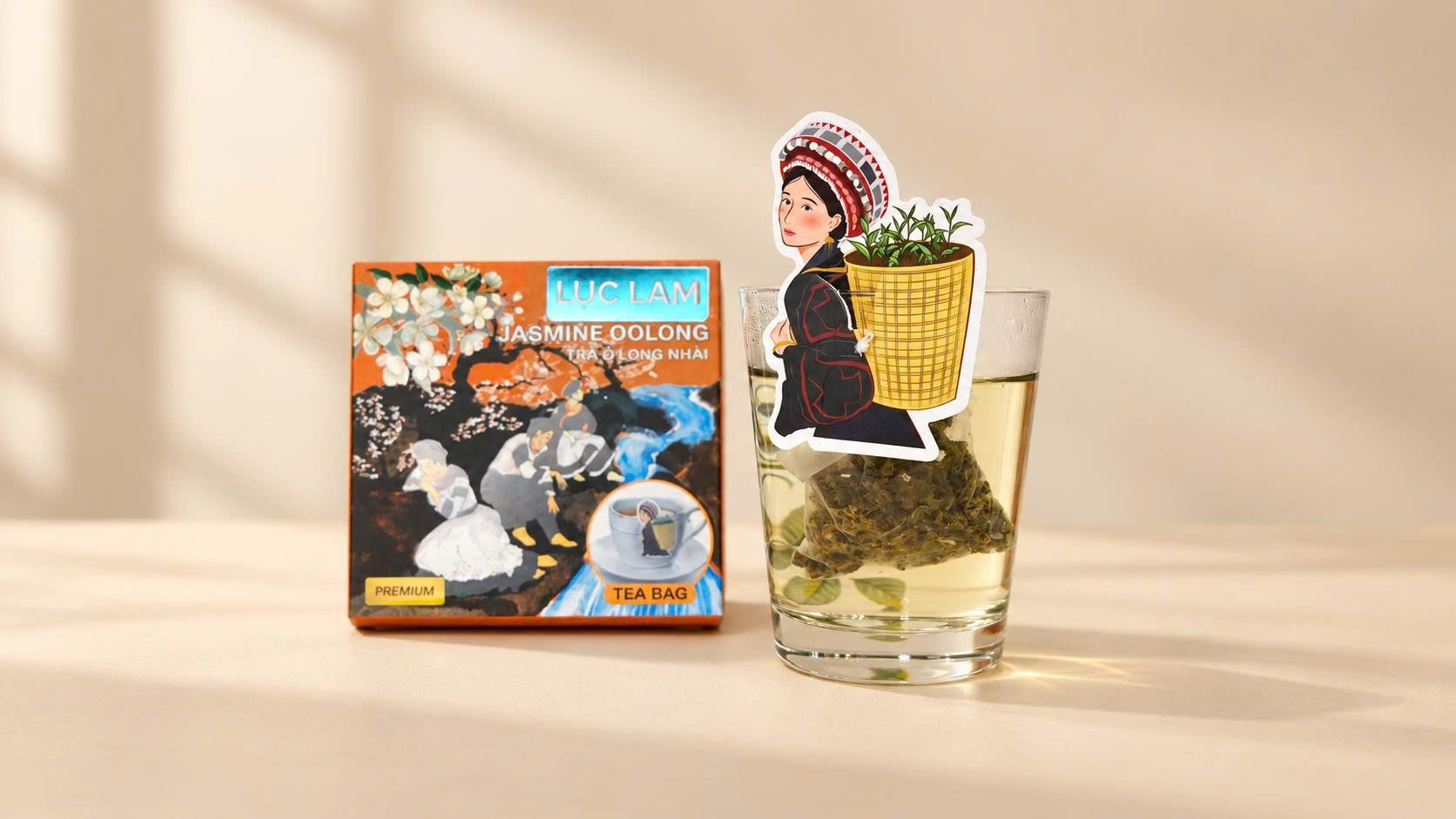
Choosing Nha Trang herbal souvenirs comes down to three simple checks: sensory quality, packaging detail, and origin clarity. This guide helps you find traditional Vietnamese tea blends that are easy to choose, suitable for gifting to family or colleagues, and safe to bring home through airport security.
Whether you are buying for a boss in Tokyo, a friend in Taipei, or a partner in Shanghai, the goal is the same. Find a product that tells a local story. The following sections break down the specific herbs to seek out, where to find them in the Old Town, how to verify their quality, and how to carry them back home with confidence. You will leave the market with a clear, actionable plan, not a guess.
The Three Herbal Blends to Look for in Nha Trang
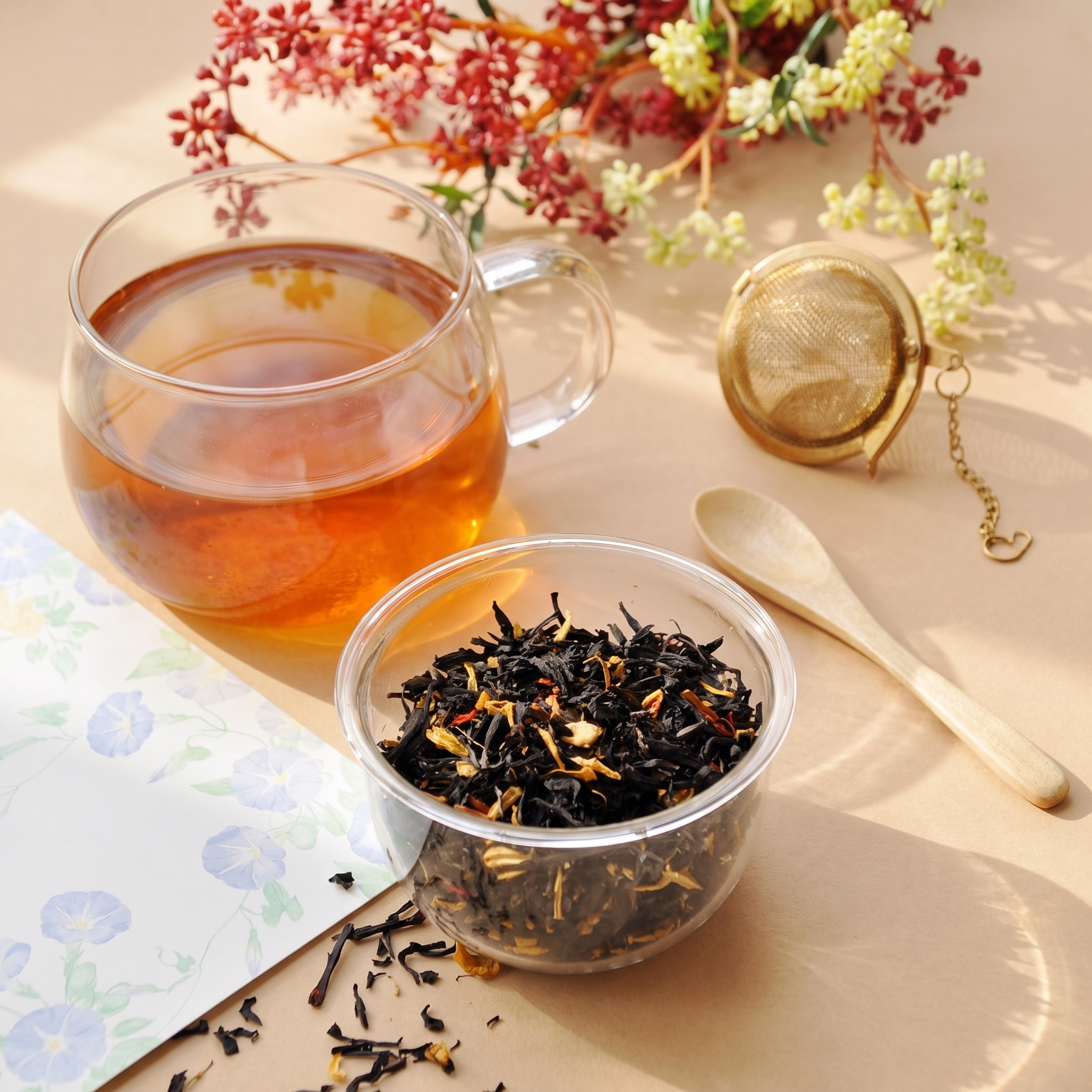
When browsing for traditional Vietnamese tea in the coastal region, three specific floral blends dominate the local shelves: lotus, lime blossom, and artichoke. These varieties represent the core of what you can find in local tea shops, offering a distinct alternative to standard black or green teas. Understanding their sensory profiles helps you identify the right box before you even open it, ensuring your gift aligns with the recipient’s preferences.
Distinguishing by Aroma and Taste
Each blend has a recognizable identity that appeals to different palates. Lotus tea is often associated with a soft, aquatic sweetness and a pale yellow-green infusion. It carries a gentle, clean aroma that feels light on the nose. Lime blossom tea, by contrast, offers a sharper, citrusy freshness. The dry leaves often have a bright, vibrant color, and the brewed cup delivers a zesty, slightly perfumed note that feels invigorating. Artichoke blends provide a different experience entirely, leaning into an earthy, herbal complexity with a slightly bitter finish that mellows into sweetness. The color here tends to be deeper, often a rich amber or green, depending on the specific leaves used. Knowing these differences allows you to match the tea to a recipient’s known taste preferences, whether they prefer subtle floral notes or bolder herbal profiles.
Why These Blends Make Refined Gifts
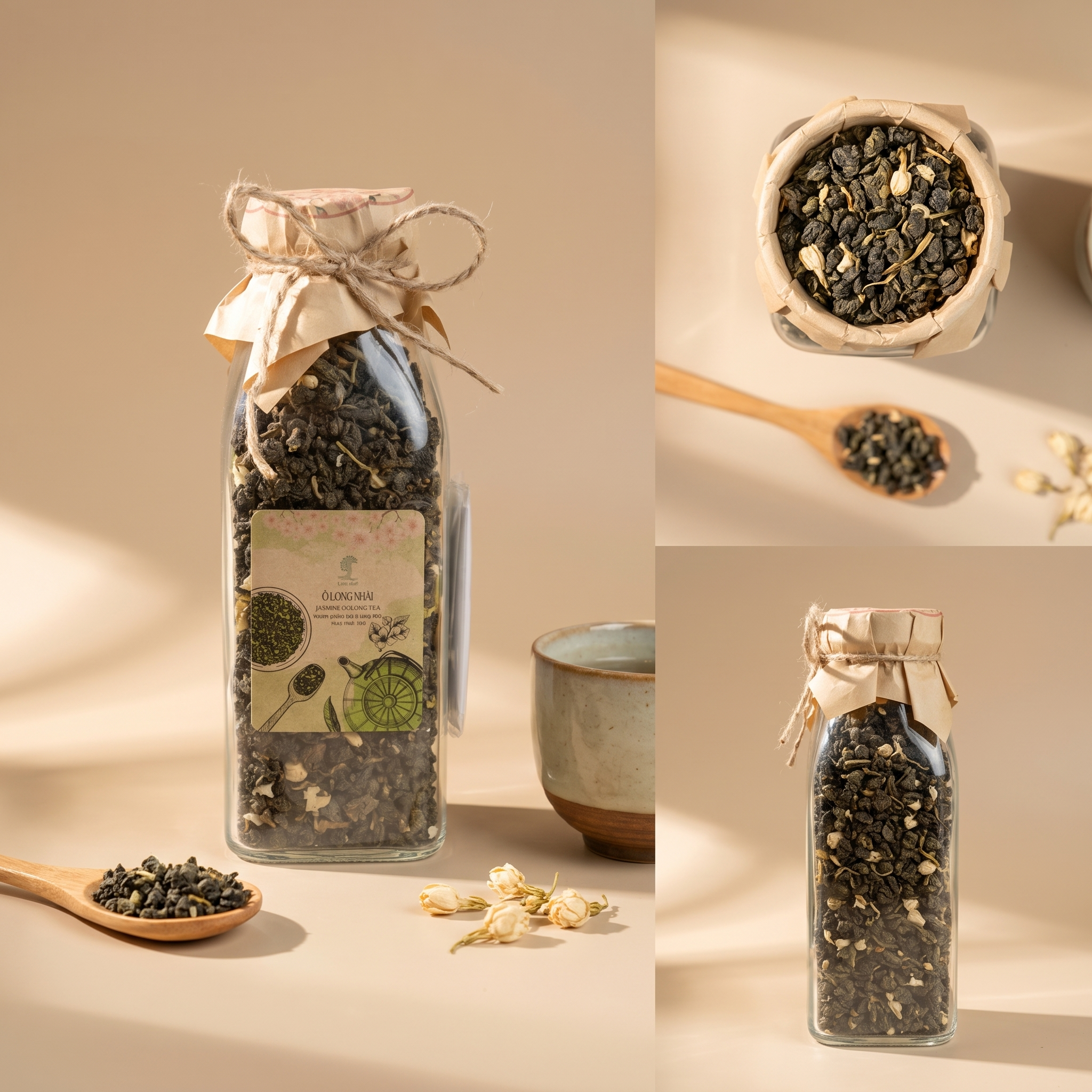
These three varieties are favored for gifting because they are naturally caffeine-free. This makes them suitable for a wide range of recipients, including elders who may be sensitive to stimulants, or colleagues who prefer a gentle end-of-day drink. The light nature of the infusion means they are easy to drink, even for those who do not regularly consume herbal beverages. In the context of Vietnamese culture, these flowers hold specific significance. Lotus is a symbol of purity and resilience, while lime blossoms are traditionally linked to health and vitality. Selecting one of these blends is not just a choice of flavor; it is a gesture that carries cultural weight, making it a thoughtful and refined Vietnamese gift. The simplicity of the ingredients and the focus on natural wellness resonate well with international travelers seeking authentic, meaningful items from their trip to Nha Trang.
Where to Find Local Tea Shops in Nha Trang’s Old Town
To find authentic Nha Trang herbal souvenirs, head to the heritage zone of the city center, often referred to locally as the Old Quarter. This area is the primary hub for traditional products, featuring narrow streets lined with shops that specialize in local specialties rather than mass-produced goods. For travelers looking to buy herbal gifts, this district offers a concentrated selection where you can find the refined blends discussed earlier, such as lotus and lime blossom tea, in their most traditional forms. The atmosphere here is more authentic than the main tourist strips, making it easier to find items that reflect genuine local craftsmanship rather than generic imports.
The choice between a busy market stall and a dedicated boutique significantly impacts the quality of your purchase. High-volume market stalls often carry a wide variety of items, but consistency can vary from batch to batch. In contrast, smaller, dedicated tea boutiques typically focus on a narrower range of products, allowing for more rigorous quality control. These shops often use refined packaging and provide individualized attention, which is ideal for travelers seeking a gift that feels personal and high-quality. The curated nature of these boutiques ensures that the traditional Vietnamese tea you select is likely to be fresh and properly stored, enhancing its aroma and taste.
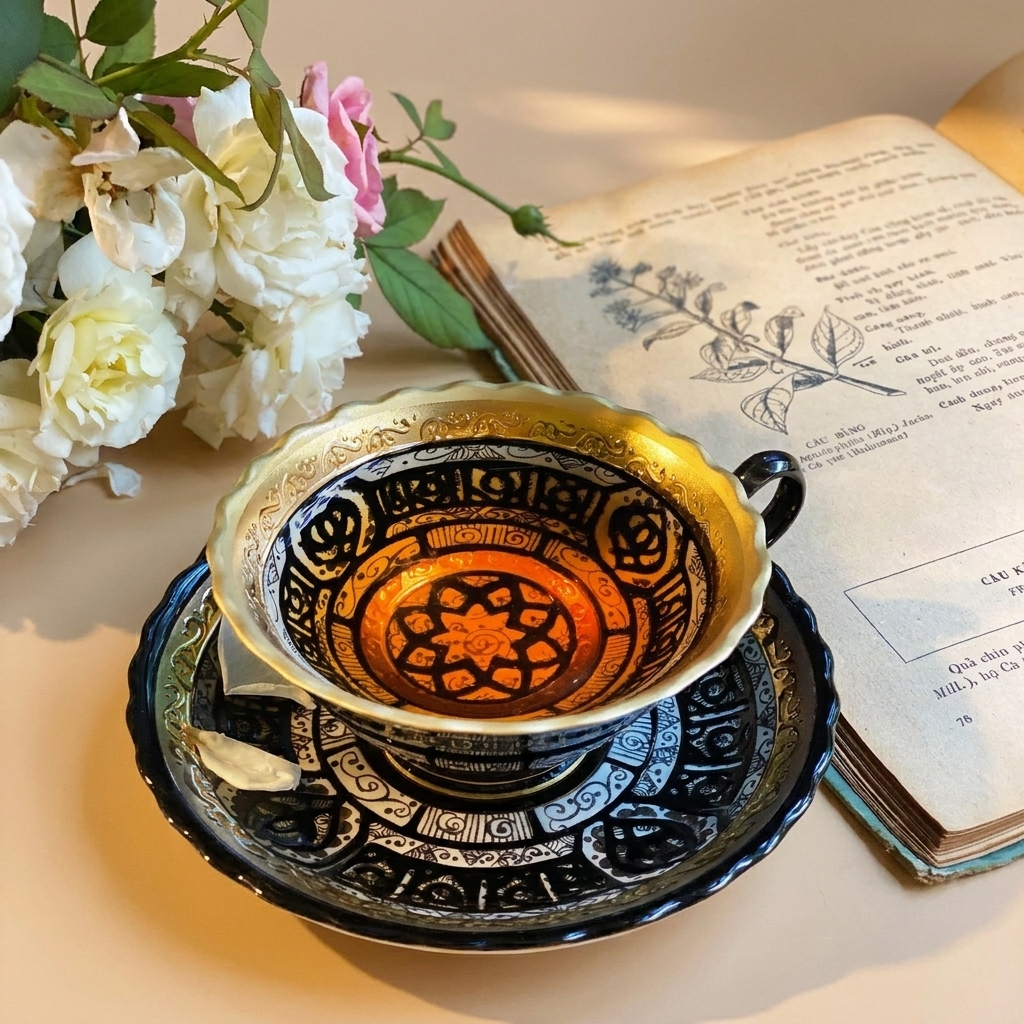
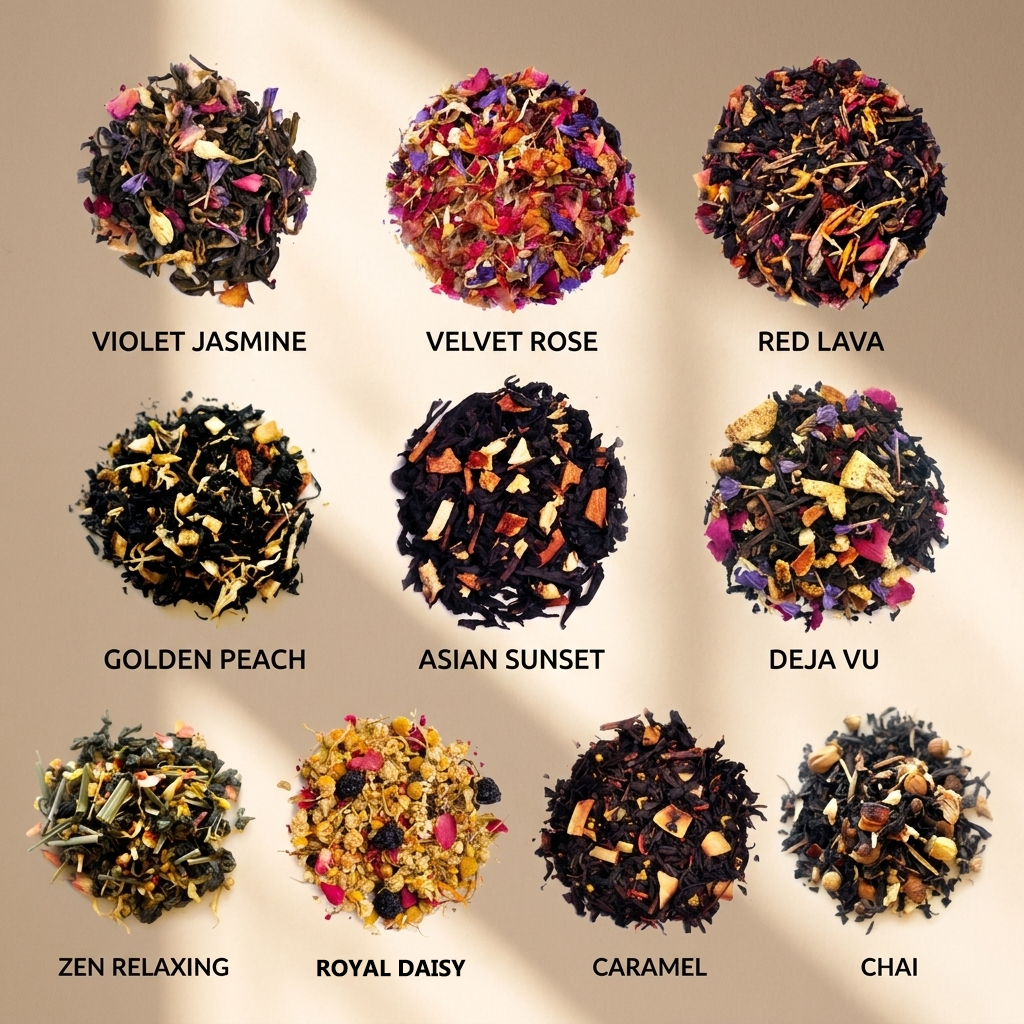
Navigating these shops requires a bit of visual know-how. Instead of focusing on neatly boxed souvenir items that look identical to those found in airports, look for shops with visible loose-leaf displays or dedicated tasting counters. A shop that invites you to smell the dry leaves or taste a fresh brew is demonstrating confidence in their product. These visible displays allow you to inspect the uniformity and color of the herbs directly. If a shop only sells sealed boxes without offering a sample, it may be a red flag that the product is not locally sourced or fresh. The presence of a tasting counter is a strong indicator that the vendor specializes in tea and understands the sensory profile of their traditional Vietnamese tea offerings.
Finally, verify that the shop specializes in tea or herbal items before making a purchase. General gift stores in the area may carry a range of souvenirs, including tea, but they might source from various suppliers, including imported blends that lack local character. To ensure you are buying a true Vietnamese coastal specialty, ask the shopkeeper about the origin of the ingredients. A specialist will be able to tell you where the flowers were harvested and how the blend is prepared. This transparency is a key differentiator between a high-quality local product and a generic import. Taking these steps ensures your gift carries genuine local value, making it a memorable part of your travel experience in Nha Trang.
How to Inspect Quality and Check Authenticity Tags
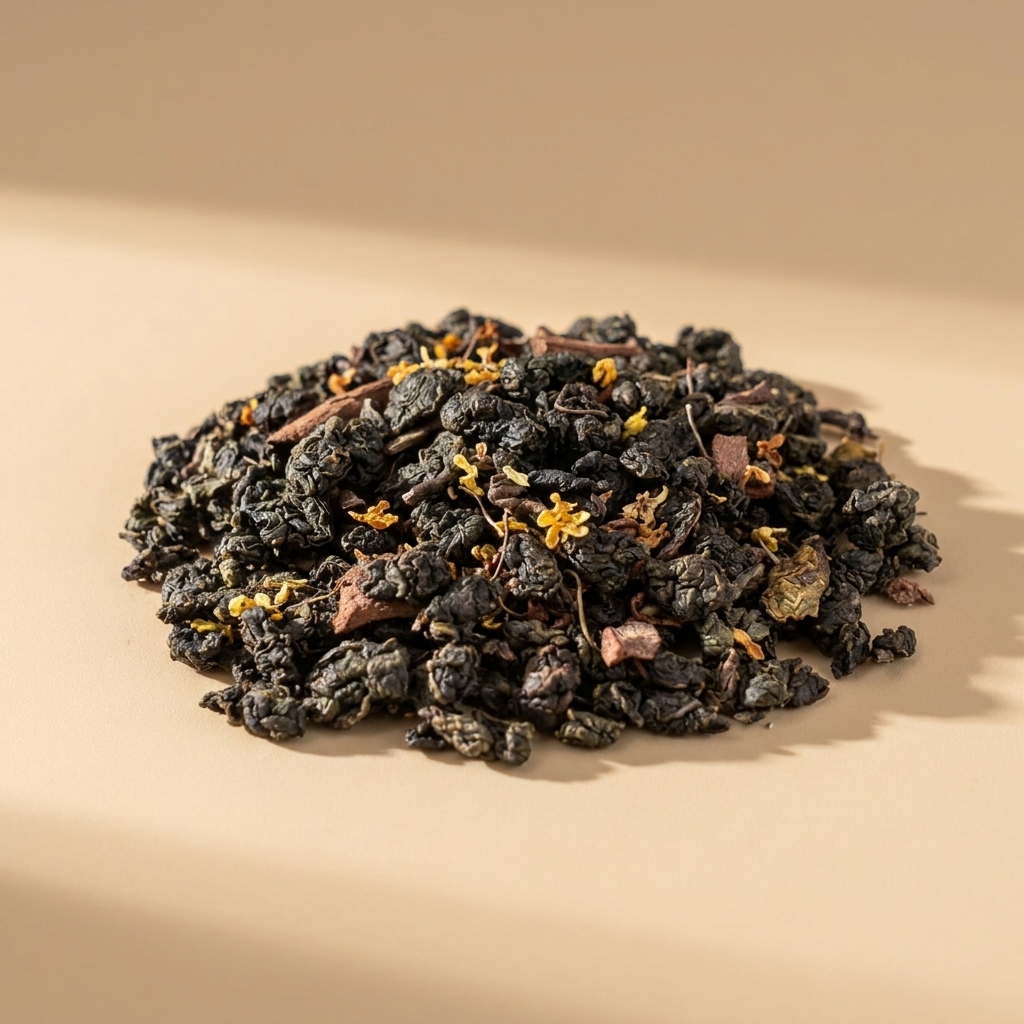
Buying quality traditional Vietnamese tea in Nha Trang requires a close look at the physical product and its packaging before you hand over your money. Start by opening a sample pack or asking to inspect the loose leaves directly. The dry petals and leaves should appear uniform in size, with a natural, consistent color that matches the specific herb—such as the pale cream of lime blossom or the soft green of lotus. Avoid any batch that looks dusty, darkened, or contains excessive stem debris, as these are signs of poor processing or long storage. A clean, visually consistent pile is the first indicator that you are holding a refined gift rather than a bulk commodity.
Reading the Label for Origins
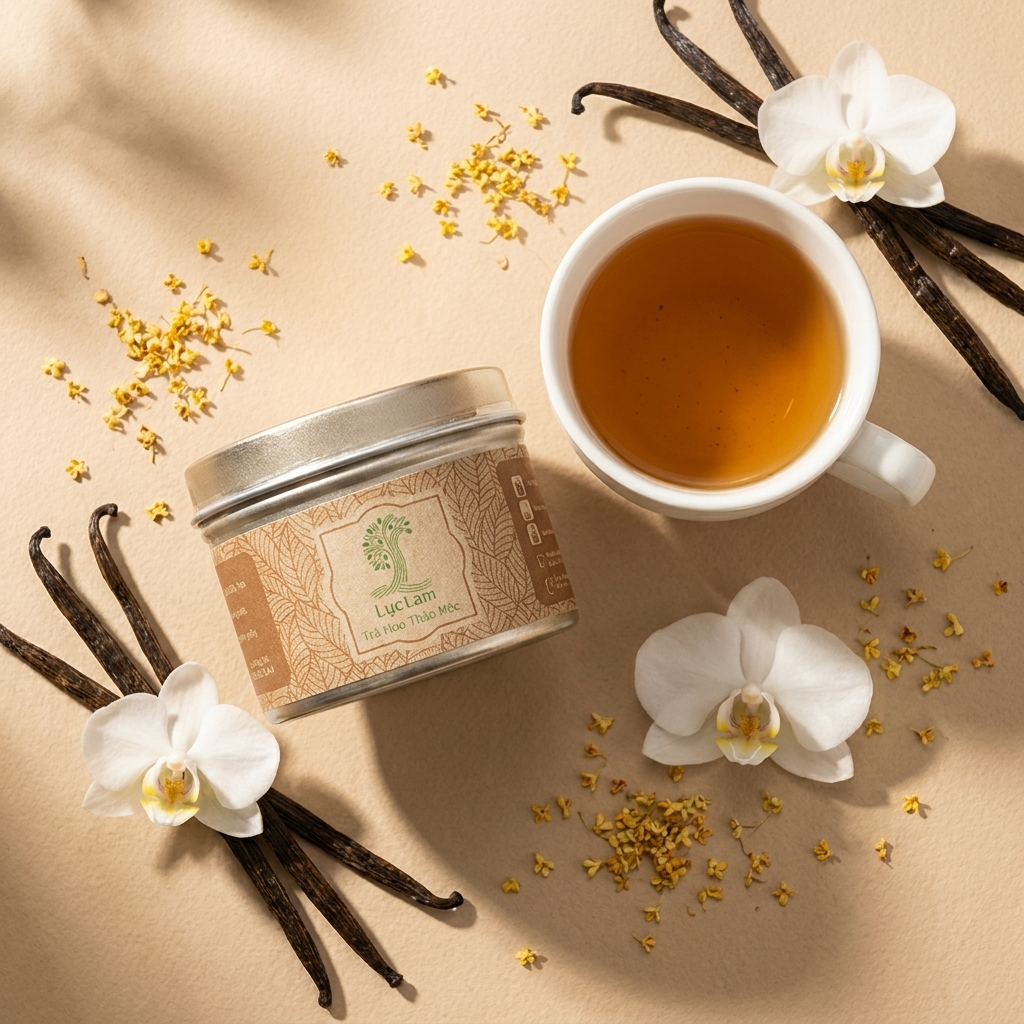
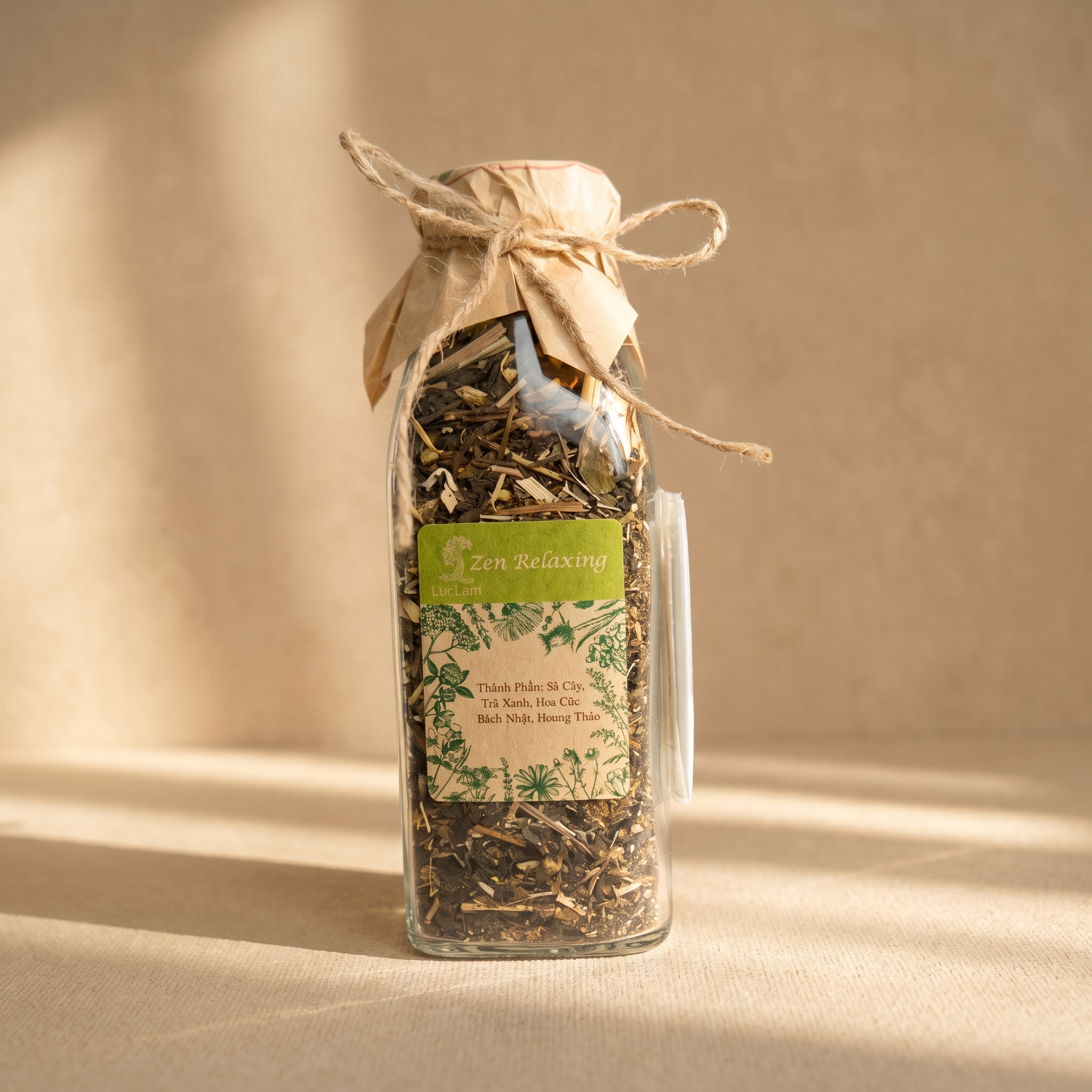
The packaging serves as a critical authenticity tag. A reputable shop will provide clear labeling that lists the exact ingredients, the place of origin, and the manufacturer’s details. If the box only says “herbal tea” without specifying the flower source or the production location, treat it with caution. Clear labeling protects you from receiving mixed or imported blends presented as local specialties. It also makes the gift more meaningful because you can tell your recipient exactly where the flowers were harvested.
The Value of Individual Packaging
When gifting to business partners or bosses, presentation matters as much as taste. Look for products that are individually packed in small, sealed units or individual glass jars. This feature ensures freshness by keeping each serving isolated from air and moisture. It also looks more professional and curated on a desk or in a personal office, making it suitable for formal relationships. A single, large bulk box often feels less personal than a set of neatly sealed, individually portioned packets that suggest attention to detail.
Asking About the Harvest Source
Do not hesitate to ask the shopkeeper where the flowers were harvested. In the context of Vietnamese coastal specialties, a good vendor will proudly mention the local Central Vietnamese highlands or specific nearby regions. If they hesitate or claim the product is “imported” without a specific origin, it may indicate a lack of transparency. A shop that commits to local-artisan standards will usually welcome the question, providing specific details about the farming method or the season of harvest. This conversation not only helps you verify the product’s authenticity but also gives you a small story to share with your recipient, adding personal value to the Nha Trang herbal souvenir.
Airport Rules for Carrying Herbal Souvenirs Home
Packing your herbal purchases for the flight home requires a few practical checks to ensure smooth customs clearance. Dry herbal teas and flower blends are generally permissible in international luggage, as they are treated as food items rather than restricted agricultural products. However, rules vary significantly by destination, so you must verify the specific customs regulations for countries like Japan, Taiwan, or China before you depart. What counts as a personal souvenir for one country might require a declaration or permit in another, making a quick pre-trip check a wise step to avoid surprises at the border.
Distinguishing Dry Leaves from Liquid Forms
The physical form of your tea heavily influences how it is handled by customs. Loose-leaf traditional Vietnamese tea or dried flower blends are typically straightforward to carry. In contrast, liquid teas, concentrated extracts, or syrup-based products face stricter scrutiny. These liquid forms may be subject to volume limits, require a separate declaration, or be prohibited entirely in certain jurisdictions. If your gift includes a bottle of infused syrup or a liquid concentrate, check if it fits within the liquid allowances for your baggage type, or consider leaving it behind in favor of the safer dry-leaf varieties.
Proving Personal Use with Receipts
A simple piece of paper can save you time at the customs counter. Always retain your original receipts and keep the items in their original packaging. Customs officers often use these documents to verify that the items are intended for personal consumption rather than commercial resale. This distinction is crucial, as commercial quantities can trigger different regulations or duties. Keeping the packaging intact also protects the product’s quality, demonstrating that the items are fresh and sealed, which further supports their status as personal gifts for family or colleagues.
Protecting Delicate Packaging During Transit
The visual appeal of your gift is part of its value, so physical safety matters. Herbal teas in glass bottles or delicate boxes can be fragile. To ensure the refined packaging remains intact, wrap glass items in clothing or bubble wrap before placing them in the center of your suitcase, away from hard edges. For box sets, a layer of tissue paper can prevent shifting during the journey. Arriving home with an uncracked, pristine package ensures the gift makes a strong impression the moment it is unwrapped, preserving the thoughtful aesthetic you selected in the shop.
Frequently Asked Questions About Nha Trang Herbal Souvenirs
Navigating the specifics of buying tea as a souvenir often raises practical questions. The answers below address the most common concerns travelers have when selecting these traditional Vietnamese tea varieties for their loved ones back home.
Are these teas suitable for people who don’t usually drink herbal blends?
Yes, the light and refreshing nature of these flowers makes them an accessible entry point for anyone. If you are unsure about your recipient’s preferences, consider gifting a small sampler set. This approach allows them to introduce the flavors gradually without committing to a large quantity of a single variety. It turns the first cup into a low-pressure experience, perfect for a gentle first taste of a Vietnamese coastal specialty.
Do I need to be a tea expert to choose a good gift?
Not at all. The focus here is on the aesthetic of the refined packaging and the cultural story behind the item, rather than complex brewing techniques or specific tea grades. In fact, a small, well-packaged set is often easier to choose than buying large quantities, which can lead to decision paralysis. The visual appeal and the thoughtful presentation do the heavy lifting, making it an easy choice for anyone looking to bring home a meaningful token from their trip.
Where else in Vietnam can I find these specific teas?
While you can find similar herbal products in major cities like Ho Chi Minh City and Da Nang, there is a unique distinction in sourcing from the coast. Nha Trang offers a direct connection to the coastal and central growing regions where many of these herbs are cultivated. Buying a local tea shop in this area adds a layer of geographic authenticity to the gift. It represents a genuine slice of the central coast’s landscape and tradition, which mass-produced items from other regions simply cannot replicate.
How should I store the tea after bringing it home?
Proper storage is the key to preserving the aroma and freshness of your purchase. Keep the tea in a cool, dry place, far away from direct sunlight. Exposure to light and humidity can degrade the delicate floral notes and cause the leaves to absorb unwanted moisture from the air. A pantry or a closed cabinet is an ideal spot. By following these simple storage tips, you ensure that the first cup poured at home tastes as vibrant as it did in the shop.
A well-chosen herbal tea from Nha Trang serves as a quiet bridge between two cultures, carrying a fragment of the coastline’s character into someone’s daily routine. The appeal of these gifts lies in their simplicity: they are easy to identify, visually elegant, and suitable for a wide range of relationships, from close family members to professional colleagues. By focusing on clear labeling and transparent sourcing, you ensure the gift feels personal rather than generic.
When you next browse the local markets, let the shopkeeper’s willingness to explain their harvest origins guide your decision. Prioritize boutiques that display their ingredients openly and offer refined, individually packed options. This approach ensures your recipient receives not just a beverage, but a verified piece of Vietnamese tradition that remains fresh and intact from the moment it is wrapped until the moment it is brewed. For further advice on selecting the right tea for your recipient, you can reach out to local tea experts for personalized recommendations.