On This Page· 5
You sit on a wooden bench in a Nha Trang garden, holding a glass of pale, citrusy water. The air is humid and heavy, and the herbal infusion feels like a cool breeze against your skin. Just a few days ago, in the misty highlands of Da Lat, you sipped a brew that tasted dense, smoky, and deeply earthy, with a distinct pine needle aroma. The difference is striking. One feels like a bright afternoon; the other, like a quiet night in the mountains.
Why does the tea taste so different? It is not merely about tradition or the specific leaves used. The primary driver is ecology, specifically altitude. The Nha Trang herbal tea you are drinking reflects the low-lying, warm coastal climate, which favors lighter, refreshing plants. In contrast, highland blends are shaped by cooler temperatures and harsher conditions, leading to denser, more medicinal profiles. Understanding this ecological split helps you choose the right Vietnamese herbal blends for your next trip home.
How altitude shapes the palette of Vietnamese herbal tea
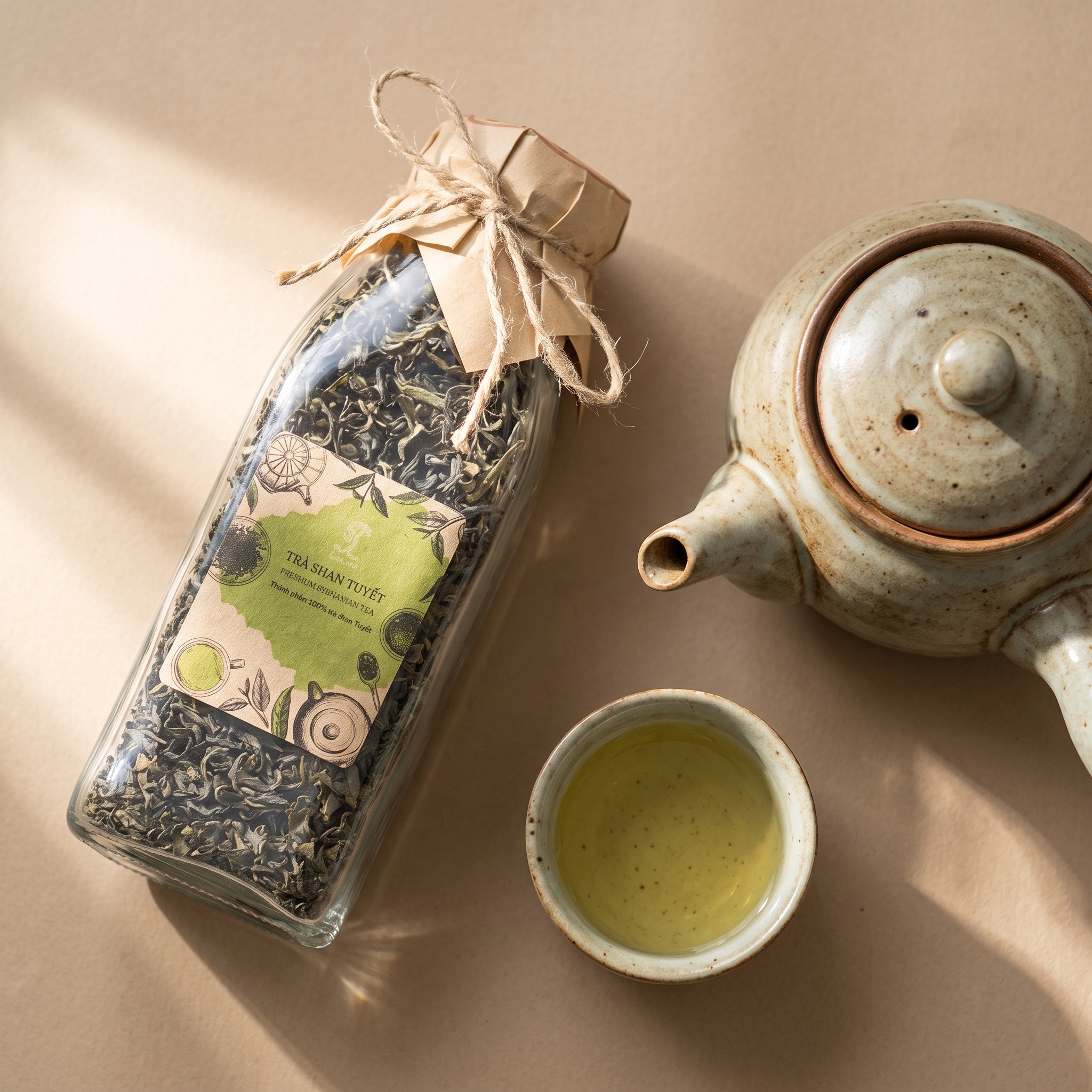
Ethnobotanical research identifies a key ecological turning point around 700 meters above sea level. Below this line, the climate is generally warmer and more humid, supporting a broad range of wild plants. Above it, cooler temperatures and longer growing seasons create a more selective environment. Only a smaller, hardier set of species can thrive in these conditions, leading to a more distinct and concentrated herbal profile.
The highland diversity engine
When you ascend further into regions like Sapa or Da Lat, which often sit well above 1,500 meters, you enter a landscape of multiple micro-climates. These highland zones act as a natural incubator for botanical variety. The combination of distinct temperature zones and altitude shifts allows for a complex palette of usable herbs. This is where you find specialized ingredients like pine needles and local varieties of ginseng, which require specific high-altitude conditions to develop their full aromatic potential.
The coastal focus
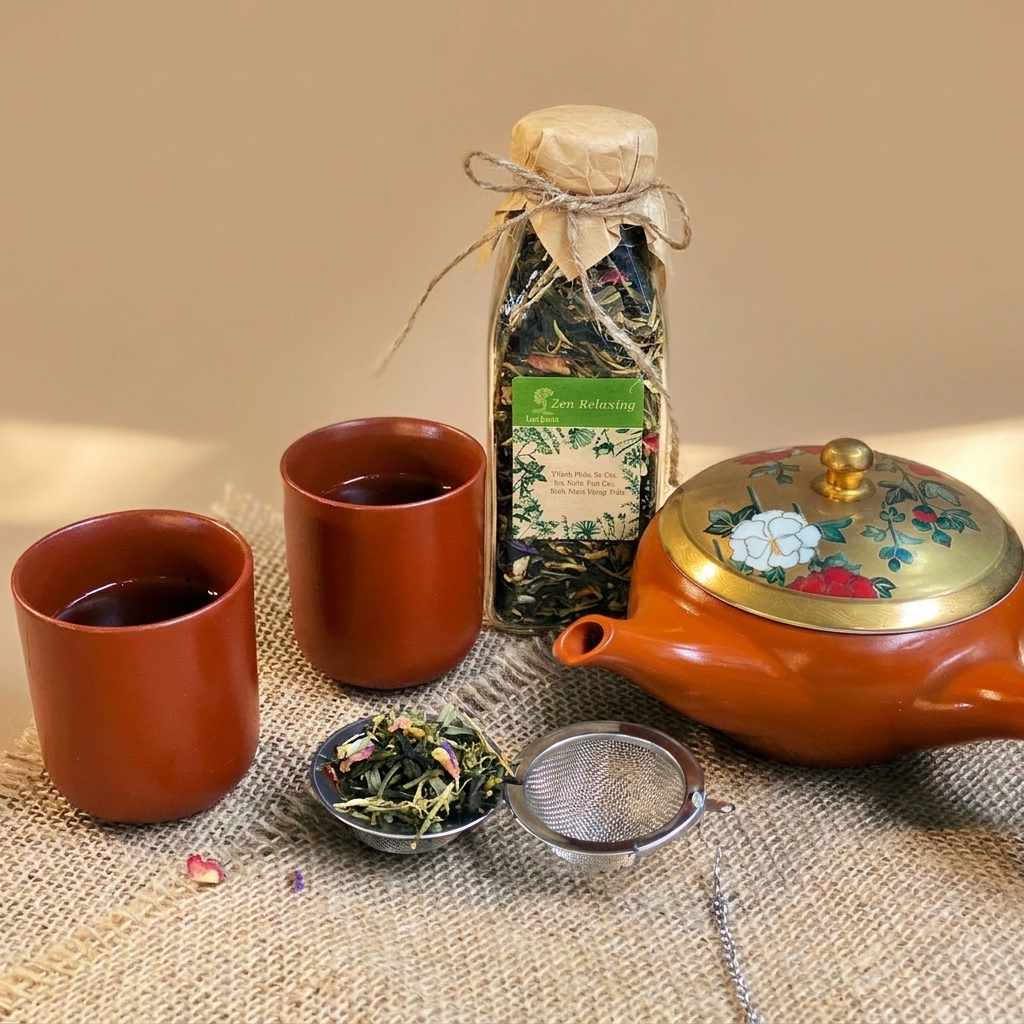
In contrast, the coastal areas of Nha Trang, sitting below 200 meters, offer a different kind of herbal landscape. The warmer, humid climate here supports a more focused set of local specialties. These plants are often easier to forage and cultivate in the sandy, well-drained soils found near the sea. While the total number of species might be smaller, the coastal selection is highly adapted to the local environment, providing a refreshing and light character to the blend.
A global ecological principle
This pattern of ecological zonation is not unique to Vietnam. Mountainous regions worldwide show a similar trend: high elevations tend to produce more intense, concentrated flavors from resilient species, while lower, coastal areas favor lighter, more refreshing profiles. Understanding this distinction helps explain why a Vietnamese herbal blend from the highlands feels so different from the coastal specialties of the central coast. It is a direct reflection of the land itself, where altitude dictates the available ingredients and, consequently, the final taste of the tea.
Which herbs are universal, and which define the coast?
While mint (Mentha) and thyme (Thymus) serve as the universal backbone of Vietnamese herbal blends, they do not tell the whole story. These species are resilient and adaptable, appearing in both highland and coastal preparations to support digestive wellness. They act as a bridge between different regions, but the true character of a tea comes from its local additions.
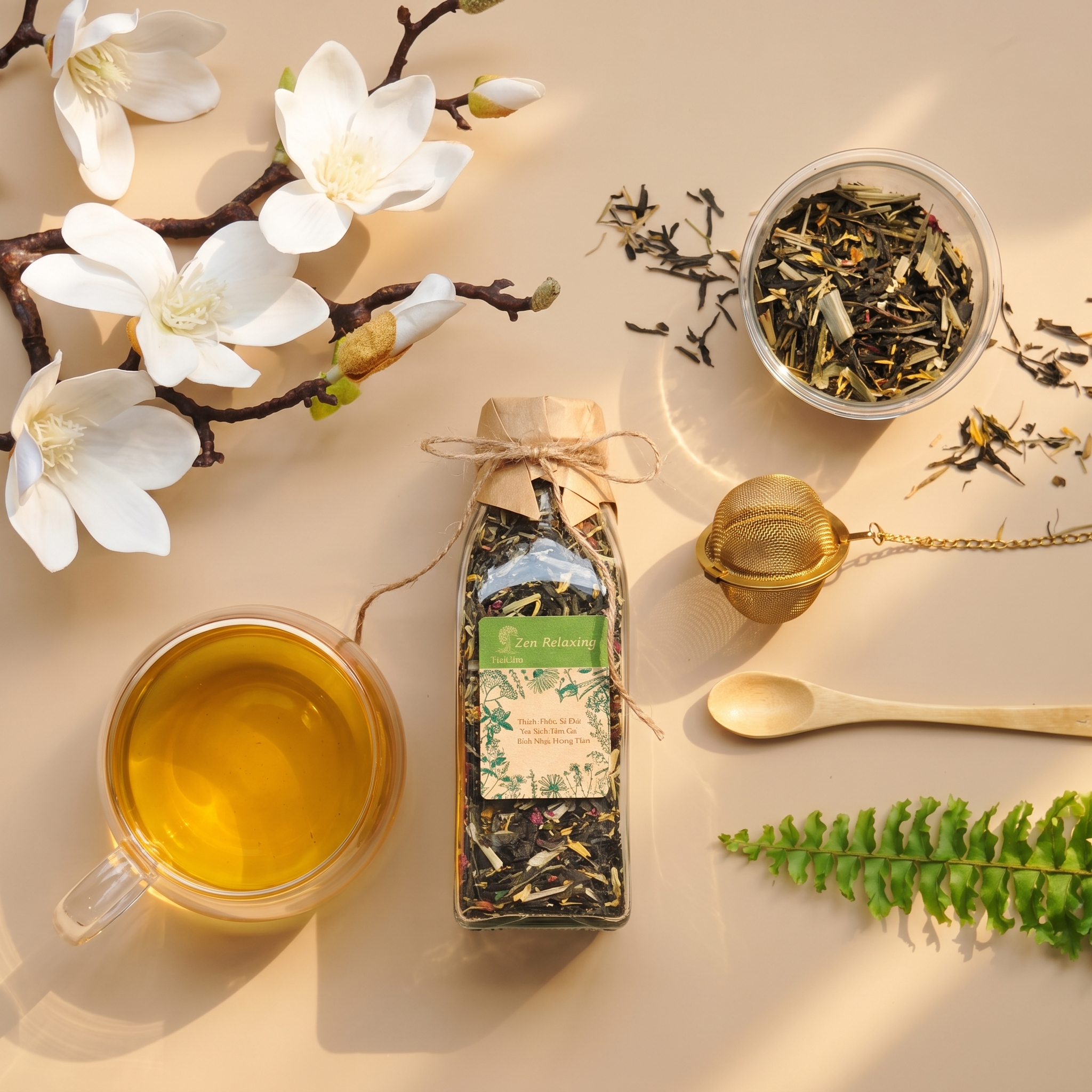
In the central coastal region, the environment dictates a distinct set of ingredients. The warm, humid air and sandy, well-drained soil near Nha Trang support plants that prefer these conditions. Lemongrass is a prime example, offering a bright, citrusy aroma that cuts through the heat. Coastal wildflowers, which thrive in these specific ecological niches, add delicate floral notes to the mix. These coastal specialties are inherently lighter and more refreshing than their mountain counterparts, making them ideal for a hot afternoon when a heavy, medicinal brew feels too intense.
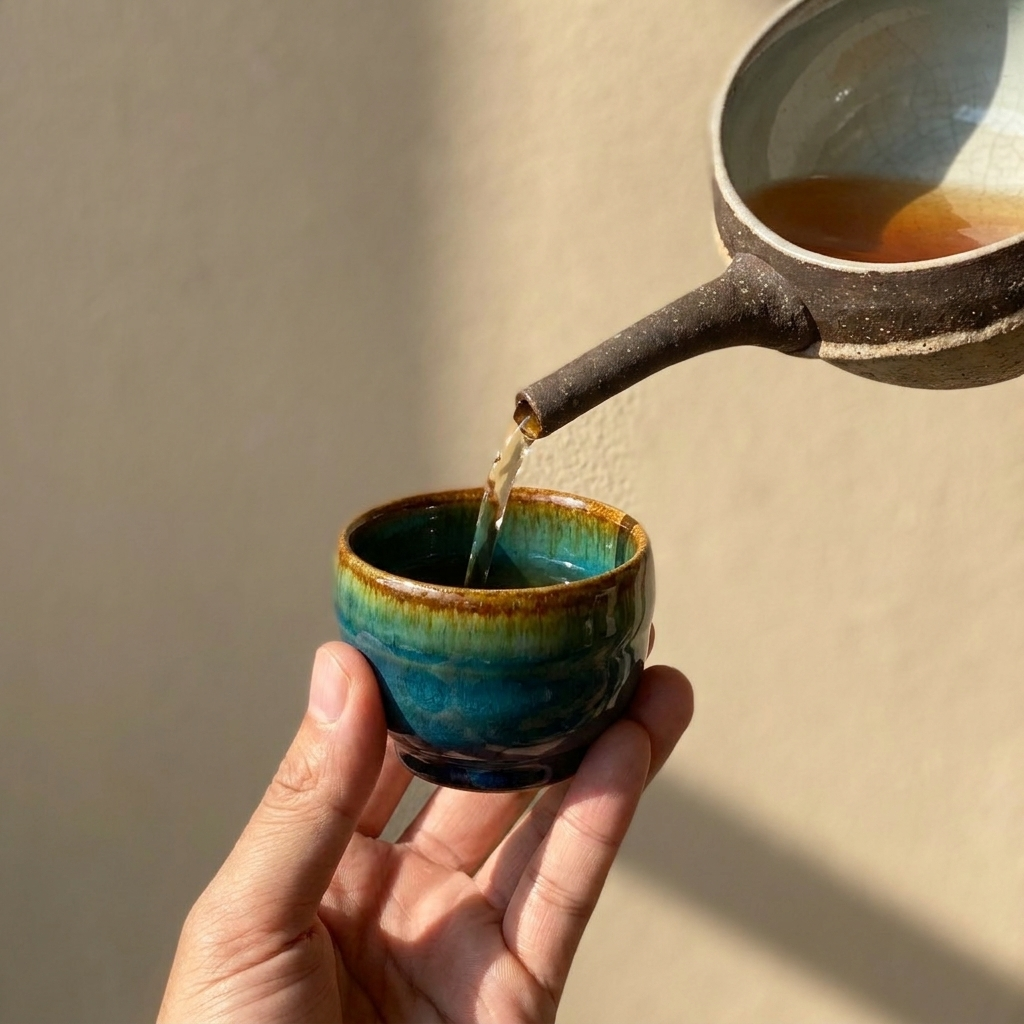
When you taste a blend, the difference is immediate. Highland teas often carry a deeper, earthier, or pine-scented profile, reflecting the cooler, higher-altitude environment. In contrast, a coastal blend feels fresh and green. The aroma is upfront and bright, rather than smoky or resinous. If you are looking for a gift that conveys a sense of relaxation and lightness, these fresh, aromatic qualities are the key indicators.
To identify these coastal traits when purchasing, look for descriptions that highlight brightness and citrus notes. While the universal herbs like mint remain a constant, the presence of these specific coastal elements transforms a standard herbal tea into a signature of the region. It is a subtle shift in flavor that reflects the unique ecosystem of the coast.
- Mint (Mentha): A universal adaptogen found in both highland and coastal blends for digestive support.
- Lemongrass: A coastal staple that thrives in humid, sandy soil, adding a bright citrus lift.
- Coastal Wildflowers: Delicate flora specific to the low-elevation, warm climate of the central coast.
- Flavor Profile: Coastal blends are generally lighter, fresher, and more aromatic than the earthy, dense highland options.
The social ritual of coastal tea in Nha Trang
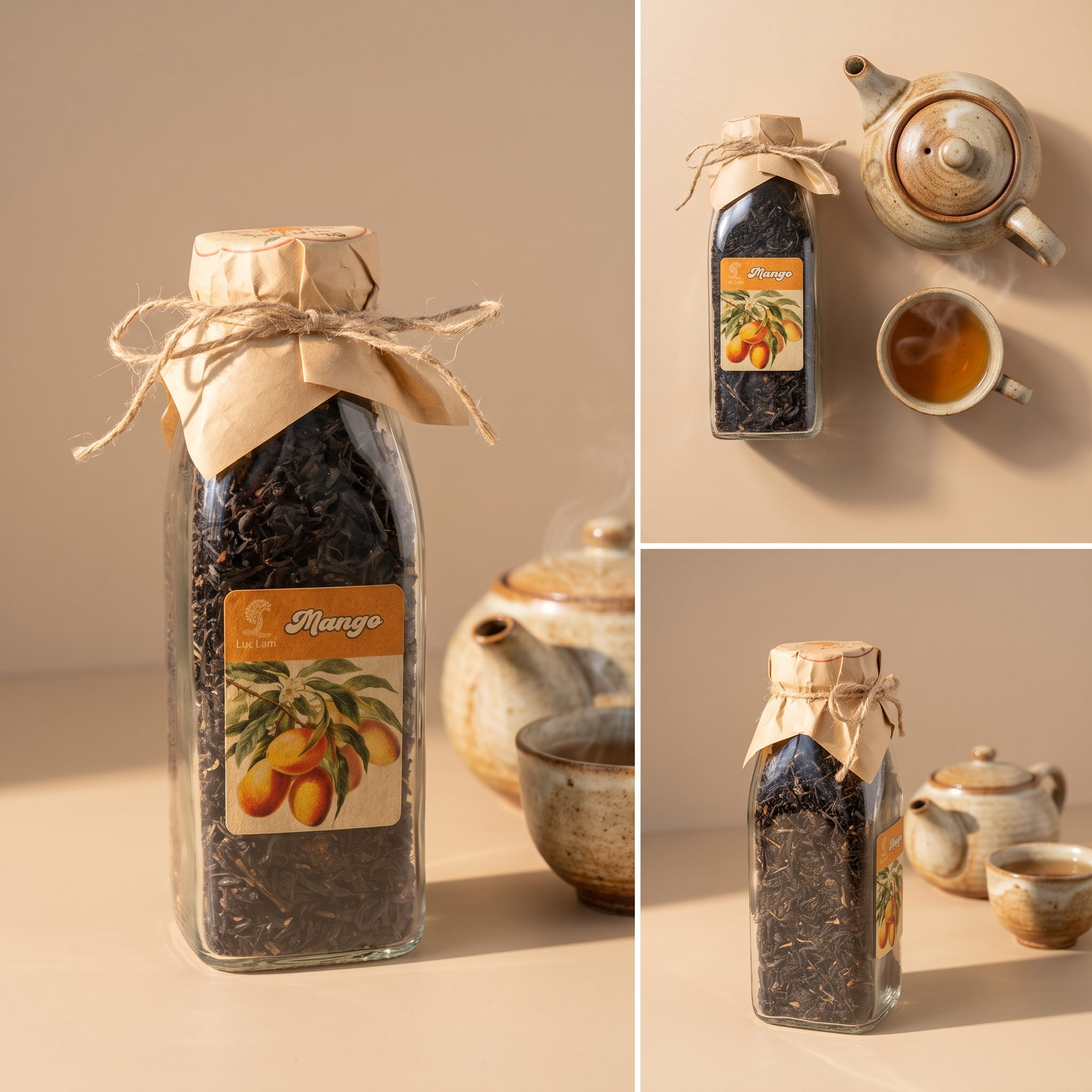
In the coastal communities of Nha Trang, drinking tea is rarely a solitary act. It is a shared pause, often taken during the hottest hours of the afternoon when the air feels thick and still. A pot of light, citrusy herbal infusion is placed in the center of a table, inviting family or friends to gather, cool down, and reconnect. This communal approach defines much of the local tea culture here, where the drink serves as a social lubricant rather than just a beverage.
The quiet contrast of the highlands
This social dynamic stands in sharp contrast to the highland traditions found in regions like Da Lat or Sapa. There, the ritual is often more meditative and solitary. Highland tea is frequently consumed with a specific intent, such as warming the body against the cold mountain air or addressing a particular medicinal need. The focus is inward, on the individual’s well-being, rather than outward, on the group.
While highland brews are denser and often smokier, aligning with their robust, medicinal nature, coastal specialties remain light and refreshing. The setting shifts from a solitary chair in a misty village to a lively, shared table in a coastal garden, reflecting the different climatic and social pressures of each region.
Matching the gift to the recipient
When choosing a gift, this cultural distinction becomes practical. A recipient who values a light, social, and refreshing experience will appreciate the communal spirit of a coastal blend. If your friend or colleague enjoys unwinding in good company, a tea that encourages conversation and relaxation is a fitting choice.
Conversely, if the recipient is seeking a deeper, more contemplative wellness ritual, a highland tea might be more appropriate. For travelers looking for an easy-to-choose option that facilitates a moment of shared relaxation, the social aspect of coastal tea culture makes it a particularly natural fit. It offers a simple, shared experience that bridges the gap between the giver’s travel and the recipient’s daily routine.
Protecting coastal traditions from urbanization
As coastal towns in Vietnam expand, the quiet practice of foraging wild plants for tea faces a tangible threat. Research into similar transition zones, such as those in the Western Balkans, shows that urbanization and modern market-driven consumption significantly disrupt traditional wild plant tea practices. When land is paved over or populations migrate, the specific knowledge of which herbs to gather and how to prepare them often disappears alongside the landscape.
The loss of this local tea culture is not just ecological; it is social. Intergenerational transfer of herbal knowledge relies on communities remaining rooted in their land. As rural populations move to cities, the chain of instruction breaks. Younger generations lose access to the specific coastal specialties that thrive in the warm, humid climate of the central coast, including the unique blends found in the Nha Trang region. This shift means that the distinct flavor profiles and wellness applications tied to the sea breeze and sandy soils risk becoming forgotten footnotes in history.
Choosing a refined, locally-sourced herbal tea is a practical way to support this preservation. When you purchase these Vietnamese herbal blends, you help sustain the livelihoods of the artisans who still harvest and process these plants by hand. Their continued work ensures that the traditional methods of drying and blending are passed on, keeping the cultural value of wild plant teas alive. This economic support also helps protect the ecological biodiversity of the coastal region, as it creates an incentive to maintain the natural habitats where these specific herbs grow.
A gift presented in refined packaging does more than just convey taste; it validates the importance of the tradition itself. By sharing a curated collection from Nha Trang, you help ensure that these local practices remain relevant in a modernizing world, allowing the next generation to learn from a living tradition rather than a historical one.
Frequently asked questions about coastal and highland tea
What is the main difference between the two styles?
The primary distinction lies in altitude and the resulting climate, which dictates which herbs can thrive. Coastal teas, found in areas like Nha Trang, are generally lighter and more refreshing due to the warm, humid environment. In contrast, highland teas from regions like Da Lat or Sapa tend to be denser and more medicinal, reflecting the cooler, thinner air of the mountains. This ecological zonation means that while both are Vietnamese herbal blends, their flavor profiles and intended benefits differ significantly.
Can I find highland teas in Nha Trang?
You can find some highland teas in coastal shops, but they are not the local focus. The specialty in Nha Trang is the coastal herbal blend, featuring herbs like lemongrass that grow in the sandy, well-drained soil of the coast. If you are specifically looking for a tea sourced from Sapa or Da Lat, you would need to seek out products explicitly labeled as highland. Otherwise, expect the default offering to be the lighter, citrusy coastal variety that defines the region’s local tea culture.
How should I store a coastal herbal tea gift?
To preserve the fresh, green aroma of a Nha Trang herbal tea, keep it in a cool, dry place away from direct sunlight. Sunlight can degrade the delicate volatile oils in herbs like lemongrass and mint, leading to a dull, stale taste. Use a sealed container with a tight-fitting lid to prevent the tea from absorbing strong odors from its surroundings. This simple step ensures the tea retains its vibrant, refreshing character from the moment you buy it until your recipient brews it.
Is a coastal tea suitable for a boss or business partner?
Yes, a coastal tea is an excellent gift for a professional recipient, provided you frame it correctly. It is a thoughtful, non-overwhelming gift that demonstrates an appreciation for local culture without being too intense or personal. When presenting it, include a note highlighting its light, social, and refreshing nature. This positions the tea as a moment of relaxation rather than a heavy ritual, making it a versatile and elegant choice for colleagues or business partners who value a lighter approach to wellness.
The difference between a light, citrusy coastal infusion and a dense, smoky highland brew is rooted in altitude and ecology. Choosing a Nha Trang herbal tea gift allows you to share a specific slice of Vietnam’s diverse landscape and social culture, capturing the relaxed, communal spirit of the coast. If you are looking for a refined way to share this coastal tradition, our team in Nha Trang is happy to help you match the gift to your recipient’s taste.