On This Page· 5
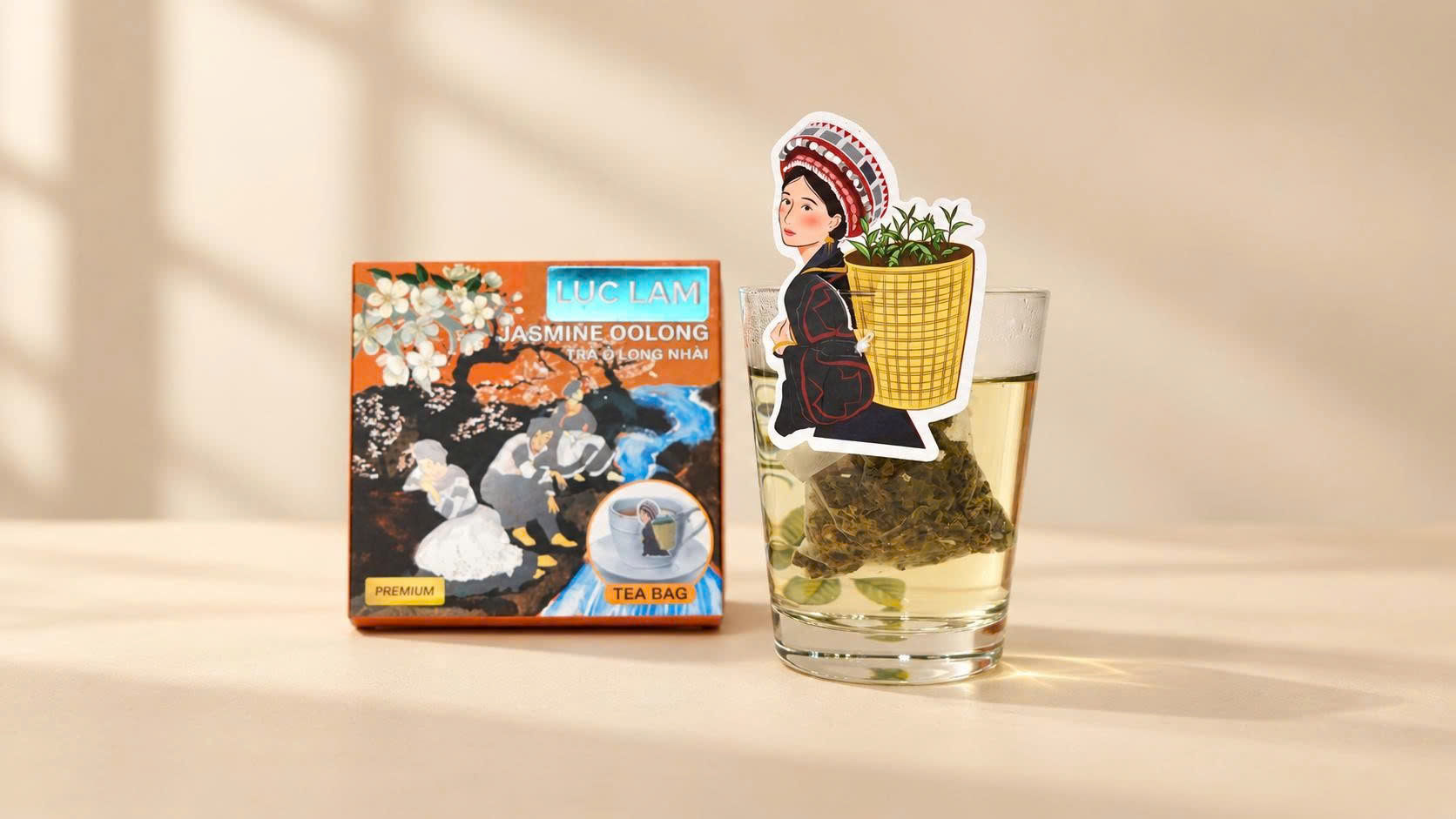
You are holding four different boxes of green tea in a crowded market in Ho Chi Minh City. Each package features the word “organic” in a bold, elegant font, yet none of them clearly indicates whether the herbs were grown without synthetic pesticides or if the term is simply a marketing tactic. This confusion is common among travelers seeking high-quality Vietnamese gifts, as the word is often used loosely to suggest naturalness rather than legal compliance. Without the right documentation, a label claiming to be herbal says very little about the actual safety standards or farming practices behind the product.
The core issue is distinguishing between a marketing adjective and a verified agricultural status. A genuine, certified organic tea must meet specific regulatory thresholds and be overseen by an authorized third-party agent. This guide walks through exactly what to look for to identify authentic organic tea. You will learn how to read the specific percentage claims on the box and verify the presence of required certificates. By focusing on these concrete details, you can move past vague labeling and confidently select a gift that aligns with your standards for quality and transparency.
The 4 Labels: Decoding Organic Claims on Vietnamese Tea
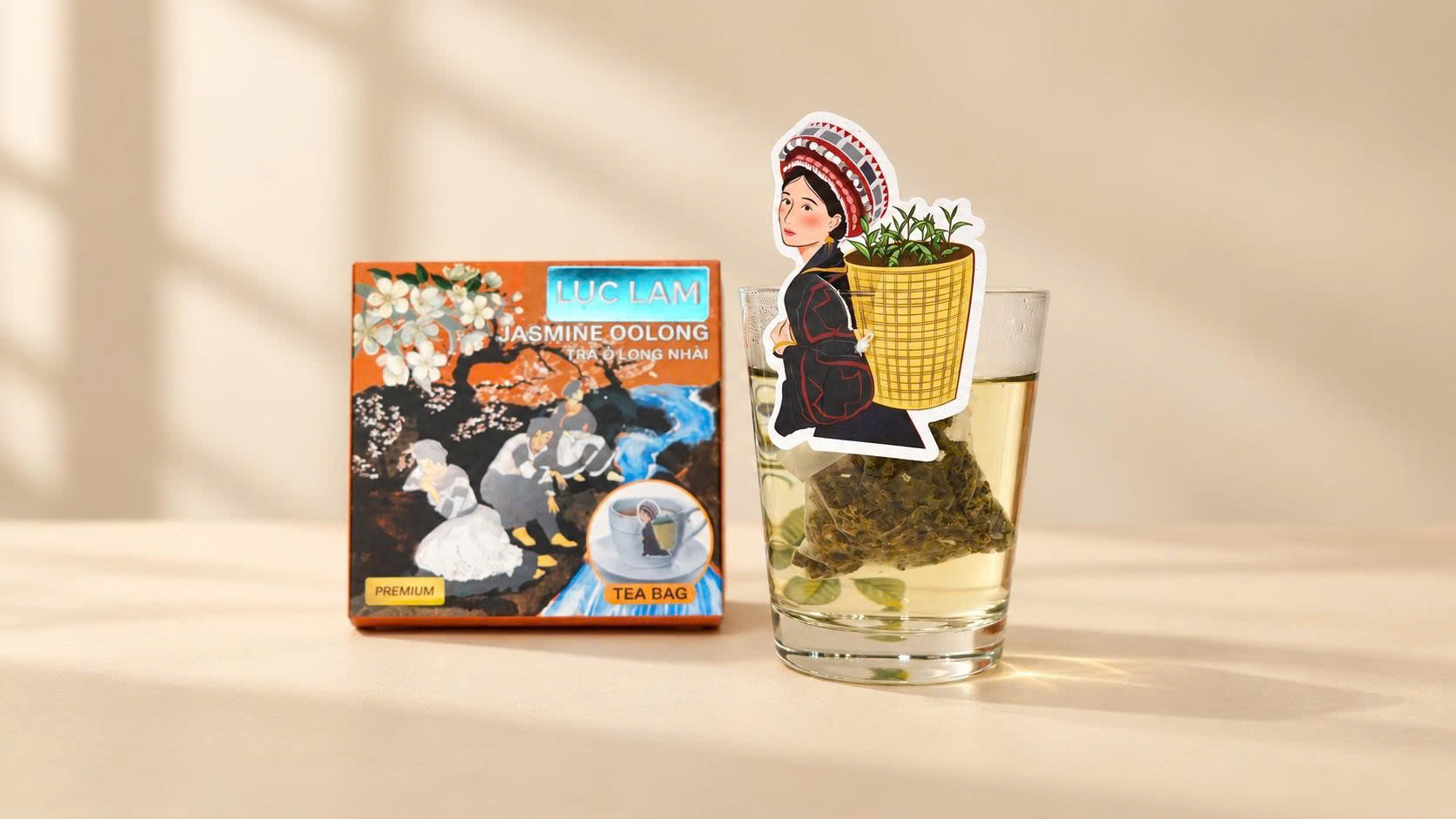
When you pick up a box of organic Vietnamese tea, the label is your first line of defense against vague marketing. The USDA does not treat “organic” as a single, uniform term. Instead, it creates a tiered system that dictates exactly how much of the product must be grown without synthetic pesticides or fertilizers. Understanding these four distinct categories is the key to distinguishing between genuinely certified herbal tea and products that simply use the word for flavor.
The classification depends entirely on the percentage of organic ingredients in the final package, with salt and water excluded from these calculations. This structure ensures that the claim on the front of the box reflects the actual farming practices behind the herbs and leaves.
The Hierarchy of Organic Percentages
The highest tier is the 100% Organic label. This designation is reserved for products where every single ingredient is certified organic. There is no room for compromise in this category. If you see this label, you know the entire supply chain, from the soil to the sealed tea bag, has been verified as organic.
The next tier is simply labeled Organic. This covers products where at least 95% of the ingredients are organic. The remaining 5% can include non-agricultural substances or agricultural products listed on the USDA National List, typically only if an organic alternative isn’t commercially available. For most travelers, this is the standard benchmark for high-quality, authentic organic tea.
Then comes the Made with Organic category. A product must contain at least 70% organically produced ingredients to use this phrasing. You will notice that the label can only list up to three specific organic ingredients (like “Made with Organic Jasmine”). This category signals a high concentration of organic herbs, but it lacks the comprehensive coverage of the previous two tiers.
Finally, products with less than 70% organic content fall into the Specific Ingredient Listings category. These packages cannot use the word “organic” on the front display. You will only find references to organic ingredients in the fine print of the ingredient statement on the back. This is often where the confusion arises for shoppers in tourist-heavy areas like Da Nang or Ho Chi Minh City.
Seal Visibility and Legal Constraints
A critical visual cue is the USDA organic seal. It is not a decorative element; it is a regulated trademark that only specific categories are permitted to display. Only products in the 100% Organic and Organic categories are legally allowed to use this seal on the principal display panel. If you are looking for the strongest assurance of quality in your certified herbal tea, the presence of this seal is a primary indicator.
The Made with Organic category is strictly prohibited from using the USDA seal. Similarly, products below the 70% threshold cannot display the seal at all. This distinction matters because it prevents a product that is only partially organic from being marketed as fully certified.
For any Vietnamese herbal tea brand to legally use the term “organic” on the front of the package, it must fit cleanly into one of these four USDA-defined categories. The term is not a stylistic choice for a brand to apply freely. It is a regulatory status that requires verification. If a label claims to be organic but lacks the specific percentage breakdown or the required seal, it is likely operating outside of these legal guidelines. Knowing these boundaries helps you navigate the shelves with confidence, ensuring that the gift you bring home represents a verified standard of agricultural practice rather than a loose interpretation of the word.
What ‘Certified’ Actually Means: Farm to Label
The word “certified” on a tea box is a regulatory status, not a marketing claim. It signals that a third-party entity has verified the product against federal standards. For organic Vietnamese tea, this verification is not optional; it is the legal basis for using the term “organic” on the package. Without this status, a brand can describe its ingredients but cannot legally market the final product as an organic item in the United States.
The Role of the Certifying Agent
Oversight for organic products falls to agents accredited by the USDA’s National Organic Program (NOP). These agents are the gatekeepers between the farm and the shelf. Their job is to ensure that the agricultural practices used align with federal regulations, which focus on fostering resource cycling, promoting ecological balance, and maintaining soil and water quality.
A USDA-accredited certifying agent does more than just look at a finished box of tea. They conduct a thorough review of the entire operation. This includes inspecting the farm where the herbs or leaves were grown and auditing the facility where the tea was processed and packaged. The agent must approve the final product label before it can enter the marketplace. This approval confirms that the label accurately reflects the organic content of the product and that no prohibited claims are being made.
Prohibited Methods in Production
To earn this status, production must strictly avoid specific methods that are considered incompatible with organic farming. The most prominent of these are:
- Genetic Engineering: The use of biotechnology or genetic modification is not allowed.
- Ionizing Radiation: This method, often used for pest control or preservation, is prohibited.
- Sewage Sludge: The application of waste byproducts from sewage treatment to fields as fertilizer is banned.
These prohibitions are not suggestions; they are hard rules. If a tea is produced using any of these methods, it cannot be labeled as organic, regardless of how naturally the other ingredients were sourced.
The Supply Chain Guarantee
This oversight creates a clear line of accountability. For a traveler looking for an authentic organic tea, this means that the standards are applied consistently from the source to the sale. The certifying agent verifies that the herbs were grown without prohibited substances and that they were handled in a way that prevents contamination.
This process ensures that the entire supply chain, from the herb farm to the tea box in your hand, meets strict agricultural standards. It is this comprehensive review that transforms a simple label into a verifiable promise. When you see the certifier’s name on a package of certified herbal tea, you are looking at a record of that third-party verification. It is the difference between a vague claim and a documented fact, providing a reliable way to distinguish genuine organic products from those that use the term loosely.
The Recordkeeping Mandate and the $5,000 Exemption
Behind every authentic organic tea certificate lies a paper trail. To prove compliance, operations must maintain detailed production records for at least three years. These documents track everything from seed sourcing to harvest dates and input applications. They serve as the primary evidence during inspections, ensuring that the farming methods align with federal standards. Without this rigorous recordkeeping, a claim of organic status cannot be substantiated, regardless of the brand’s marketing efforts.
The Small-Farm Exemption Threshold
A common point of confusion arises with the $5,000 exemption. Producers who sell less than $5,000 annually in organic products are exempt from the formal certification process. This provision is designed to lower the administrative burden on very small farms. However, being exempt from certification does not mean being exempt from standards. These small producers must still comply with all organic production and handling requirements, including the three-year recordkeeping mandate. They are simply not required to undergo the full inspection and certification procedure by a USDA NOP-authorized agent.
Limitations of the Exemption Status
While the exemption reduces paperwork, it imposes strict limitations on how these products can be marketed. Producers operating under this threshold cannot display the USDA organic seal on their packaging. Furthermore, their products cannot be used as organic ingredients by other companies in processed goods. For example, if a small farmer supplies herbs to a larger manufacturer, those herbs cannot be listed as certified organic ingredients in the final product. The exemption allows the farmer to sell direct-to-consumer products, but it removes the ability to participate in the broader certified supply chain.
Verification Tip for Travelers
When you are evaluating organic Vietnamese tea for a gift, look closely at the label. If a small farm claims its product is “100% organic” but cannot produce a certificate from an authorized agent, they are likely operating under the $5,000 exemption. In this scenario, they cannot legally use the term “100% organic” on the principal display panel. A genuine certified product will always list the name of the USDA-accredited certifying agent. If the seal is missing and no certifier is named, the label is likely making a non-compliant claim. Prioritizing brands that transparently display their certification details ensures you are selecting a product that has undergone full third-party oversight. This distinction matters when choosing authentic organic tea for a meaningful present, as it confirms the integrity of the production process from the field to the box.
Your Verification Toolkit: What to Ask Your Seller
When you stand in a tea shop in Ho Chi Minh City or Da Nang, the most useful question you can ask is not about the taste or the origin, but about the paperwork. Specifically, ask the seller: “What is the name of the USDA-accredited certifying agent that approved this product?” This is the single most effective way to distinguish a genuine certified herbal tea from a product that simply uses attractive marketing language. A verified brand will answer this question without hesitation, providing the specific name of the third-party agency that oversaw the production process. If the seller hesitates, offers a vague response, or tries to steer the conversation back to the flavor, it is a strong signal that the product may lack proper certification.
Reading the Label for Proof
If the box displays the USDA organic seal, the label must contain two specific elements to be valid. First, the seal itself must be clearly visible on the principal display panel. Second, the name of the certifying agent must be printed on the package, usually in small print on the side or back. If you see the green and white seal but cannot find the certifier’s name anywhere on the box, the labeling is non-compliant. This combination acts as a legal anchor, linking the physical product to the regulatory record that proves it meets organic tea certificates standards. Think of the certifier’s name as the signature on a check; without it, the check is just paper.
The Danger of Vague Claims
Be cautious with products that use the word “organic” without the seal or a named certifier. This often indicates one of two situations. The product might fall into the “Made with Organic Ingredients” category, which requires only 70 percent organic content and does not permit the use of the USDA seal. In this case, the label should say “Made with Organic [Ingredient Name],” not just “Organic.” Alternatively, it could be a non-compliant claim, where the brand is using the term loosely to suggest a natural quality that hasn’t been verified by any authority. Neither situation offers the same level of assurance as a fully certified product. For anyone looking for authentic organic tea, these subtle labeling differences are critical. A product that cannot clearly state its percentage of organic ingredients or its certifying body is not meeting the standard you are seeking for a gift.
Why Transparency Matters for Gifting
When selecting a premium Vietnamese herbal tea for a business partner or a close family member, the story behind the gift matters as much as the taste. A brand that provides full transparency about its certification status shows a commitment to quality that resonates with thoughtful givers. It signals that the company values integrity and is willing to stand behind its claims with verifiable documents. For a traveler, this makes the selection process easier and the gift more meaningful. You are not just handing over a box of tea; you are sharing a verified, refined experience that respects the recipient’s health and your own standards. Choosing a transparent brand ensures that your gift of organic Vietnamese tea is both reliable and reflective of your care for the people who matter to you.
Frequently Asked Questions About Vietnamese Tea Certificates
Clarifying ‘Organic’ on Ingredient Lists
A common point of confusion is seeing the word “organic” listed within the ingredients. If a package of organic Vietnamese tea states that certain components are organic, it does not mean the entire blend is certified. In that specific case, only the listed ingredients have met the necessary standards, while the rest of the product may contain non-organic elements. This is typical for items that fall below the 70% organic threshold, where the brand is legally restricted to identifying specific organic parts on the information panel rather than making a broad claim on the front.
The Role of the USDA Seal
Many shoppers assume the green and white USDA organic seal appears on every certified product. However, this mark is only required for items classified as “100% Organic” or “Organic.” If you are purchasing a certified herbal tea that falls into these categories, the seal must be prominent. Crucially, the presence of the seal is not the only requirement; the package must also clearly display the name of the USDA-accredited certifying agent that reviewed and approved the product. Without this accompanying name, the certification status is incomplete.
Understanding the National List
The National List is a regulatory document maintained by the USDA. It contains a specific set of non-organic substances that are permitted for use in organic production. A substance from this list can only be used if a commercial organic alternative is not available. For products labeled simply as “Organic,” which require a minimum of 95% organic ingredients, any non-organic components must come from this list. This distinction ensures that even when a small percentage of non-organic materials is present, the overall product maintains its ecological and agricultural integrity.
Verifying Authenticity at a Glance
To ensure your purchase of authentic organic tea is legitimate, look for a specific combination of three elements on the package. First, check for the official USDA organic seal if the product claims to be “Organic” or “100% Organic.” Second, verify the specific organic claim, such as the percentage stated on the front. Third, and most importantly, confirm that the name of the certifying agent is printed on the label. This trio of identifiers provides a clear, visual confirmation that the product has undergone the necessary third-party oversight, giving you confidence in the quality of your gift.
The word “certified” on a tea label is a legal status, not a marketing descriptor. It signifies that the entire supply chain, from the herb farm to the final box, has been audited by a USDA NOP-authorized agent and that production records are maintained to prove compliance. When you look at a package of organic Vietnamese tea, you are not just reading a flavor profile; you are reviewing the output of a rigorous regulatory process that prohibits genetic engineering and ionizing radiation.
Before placing that box in your hands, run a quick verification checklist. First, look for the official USDA organic seal, which is only permitted for products meeting the 95% or 100% organic thresholds. Second, identify the specific percentage claim printed near the seal. Finally, and most importantly, check for the name of the third-party certifying agent. If a brand uses the word “organic” without a seal or an agent’s name, it likely falls under the looser “Made with Organic” category or is making a non-compliant claim.
Seeking out certified herbal tea with this level of transparency ensures you are bringing home a product whose quality is verified, not just promised. Choosing a brand that openly displays its organic tea certificates turns a simple shopping trip into a confident decision. It offers your family, friends, or business partners a refined, reliable gift that carries the true story of its origin. When you prioritize this level of clarity, you ensure that the flavors of Vietnam you share are authentic, safe, and as thoughtful as the occasion itself. If you are looking for verified options in Ho Chi Minh City or Da Nang, we are happy to help you find a gift that fits your standards.