On This Page· 6
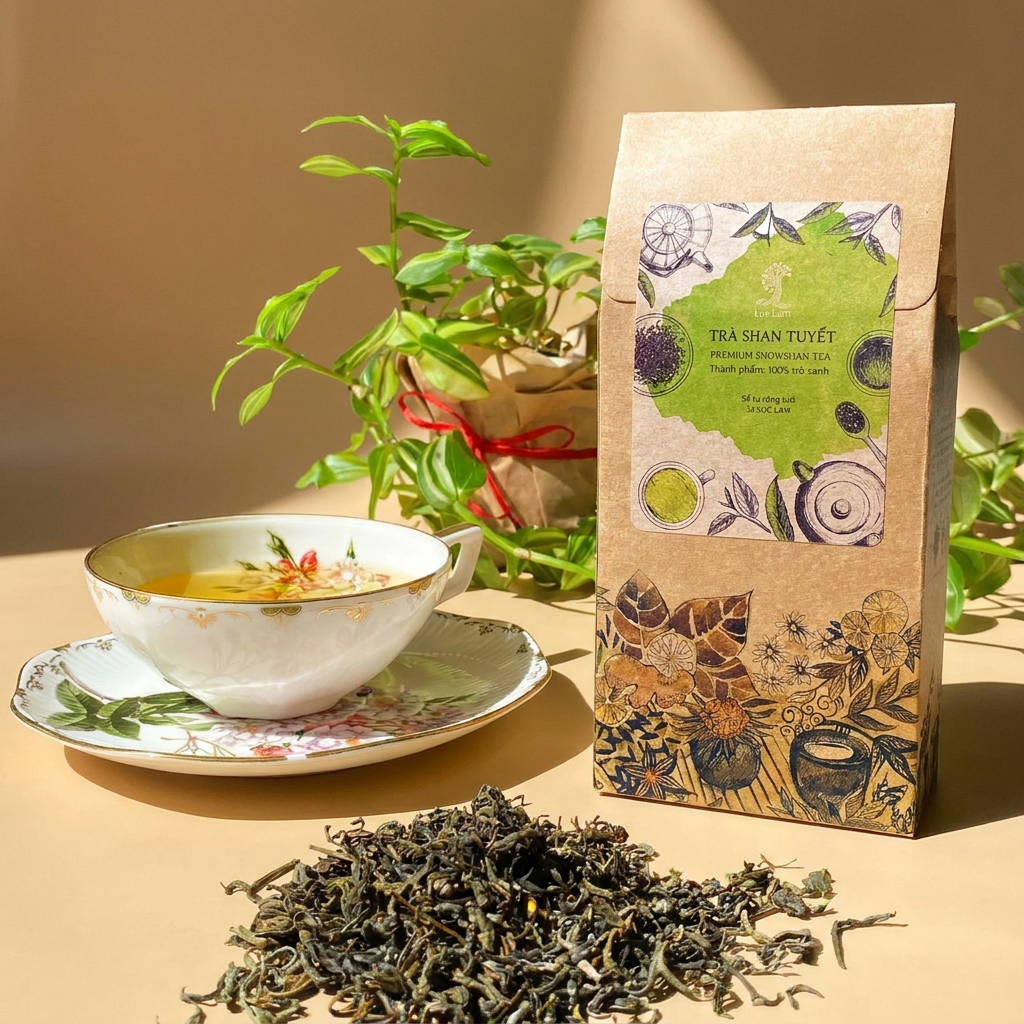
You are standing in a bustling market in Da Nang, holding a beautifully wrapped box of flower tea. The label catches your eye: the word “organic” is printed in elegant, small type. It looks premium and trustworthy. But a quiet question forms in your mind: is that claim real, or is it just part of the packaging design?
When buying organic Vietnamese tea, it is easy to trust the aesthetic. Refined boxes and smooth descriptions feel like proof. Yet, a label is not a certificate. It is a claim that needs verification. What does that single word actually prove about the ingredients inside? Does it mean the herbs were grown without synthetic pesticides? Or does it simply mean the manufacturer likes the sound of the term?
This distinction matters. You are not just buying a souvenir; you are choosing a gift for someone you care about. Whether it is for a parent, a colleague, or a business partner, you want to be confident in what you are giving.
The core issue is that “organic” is a specific status, not a generic adjective. It requires independent verification. In this guide, we will look past the surface design to help you check the actual evidence. We will cover how to read the label, where to find the certification number, and how to confirm that a Vietnamese tea brand holds a valid, active certificate. By the end, you will know exactly what to look for to ensure your gift is as genuine as it looks.
What “Organic” Actually Means on a Vietnamese Tea Label
The word “organic” on a tea box is often treated as a promise, but legally it is a specific claim with measurable boundaries. When you hold a box of organic Vietnamese tea in Ho Chi Minh City or Da Nang, that single word on the label represents one of two distinct legal categories, not a general description of how the tea was grown. Understanding this distinction is the first step in verifying whether the product in your hands meets the standards you expect.
The Legal Line Between Two Labels
International standards draw a hard line between two common phrases: 100% organic and made with organic ingredients. A product bearing the 100% organic label means that every ingredient in the tea—down to any flavoring agents or additives—has been certified as organic. There is no room for conventional ingredients in this category.
In contrast, a package labeled made with organic ingredients follows a different rule. According to international regulations, this designation requires that at least 70% of the product’s ingredients, by weight, are certified organic. The remaining portion can consist of non-organic materials, though they must still comply with general food safety standards. This difference is significant. A buyer might assume any product with the word “organic” on the front is entirely free of conventional inputs, but the 70% threshold tells us that a small portion of the contents may not meet the same standard.
Why “Natural” Does Not Equal Organic
It is easy to confuse “organic” with other popular terms like natural or eco-friendly. However, these words are not regulated in the same way. A tea can be labeled “natural” if its ingredients are minimally processed, but that does not mean the leaves were grown without synthetic pesticides or on certified organic land. Similarly, “eco-friendly” is a marketing phrase that refers to the brand’s environmental values, not the agricultural methods used for the leaves. Neither term carries the weight of organic tea certification.
If a label lacks a specific certification mark but claims to be “natural,” you cannot verify the origin of the ingredients through any official channel. These terms are unreliable for verification because they do not require third-party inspection or a documented audit trail of the production process.
Defining a Certified Product
So, what is a certified product in practice? A certified herbal tea is a product whose ingredients and entire production process are independently verified by a recognized third-party agency to meet specific agricultural and processing standards. This verification is not self-declared; an external body inspects the farm, checks for chemical residues, and reviews the supply chain before granting the label. This is the core of organic tea certification: a product’s organic status is a documented, audited fact, not a general description. When you look for a trusted source, this independent verification is the key factor that separates a verified product from a general claim.
The 4-Point Check: Reading a Certified Herbal Tea Label
Point 1: Verify the Official Certification Logo
The first step in validating any certified herbal tea is to look beyond the word “organic” and find the official certification logo. A printed word is a claim; a logo is a certification. In the context of organic Vietnamese tea, you might encounter several distinct marks depending on where the tea was certified or where it is sold. For instance, the USDA Organic seal for the United States features a green and white circular design, while the EU Organic logo displays a green leaf composed of stars. In Vietnam, the VNAS (Vietnam National Accreditation Body) mark is a key indicator of locally verified compliance.
If a package only says “organic” in bold font but lacks a recognized symbol, treat the claim with caution. The visual presence of a specific, standardized logo indicates that a third-party agency has audited the production process against legal standards.
Point 2: Check the Certification Number
Once you identify the logo, look for the certification number printed nearby. This alphanumeric code is unique to the specific batch or facility that produced the tea. Its purpose is to allow you to cross-reference the label against public organic registries. By entering this number into the relevant database, you can confirm whether the certificate is currently active and valid.
This is a critical step because organic certification is not a permanent status. It requires regular renewal and ongoing compliance. A certification number that cannot be found in a public registry, or one that is listed as expired, suggests that the product may no longer meet the required organic tea certification standards.
Point 3: Identify the Certifying Agency and Ingredient Breakdown
The label must also clearly state the name of the certifying agency that issued the certificate. This transparency is a hallmark of a legitimate product. Furthermore, examine the ingredient list carefully. Legitimate organic products provide transparent information, including which specific components are organic.
If a tea blend contains multiple herbs, the label should specify which parts are certified. If the agency name is vague or missing, or if the ingredient list does not distinguish between organic and non-organic components, the claim lacks the necessary traceability. This level of detail ensures that you are buying a product whose entire supply chain has been independently verified.
Point 4: Ensure Traceability of Producer and Origin
Finally, a trustworthy label provides specific traceability information. Look for the producer’s name and the farm of origin. These details prove that the tea comes from a specific, accountable source rather than a generic, unverified supplier.
Labels that omit the producer name or farm origin are often signs of a generic claim rather than a certified product. When you can trace the tea back to a specific farm and a known brand, you gain confidence that the organic Vietnamese tea you are purchasing has been handled with the same level of care and scrutiny from the field to the final package.
Cross-Referencing Vietnamese Tea Brands in Public Registries
Verifying an organic claim does not end at the label; it continues in public databases. Most major certification bodies maintain searchable online registries that list active operations and their current status. These tools allow any traveler to confirm that the brand on their box actually holds a valid organic tea certification, turning a marketing statement into a verifiable fact.
How to Search the Databases
The most direct approach is to use the specific agency mentioned on your package. For brands certified under the US system, the USDA Organic Integrity Database is a free, publicly accessible tool. You can search for the producer’s name, the certifying agent’s name, or the specific certificate number printed on the tea box. If a Vietnamese tea brand has been certified for export to the US, its details should appear here.
For brands certified in other regions, look for the national equivalent. The European Union maintains public lists for its organic scheme, and many other countries operate similar transparency portals. The key is to use the certification number as your primary search term. While searching for a brand name can sometimes yield multiple results or similar names, the certificate number is unique to that specific business and product line, making it the most precise way to confirm a certified herbal tea’s validity.
Why the Registry Is a Living Document
It is important to understand that organic status is not a permanent title. Certification agencies require annual inspections and renewals to ensure ongoing compliance with agricultural and processing standards. Because of this, a brand’s entry in a public registry is a living document. If a company fails to renew its certification or changes its production methods in a way that no longer meets organic requirements, its status will be updated or removed from the database.
This means the registry reflects the current compliance of Vietnamese tea brands, not just their history. A brand that was certified five years ago but has not maintained that status will not appear as active in the registry. By checking these databases, you ensure that the organic Vietnamese tea you are buying has been recently inspected and currently meets the rigorous standards implied by the label. This simple cross-reference step provides the peace of mind that comes with knowing exactly what is in your cup.
Frequently Asked Questions About Organic Vietnamese Tea
Even after learning how to read a label, small details can still cause confusion. Here are the most common questions travelers ask when checking the authenticity of their herbal tea purchase in Vietnam.
Is “natural” the same as “organic”?
No. These two terms are often confused, but they have very different meanings in the tea industry. “Natural” is a general descriptor that typically refers to ingredients processed with minimal additives or preservatives. It does not guarantee that the leaves were grown organically, nor does it mean the brand holds any third-party certification. In contrast, “organic” is a regulated term that requires independent verification of farming and processing practices. A label saying “natural” should not be treated as evidence of organic status. If you are looking for certified herbal tea, always look for specific certification marks rather than relying on vague adjectives like “natural” or “eco-friendly.” These terms are not legally defined in the same way as organic claims and cannot be verified through public registries.
How do I verify a brand’s organic certificate?
The most reliable way to confirm a brand’s claim is to use the certification number printed on the packaging. Every legitimate organic product displays this number, which serves as a unique identifier for the producer or processor. You can use this number to search the public registry of the certifying agency, such as the USDA Organic Integrity Database or the equivalent national body in Vietnam. If the brand is not listed in the registry, or if the number does not return a valid result, the claim is likely unverified. This step is quick and removes guesswork. For many Vietnamese tea brands, the certification status is a living document that requires annual renewal and inspection. Checking the registry confirms that the brand is currently in compliance, not just that it was certified in the past. This simple cross-reference is one of the most effective ways to ensure you are purchasing genuine organic Vietnamese tea.
Does a higher price mean a tea is more organic?
Not necessarily. Organic tea certification standards are consistent across brands, meaning the requirements for farming, processing, and labeling are the same regardless of price. A higher price tag usually reflects factors like premium packaging, brand reputation, or the aesthetic presentation of the gift, rather than a higher percentage of organic ingredients. For example, a gift set with a sophisticated box and custom ribbon may cost more than a simple bag of loose-leaf tea, even if both are 100% organic. When evaluating value, focus on the certification details and ingredient list rather than the price. Understanding how organic tea certification works helps you separate quality from marketing. The goal is to buy a product you can trust, not just a product that looks expensive. This distinction is especially important when selecting a refined gift, where the packaging often drives the price but should not replace the need for verified quality.
Choosing a Trusted Vietnamese Gift for Your Trip Home
A beautifully wrapped box is only half the story; the contents must be something you trust enough to hand to a boss or family member. When selecting a certified herbal tea, remember that presentation does not guarantee quality.
The same label-reading habits used for tea apply to every item in a gift set, including Vietnamese coffee or dried fruit. If you verify the quality of one component, check the rest to ensure the entire bundle meets your standards. This approach turns a simple purchase into a thoughtful, verified gesture.
Quick Verification Checklist
- Spot the logo: Look for an official certification mark, not just printed text.
- Note the agency: Identify the specific certifying body listed on the packaging.
- Verify online: If time permits, search the certification number in a public registry to confirm it is active.
Taking these three steps ensures your gift reflects genuine care and verified quality, making it a meaningful token of your time in Vietnam.
Conclusion
Treating label verification as a quick, personal ritual ensures that your choice is grounded in verified standards rather than attractive packaging. By applying the four-point check to every certified herbal tea you consider, you turn a routine transaction into a confident, trusted selection for your loved ones. This attention to detail reflects the care behind every refined gift you bring home. If you are looking for a Vietnamese gift where the quality and certification are already verified for you, our team can help you find the right selection for your recipient.