On This Page· 5
A 50 kg lot that fails quality inspection costs more than the margin you saved on the initial order. When you source bulk herbal tea, that risk is real. A single contaminated batch can mean shipping it back, a lost quarter, or worse, a customer health incident. The sticker price per kilogram is not the only number that matters; the cost of failure often dwarfs the discount.
Many buyers assume that words like “natural” or “traditionally harvested” on an invoice guarantee safety. They do not. In the context of wholesale tea, these are marketing descriptors, not certifications. A product labeled as a traditional blend has not necessarily undergone the heavy metal, micro, or pesticide screening required for safe human consumption. Herbal teas fall under dietary supplement regulations, not pharmaceutical standards, meaning there is no pre-market safety check before they reach your inventory.
This guide provides a practical vetting checklist for sourcing from Vietnamese tea suppliers or any other origin. We will look at the specific paperwork you need to request and how to verify that your organic herbal blends actually meet the claims on the label. The goal is to reduce uncertainty before you commit to a large wholesale tea order. By checking a few key documents, you can distinguish a transparent supplier from a reseller who offers no accountability for what is actually in the box.
Why ‘natural’ is not a safety standard for bulk herbal tea
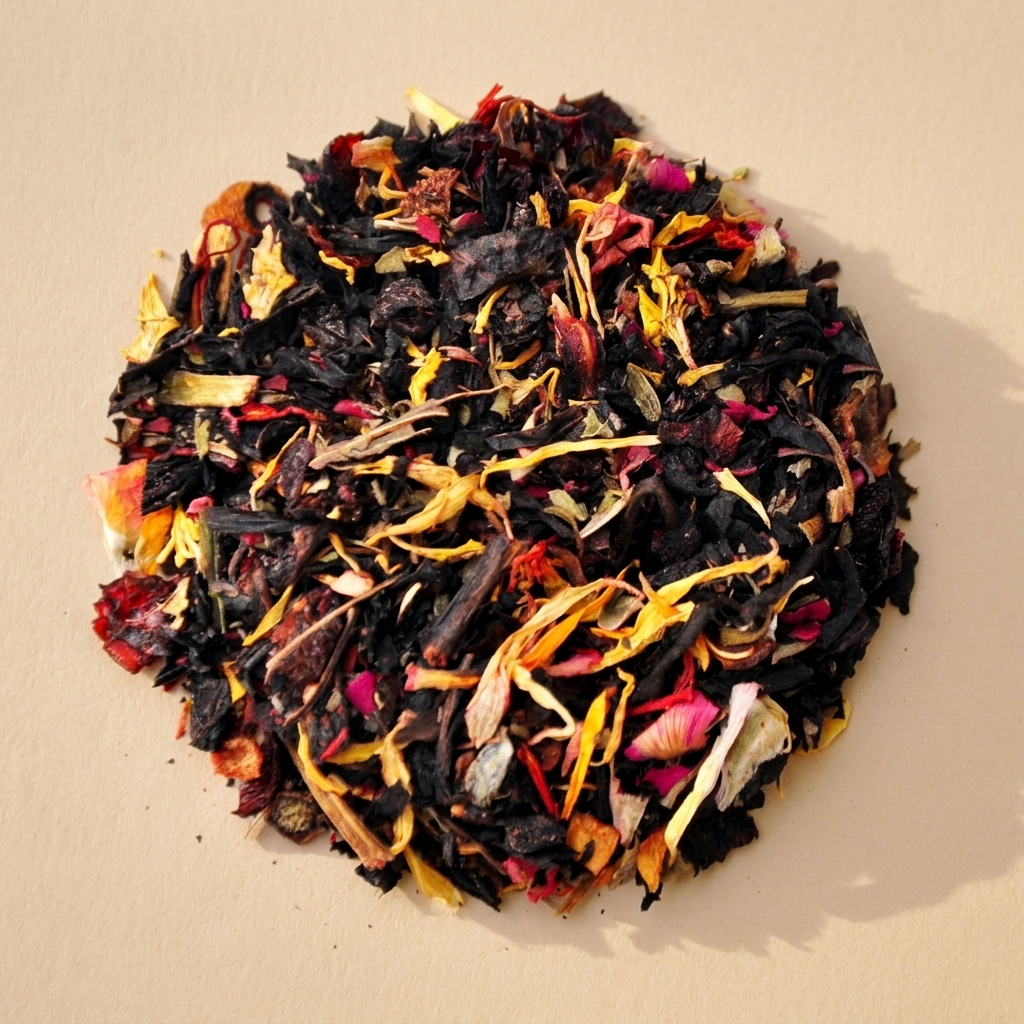
A carton labeled “100% Natural” tells you nothing about the heavy metal content or the microbial load inside. When you purchase bulk herbal tea, you are buying a product that sits in a regulatory gray zone. Unlike pharmaceuticals, these blends are not subject to pre-market safety testing by the FDA. The National Institutes of Health (NIH) classifies herbal medicines as dietary supplements, meaning they are sold without the rigorous safety verification required for drugs. This distinction is critical for any buyer sourcing wholesale quantities.
The gap between marketing and certification
On a wholesale order form, the word “natural” is a marketing descriptor, not a certification of lot testing or contamination screening. It signals a lack of synthetic additives but offers no guarantee that the batch has been screened for pesticides or heavy metals. In contrast, an “organic” claim is a regulated status. For organic herbal blends, the supplier must provide certification from an authorized body, such as the USDA-NOP. A label that simply says “traditional” or “natural” is unregulated; a label that says “certified organic” requires a valid certificate number. If your paperwork lacks a specific certification ID, the claim is not verifiable.
Health risks in unvetted herbs
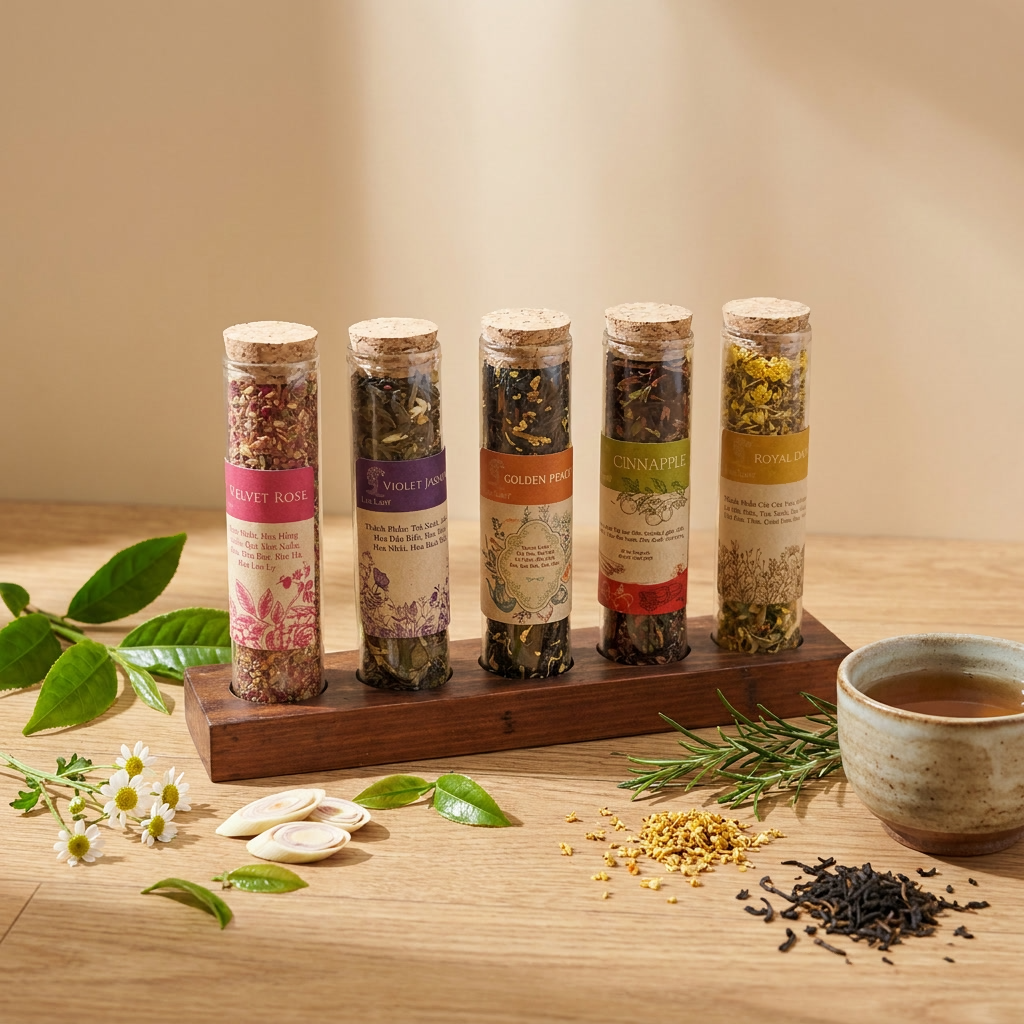
Supplier vetting is a safety issue, not just a quality one. The National Center for Complementary and Integrative Health (NCCIH), the primary NIH organization for research on herbal medicine, specifically cautions that some common herbs carry serious health risks. Comfrey and ephedra are identified as plants that can cause significant harm. Many herbs can also interact with prescription or over-the-counter medicines. When you source from a supplier who cannot trace the origin of these ingredients, you are not just risking a bad batch; you are potentially exposing your customers to undisclosed health hazards.
What to verify in the paperwork
To bridge this gap, you must look beyond the label. A responsible wholesale tea supplier will provide documentation that proves the lot has been tested. If the paperwork only lists “traditional blend” without a specific analysis or certification number, you are buying based on faith rather than evidence. The difference between a safe, compliant product and a risky one often comes down to whether the supplier can produce a specific, verifiable document for the exact batch you are receiving.
The 5 documents to request before placing a wholesale tea order
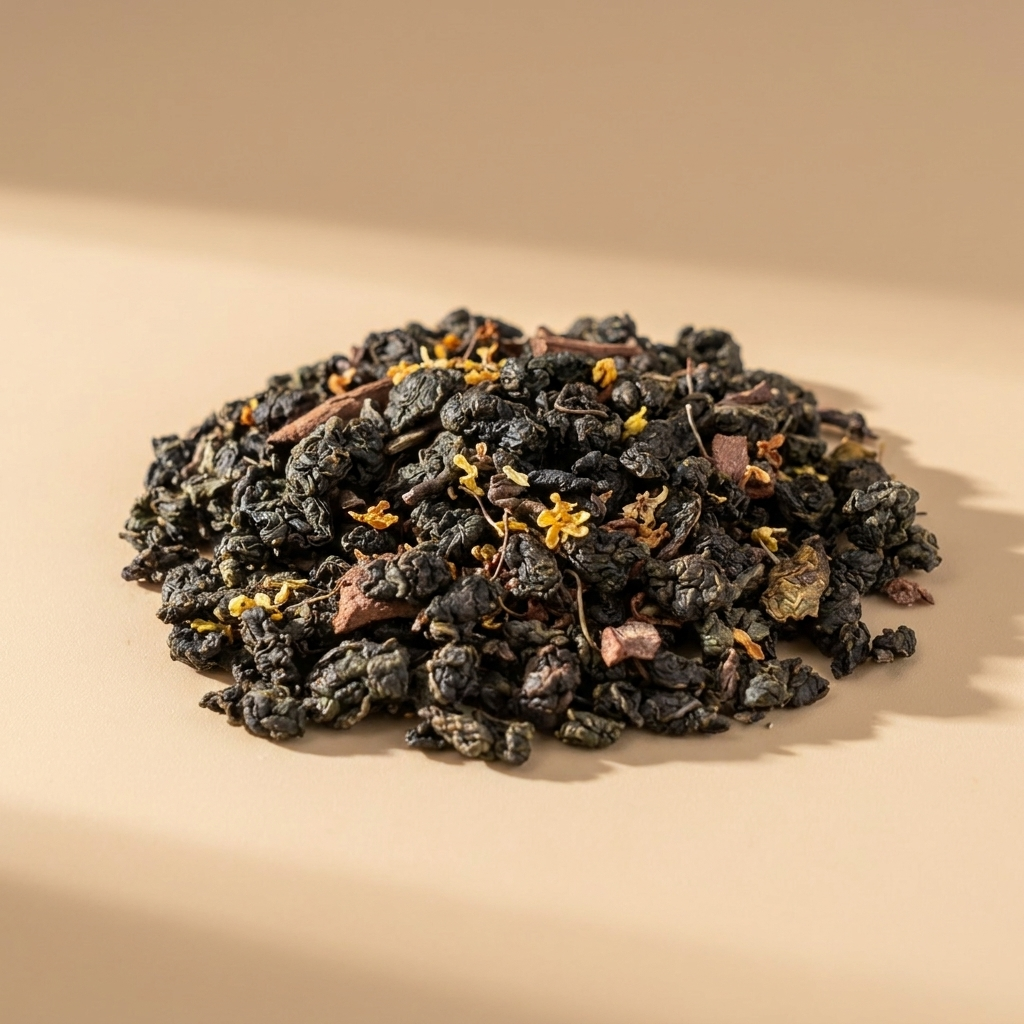
Before committing to a large shipment of bulk herbal tea, a buyer needs evidence that the product matches its description. Relying on a marketing sheet is not enough. You need specific, lot-tied paperwork that proves the safety and origin of the exact batch you are receiving. Here are the five documents every serious buyer should request.
The Lot-Specific Certificate of Analysis
The most critical document is the Certificate of Analysis (CoA) tied to your specific batch number. A valid CoA details the testing results for heavy metals, microbials, pesticide residues, and moisture levels. If a supplier provides a “master” CoA that covers a product type rather than a specific batch, that is a major red flag. A generic or expired CoA means the lot you are buying has not been verified for contamination, leaving you exposed to risk. For any claim of organic herbal blends, this document is the baseline for safety.
The Blend Composition Sheet
A Blend Composition Sheet lists every ingredient in the mixture. It should show exact herbs and their percentages, or at least “approximate” ranges. If a Vietnamese tea supplier offers only a vague “traditional blend” description, it hides the potential for substitution or quality drift. Without a clear composition list, you cannot verify that the product contains what you expect, making it difficult to maintain consistency for your customers.
Origin and Storage Verification
The Certificate of Origin confirms where the product was sourced, which is essential for verifying supply chain consistency. Cross-check this against the declared source to ensure authenticity. Additionally, request the Shipping/Storage Manifest to understand how the tea was handled. Improper storage can degrade quality, so knowing the conditions pre-shipment is key. Finally, if the product is labeled organic, you must see a valid Organic Certification from a recognized body. A label without a certifier name is not verifiable.
| Document | What to look for | Red flag if missing |
|---|---|---|
| Certificate of Analysis | Batch-specific heavy metal and pesticide data | Generic or expired CoA |
| Blend Composition Sheet | Exact ingredients and percentages | Vague “traditional” descriptions |
| Certificate of Origin | Matches declared sourcing country | No proof of origin |
| Organic Certification | Valid certifier name and number | Unverified “organic” label |
| Shipping/Storage Manifest | Humidity and temperature logs | Unknown storage conditions |
Traceability questions that separate a reliable supplier from a broker
Documents tell you what was tested; questions reveal who actually controlled the process. When you are weighing a bulk herbal tea order, the gap between a direct source and a middleman often shows up in their ability to answer five specific supply-chain queries. If a partner cannot provide these details, you are likely dealing with a reseller rather than a true sourcing agent.
The five questions to ask before committing
You do not need to be a tea expert to spot a disconnect in the supply chain. Ask these five questions in writing during your initial inquiry:
- Which specific farm or cooperative produced the herbs? A reliable source knows the exact origin. A broker may only know the country of origin.
- What is the harvest date for this specific lot? Herbs degrade over time. A vague answer like “recently” or “last season” is a yellow flag.
- What drying or curing method was used? This affects flavor stability and microbial safety. Direct sources can explain whether it was sun-dried, oven-dried, or freeze-dried.
- Who performed the laboratory testing? A legitimate supplier will name the third-party lab or their in-house quality control facility. If they say “a certified lab” without a name, ask for the address.
- Where is the lot stored prior to shipment? The storage environment (temperature, humidity, light) directly impacts shelf life. A specific warehouse address is a sign of operational transparency.
Why silence on the harvest date matters
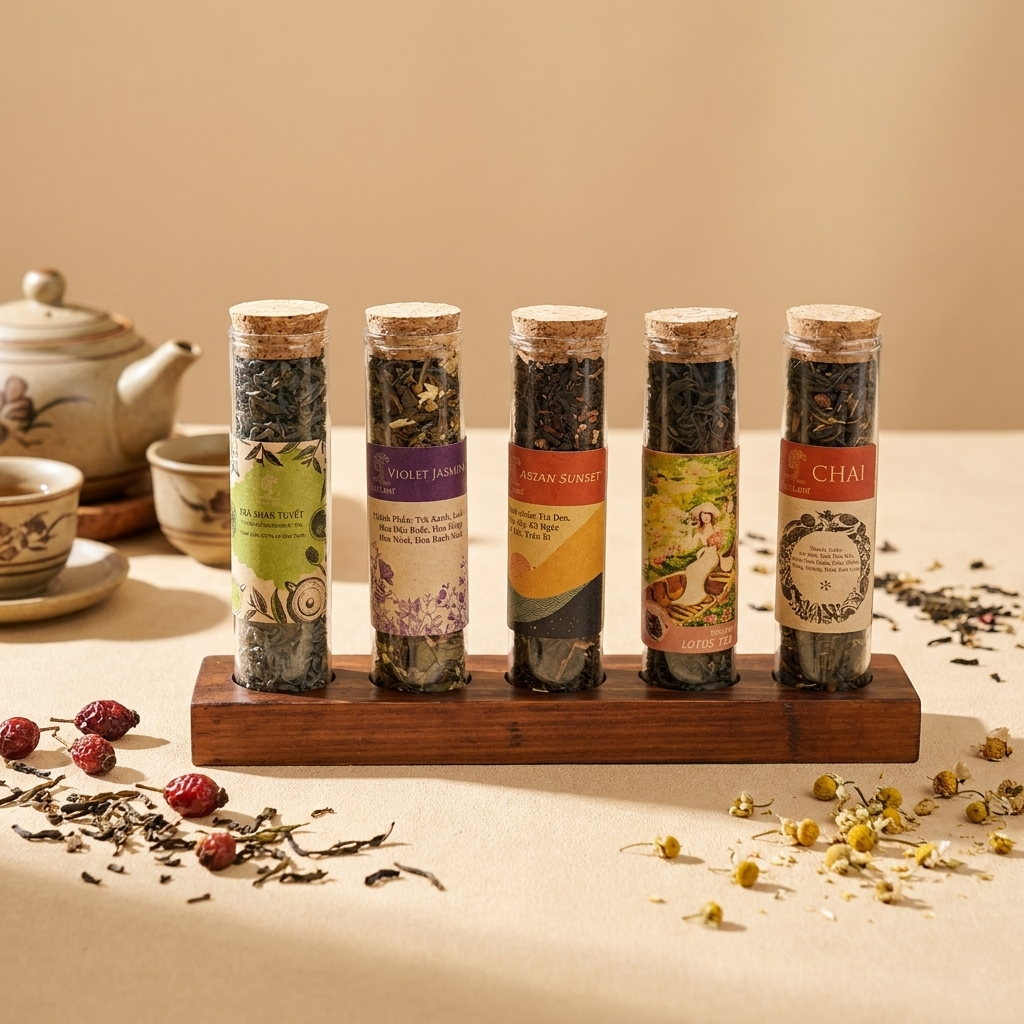
If a supplier cannot answer the farm or harvest-date question, they are reselling, not sourcing. This is a significant risk multiplier at bulk scale. A broker who doesn’t know where their stock came from has no way to trace a contamination event back to its source. If a batch fails a quality check in your country, you have no recourse against a middleman who only bought the goods on the open market.
Verify the sample against the documentation
Never place a full wholesale tea order based on documents alone. Request a sample lot of 1–2 kg before committing to a larger quantity. Use this sample as your first-verification step. Compare the physical product against the description in the Certificate of Analysis (CoA). Look for consistency in visual appearance, check the aroma for any off-notes, and taste the infusion. If the sample does not match the “premium” or “organic” descriptors in the paperwork, do not proceed with the bulk order. This step is your most effective defense against substitution or quality drift.
Understanding organic certification claims
Many organic herbal blends are marketed with vague labels. Be clear on a key distinction: a generic “organic” label without a certifier name is not verifiable. To be legally compliant, a product claiming organic status must be certified by a recognized body, such as USDA-NOP, EU Organic, or JAS. You should ask for the specific certificate number and the name of the certifier. If a supplier refuses to provide a valid certificate number for an organic claim, treat the product as conventional. True transparency means they can share these details as easily as they share their price list. This level of openness is what separates a professional partner from a casual trader.
Vietnamese tea suppliers: what to verify specific to this origin
Sourcing herbal blends from Vietnam adds a specific layer of complexity to bulk orders. Unlike single-origin teas, the supply chain for Vietnamese herbal mixtures often involves multiple hand-offs before the product reaches you. Understanding where the risk sits in this chain is the first step in vetting a partner for your wholesale needs.
The Sourcing Chain and Quality Risks
The typical structure for Vietnamese tea suppliers follows a linear path: local cooperatives or family farms cultivate the raw herbs, local processors blend and package them, and international brokers handle the final export logistics. Each link introduces a potential point of quality drift.
The farm determines the agricultural practice, but the processor decides the final blend ratio. A broker, by contrast, often has no direct insight into the production floor. If you are buying through an intermediary, you must verify who actually performed the final testing. A broker who cannot name the specific processing facility is likely reselling an already-packaged product, which limits your ability to trace contamination back to its source.
Verification of Legal Status
Do not rely solely on the brand name printed on the packaging. The legal entity behind the label may be different from the manufacturer. Verify the Vietnamese exporter’s business registration and their specific export license. These documents confirm that the entity is legally permitted to handle and ship agricultural products. A supplier that hesitates to provide their registered business details is a clear warning sign that you are dealing with an informal reseller rather than a licensed manufacturer.
Organic Standards and Certification
If you are ordering organic herbal blends, the certification body matters. Vietnam utilizes several standards, including VietGAP, which is a local agricultural quality management standard, and international bodies like USDA-NOP. Note that VietGAP is a quality control standard for agricultural production, not a global organic certification in the same sense as USDA or EU organic. Confirm exactly which standard applies to your specific order. A generic label that says “natural” or “clean” without a named certifier and certificate number is not verifiable. You need the specific certificate number to ensure the claim is valid for the lot you are purchasing.
Physical Presence and Documentation Language
Finally, check for a physical warehouse address in Vietnam. A supplier that lists only a P.O. box or an e-commerce contact point lacks the physical infrastructure to store and manage bulk inventory reliably. A physical address allows for third-party inspection and confirms that the supplier has real logistics capabilities.
For Japanese, Taiwanese, or Chinese buyers, language is a practical verification tool. A legitimate Vietnamese tea supplier will provide a Certificate of Analysis (CoA) in English or, ideally, your native language. Resistance to providing translated documentation, or an insistence on using only Vietnamese-language documents, suggests a lack of international experience or an attempt to obscure information. Transparency in language is a simple, effective proxy for transparency in operations.
Frequently asked questions about buying herbal tea in bulk online
Master CoAs vs. Lot-Specific Testing
A single “master” Certificate of Analysis (CoA) that covers an entire product line is a red flag. A lot-specific CoA is tied to the exact batch number you receive and details the testing results for that specific shipment, including heavy metals, microbials, and pesticide residues. A master CoA describes the product type in general terms, but it does not verify the actual physical product arriving in your warehouse. When a supplier offers only a generic document, you are purchasing without knowing the quality of the specific herbs in the box. Always request the CoA that matches the exact lot number on the shipping manifest.
“Traditionally Harvested” vs. Organic Certification
These two terms are not interchangeable. “Traditional” describes the harvesting and processing method, often implying hand-picking or age-old drying techniques. “Organic” is a legal certification status that requires verification by an accredited body, such as the USDA-NOP or a recognized international standard. A blend can be traditionally harvested without being organic, and it can be certified organic without using traditional methods. If you are looking for organic herbal blends, you must see a valid certificate number and the name of the certifier. A vague label claiming “organic” without a certifier is not verifiable and should be treated with caution.
Starting Small to Verify Quality
What is a reasonable minimum order to test a new supplier? Start with a sample order of 1–5 kg. This small quantity allows you to verify that the product matches the documentation in visual appearance, aroma, and taste before committing to a larger wholesale quantity. Ordering 50 kg or more from a supplier you have never physically verified is a significant financial and quality risk. The sample acts as a practical first step in your due diligence process, ensuring that the herbs align with the CoA and your quality standards before you scale up your purchasing.
Due Diligence on Marketplaces
Do you need to verify the supplier if you are buying through an established platform? Yes. The platform handles the transaction, payment, and shipping logistics, but it does not verify product quality or safety. The responsibility for checking the CoA and traceability remains with you, the buyer. Whether you order directly or through a marketplace, the same standards apply: ensure the documentation is lot-specific and that the Vietnamese tea suppliers can answer questions about farm origin and harvest dates. The checkout channel does not change the need for thorough verification.
A trustworthy bulk herbal tea supplier is the one that hands over lot-specific documentation and answers traceability questions without hesitation. If you take only one thing from this guide, let it be this: the five documents—Certificate of Analysis, Certificate of Origin, Blend Composition Sheet, Organic Certification (if claimed), and Shipping/Storage Manifest—are your baseline. Missing any of them, or receiving generic answers to specific questions, is a signal to pause and re-evaluate. Keep this list as a pre-order checklist; it turns a vague inquiry into a concrete verification step that protects both quality and your reputation.
If you are sourcing Vietnamese gifts or bulk herbal tea blends for gifting or resale, consider reaching out to Lục Lam Gift. They can guide you on what documentation to expect from a Vietnamese supplier and help you navigate the details that make a difference in the final cup.