On This Page· 7
You see “Vietnamese herbal tea” on an online store page and assume everything inside the jar grew on one farm in Vietnam. The reality is more complex. A single box of bulk herbal tea can contain botanicals from over 60 countries, cleaned, blended, and packed in a facility on a different continent.
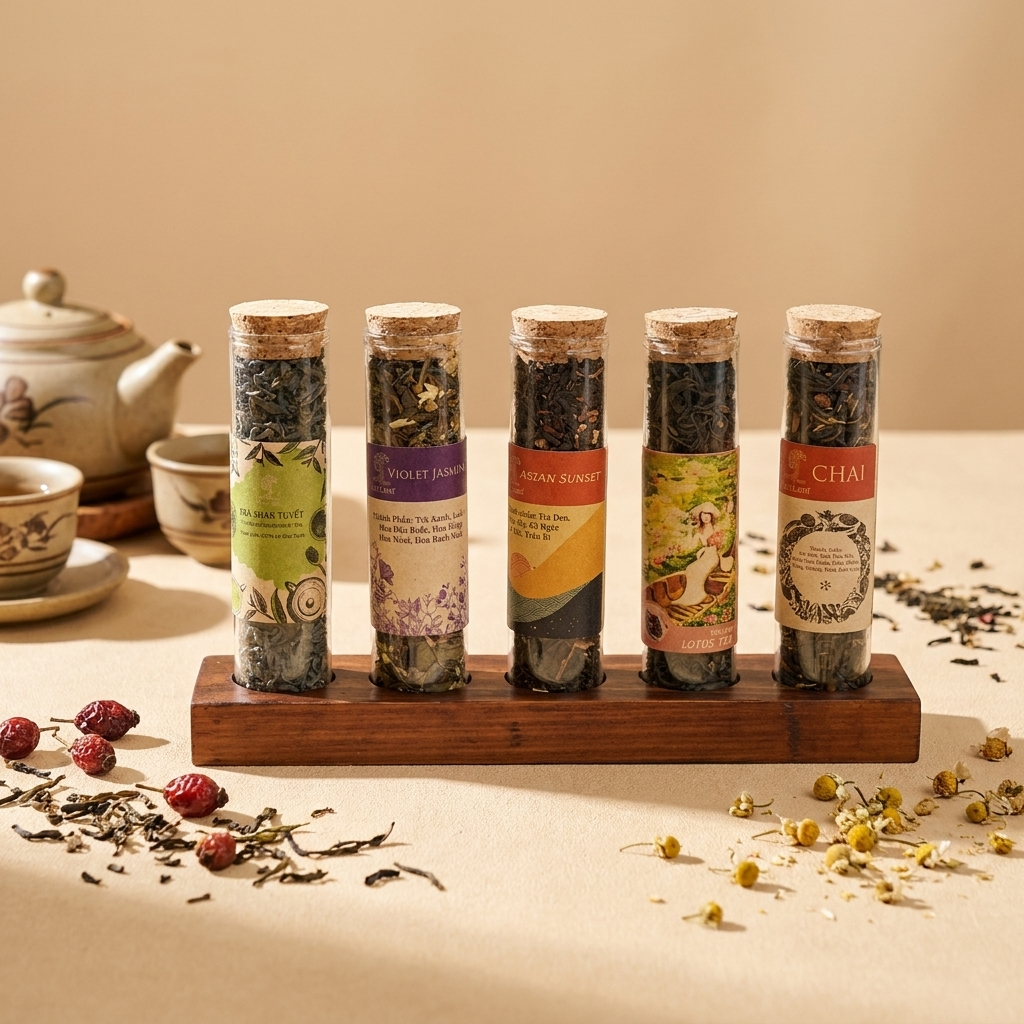
Think of it as the mystery jar. The label says origin, but the supply chain says something else entirely. For example, Organic Herb Trading has sourced high-quality organic botanicals from more than 60 countries since 1982. This scale is rare for a single supplier and signals reliability for bulk buyers who need consistency.
Understanding which stage of the chain you are buying from determines quality, consistency, and price. Are you buying raw materials from a grower, a finished product from a manufacturer, or a formulation from a blender? For anyone sourcing online herbal blends, this distinction is critical. A specific traceability question—like asking exactly where the mint comes from—can reveal whether a supplier controls the entire process or just resells ingredients. Without that control, flavor drift between batches becomes a real risk for your business or gift collection. Before you check out, ask: who actually made what you are holding?
Where raw botanicals actually come from
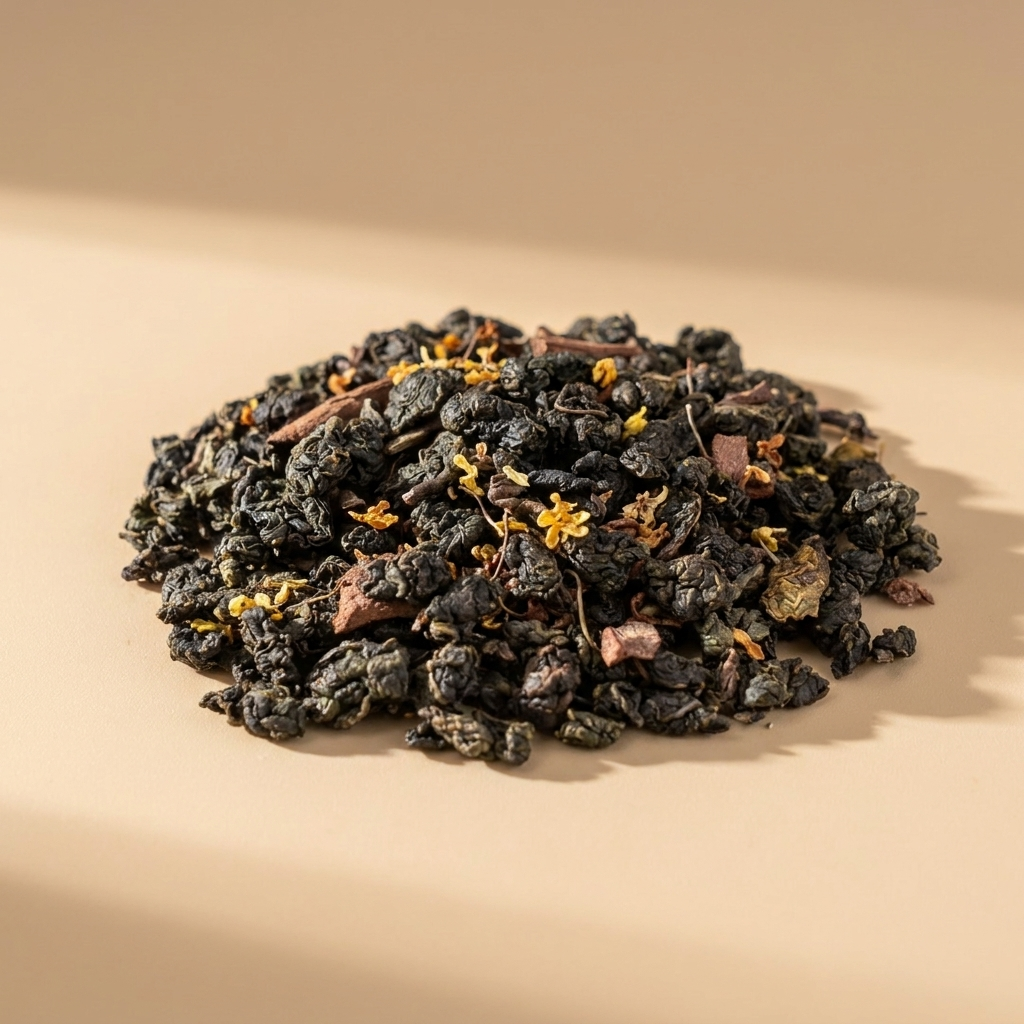
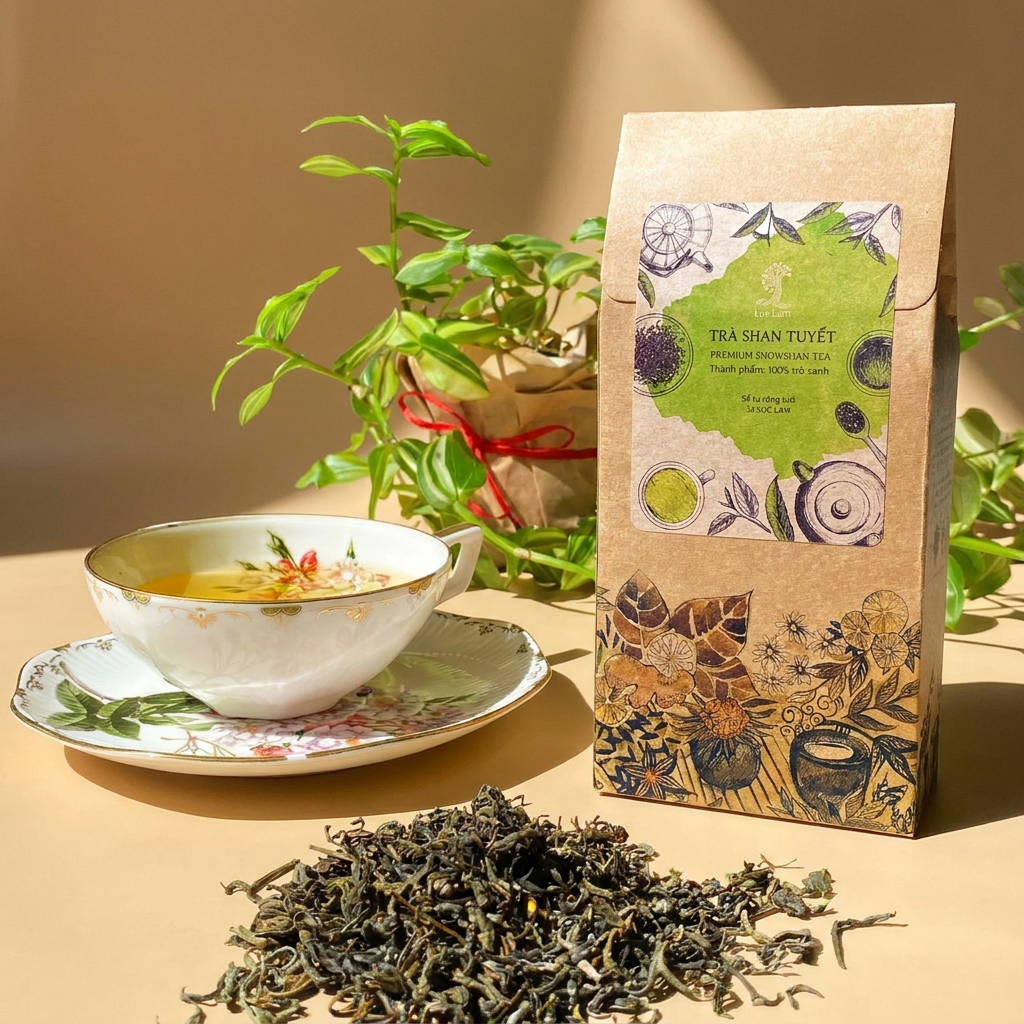
When you see “Vietnamese herbal tea” on an online store, the label often points to the brand identity or the final blend style, not the geographic origin of every single ingredient. Traditional blends frequently rely on a global supply chain, incorporating chamomile, rose petals, or mint sourced from various regions to achieve a specific flavor profile. This distinction is critical for bulk buyers, as the origin of the raw material dictates its initial quality and stability.
Consider the scale required to manage such diverse ingredients consistently. Organic Herb Trading, for instance, has been sourcing high-quality botanicals since 1982. They draw from more than 60 countries, a scale that is rare for a single supplier. This extensive network signals reliability to bulk buyers who need a steady, high-volume supply. If a supplier cannot trace the lineage of their botanicals across multiple borders, their ability to maintain consistent quality is questionable.
The importance of traceability
Traceability is the ability to track a botanical back to its specific farm or region. For a bulk herbal tea order, this matters more than price. If you cannot answer the question “where does the mint come from?” for your supplier, you risk flavor drift between batches. One shipment might contain mint from a humid region with a sharper taste, while the next comes from a drier climate, resulting in a subtle but noticeable difference in your final product. Consistency is the hallmark of a professional traditional tea brand.
Raw materials are not finished products
Sourcing is only the first step in the pipeline. The raw material is not the finished product. Before any blending can occur, the botanicals must be cleaned, cut, or dried further to remove impurities and stabilize their aroma. This pre-processing stage ensures that the ingredients are ready for the next phase of the supply chain. Without this, even the best-sourced herbs will not meet the safety and quality standards required for large-scale distribution. Understanding this step helps buyers distinguish between a simple reseller and a true manufacturer who handles the entire preparation process.
Manufacturing standards: what BRCGS A+ means for your bulk order
Many buyers assume that a label reading “Vietnamese herbal tea” guarantees a specific origin for every ingredient. In reality, a single jar may contain botanicals from dozens of countries, blended in a facility far from the source. Understanding where the actual manufacturing happens is the first step to ensuring quality.
What BRCGS A+ actually is
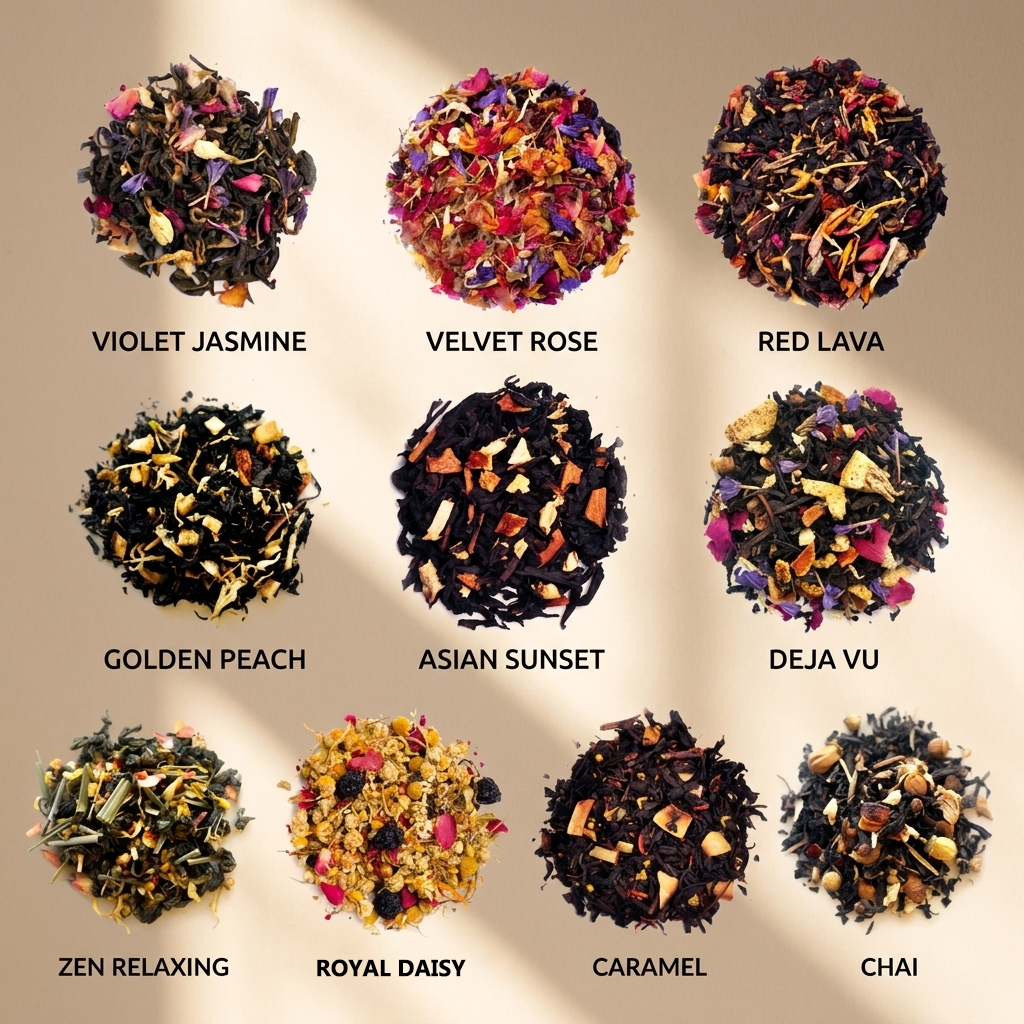
BRCGS stands for the British Retail Consortium Global Standards. Grade A+ is the highest score a facility can receive during an unannounced audit. It is not a marketing badge; it is a rigorous verification of hygiene, safety protocols, and supply chain control. A manufacturer holding this certification must prove, through documented records, that they manage contamination risks at every stage of production. For a bulk order, this means the facility has a systematic way to handle allergens, moisture, and foreign matter that a casual home blender simply cannot match.
Why it matters for your brand
If you are reselling traditional tea brands or gifting premium blends, a contamination incident is a reputational risk that far outweighs the cost of the tea itself. Without a certification like BRCGS, a supplier may cut corners on pest control or ingredient segregation. One batch of contaminated bulk herbal tea can damage trust with customers for years. Conversely, a certified manufacturer provides a traceable paper trail. You can verify exactly where the raw materials came from and how they were treated before packing. This documentation protects your business and your customers.
Certified consistency versus online guesswork
An unverified online seller often lacks the infrastructure to maintain strict standards. They may source from different suppliers for each batch, leading to flavor drift or texture changes. A certified plant, by contrast, uses standardized processes. The blend you order this month will taste the same as the one you order next month because the ratio, drying levels, and packaging environment are controlled. When vetting any online herbal blends, look for visible food safety certifications in their company profile. While many UK suppliers hold this standard, the principle applies globally. Transparency in manufacturing is the real marker of quality, not just the origin story on the label.
Blending and packing: the two stages most buyer guides miss
The difference between sourcing and creating a finished cup is easy to overlook. Sourcing the raw leaves is one distinct job; mixing them into a specific ratio is another; packing them into bags or tins is a third. Most online stores blur these lines, leading buyers to assume that a product labeled “traditional” is simply a collection of ingredients found on a farm.
Blending is an industrial process
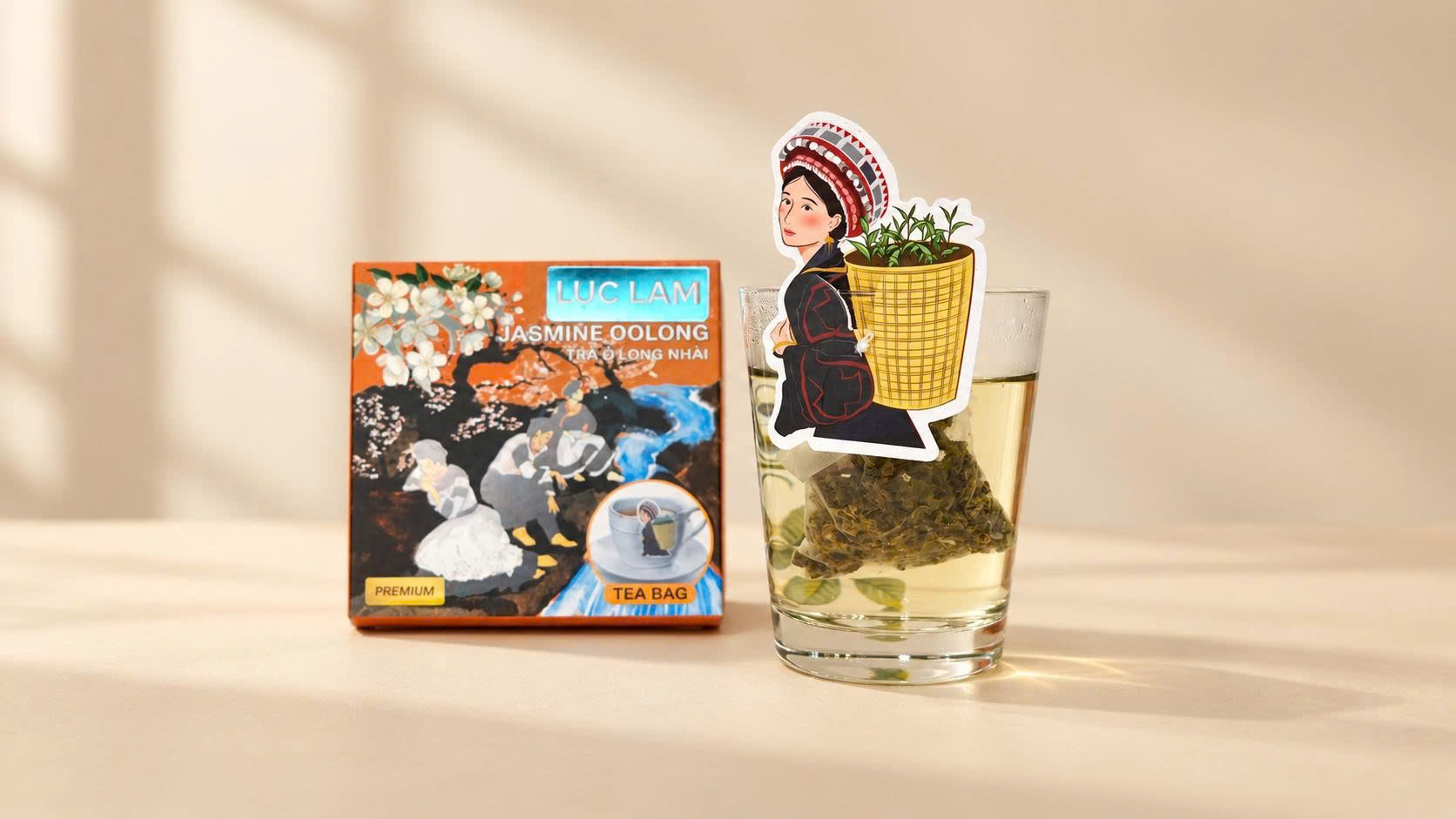
Blending is a specialized industrial operation, not a casual home activity. Consider Keith Spicer, a company that began in 1934 using the parlour of a family home as a blending room. By 2013, the business had expanded to include a large manufacturing plant in Newcastle. This scale shift illustrates that precise mixing requires dedicated machinery and controlled environments. When a company operates a large-volume blending plant, it can create bespoke blends with consistency that hand-mixing cannot match.
The “Blenders and Packers” model
Many companies in the tea supply chain do not grow the herbs themselves. Instead, they operate as “Blenders and Packers.” These firms purchase raw materials from various growers and blend them into a final recipe for other brands. This is often called the “white label” model. If you are buying from a company in this category, you are paying for their formulation expertise, not just the cost of the ingredients.
Why consistency matters for bulk orders
For buyers of bulk herbal tea, the presence of a dedicated blending stage is a critical quality marker. Without it, a “traditional” blend may lack precision, leading to flavor drift between batches. A dedicated facility ensures that the ratio of ingredients remains exact every time. When vetting online herbal blends, look for suppliers who explicitly describe their blending process. This transparency confirms that the product you receive is consistent, reliable, and produced under controlled conditions, which is essential for maintaining the reputation of traditional tea brands.
Online fulfillment: how the physical jar gets to your door
The final step in the supply chain for Vietnamese herbal tea is often overlooked, yet it determines whether the aroma arrives intact. Once blended and packed, the product is a finished good, but it remains vulnerable. Warehousing must maintain specific conditions: dry, dark, and cool. Heat or humidity can degrade volatile compounds before the jar ever reaches a customer. For online shoppers, this leg is invisible, making it harder to judge quality without knowing the seller’s logistics model.
The Role of the Online Store
Not all online stores play the same role in this chain. Some act as the retail face of a large manufacturer, while others are small roasters or blenders who also handle their own fulfillment. This distinction directly impacts shipping times and the care taken with packaging. A large distributor may batch-ship from a central warehouse, leading to longer transit times. A smaller, direct source often dispatches from the blending facility itself, reducing the time the product sits in storage.
Direct Manufacturer vs. Reseller
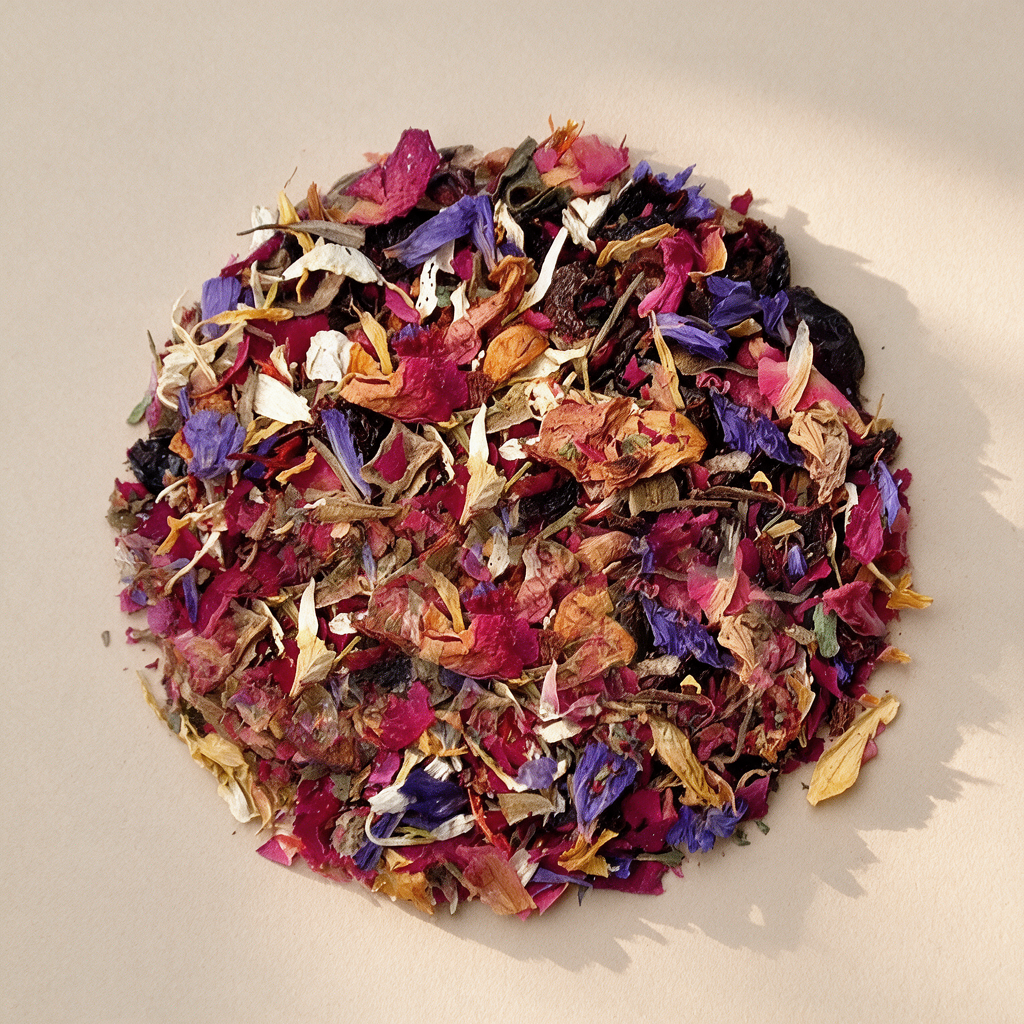
For bulk buyers, a practical tip is to verify whether the online seller is also the manufacturer. If the seller is just a reseller, the stock may have passed through multiple hands, increasing transit time. Direct-from-manufacturer links often mean fresher stock. This is critical for herbal blends, where volatile aromas fade over time. Less time in transit preserves the potency and scent profile that defines the blend.
Verifying Origin Claims
Traditional tea brands often use their online platforms to tell origin stories. Use these narratives to verify supply chain claims. If a website states the tea is “sourced from Vietnam” but the manufacturer is listed as being in the UK, the “Vietnamese” label likely refers to the style or brand identity, not the raw material origin. Checking the company profile for physical manufacturing locations helps clarify where the actual processing and blending take place, ensuring the origin claim matches the reality of the supply chain.
Frequently asked questions about buying traditional herbal blends in bulk
Q: Does ‘Vietnamese herbal tea’ mean all ingredients are from Vietnam?
Not always. The label often refers to the brand identity or the style of the blend, not the origin of every ingredient. Many traditional blends combine local botanicals with global sources like chamomile or mint. If you require 100% Vietnamese sourcing, check the specific ingredient list rather than relying on the product title.
Supply Chain Terminology
Q: What is a ‘blender and packer’ in the tea supply chain?
A blender and packer is a company that purchases raw herbs, mixes them into a final recipe, and packs the finished product. They do not grow the herbs themselves. This is a distinct stage from both sourcing raw materials and initial manufacturing. Understanding this role helps you identify who is responsible for the final formulation you are purchasing.
Q: Why is BRCGS certification important for a bulk herbal tea order?
It verifies that the manufacturing facility meets strict hygiene and safety standards. For bulk orders, this certification significantly reduces the risk of contamination. It also ensures consistent quality across large volumes, which is critical if you are reselling the product or gifting it in quantity.
Vetting Online Sellers
Q: How can I tell if an online seller is reliable for bulk purchases?
Look for transparency on their website. A trustworthy seller for bulk herbal tea will name their sourcing countries, list manufacturing certifications, and explain their blending process. A lack of detail is a red flag. If a seller cannot explain where their botanicals come from or how they are processed, the risk of inconsistent quality in your order increases.
Choosing a source that matches your gifting needs
Three types of online suppliers
When searching for online herbal blends, you will typically encounter three distinct categories of suppliers. Understanding where each sits in the supply chain helps you match the source to your specific goal.
- Direct Manufacturers: These companies own the entire process, from sourcing raw botanicals to blending and packing. They control quality at every stage.
- Blenders and Packers: These firms specialize in formulation. They buy raw materials, create specific recipes, and pack the finished product for various brands. This is the “white label” model often used by traditional tea brands looking for consistency.
- Retailers: These stores sell finished products sourced from various manufacturers. They act as the final link in the chain, handling logistics and customer service.
Matching the supplier to your goal
Your choice depends on what you need to achieve. If you are a business seeking a custom recipe or a bulk herbal tea order with specific proportions, look for a Blender and Packer who can formulate to your specifications. If you prioritize consistency and food safety for large-volume purchases, choose a Manufacturer with visible certifications like BRCGS. For individual travelers or small business gifting, a reputable Retailer offering ready-made, refined packs is often the most practical option.
Why transparency matters for gifting
A refined Vietnamese herbal tea blend is more than a label; it is a story of quality. Whether you are selecting a gift for a business partner or a friend, the value lies in the integrity of the ingredients and the care in blending. The ideal source is not defined by price or brand fame, but by transparency. The best supplier shows you the full chain—from the 60+ countries where botanicals are sourced to the facility where the final blending happens. When a company is open about its origins and processes, you are not just buying a product; you are securing a credible, thoughtful gift that reflects genuine attention to detail.
Conclusion
Buying Vietnamese herbal tea is fundamentally a supply chain decision, not just a retail one. When you understand the distinct stages—sourcing, manufacturing, blending, and packing—you gain the ability to vet any online seller effectively, regardless of the specific traditional tea brands they carry.
Transparency is the true marker of quality in this space. A supplier who can clearly trace botanicals from their origin and explain their blending process offers a level of reliability that no marketing claim can match. This clarity ensures that the product you gift or resell maintains consistency and integrity.
For travelers and businesses alike, seeking out this level of detail transforms the purchasing process from a guess into a confident choice. The next time you select a herbal blend, look for the story behind the jar. That narrative of quality is what makes a gift truly memorable.