On This Page· 7
Most travelers assume that saving money on bulk herbal tea follows a simple rule: buy more weight, pay less per gram. This assumption only tells half the story. The single largest cost lever you control is the physical state of the herb itself.
Whether an ingredient is sold whole, cut, or powdered can create a price difference exceeding 50x per kilogram. For example, a kilogram of Turmeric powder costs approximately £13.58, while whole Cardamom pods reach £122.95. That gap matters far more than the size of your order. If you are shopping in Ho Chi Minh City or Da Nang for Vietnamese gifts, this technical choice determines your budget before you ever compare wholesale Vietnamese tea suppliers. Choosing the right format ensures you get the best value without compromising the refined presentation your recipient expects.
Decoding the price spread in bulk herbal tea
Before selecting a supplier, understand the three physical formats that drive the cost of bulk herbal tea: whole, cut, and powdered.
- Whole herbs are intact, minimally processed plant parts (e.g., seeds, roots, pods). They require extensive sorting and preservation.
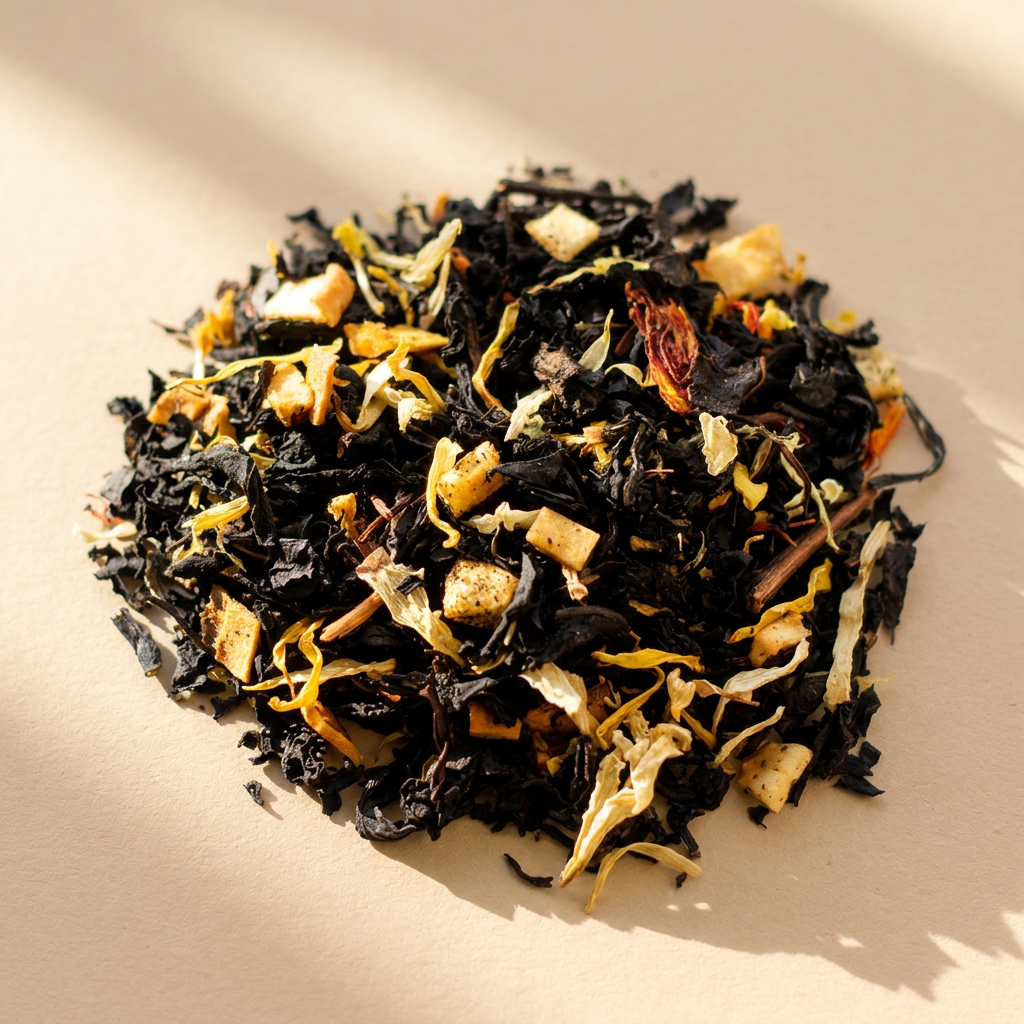
- Cut herbs are sliced or chopped dried herbs. This form is the industry standard for teas and tinctures because it maximizes surface area for efficient extraction.
- Powdered herbs are ground to a fine consistency. While potent, they degrade fastest due to high exposure to moisture and light.
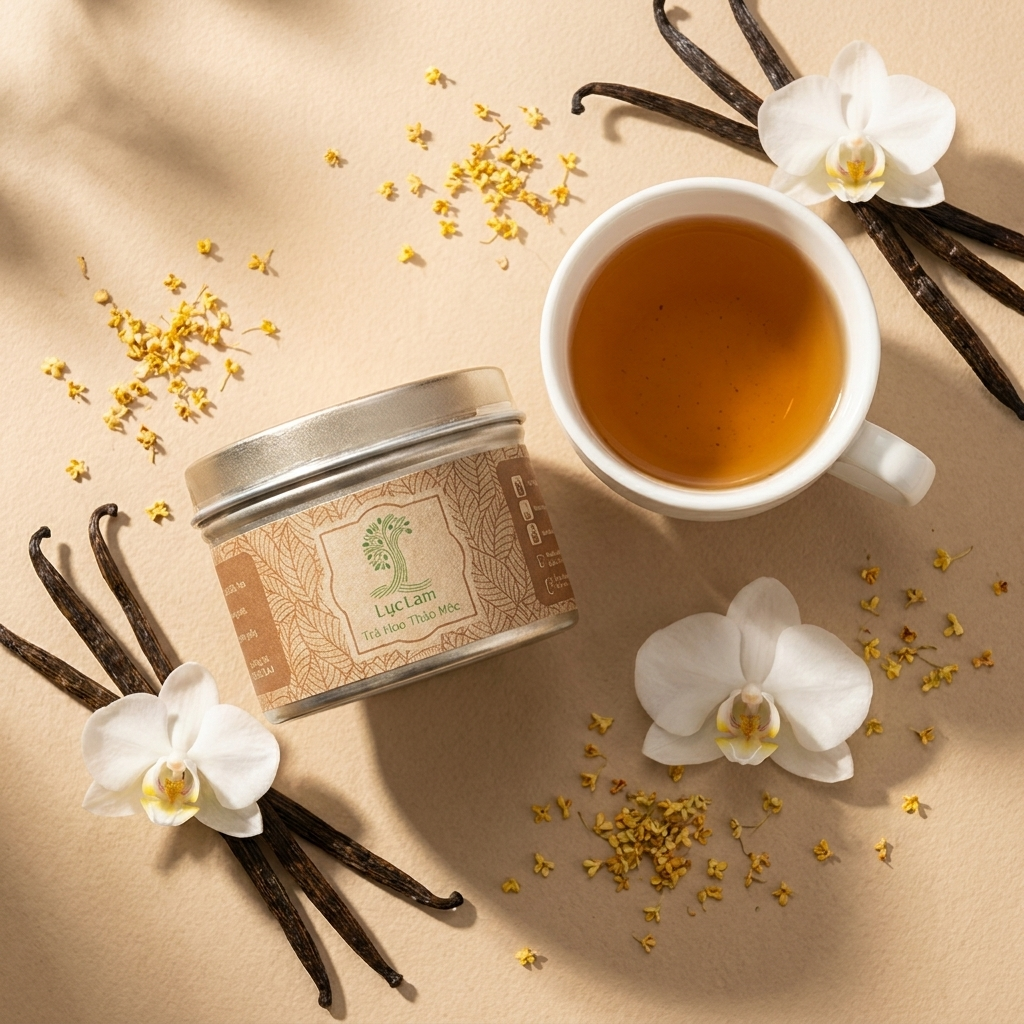
The price difference between these formats is not subtle. Reference data from UK suppliers shows a staggering cost gap. Turmeric powder costs £13.58 per kilogram, while whole Cardamom pods are priced at £122.95 per kilogram. This disparity exists because whole herbs carry the full cost of harvesting, manual sorting, and preservation, a premium that is often unnecessary for basic tea brewing.
How quantity tiers affect unit cost
Pricing is not static; it interacts with the volume you purchase. Consider Neem, which is available in 250g, 500g, and 1000g tiers. The price range for Neem cut herb spans from £7.12 to £447.32 depending on the quantity selected. Buying a 250g sample is significantly more expensive per gram than a 1000g bag, a common structure in wholesale Vietnamese tea pricing models.
When you buy herbal tea online, the “best” deal is rarely the largest bag. Instead, the optimal price is found at the intersection of the right format (usually cut) and the appropriate quantity tier. For travelers preparing gifts, this means that a smaller quantity of a high-quality, organic herbal blend in a refined package often offers better value and usability than a massive bulk order of whole herbs that will sit unused or spoil.
Whole versus cut: which format suits a Vietnamese tea blend?
When brewing Vietnamese flower teas, the physical state of the herb determines how much water it absorbs and how fully its flavor releases. For travelers buying loose-leaf organic herbal blends, this choice directly impacts the ritual of drinking the tea at home.
Why cut herbs are the brewing standard
In the industry, cut herbs are the standard for making infusions. Slicing an herb increases its surface area, which allows hot water to penetrate the plant material faster. This results in a more consistent flavor release and a stronger cup with less steeping time. For a traveler selecting a gift, this means the recipient gets an easier, more forgiving brewing experience without needing specialized equipment or long waits.
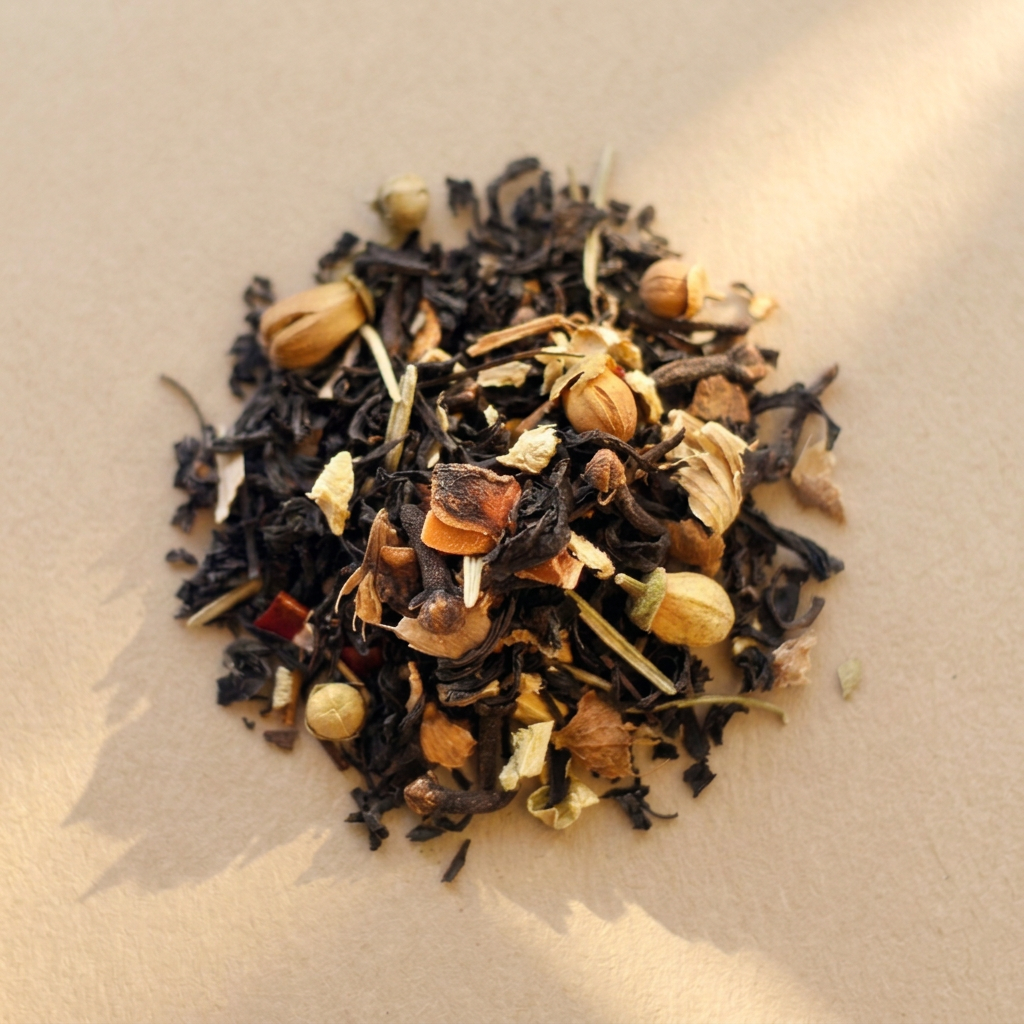
The structural difference in practice
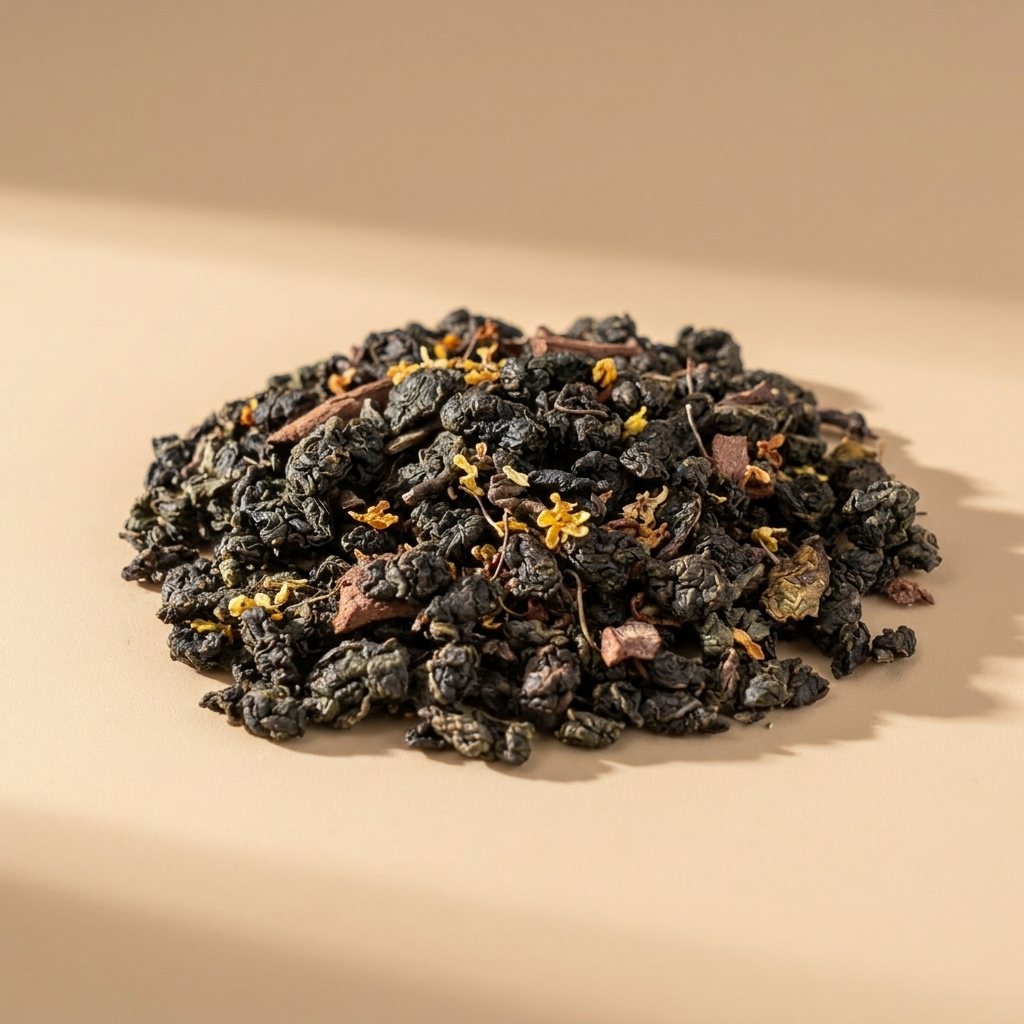
Whole herbs like Cardamom pods or dried Lotus flowers retain their original shape. Visually, they are more striking in a tea tin, offering a premium look. However, structurally, their intact skins or petals act as barriers. To extract their full essence, whole ingredients often require significantly more water and a longer steeping time. If a recipient is rushed or simply wants a quick, potent cup, a whole-flower tea can feel underwhelming compared to its cut counterpart.
Calculating the true cost per cup
A common misconception is that whole herbs are more expensive, so they must be less efficient. In reality, the cost per gram is often higher for whole items due to sorting and preservation. But the real cost factor is the water-to-herb ratio. Because whole herbs extract slowly, you may need to use more of the herb to achieve the same strength as a cut version. This can negate any perceived savings from buying a lower-quality bulk product, making the high-extraction efficiency of cut herbs a better value for regular daily use.
A traveler’s gift scenario
Imagine choosing a Lotus tea for a gift set. A whole Lotus flower looks beautiful in a clear jar, but the recipient must figure out the right water volume and steeping time to get a balanced cup. A cut Lotus tea, on the other hand, brews consistently and quickly. For a business partner or a busy family member, the cut format is often the more thoughtful choice, as it ensures the first cup tastes as good as the last, without the trial and error of adjusting the water volume for a whole ingredient.
The 250g to 1000g foil-bag framework for buying online
When you buy herbal tea online, suppliers often structure their inventory around three standard quantity tiers: 250g, 500g, and 1000g. These specific sizes are not arbitrary; they represent a practical balance between storage needs and cost efficiency for the average buyer. For a traveler preparing gifts, the 250g bag offers a small, manageable commitment to test a flavor profile, while the 1000g bag provides the lowest price per gram. This tiered system allows you to scale your purchase without overcommitting to a single herb before you know if the blend suits your recipient’s taste.
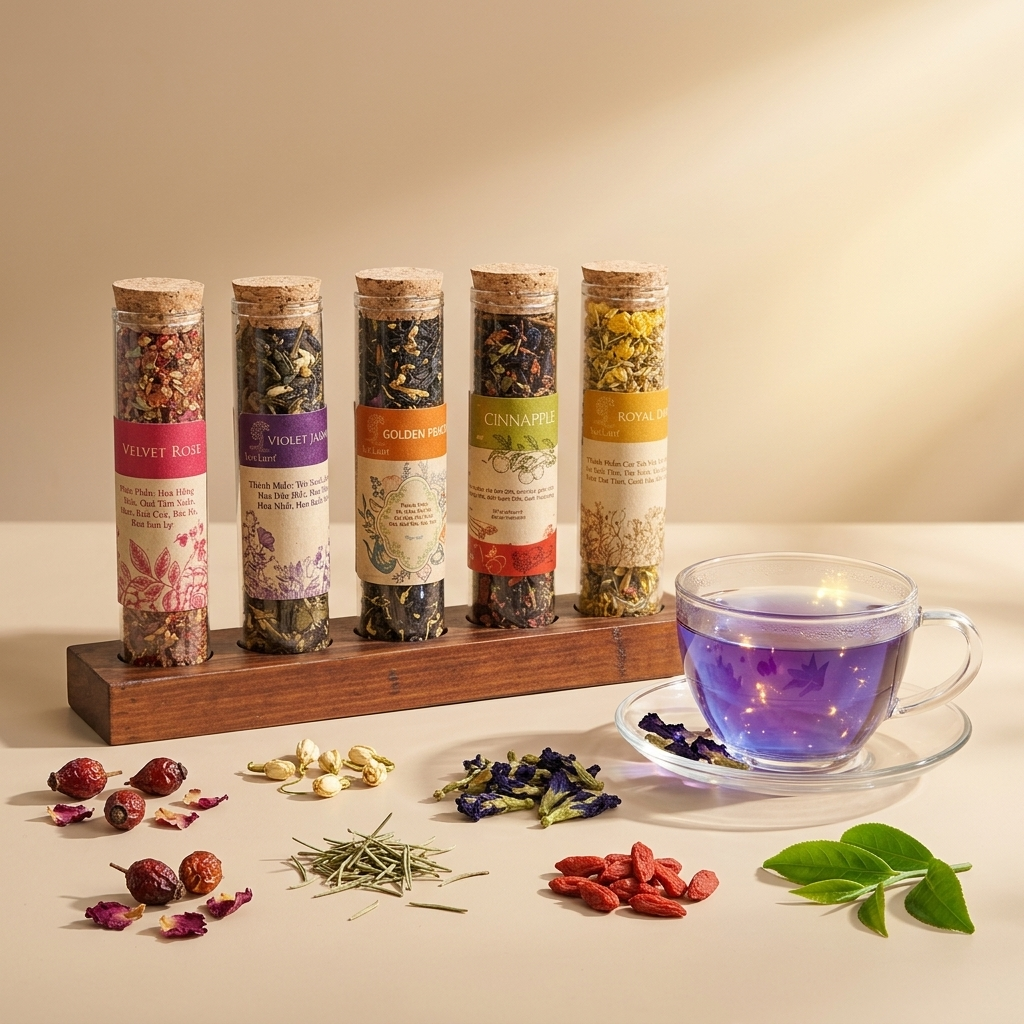
The physical container matters just as much as the quantity. In bulk buying, packaging is the primary defense against quality degradation. Open bulk bags expose organic herbal blends to light, air, and moisture, which can rapidly strip away volatile aromatic compounds. Protective foil bags, by contrast, create a barrier that preserves the potency and aroma of the herbs. For a gift, this preservation is critical; a tea that smells muted when opened arrives in a state that feels less fresh and less premium than one sealed in an opaque, airtight vessel.
The shipping break-even point
A common mistake is buying multiple small packages from different suppliers to keep individual costs low. However, international shipping fees can quickly negate these savings. A useful model for calculating your optimal order size is the “break-even” threshold. Consider a supplier who offers free UK shipping on orders over £250. If you place several small orders, each under that threshold, the accumulated shipping fees will cost you more than a single, larger order that qualifies for free delivery. By consolidating your bulk herbal tea purchase into one shipment, you effectively turn the shipping cost from an expense into a non-event, making the per-gram price significantly more attractive.
Balancing cost and presentation
While foil bags are ideal for storage and transport, they may lack the visual appeal of a finished gift. Travelers should look for “trade packs” or specific bulk options that include refined outer packaging. These options allow you to buy at wholesale rates but present the items in a way that suits a Vietnamese gift aesthetic. You get the economic benefit of the 1000g tier while maintaining the elegant presentation expected when giving to business partners or family. This approach ensures your gift is both a great value and a beautiful token of care.
Shelf life and storage: the hidden cost of bulk herbal tea
When you buy bulk herbal tea, the price tag on the bag is only half the story. The other half is how long that tea stays fresh after it leaves the supplier’s warehouse. A kilogram of powder that loses its potency in three months is not actually cheaper than a smaller quantity of cut herbs that remains vibrant for a year. This degradation directly impacts the effective cost per cup, often turning a seemingly economical bulk purchase into a wasteful investment.
Surface area and longevity
The physical format of the herb dictates its shelf life. Whole herbs have the least exposed surface area, protecting their natural oils and volatile compounds. Cut herbs expose more surface, making them more susceptible to air exposure. Powdered herbs have the maximum surface area, leading to the fastest rate of degradation.
| Format | Surface Area | Oxidation Risk | Typical Shelf Life |
|---|---|---|---|
| Whole | Low | Low | Longest |
| Cut | Medium | Medium | Moderate |
| Powdered | High | High | Shortest |
For travelers or business buyers planning to hold stock for months, this distinction is critical. If you are sourcing wholesale Vietnamese tea for a corporate gift campaign scheduled for the future, choosing cut or whole formats provides a buffer against quality loss. Powdered organic herbal blends are best suited for immediate consumption or short-term distribution.
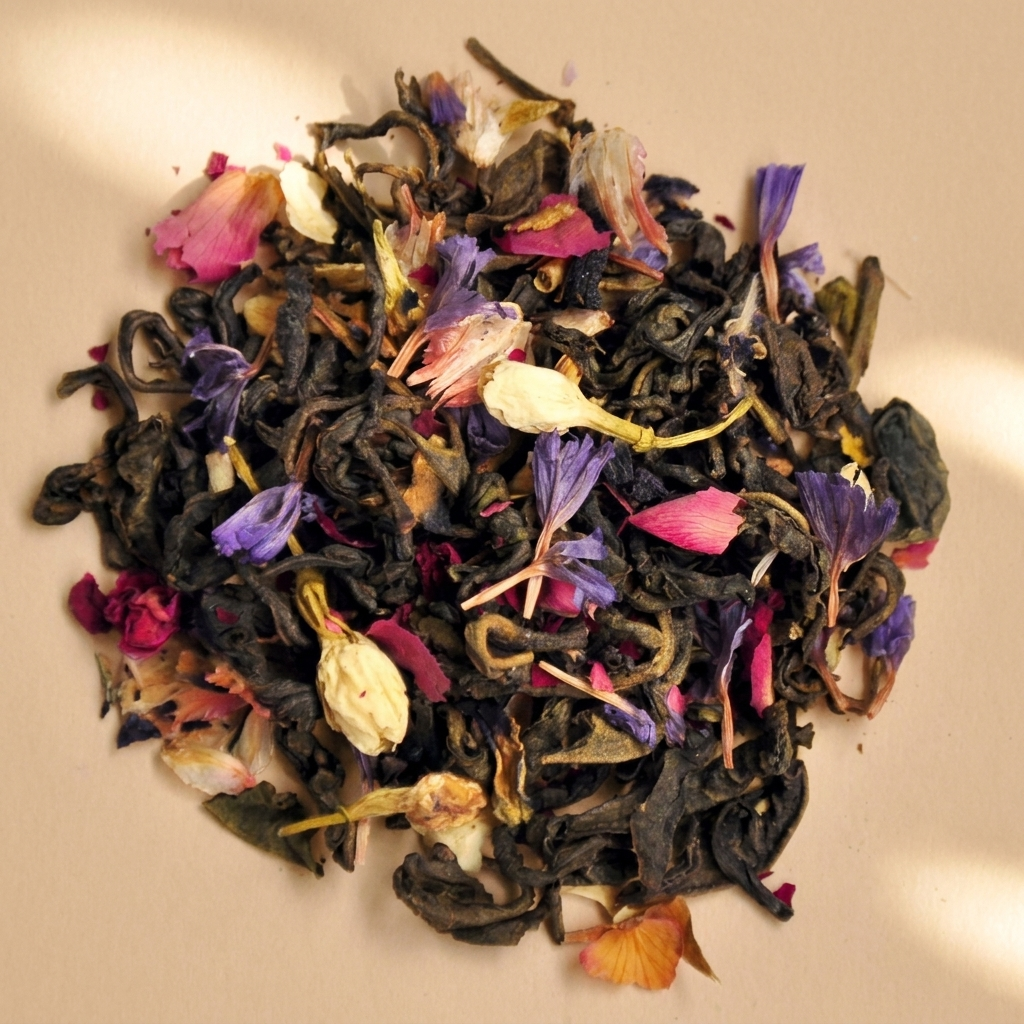
The hidden cost of degradation
A bulk order of powdered tea that degrades in quality represents a higher actual cost than a smaller, fresher order of cut herbs. When the flavor fades or the potency drops, the recipient perceives a lower-quality product. For a gift, this damage to brand reputation or personal goodwill far outweighs the initial savings on the bulk purchase. The true cost per cup is not just the purchase price divided by the number of cups, but the purchase price divided by the number of good cups you actually get before the tea turns stale.
Storage tips for travelers
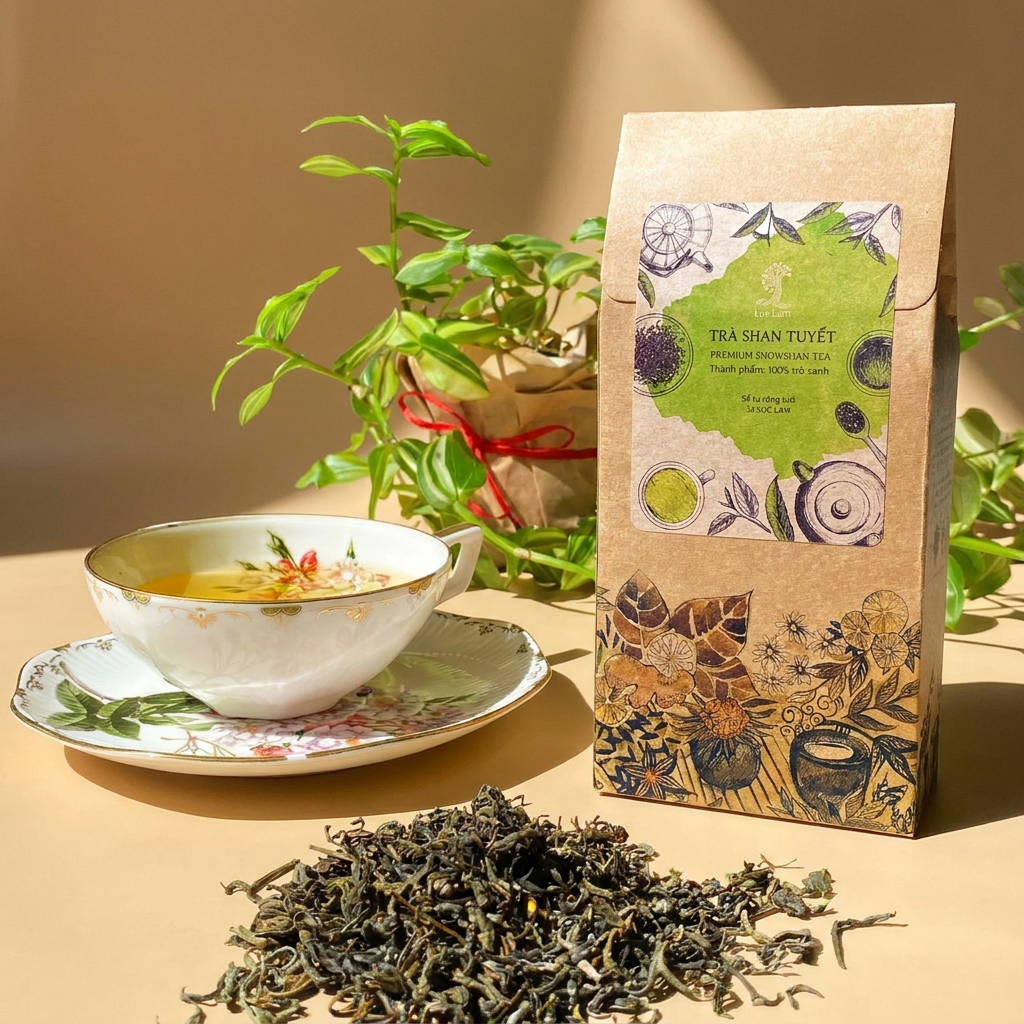
If you are carrying these items in refined packaging, such as the 50g paper boxes often found in Vietnamese tea brands, storage during travel is key. Ensure the original foil or sealed inner layer remains intact before placing the tea in its outer gift box. Avoid leaving the package in the trunk of a car, where heat and humidity accelerate oxidation. Keep the tea in a cool, dry place within your luggage, away from strong-smelling items. By preserving the integrity of the packaging, you ensure the product remains a high-quality gift upon arrival, with its full aroma and visual appeal intact.
Sourcing Vietnamese tea brands for your bulk order
Identifying a trustworthy supplier for organic herbal blends begins with transparency. When sourcing from Vietnamese tea brands, prioritize partners who clearly document the origin of their ingredients and describe their processing methods in detail. A reputable wholesaler will not hide behind vague labels like “traditional recipe”; instead, they will specify which region the flowers or herbs were harvested in and how they were dried or cut. This clarity is your first line of defense against inconsistent quality, especially when you are planning a larger wholesale order for gifting.
Quality assurance is another critical factor. While not every small-scale producer has third-party certification, look for signs of rigorous internal controls. For instance, suppliers who operate their own laboratories for testing purity and potency set a high benchmark for safety. When evaluating a wholesale Vietnamese tea partner, ask if they can provide recent lab reports or batch-specific testing results. This step ensures that the bulk herbal tea you receive meets the standards expected by health-conscious recipients.
Before committing to a large purchase, always request samples. This is particularly important for gifts, as the flavor profile must match the taste preferences of the intended recipient. A small sample allows you to verify the aroma, color, and brewing characteristics of the blend. If the notes are too intense or the extraction is weak, you can adjust your order before incurring the cost of a full shipment. Sampling also gives you a chance to assess the physical format—whether the cut pieces are uniform or if the whole ingredients look fresh and intact—ensuring the product looks as appealing as it tastes.
Balancing technical choices with gifting aesthetics
Your final decision should balance technical efficiency with the visual impact of the gift. A bulk order of cut herbs may offer better cost-per-cup and faster brewing, but the packaging must reflect the care you put into the selection. Look for refined packaging options that protect the tea while presenting it elegantly. By pairing a well-chosen format with high-quality sourcing, you create a gift that is both a practical wellness item and a memorable token of appreciation for family or business partners. The goal is to ensure the recipient experiences both the value of the price and the beauty of the presentation, making the Vietnamese tea a memorable part of your travel experience.
Frequently asked questions about buying herbal tea in bulk
Cost: cut versus whole herbs
Is it cheaper to buy cut herbs or whole herbs for tea? For most brewing purposes, cut herbs are the more cost-effective choice. The slicing process breaks down the plant structure, allowing water to extract flavor and active compounds more efficiently than it can from an intact leaf or pod. While whole herbs often carry a higher price per gram due to the labor involved in sorting and preserving them, you may end up using more of them to achieve the same strength in a cup. Whole herbs do offer a distinct advantage in longevity; with less surface area exposed to air, they tend to retain their aroma and potency for a longer period on the shelf. For a traveler who needs a gift that stays fresh for several months, the trade-off in shelf life might justify the higher initial cost of whole botanicals like lotus flowers or cardamom.
Minimum order quantities
What is the minimum order for a wholesale Vietnamese tea brand? Most reputable suppliers operating with a wholesale model use a tiered quantity system, typically starting at 250g and moving up to 500g and 1000g increments. In this framework, the 1000g bag frequently represents the most cost-effective price per gram. If you are planning to buy herbal tea online for a corporate gift or a family gathering, checking the specific tier structure of your chosen supplier is essential. A 250g order offers lower upfront risk if you are unsure about a specific flavor profile, but the per-unit savings generally improve significantly as you move toward the 1000g tier.
Freshness in bulk packaging
Does bulk herbal tea stay fresh without a tea bag? Yes, provided the packaging is airtight and light-blocking. The standard for high-quality bulk purchases is the protective foil bag, which creates a barrier against the two main enemies of herbal teas: moisture and light. Without this protection, the delicate aromatics in organic herbal blends can degrade quickly, leading to a flat or stale taste by the time the recipient brews the cup. Always verify that your supplier uses double-sealed, opaque foil packaging. This ensures that the tea arrives in the same condition it left the warehouse, preserving the refined quality expected of a thoughtful gift.
Conclusion
The real savings in bulk herbal tea come from matching the physical format—cut, whole, or powdered—to your brewing needs, rather than simply chasing the lowest price per kilogram. For travelers selecting Vietnamese tea brands, the 250g to 1000g quantity tier often matters more than the total weight when balancing cost against presentation. By prioritizing cut herbs for their efficient extraction and choosing a size that fits your storage space, you secure a better value without compromising the aesthetic of a refined gift. When you apply these principles to your next purchase, you move beyond guessing and make a decision grounded in practical cost efficiency. Whether you are sourcing for a family member or a business partner, this informed approach ensures the tea remains a thoughtful, high-quality gesture that respects both your budget and the recipient’s taste. The goal is not just to buy more, but to choose smarter, letting the quality of the organic herbal blends speak for itself in a package that feels personal and appropriate for the occasion. If you have questions about specific formats or packaging options, our team is happy to help you find the perfect fit for your next gift.