On This Page· 6
Shipping Vietnamese herbal tea to Canada is straightforward if you treat the logistics as a food import process rather than a casual parcel. Yes, you can send these products, but the most common reason packages are held or returned is a vague label. Writing “Gift” or “Souvenir” triggers an immediate hold because customs officers need specific details to verify that the contents are safe for food import and do not violate plant quarantine rules. A generic description forces a manual inspection, which delays delivery or leads to the destruction of goods if the contents cannot be identified quickly.
To avoid this, treat the shipping label like a technical document. This guide walks through the specific steps for moving traditional tea from Vietnam to Canada, covering how to name items correctly, what quantity limits apply for personal use, and how to pack loose-leaf products so they arrive intact and compliant with Canadian food safety standards.
The Canadian Customs Red Line for Food Imports
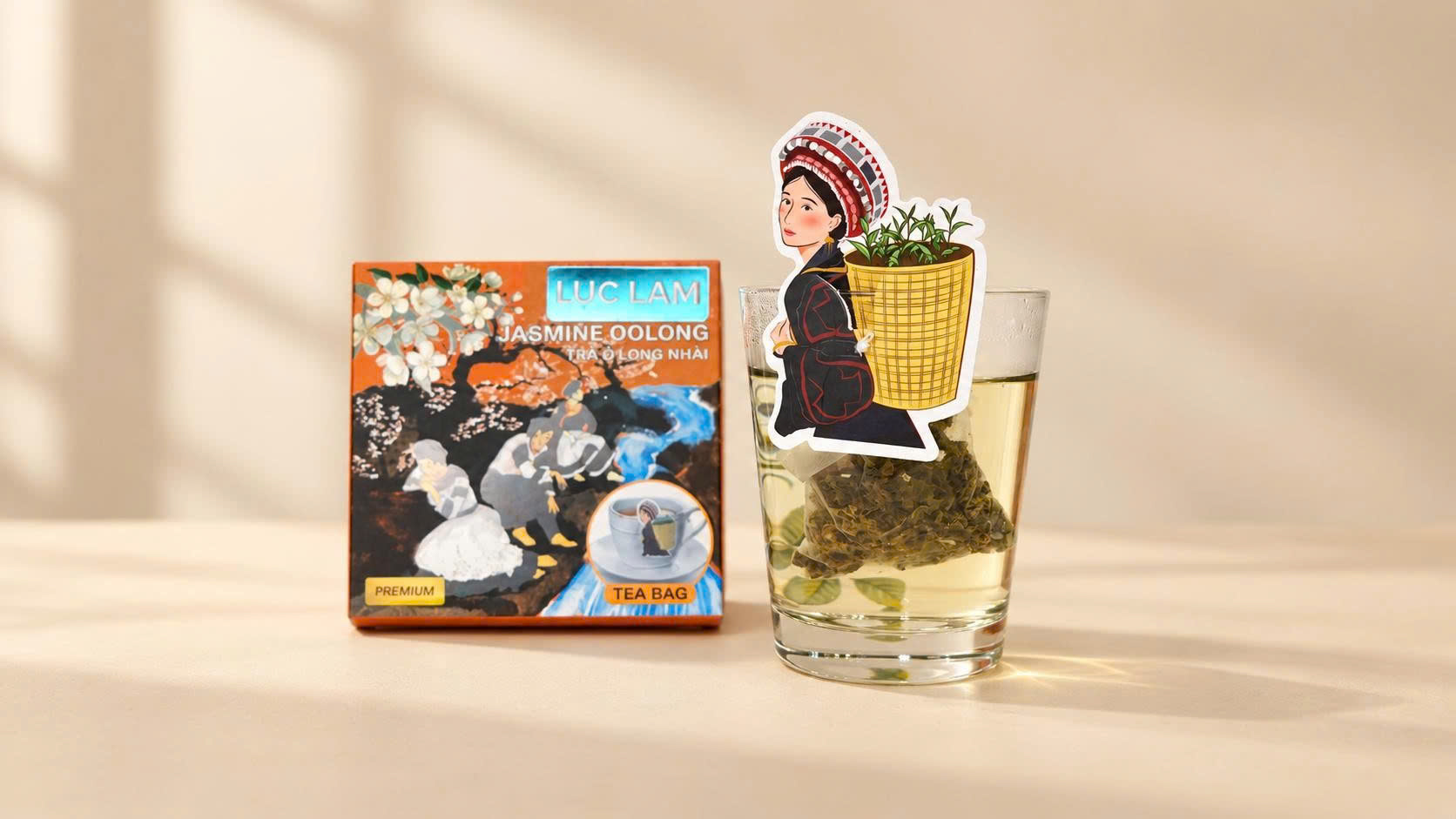
When a box of Vietnamese herbal tea leaves Vietnam, it is no longer just a souvenir. In the eyes of the Canada Border Services Agency (CBSA), it is a food product. This classification triggers a review process involving the Canadian Food Inspection Agency (CFIA) and Health Canada. Unlike standard retail goods like electronics or clothing, food items are subject to safety standards that check for contaminants, labeling accuracy, and plant health. Understanding this shift in status is the first step to ensuring your package clears the border without a long hold.
The Personal vs. Commercial Threshold
The distinction between a personal gift and a commercial import often comes down to two factors: quantity and weight. A single box or a small carton intended for a family member’s personal consumption is generally treated as a personal item. However, if the shipment contains multiple boxes, heavy crates, or appears to be for resale, it signals a commercial import. Commercial shipments require specific permits and detailed documentation that a casual sender rarely has. If your goal is to share a taste of Vietnam with a friend or relative, keeping the quantity within the range of a personal gift is the safest path to smooth customs clearance.
Botanical Scrutiny: Why Herbal Tea is Different
Not all teas face the same level of inspection. Plain green or black tea, which comes from the Camellia sinensis plant, is a standard commodity. Herbal and floral teas, however, are mixtures of various botanicals. These plant-based ingredients trigger stricter plant quarantine rules. Canadian authorities check for invasive species or plant pests that could threaten local agriculture. This means that a blend containing chrysanthemum or ginseng will undergo a more detailed check than a standard oolong. Be prepared for a slightly higher chance of inspection, and ensure the specific botanical ingredients are clearly listed on your paperwork to help the officer verify the contents quickly.
Provincial Nuances
While federal laws govern the initial entry, the rules for moving goods within Canada can vary by province. Some provinces have stricter regulations on food labeling or specific health requirements. It is worth checking the specific import rules for the recipient’s province, as local nuances can affect how the package is handled after it leaves the federal port of entry. A little extra research now can prevent a minor delay at the final delivery stage, ensuring your gift arrives as smoothly as the tea is brewed.
Why Your ‘Gift’ Label Fails: Documentation & Naming
When a box of Vietnamese herbal tea arrives at the Canadian border, the first thing a customs officer checks is not the weight, but the description on the label. Writing “Gift” or “Souvenir” is the single fastest way to trigger a hold. These vague terms offer no information about the contents, forcing the officer to assume the worst and open the package for a manual inspection. For food items, this extra step can mean days of delay, or even a return shipment if the contents cannot be verified quickly.
To avoid this, your documentation must tell a precise story. Instead of a generic title, use the specific product name. If you are sending a box of chrysanthemum blend, label it “Herbal Tea with Chrysanthemum.” If it is a jasmine oolong, use “Jasmine Tea.” Specificity allows the officer to verify the item against their database without physically opening the box. This transparency is the key to smooth customs clearance for traditional tea items.
Preserving Original Packaging for Verification
Do not remove the original manufacturer packaging or ingredient lists when repackaging for a gift. Canadian customs officers need to see the official label to confirm that the contents match your declaration. If the original box is intact, with a clear ingredient list visible, the officer can verify the shipment in seconds. If you wrap the original box in plain paper and add a new label that simply says “Tea for Mary,” you have hidden the evidence. This obscures the origin and ingredients, turning a routine check into a complicated investigation. Keep the original seal visible or place it where it can be easily identified.
The Commercial Invoice Checklist
A detailed commercial invoice is your safety net. Even for personal gifts, you should attach a document that clearly lists the contents. This is not a formal commercial transaction for resale, but a declaration of value and content. Include the following four elements on your invoice or packing slip:
- Product Name: The exact name of the tea (e.g., “Green Tea,” “Jasmine Tea”).
- Ingredient List: A brief summary of the botanicals or leaves used.
- Net Weight: The total weight of the tea contents, excluding the box and packaging.
- Country of Origin: Clearly state “Vietnam.”
This checklist ensures that if the carrier or customs requires additional information, it is already available. Accurate documentation reduces the risk of your shipment being flagged for extra scrutiny, protecting your gift from unnecessary delays during its journey to Canada.
Packaging Loose-Leaf and Herbal Tea for Transit
Loose-leaf Vietnamese herbal tea is fragile, not just because the leaves can crush but because they are hygroscopic and aromatic. During the one- to two-week transit from Vietnam to Canada, the humidity in cargo holds and temperature shifts can strip away the delicate floral notes of traditional tea if the seal is compromised. The first line of defense is airtight, resealable inner packaging. Ensure every tin or pouch is tightly closed. If the original packaging from the shop is not resealable, consider adding a small, food-grade sealable bag as an intermediate layer to prevent moisture absorption and aroma loss before the box is sealed shut.
The Double-Box Method
International air freight is rough. Packages are thrown, stacked, and tossed. Relying on a single box often results in crushed tins and broken seals. The most reliable solution is the “double-box” method. Place your tea containers inside a sturdy, corrugated cardboard outer box. Fill the voids with ample cushioning material, such as bubble wrap or crumpled paper, to ensure the inner items do not shift or impact the box walls. This buffer protects the integrity of the airtight seals mentioned earlier. If you are including glass tea ware, wrap each piece individually in foam or cloth before placing them in the inner box. The focus, however, remains on the tea leaves, which are the primary product and most sensitive to structural damage.
Final Checks Before Handover
Before handing the package to the courier, verify that the outer box is labeled accurately. The description on the label should match the contents exactly. More importantly, declare the shipment value accurately. An under-declaration can trigger a customs audit or lead to the package being held for re-inspection, causing significant delays. An accurate value declaration simplifies the customs clearance process and ensures that any duties or taxes are calculated correctly, preventing surprise fees for the recipient in Canada. This step is a small effort that avoids the hassle of a returned or destroyed package.
Navigating the Logistics: Couriers & Costs
Choosing the right carrier is often the deciding factor in whether your parcel arrives on time and intact. For a shipment of traditional tea crossing the Pacific, the trade-off is clear: speed and visibility versus budget. Express carriers typically deliver from Vietnam to Canada in 3-5 business days. Postal services, while cheaper, take 2-3 weeks and offer less granular tracking for food items. If the recipient is expecting the gift for a specific occasion, the reliability of an express courier is usually worth the premium to avoid last-minute surprises.
The Real Cost Drivers
Shipping fees are not just about the box’s weight; they are calculated based on volumetric weight, which accounts for the package’s dimensions. A large, lightweight box of loose-leaf tea can cost more to ship than a smaller, denser one. The speed of delivery also plays a significant role in the final price, with next-day or expedited options carrying a higher fee than standard international post. For any high-value gift set, adding shipping insurance is a prudent step. If the package is lost or damaged in transit, insurance covers the replacement cost, protecting both the sender’s investment and the recipient’s expectations.
| Service Type | Typical Transit Time | Tracking Quality | Cost Level |
|---|---|---|---|
| Express Courier | 3–5 Business Days | High (Real-time) | Higher |
| International Post | 2–3 Weeks | Basic (Checkpoint-based) | Lower |
Vietnamese Herbal Tea to Canada: Common Questions
Sending Loose-Leaf Varieties Across the Border
Can I ship loose-leaf herbal tea to Canada?
Yes, provided the package is in sealed, clearly labeled packaging and declared accurately on the shipping documents. For botanical ingredients, such as chamomile, chrysanthemum, or jasmine, you must list them explicitly. Vague terms trigger inspections, while specific ingredient lists often facilitate customs clearance without delay. If you are looking for authentic Vietnamese tea that meets these documentation standards, ensure the vendor provides a full ingredient breakdown before dispatch.
Permits for Personal versus Commercial Shipments
Do I need a permit to send tea to a friend in Canada?
For small quantities intended for personal use, generally under 20kg, no special permit is required. The shipment is treated as a personal effect or gift. However, if you are shipping large quantities or intend for the recipient to resell the product, the classification shifts to commercial import. In that scenario, a permit and compliance with Canadian Food Inspection Agency standards become mandatory. Most travelers sending a gift box of traditional tea stay well within the personal limit.
Handling Customs Holds and Inquiries
What happens if my package is held at customs?
When a parcel is flagged, Canadian authorities typically contact the recipient for additional information. If the documentation is incomplete, or the contents are restricted without proper permits, the package may be returned to the sender or destroyed. To avoid this, ensure the commercial invoice matches the actual contents. For anyone wondering about shipping to Canada, clear labeling is your primary defense against unnecessary holds.
Availability of Specific Blends in Canada
Is it cheaper to buy Vietnamese tea in Canada?
While major global tea brands are widely available in Canadian stores, specific artisanal or regional blends from Vietnam are often unique to local vendors. Finding a specific floral or herbal profile online in Canada is rare. Importing directly from Vietnam ensures you get the exact variety you selected, making it a worthwhile effort for unique gift needs. You might choose to buy online from a specialized exporter to guarantee the authenticity of the Vietnamese herbal tea you intend to give.
Final Checklist for a Smooth Transit
Getting Vietnamese herbal tea to Canada comes down to three clear moves: label the box with specific product names rather than vague terms like ‘gift,’ keep the quantity within personal-use limits, and protect the leaves with sturdy, airtight packaging. When these elements align, the package moves smoothly through Canadian customs, saving time and preserving the quality of the traditional tea inside. If you are sending a curated gift set, double-check the ingredient list one last time before handing it to the courier—clarity is the fastest way to get the tea into your loved one’s hands.