On This Page· 7
You stand in a gift shop in Da Nang, holding a beautifully wrapped box of organic Vietnamese herbal tea. The label features earthy tones and a promise of purity, but a quiet doubt creeps in: is the “organic” claim actually verified, or just a marketing flourish? This uncertainty is common among travelers buying gifts for family or colleagues. The word “organic” is not a strictly regulated term in many regions, so the label alone does not guarantee quality or safety. A product can display the word prominently while lacking any third-party verification of its farming practices. This gap between promise and proof can lead to disappointment for the recipient. By checking the certifier name and understanding what to look for on the packaging, you can confidently select a product that meets your standards for wellness and gifting.
Why ‘organic’ on a tea label isn’t always enough
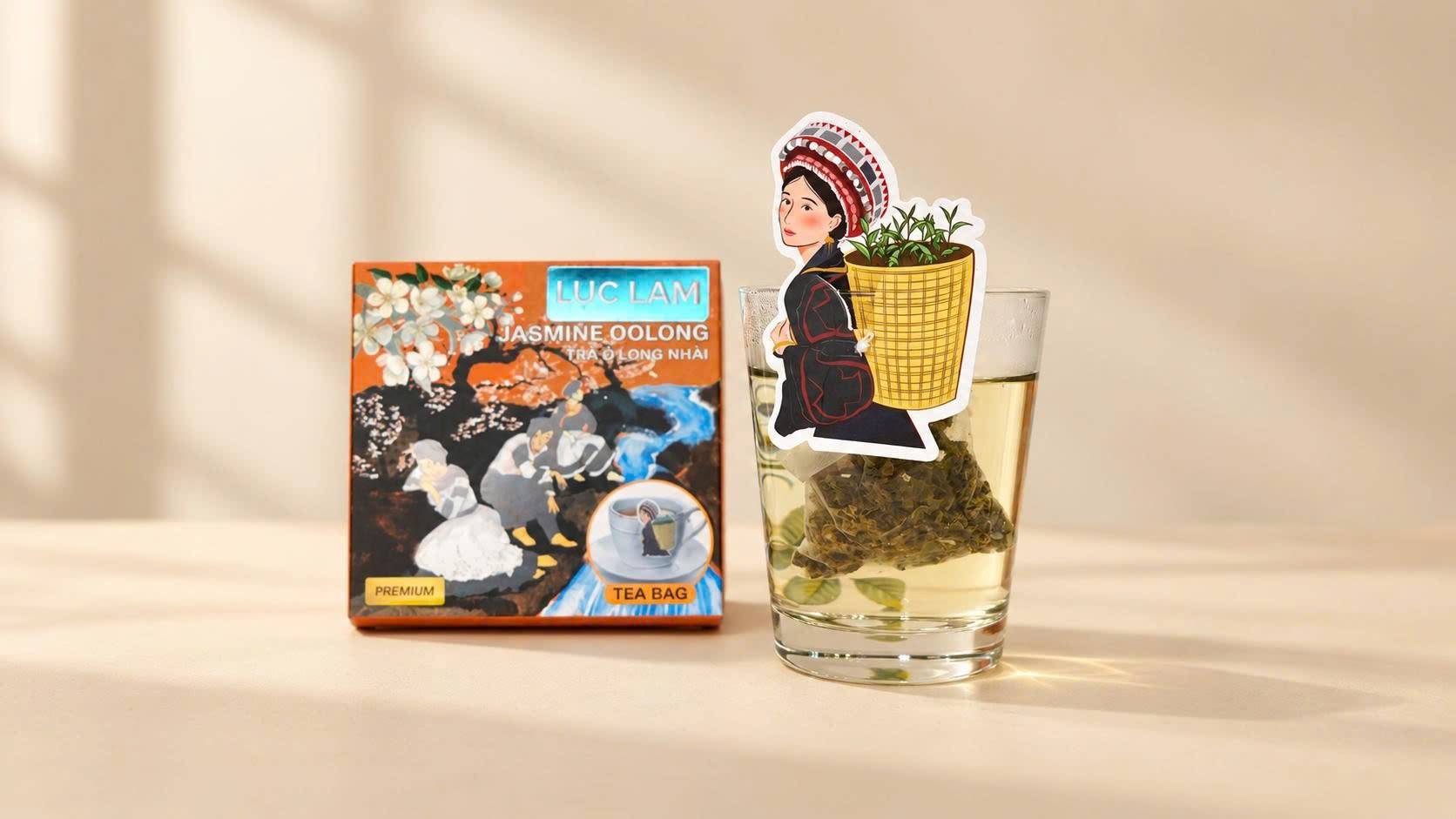
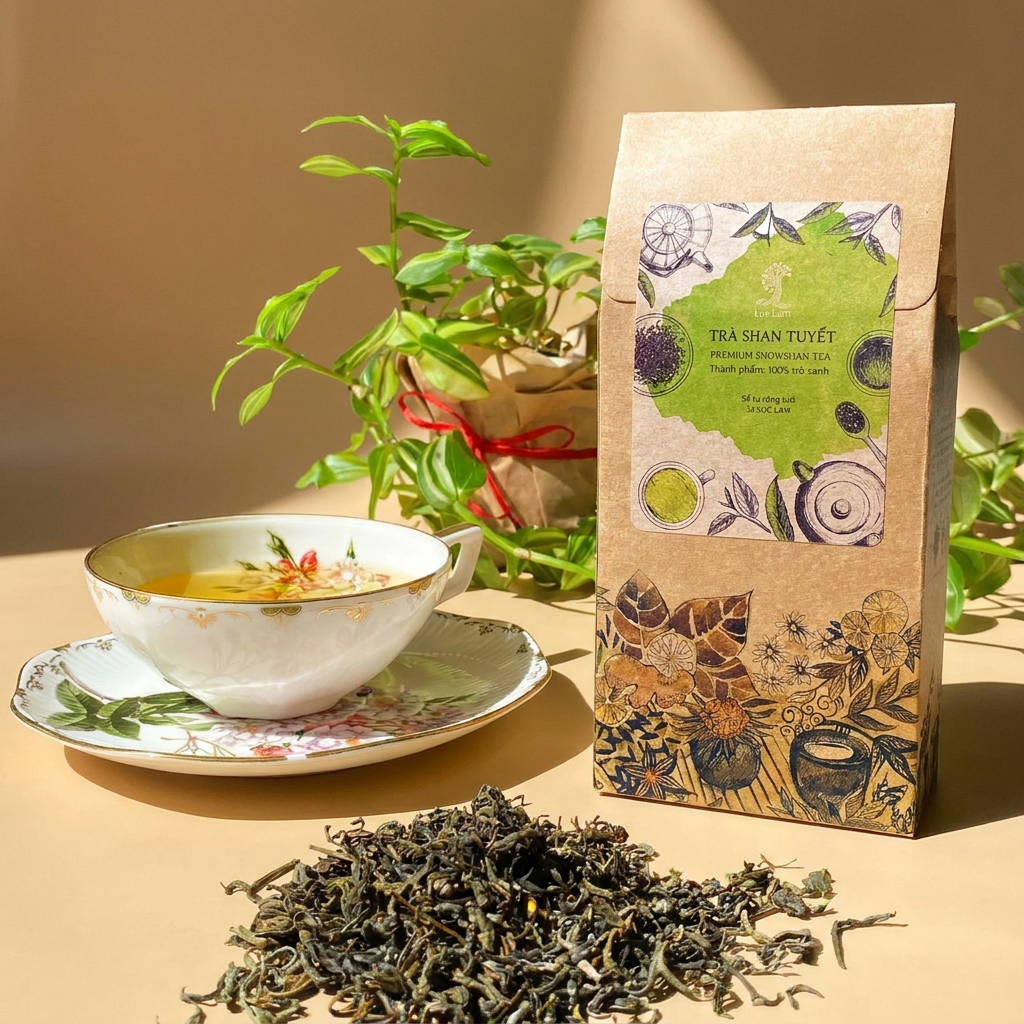
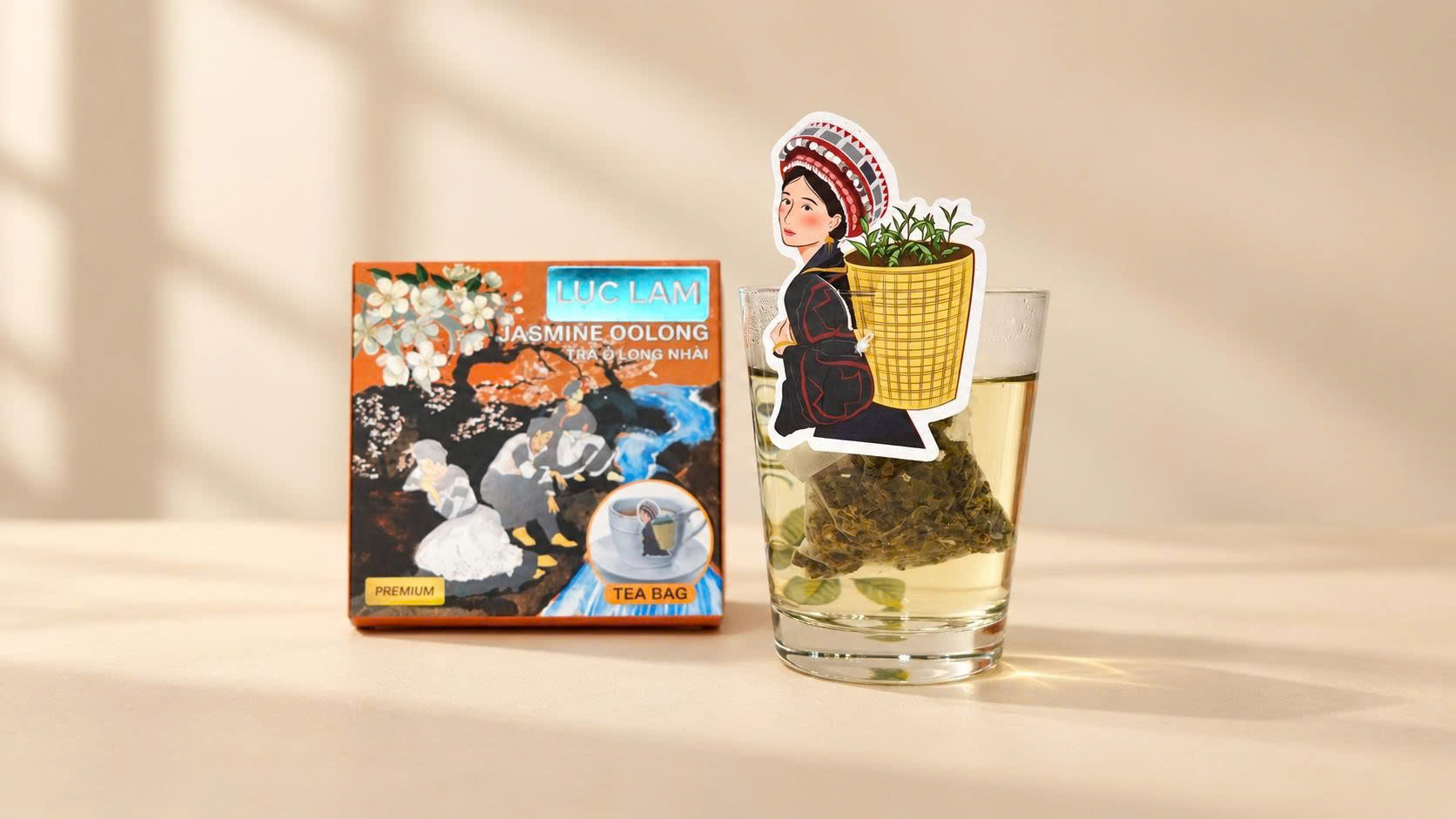
Holding a box of floral tea, you see the word organic printed in an elegant serif font. The packaging is rustic, featuring earthy browns and watercolor illustrations of local flowers. It feels authentic. But pause for a moment: does that single word guarantee the contents are safe, verified, or actually grown without synthetic pesticides? In the global tea industry, and often in local markets, “organic” frequently functions as a marketing adjective rather than a legal certification. Without a regulatory backbone, the term can be applied loosely to any product that looks natural, even if it hasn’t undergone a single audit.
The gap between self-proclaimed and verified
The distinction between a brand’s self-proclaimed status and third-party verified certification is the most important factor in determining quality. A self-proclaimed label is a promise made by the seller. A verified certification is a record kept by an independent auditor. When you see a certified organic tea label, you are looking at a product that has passed strict checks on soil health, water sources, and processing methods. Terms like “natural” or “chemical-free” are not regulated in many jurisdictions, meaning a company can use them freely without proving their claims. True organic status, however, requires the name of a recognized certifier to be legally displayed. If you cannot find that name, the claim is unverified.
Why this matters for your gift
Buying an unverified product as a gift for a health-conscious parent or a business partner carries a hidden risk. If the recipient is sensitive to residues or values transparency, discovering that the tea was not actually certified can lead to disappointment. If the product was not subject to rigorous testing, there is no guarantee of purity. For a traveler selecting organic Vietnamese herbal tea for a meaningful occasion, the stakes are higher than just price. You are giving a message of care and attention to detail. That message is only as strong as the evidence behind it.
Spotting the greenwashing trap
Greenwashing often looks appealing, relying on packaging designed to trigger an emotional response to nature. Think of kraft paper boxes, hand-drawn botanicals, and vague claims like “grown with love.” These tactics use aesthetics to bypass your need for proof. A classic example is a package with beautiful earthy tones but no certification details, no logo from a recognized body, and no certifier name on the back panel. The design promises purity, but the label offers no legal proof. Before you place the box in your basket, flip it over. If the back is silent on certification, the front is likely just a design choice, not a quality guarantee.
The 5 certifying bodies to look for
When you pick up a box of organic Vietnamese herbal tea, the front label might be beautiful, but the back panel holds the legal proof. True organic products must display the name of a recognized certifier. This name acts as a legal record of who audited the farm and processing facility, making it more reliable than a graphic symbol that could be copied.
Look specifically for these five recognized bodies. They operate in different regions and are standard names you should expect to see on legitimate packages:
- EcoCert: A global leader often seen on products destined for European and North American markets.
- Pro-Cert Organic Systems: Frequently found on North American and Canadian organic goods.
- QAI (Quality Assurance International): One of the largest certifiers in the United States and beyond.
- Control Union Certifications: Widely recognized across the EU and international trade.
- OCIA International: A US-based agency that certifies a wide range of organic products globally.
The name of the certifier is more important than the logo itself. While logos like the USDA Organic seal or the Canada Organic mark are regulated, the certifier’s name is the specific audit trail. A logo confirms the standard, but the name confirms who verified that your specific batch of tea meets it. If you see a logo but cannot find a corresponding certifier name in the small print, treat that as a red flag. The name is the legal anchor that connects the product to a documented chain of custody.
To help you scan packaging quickly, use this table to match the certifier with the regions where they are most commonly active.
| Certifier | Primary Region of Operation |
|---|---|
| EcoCert | Global (EU, NA) |
| Pro-Cert Organic Systems | North America |
| QAI | North America |
| Control Union Certifications | EU & International |
| OCIA International | US & Global |
Logo vs. Certifier name: two separate checks
When you turn the package over, you might see a recognizable green leaf or a country-specific seal. This is the logo. It signals the standard the product aims to meet. However, the logo is only the front door; the key that actually opens the verification process is the certifier name printed nearby.
The logo tells you which region’s rules apply. For example, the Canada Organic Logo is regulated by CFIA, while the USDA Organic label follows American standards. The EU Organic Logo represents European regulations. These symbols are strict, and only certified organic products are allowed to carry them. If a product claims “organic” but lacks one of these recognized logos, it is immediately a red flag.
Matching the symbol to the body
A common source of confusion is that a product might display a logo from one region but be certified by a body operating in another. This happens with global brands. The critical check is consistency. The name of the certifying body must match the logo you see. For instance, if you see the USDA logo, the packaging must list a recognized certifier like QAI or EcoCert that issued that specific certification. If the logo and the body name do not align, or if the name is missing entirely, the claim is unverified.
True organic products must display the name of a recognized certifier. This is a legal record, not just marketing copy. Logos can be mimicked or poorly reproduced, but the certifier’s name is tied to a specific license and audit trail. Always look for both.
What a genuine block looks like
A legitimate certification block on a tea package usually contains three distinct elements in close proximity:
- The Logo: The official symbol (e.g., USDA, EU, or Canada Organic).
- The Certifier Name: A clear, readable name of the agency (e.g., “Certified by: EcoCert”).
- The License Number: A unique code that links the product to the certifier’s registry.
If you see the logo but no certifier name or license number, treat the claim with skepticism. In the case of certified organic tea, the absence of the certifier’s identity is a major warning sign that the product may not have undergone third-party verification. Ensure these two checks—the symbol and the name—support each other before trusting the label.
The ‘ask for the COA or walk away’ rule
The Certificate of Analysis (COA) is the final piece of evidence for any certified organic tea purchase. While the label tells you what the brand claims, the COA is a laboratory-verified document that confirms the specific batch contains no prohibited synthetic pesticides or fertilizers. It acts as a direct link between the physical product and the certification body, ensuring that the “organic” status is not just a marketing tag but a tested reality. If you are holding a package of organic Vietnamese herbal tea and feel uncertain, this document is your safety net.
The rule is simple: if a store cannot provide a COA or clearly confirm the name of the certifying body, do not buy that specific item as a certified organic product. You are not being difficult; you are being a discerning buyer. A genuine supplier understands that transparency is the foundation of trust in the organic market.
How to ask for certification details in Vietnam
In Ho Chi Minh City or Da Nang, you can phrase this request simply. For example, you can say: “Excuse me, does this tea have a Certificate of Analysis available?” or “Could you please tell me which agency certified this product?” If you prefer to use the local language, asking for the “chứng nhận hữu cơ” (organic certification) is effective. Many shop assistants appreciate the specific question because it shows you are serious about quality.
Why reputable brands welcome the question
Lục Lam Vietnam Tea and other established Vietnamese tea brands are happy to provide these details. When a shop avoids the question or gives a vague answer, it is a clear signal to walk away. A trustworthy merchant will not hesitate to show you the paperwork or direct you to the certifier’s website for verification. This transparency is a hallmark of brands that genuinely adhere to organic standards, ensuring your gift carries verified integrity rather than just a label.
How to verify Vietnamese tea brands before you buy
You do not need a chemistry degree to spot a genuine certified organic tea; you just need a three-step checklist that takes less than a minute. Before placing any box in your bag, treat the package as a document to be audited, not just a gift to be admired. This approach protects you from unverified claims and ensures your gift carries a verified standard of quality.
The 3-Step Pre-Purchase Checklist
To make your decision easier, follow these three specific actions:
- Check the back for a certifier name. The front of the package is for marketing; the back is for compliance. Look for the legal name of the certifying body, such as EcoCert, QAI, or Control Union. If the text is too small to read, that is the first signal to walk away.
- Match the logo and certifier. Ensure the official organic logo displayed corresponds to a certifier whose name is printed nearby. A logo without a supporting name is a mismatch that should raise immediate concern.
- Ask for the COA if in doubt. If you are in a physical store and still feel uncertain, ask the staff for a Certificate of Analysis. This document proves the specific batch was tested and verified. A reputable seller will not hesitate to share this information.
Quality Does Not Always Mean ‘Organic’
It is a common misconception that all high-quality Vietnamese tea must be organic. In reality, many Vietnamese tea brands produce exceptional herbal teas that are not certified organic because the cost of certification is prohibitive for small-scale farmers or because their traditional farming methods do not fit the strict organic framework. This is not a flaw in the product or the farmer. It simply means the “organic” label does not apply to that specific SKU. A non-organic tea can still be pure, flavorful, and a wonderful gift for family or colleagues. When choosing for business partners or older relatives, the focus can be on the heritage and taste profile rather than the certification status.
Evidence Over Aesthetics
When selecting gifts, it is tempting to rely on the packaging. Rustic, earthy tones often signal “natural” or “organic” to the human eye, but visual design is not evidence. Adopt a mindset of evidence over aesthetics. Trust the printed data on the label over the artistic design of the box. If the certifier name is missing, the product is not verified, regardless of how beautiful the package looks. This is the only way to ensure your gift represents a genuine standard of agricultural practice.
If you are looking for transparency in your choice, Lục Lam Vietnam Tea values this level of scrutiny. For their artisanal herbal tea collection, the team can provide certification details if you request them. Asking directly shows the seller that you are an informed buyer, and it helps you select a gift that aligns with your standards for wellness and quality.
Frequently asked questions about certified organic tea in Vietnam
Is every herbal tea in Vietnam considered organic?
Not at all. “Organic” refers to a specific, verified status, not a generic description of quality. Many Vietnamese teas are excellent but have not gone through the rigorous process of certification, often due to the higher costs of compliance or different traditional farming practices. A lack of certification does not mean the tea is poor; it simply means the “organic” claim does not legally apply to that specific product. Distinguish between high-quality artisanal tea and certified organic tea, as they belong to different categories of verification.
What if the package says “100% organic” but shows no logo?
That is a significant red flag. According to regulatory standards, products stating “organic” without a recognized certification logo or the name of a certifier are unverified claims. Do not trust packaging that relies solely on text. A genuine product will always display the name of a recognized certifier, such as EcoCert or QAI, alongside any official logos. If the label is vague or lacks these details, it is safer to assume the claim has not been independently validated.
Can I ask for certification documents in Vietnamese?
Yes. You can ask the shop assistant for the “chứng nhận hữu cơ” (organic certification) or the Certificate of Analysis (COA) for the specific batch you are purchasing. Reputable stores in Ho Chi Minh City or Da Nang will appreciate this due diligence and can either provide the documentation or direct you to the supplier’s records. If a store hesitates or refuses to answer, that is often a signal to look for a different vendor.
Does certification guarantee the tea is healthier for me?
No. Certification verifies agricultural standards, specifically that no synthetic pesticides or fertilizers were used, but it does not guarantee specific health outcomes. It is a marker of farming practices, not a medical endorsement. While avoiding synthetic chemicals is a personal benefit for many, the primary value of the certification is transparency and adherence to strict environmental and agricultural guidelines.
Conclusion
A truly verified organic Vietnamese herbal tea carries more than just flavor; it offers a layer of trust that makes it a more thoughtful gift. When you hand a package to a colleague or a business partner, the certified status tells them you took the time to ensure quality, not just aesthetics.
Next time you are browsing shops in Ho Chi Minh City or Da Nang, keep the three-step checklist in mind: check the back for a certifier name, match it with the logo, and ask for the COA if any doubt remains. It is a quick habit that separates a genuine certified organic tea from a label that is merely decorative.
If you prefer a simpler path where the verification work is already done, you can stop by a Lục Lam store to ask for the certifier details on the spot. The staff can walk you through the specific certifier names and batch documentation for the artisanal collection, offering a practical way to feel confident in your choice before you head home.