On This Page· 6
A jar of snake wine, purchased as a traditional gift in Nha Trang, often ends up in a customs bin upon return to Japan, Taiwan, or China. This is a standard enforcement action for items containing animal parts or unprocessed biological materials. Many travelers face this moment of regret: having spent money on a souvenir they can no longer touch, smell, or give to the intended recipient.
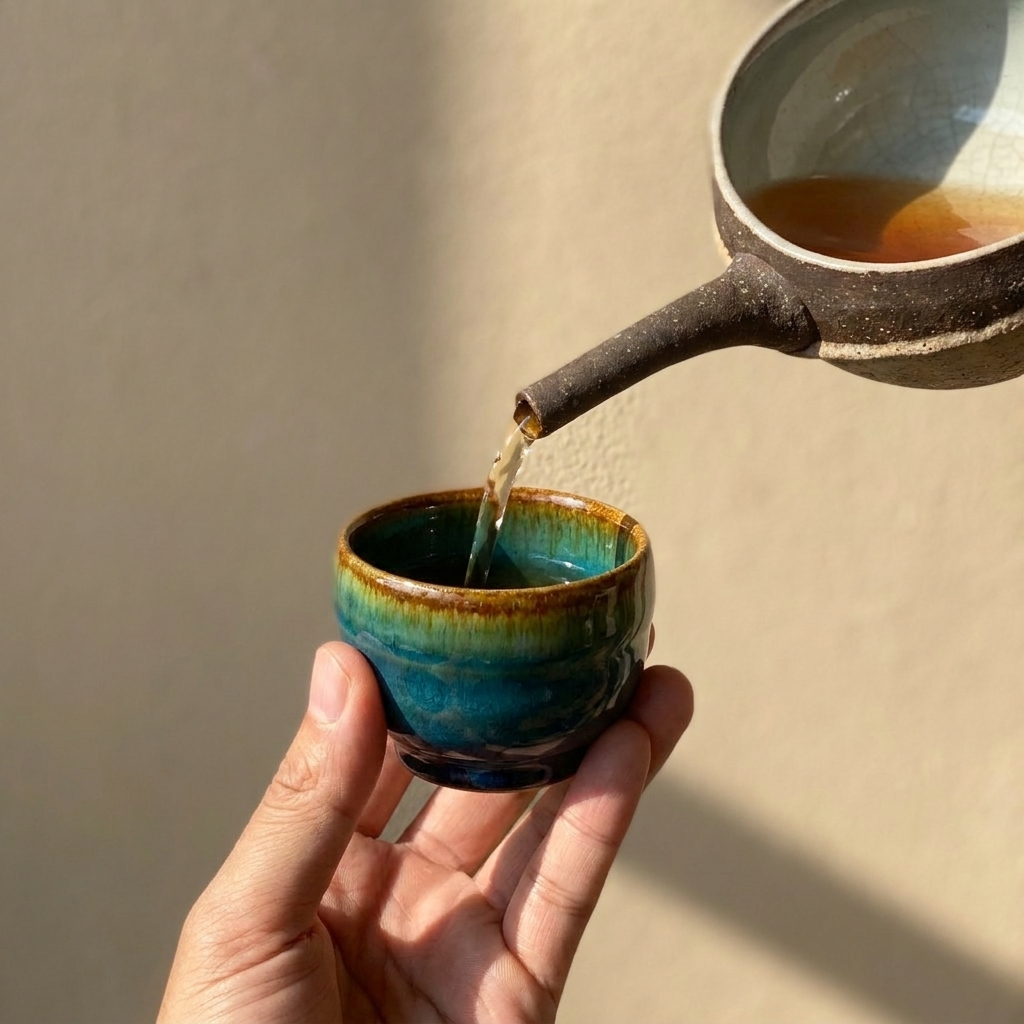
The challenge with Vietnamese herbal products is that they sit on a blurred line between “wellness” and “medicine.” What looks like a simple tea or balm in a local specialty shop may be classified as a restricted substance by agricultural inspectors at your destination. Before reaching for your wallet, it is critical to ask: Will I actually be able to take this home?
This guide acts as a pre-purchase checklist. It identifies which Nha Trang souvenirs are low-risk for international travel and which are high-risk for confiscation. We examine how packaging, labeling, and specific ingredients determine whether an item clears the border smoothly or gets flagged. By understanding these distinctions, you can choose herbal gifts that are culturally meaningful and legally safe to bring back to your family and business partners.
Vietnamese herbal products that clear customs without issues
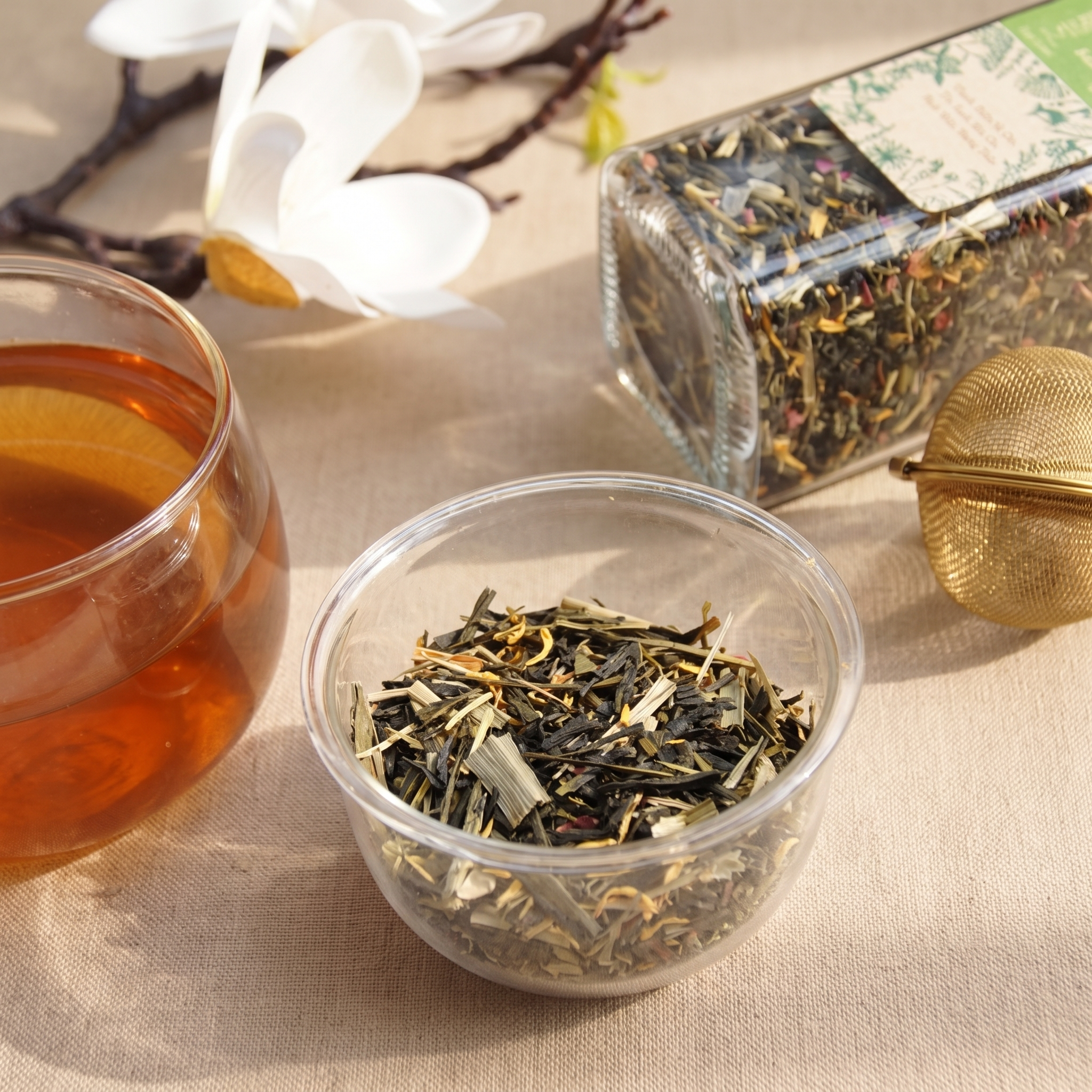
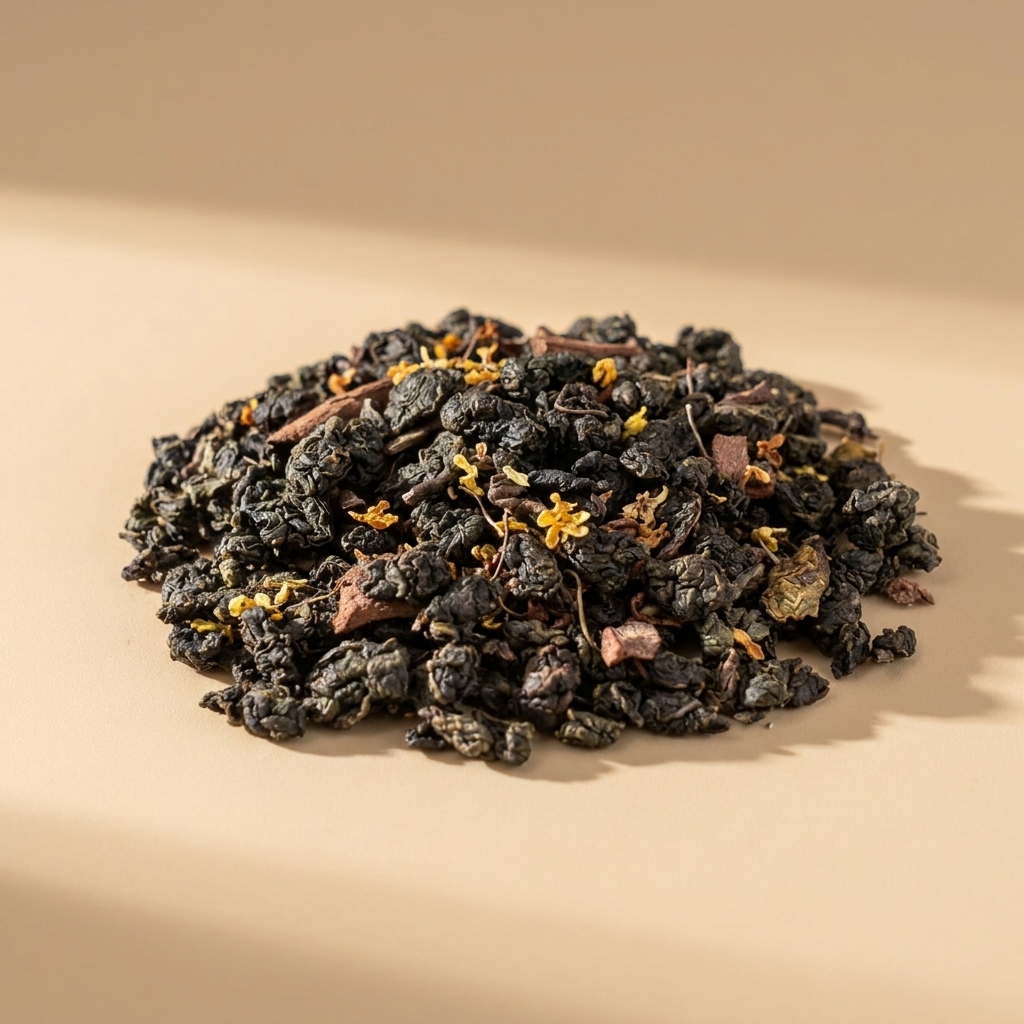
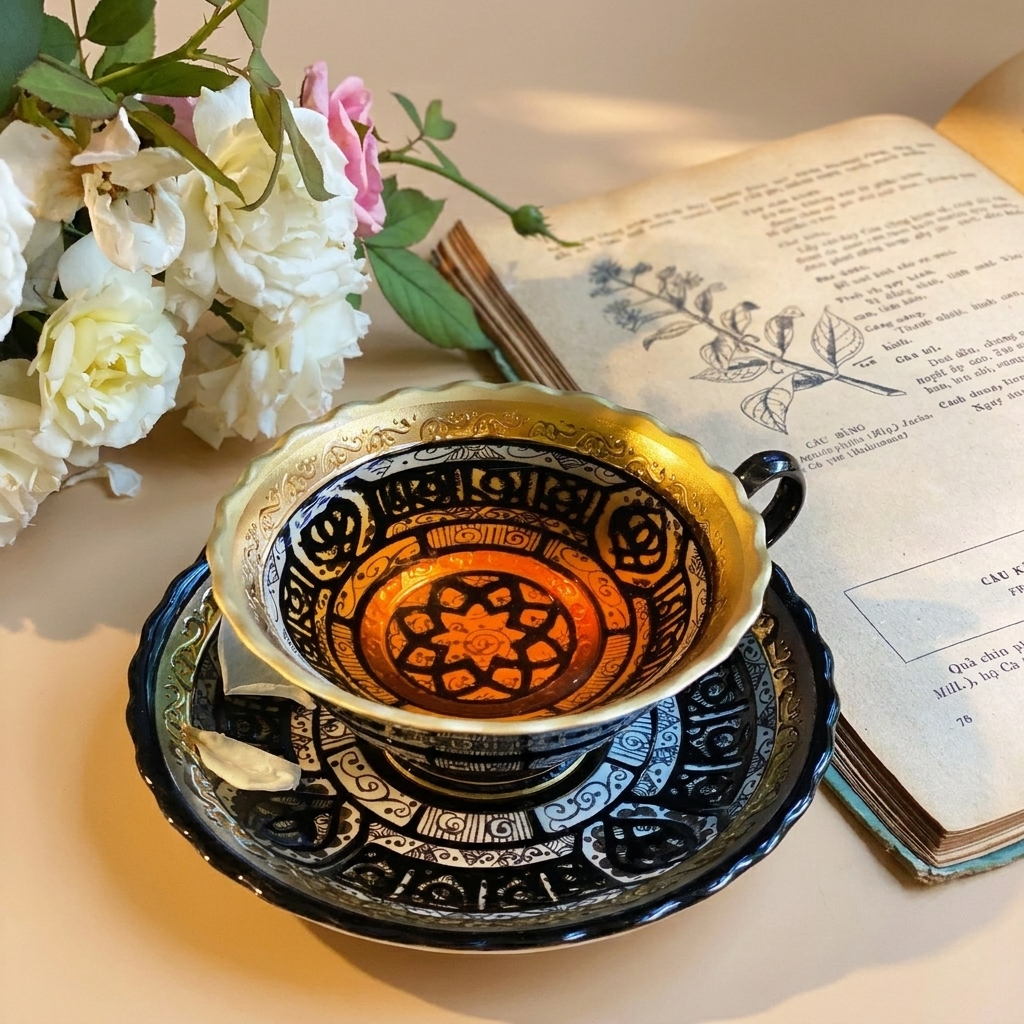
When selecting Nha Trang souvenirs, the safest option is dry, commercially packaged goods. Think of items like lotus tea, ginger blends, or cinnamon-infused herbal drinks. These are treated by most border authorities as food staples rather than pharmaceuticals. Because they lack liquid bases or concentrated extracts, they rarely trigger the agricultural inspections that catch other plant-based products in Japan, Taiwan, or China.
The distinction matters because customs inspectors focus on potential contamination or prohibited biological materials. A sealed jar of loose-leaf tea is inert; it does not carry the risk of spreading pests or disease that fresh or unprocessed items might. This classification makes standard herbal gifts significantly less likely to be flagged or confiscated compared to items labeled as traditional medicine.
The difference between wellness and medicine
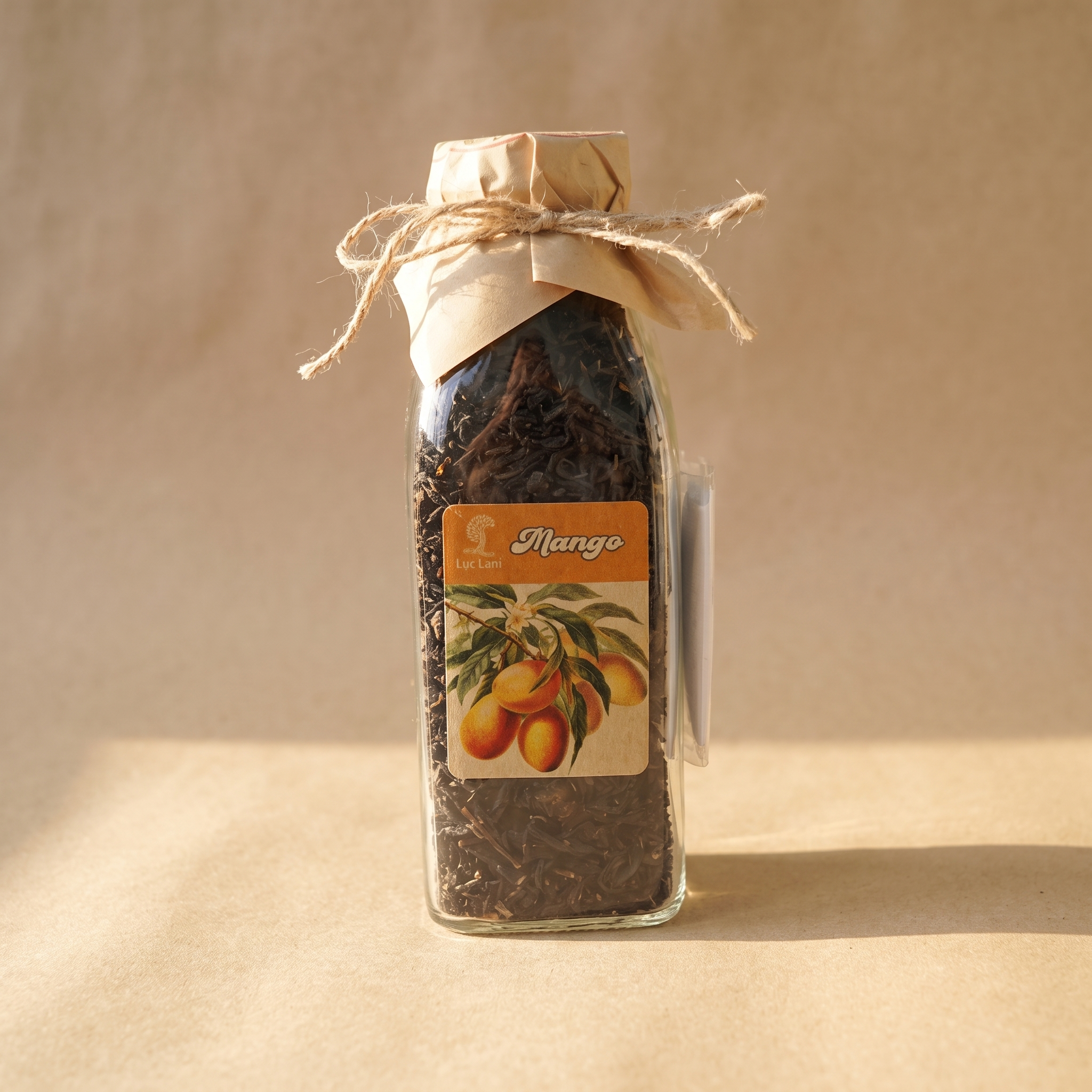
It is helpful to draw a clear line between a wellness item and a medicinal one. A wellness tea is intended for refreshment or mild comfort, containing visible whole leaves or flowers. In contrast, traditional medicines often involve concentrated extracts, tinctures, or animal parts. These latter items face strict import bans in many countries due to wildlife protection laws and health regulations. If a product claims to cure an ailment or contains ingredients like snake oil or deer antler, it falls into the high-risk category that inspectors actively scrutinize.
Risk comparison of common herbal items
To make your decision easier, consider the risk profile of popular categories. The table below outlines how different types of traditional gifts are typically treated at the border.
| Product Type | Typical Examples | Customs Risk Level |
|---|---|---|
| Dry Herbal Teas | Lotus, Ginger, Cinnamon | Low |
| Medicated Balms | Menthol, Camphor, Tiger Balm | Medium |
| Liquid Medicines | Snake Wine, Herbal Oils | High |
Choosing from the low-risk category ensures your purchase serves its intended purpose: bringing home a taste of Vietnam without the stress of losing it at the gate.
Why snake wine gets confiscated: The customs red line
A jar of preserved snake is a common sight in Vietnamese traditional medicine, but it is a major red flag for international travelers. Buying this as a souvenir can lead to the item being seized at the border, turning a unique cultural experience into a stressful legal issue. For visitors exploring Vietnamese herbal products, understanding why certain items are banned is just as important as knowing what to buy.
The legal reasons for seizure
Customs officials in Japan, Taiwan, and China strictly enforce wildlife protection laws. Items containing animal parts are often classified as unprocessed biological materials, which are subject to strict import bans to prevent the spread of disease and protect endangered species. Unlike refined food products, raw biological materials cannot be easily verified for safety. This is why a jar of snake wine, regardless of its intended medicinal use, will almost certainly be confiscated if it crosses an international border.
Beyond the jar: Other risky traditional items
The risk is not limited to alcohol. Travelers should also be wary of medicinal balms that contain animal ingredients, such as musk or bear bile. These are often sold as concentrated traditional gifts but face the same legal hurdles as alcohol-based remedies. Furthermore, untreated plant-based incense or loose botanicals that are not commercially sealed may be flagged by agricultural inspectors. While these items are not always illegal, they are considered higher risk because they lack the quality control certifications that commercial food products carry.
A better way to take Vietnam home
Treat visually striking or unusual medicinal items as experiences to have in Vietnam, not souvenirs to transport out of it. If you are drawn to traditional remedies, enjoy a cup of medicinal tea at a local clinic or a ritual at a heritage site, but do not attempt to bring the raw ingredients home. Instead, focus on safe, commercially packaged Vietnamese herbal products. By choosing refined, sealed items, you ensure your gifts arrive intact and legal, allowing you to share the flavors of Vietnam without the stress of a customs inspection.
Packaging requirements for local specialty shops in Nha Trang
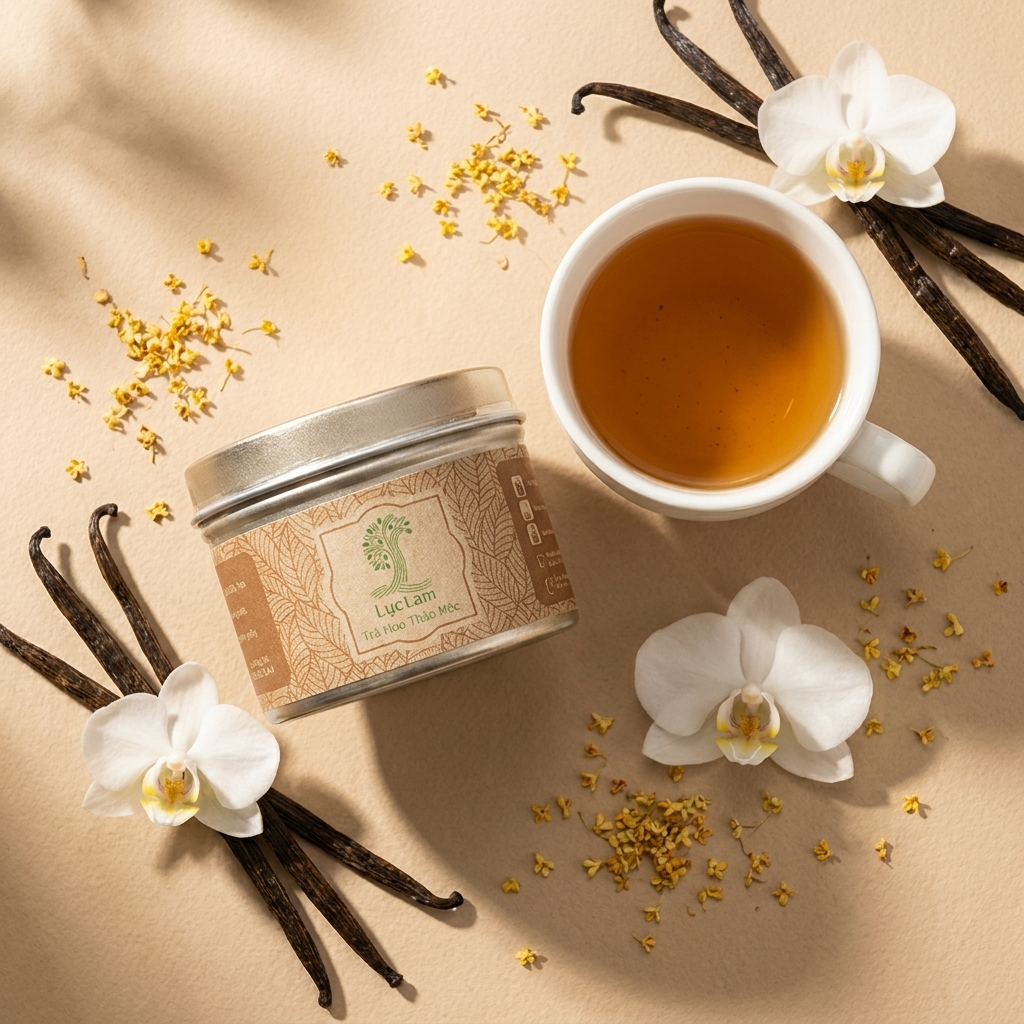
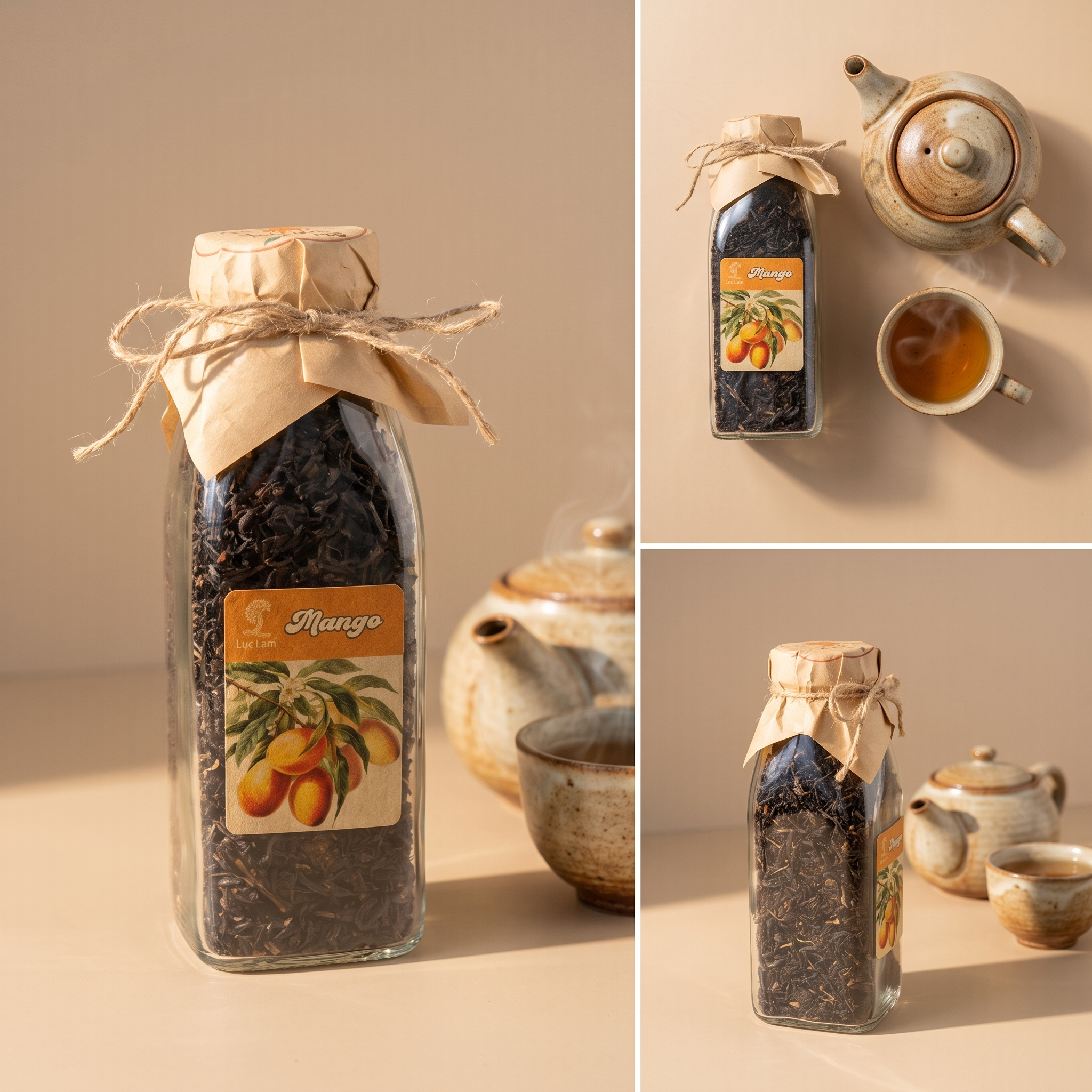
A sealed jar tells customs agents one thing clearly: this product has gone through commercial processing. When you pick up herbal gifts in Nha Trang, the condition of the package is often the first indicator an inspector checks. Vacuum-sealed or airtight packaging serves three practical purposes. It prevents leakage during pressure changes in the cabin. It contains strong aromas so your bag does not smell of turmeric or ginger for the rest of the trip. Most importantly, it signals that the contents are stable, processed goods rather than raw, untreated biological materials.
Clear labeling for inspection
A jar without a label is a red flag at border control. For Vietnamese herbal products to clear customs smoothly, the packaging should display a production date, an expiration date, and a full ingredient list. While native language labels are standard, having key details in English or the language of your destination country helps inspectors verify safety quickly. This transparency removes the guesswork for agents who cannot read the local script, making the item look like a standard consumer good rather than an unidentified substance.
Managing liquid restrictions
The rules differ significantly if your purchase is a liquid. Medicated oils, tinctures, and liquid extracts fall under aviation security regulations for liquids. In your carry-on bag, any single container must not exceed 100ml. If you purchase a larger bottle of herbal oil, you must pack it in your checked luggage. Ensure the bottle is wrapped to prevent breakage, and be prepared to declare it if the volume is significant. Ignoring this rule can lead to your liquid being confiscated at the security checkpoint, leaving you with an empty, expensive bottle.
A practical shopping checklist
Before you pay, treat the purchase like a transaction of trust. Here is a simple routine to follow in any local specialty shop:
- Watch the seal: Ask the seller to seal the item in front of you. This ensures the product is not tampered with and confirms the vacuum or airtight integrity.
- Get the receipt: Request a stamped receipt. This serves as proof of purchase and provides a paper trail if you need to explain the item’s origin to a customs officer later.
- Check the integrity: Before leaving the store, verify that the seal is unbroken and the label is legible. Do not risk bringing home a package that is cracked or peeling, as it invites unnecessary inspection.
Choosing the right gift for family and business partners
Selecting the perfect herbal gifts requires matching the product to the recipient’s relationship with you. A thoughtful gift signals care, but the wrong choice can create social friction, especially in professional settings. To ensure your souvenir is appreciated, consider who will receive it and how they might use it.
Traditional teas for health-conscious relatives
For family members who prioritize wellness, traditional herbal teas like lotus, ginger, or cinnamon are excellent choices. These items are widely recognized as wellness staples rather than strict medicines, making them safe and comfortable to give. Refined packaging plays a crucial role here; a well-presented tin or box looks dignified enough for a boss or business partner without feeling overly intimate. You avoid the awkwardness of giving something too personal, like a specific medicinal tonic, while still offering a tangible benefit. This makes tea a versatile option that bridges the gap between personal affection and professional respect.
Casual blends for friends and colleagues
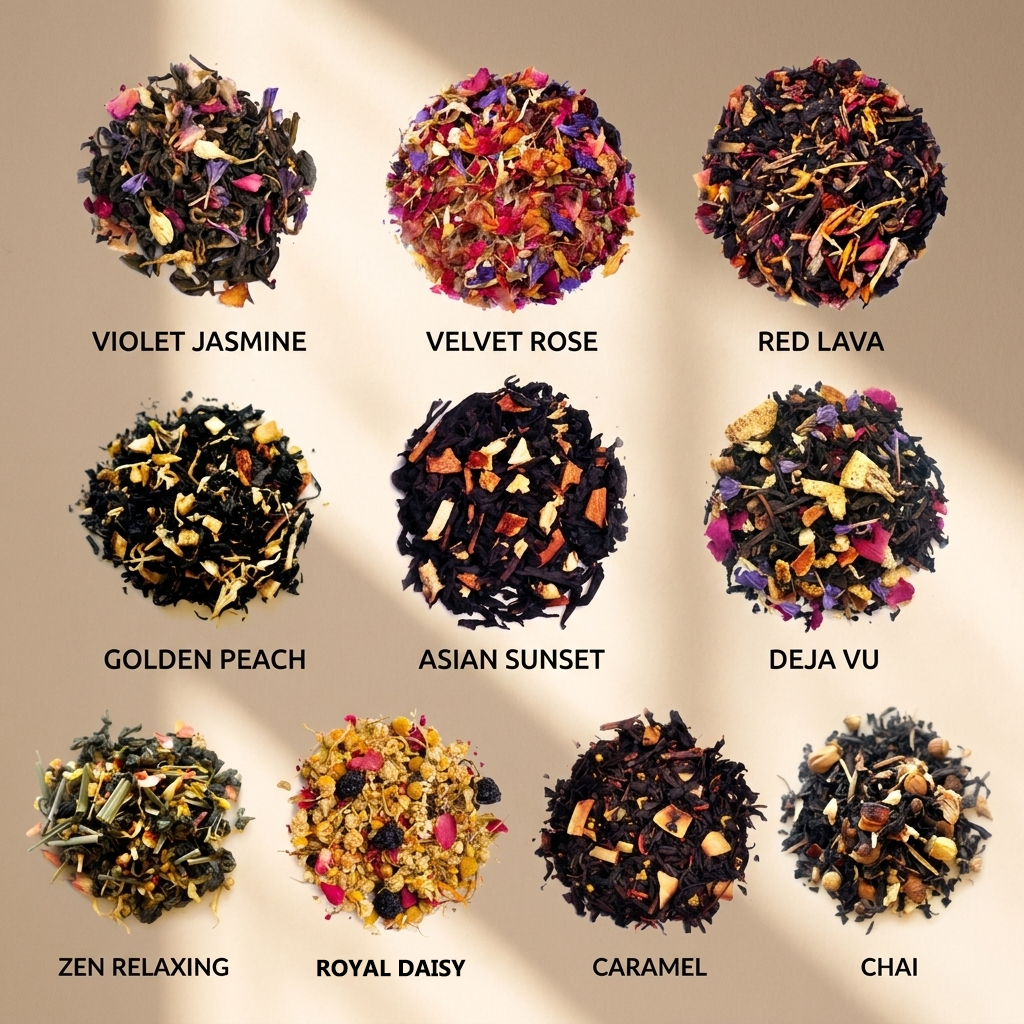
When gifting casual friends or close colleagues, focus on ease of sharing and consumption. Herbal blends or dried fruits are ideal because they invite interaction. A package of preserved fruits or a mixed herbal blend can be opened and enjoyed together, fostering a relaxed atmosphere. These items are less formal than tea sets and often carry a lighter, more playful vibe. They serve as a nice conversational starter rather than a serious health intervention. This approach keeps the interaction light and focuses on the shared enjoyment of Vietnamese flavors rather than any perceived health implications.
Avoiding medicinal items in professional contexts
Be cautious about giving items labeled as traditional gifts with strong medicinal connotations to non-family members. In many Asian cultures, including Japan and China, gifts associated with “curing” illness or boosting “strength” can imply that the recipient is unwell or weak. This can be perceived as insensitive or awkward in a professional environment. A balm or oil that suggests treating a specific ailment might make a business partner feel uncomfortable. It is safer to stick to wellness-oriented teas or food items that promote general enjoyment and relaxation rather than specific therapeutic outcomes. By avoiding items that hint at health issues, you maintain a respectful and positive professional relationship.
Matching the gift to the recipient’s needs
Think of yourself as a gift advisor. Ask yourself: Does this person drink tea? Do they enjoy snacking? Is this a formal or informal relationship? By aligning the product with their lifestyle and the nature of your connection, you ensure the Nha Trang souvenirs are not just a bag of items, but a thoughtful gesture that resonates. This attention to detail shows respect for the recipient’s preferences and cultural norms, turning a simple purchase into a meaningful memory.
| Recipient Type | Recommended Product | Reasoning | Professional Risk |
|---|---|---|---|
| Family / Close Boss | Traditional Herbal Tea | Refined, dignified, implies general wellness | Low |
| Friends / Colleagues | Dried Fruit / Herbal Blends | Easy to share, casual, focuses on enjoyment | Low |
| Business Partners | Premium Tea Sets | Formal, avoids health implications, safe | Low |
Common questions about bringing herbal souvenirs home
Loose leaf tea in hand luggage
Q: Can I bring loose leaf tea in my hand luggage?
Yes, provided the tea is dry and unground. Inspectors typically view dried, loose-leaf varieties as food staples rather than biological hazards. However, specific airline security protocols vary. If your item consists of fine powders or very fine loose materials, some carriers may subject it to additional screening. For peace of mind, check your airline’s specific guidelines on carrying loose organic materials through security checkpoints.
Balms and ingredient restrictions
Q: Are herbal balms like menthol or camphor allowed in Japan and China?
Generally, commercially packaged balms are permitted in small personal quantities. These items are often categorized as cosmetic or wellness products rather than pharmaceuticals. The critical factor is the ingredient list. Ensure the balm does not contain plant extracts banned by your destination’s agricultural authority. A quick check of the destination country’s prohibited import list before packing is a practical step to avoid unexpected issues.
Customs declaration outcomes
Q: What happens if customs declares my herbal gift?
The outcome depends on the item’s classification and your destination’s laws. You may be required to pay a duty if the value exceeds your allowance. If the item contains banned ingredients, such as certain animal parts or restricted plant species, it will be confiscated. In some cases, you may be asked to discard the item on the spot. Being prepared with a clear understanding of what you are bringing helps you handle these interactions with confidence.
Finding export-ready packaging in Nha Trang
Q: Where in Nha Trang can I find export-ready packaging?
Visit established gift shops or supermarkets rather than open-air markets. These retailers are more likely to stock products that are vacuum-sealed, clearly labeled with production dates, and compliant with international shipping standards. Proper packaging not only protects the product but also serves as evidence to customs that the item is commercially processed and safe for transport. This is especially important when selecting traditional gifts that might otherwise be treated as raw agricultural products.
Final thoughts
The most valuable souvenir is the one that actually makes it back to your home, unwrapped and intact. When selecting Vietnamese herbal products in Nha Trang, always prioritize sealed packaging and clear labels over visually striking but legally ambiguous items. Avoiding ‘wild’ traditional medicines not only prevents customs confiscation but ensures your gift remains a thoughtful gesture rather than a travel burden.
If you are looking for hassle-free options, consider curated collections from local specialty shops that focus on export-friendly standards. These sources offer refined packaging and verified safety, making it easy to choose suitable gifts for family or business partners. By focusing on quality and compliance, you turn a simple purchase into a memorable experience that respects both cultural traditions and international regulations. For more curated options suitable for international travel, feel free to reach out to us.