On This Page· 5
You have just cleared a $5,000 order for a popular organic chamomile blend, only to discover that your online store cannot legally list the product. The reason is that the blend is classified as a medicinal product, meaning it is restricted to pharmacy channels and banned from general retail. This scenario is not rare among wholesale buyers; it happens because chamomile is a flower, not a tea leaf. In the world of bulk Vietnamese herbal tea, the distinction between a food-grade item and a pharmaceutical product hinges on the plant’s origin.
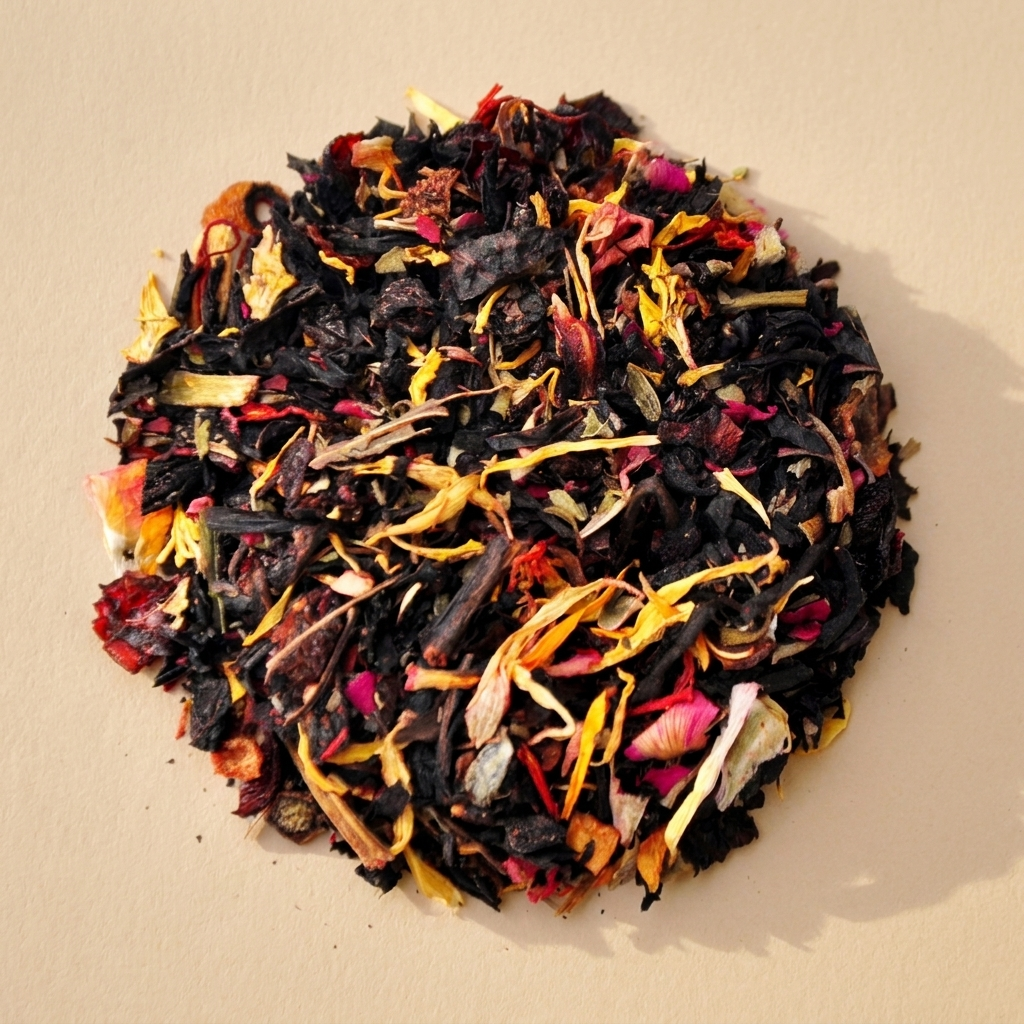
True teas, such as oolong or green tea, come from the Camellia sinensis plant. Anything else—including the chamomile in your order—falls under the category of a “tea-like product.” While these items are often marketed as teas, they are subject to different regulatory oversight. This article focuses on the three regulatory traps that can block your online resale and how to verify a blend’s status before you sign the next purchase order.
Why the Camellia sinensis rule changes your bulk tea orders
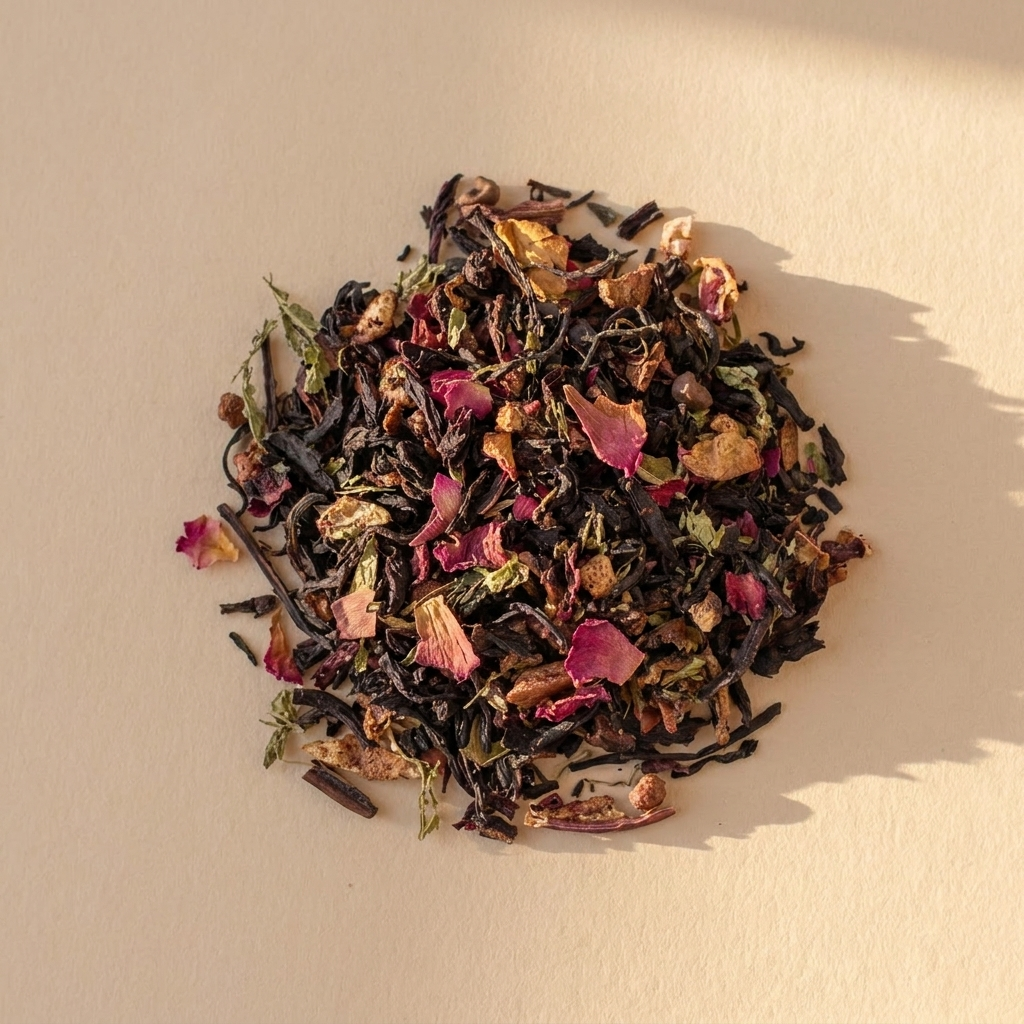
The label on your canister might say “herbal tea,” but the legal category is determined by a single botanical fact. True tea is defined by its origin in the Camellia sinensis plant. If the dried leaves do not come from this specific shrub, they are legally classified as a tea-like product, not a true tea. This distinction is the first checkpoint when evaluating wholesale herbal blends for resale.
When you place bulk herb orders, you are not just buying ingredients; you are accepting a regulatory status. Traditional teas like green, black, and oolong all originate from Camellia sinensis. Because they share this common biological source, they fall under a unified set of food safety standards. In contrast, herbal blends are composed of leaves, flowers, roots, or seeds from various other plants. This variety means each ingredient can have its own regulatory profile. Some are simple food items, while others may be regulated as medicinal products depending on their intended use and labeling.
The regulatory divide
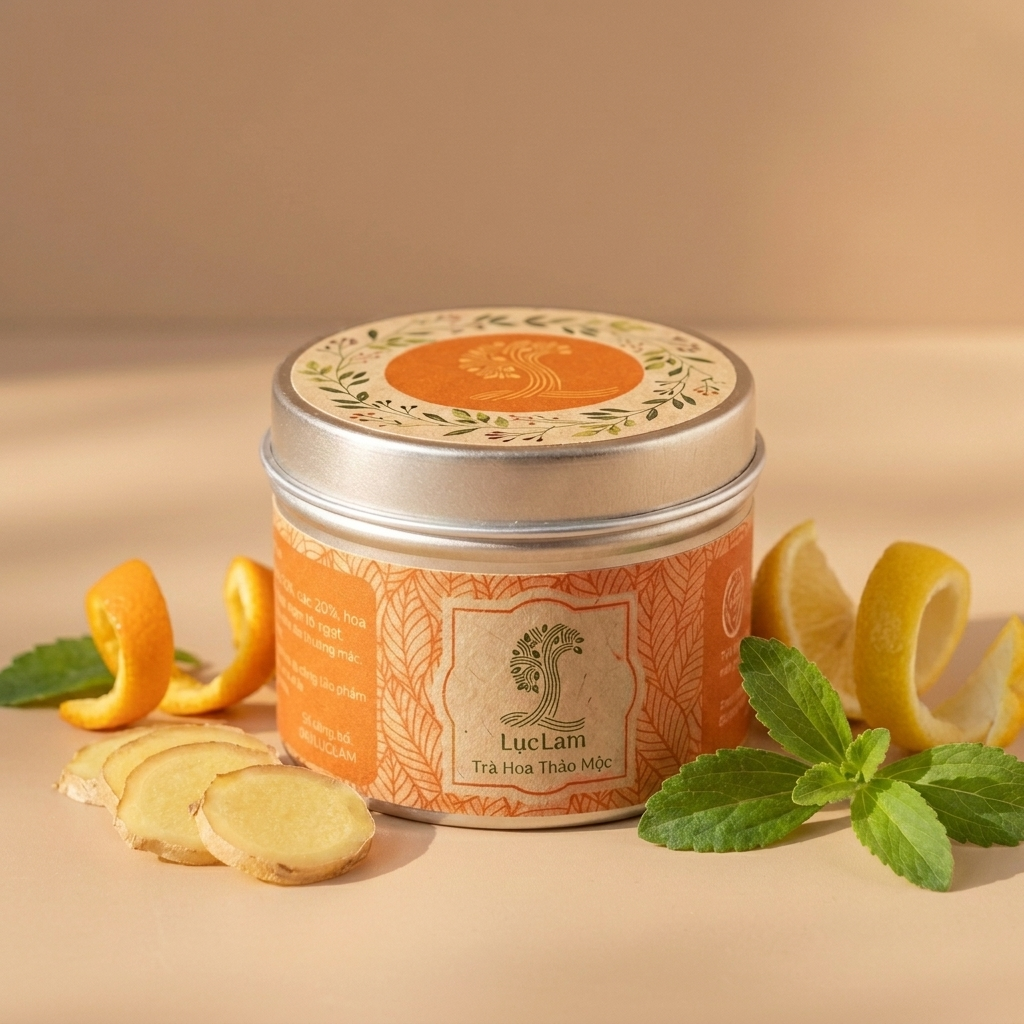
The separation between true teas and herbal blends creates two different paths for compliance. True teas are treated as standard foodstuffs with established processing norms. Herbal teas, however, are split into two sub-groups. The first group consists of blends used for flavor or general refreshment, which remain under food law. The second group includes blends with specific health claims, which often fall under pharmaceutical regulations. For a buyer, this means that a chamomile blend and a green tea may share the same shelf space in a shop but operate under completely different legal frameworks. Ignoring this split is a common error in bulk purchasing.
Why “organic” doesn’t change the rules
A common misconception is that obtaining an organic certification alters the legal classification of the product. It does not. An organic seal verifies that the plant material was grown without synthetic pesticides or fertilizers. It says nothing about whether the item is a food or a medicine. You can have a certified organic chamomile blend that is still classified as a medicinal product if it carries specific therapeutic claims. Conversely, a non-organic rooibos blend is still a tea-like product subject to food standards. When vetting an organic tea supplier, always look past the certification logo to check the actual regulatory category listed on the documentation. The method of farming does not dictate the channel of sale; the botanical identity and the claimed benefits do.
| Feature | True Teas | Herbal Blends |
|---|---|---|
| Botanical Origin | Camellia sinensis | Various plants (flowers, roots, seeds) |
| Primary Classification | Standard Food | Food or Medicinal Product |
| Typical Examples | Green, Black, Oolong, Pu-erh | Chamomile, Peppermint, Rooibos |
| Regulatory Focus | Food safety and processing | Food safety + potential drug laws |
Understanding this boundary allows you to ask the right questions before your first purchase. It transforms the sourcing process from a simple flavor selection into a compliance check, ensuring that your stock is legally clear for your specific market.
Food vs. pharmaceutical law: what you can legally claim
When you source wholesale herbal blends, the regulatory line you must respect is simple: a product is either food or a medicinal item, and the label determines which rules apply. A herbal tea sold as food can use limited, permitted claims about its ingredients, while a medicinal tea must carry pharmaceutical labeling and may be restricted to pharmacy-only sales. This distinction is not about the plant itself but about how the product is classified and marketed. For bulk buyers, it determines whether you can resell the blend on a general e-commerce platform or if the product is legally locked into a regulated channel.
Two categories, two rulebooks
Herbal teas sit in two legal groups. The first group is treated as food. These are blends of herbs, fruits, flowers, or spices, and their labeling follows food-safety regulations. The second group is treated as a medicinal product. These blends are intended to treat, prevent, or mitigate specific conditions, and they are governed by pharmaceutical law. A single ingredient—like chamomile—can appear in both categories, but the intended use and the label decide the classification.
For a wholesale buyer, the practical risk is this: a blend that looks and tastes like a standard herbal tea may actually be registered as a medicinal product. If that is the case, you cannot legally sell it through a general online store. The product is restricted to pharmacy or other authorized medical channels. Placing an order for a bulk quantity of such a blend can leave you with inventory you cannot resell as intended.
Reading the label before you buy
The safest step is to review the product label and documentation before confirming any bulk herb orders. A few quick checks can save you from a regulatory mismatch:
- Look for the product category statement. Food-grade blends will identify themselves as a tea, herbal infusion, or similar. Medicinal products will reference a registration number, a pharmaceutical license, or a therapeutic indication.
- Check the claims language. Food labels describe taste, aroma, and ingredients. Pharmaceutical labels describe intended medical effects, dosages, and contraindications. If you see words like “treats,” “relieves symptoms of,” or “recommended for,” pause and verify the classification.
- Verify the distribution channel restrictions. Some medicinal herbal blends are marked for pharmacy-only sale. If a supplier presents the product for general retail but it carries this restriction, the resale plan breaks down.
- Request the regulatory documentation. A transparent organic tea supplier will be able to confirm whether a blend is classified as food or as a medicinal product, and will provide the relevant documentation for your market.
A quick comparison for bulk buyers
The table below summarizes the key differences at a glance:
| Aspect | Food-grade herbal blend | Medicinal herbal blend |
|---|---|---|
| Legal classification | Food | Pharmaceutical product |
| Labeling rules | Food-safety regulations; limited health claims | Pharmaceutical labeling; mandatory therapeutic indications and dosages |
| Typical claims | Flavor, aroma, ingredient list | Treats, relieves, or prevents specific conditions |
| Resale channels | General online and retail stores | Often restricted to pharmacy or authorized medical channels |
| Buyer verification step | Confirm the label lists no therapeutic claims | Check for a medicinal product registration and distribution restrictions |
Before you place a bulk Vietnamese herbal tea order, take a few minutes to read the label and ask the supplier to confirm the product’s legal category. This small due-diligence step protects your ability to resell the blend through your intended channels and keeps your inventory clear of regulatory surprises.
Vetting your organic tea supplier for compliance
Before finalizing any bulk Vietnamese herbal tea order, verify that your supplier can prove the legal status of every ingredient. A supplier who cannot provide clear documentation is a significant risk, especially when the blend includes plant materials that might be classified as medicinal rather than food in your target market.
Documents to request for verification
Do not rely on marketing claims. Instead, request a specific set of documents that verify regulatory classification. The first is the certificate of analysis (COA), which details the chemical composition and confirms the absence of harmful contaminants. The second is the official label or packaging draft, which must list every ingredient in order of quantity. This transparency is critical for your own regulatory checks. Finally, ask for the specific legal classification certificate. If the supplier claims the product is a food, they should be able to provide a statement confirming it does not fall under pharmaceutical law in the destination country. A reliable organic tea supplier will expect these questions and have the paperwork ready.
Distinguishing organic certs from medical licenses
One common trap is confusing an organic certification with a medicinal product license. An organic code, such as DE-ÖKO-006, only verifies that the ingredients were grown without synthetic pesticides or GMOs. It does not determine whether the plant is a food or a drug. For example, a blend certified organic under such a code could still contain ingredients that are regulated as pharmaceuticals in certain markets. Always check if the supplier holds a separate license for medicinal products if the blend includes potent herbs. If they only have an organic certificate, verify that none of the ingredients trigger pharmaceutical regulations in your specific market.
Ensuring online retail compliance
The final step is confirming the blend meets standards for online retail. Many herbal blends are legal to sell in physical stores but restricted from online platforms if they make health claims or contain pharmacy-only ingredients. Review the ingredient list against the regulations of your target market. If you are buying Vietnamese tea online for resale, ensure the label makes no therapeutic claims that would reclassify the product. A clear, accurate ingredient list allows you to spot these issues before the order ships, protecting your ability to sell the wholesale herbal blends freely across digital channels.
Frequently asked questions about wholesale herbal blends
Is all herbal tea legal to sell online?
Not necessarily. Legal online retail generally applies to blends classified as food. If a product falls under pharmaceutical or medicinal regulations, it often requires pharmacy-only channels, which blocks standard e-commerce resale. Always verify the regulatory status before placing a bulk herb order to ensure the product fits your sales model.
Can I buy bulk Vietnamese herbal tea if it contains medicinal herbs?
You must check the specific legal status of every plant in the blend for your target market. A herb that is a common food ingredient in one country may be a regulated medicinal substance in another. Buying bulk Vietnamese herbal tea without verifying the classification of each component risks non-compliance and potential legal penalties in your destination market.
What is the difference between a tea-like product and a true tea?
True tea comes exclusively from the Camellia sinensis plant. Everything else, including blends made from herbs, flowers, or roots, is a tea-like product. This distinction is the primary legal differentiator. While Camellia sinensis varieties are typically regulated as traditional food, many tea-like products face stricter scrutiny if their ingredients are classified as medicines rather than food.
Final thoughts
Before your next bulk Vietnamese herbal tea order arrives, run these three checks. First, verify the plant origin to confirm the blend is classified as a food item rather than a pharmaceutical product. Second, review the supplier’s documentation, including organic certification codes, to ensure the ingredients meet your target market’s standards. Third, confirm that the labeling does not include prohibited health claims, which would trigger pharmacy-only restrictions.
This simple due-diligence process protects your ability to resell wholesale herbal blends freely across online channels. Taking a few minutes now prevents the risk of having inventory stuck because of a misclassified ingredient.
If you want to skip the regulatory guesswork, reach out to Lục Lam Vietnam Tea. They curate a selection of compliant, refined Vietnamese tea blends designed for gifting, making it easy to choose the right option for your specific needs.